

The Authority in Global Agricultural Chemistry & Bio-Resources
Bulk adipic acid prices: what is driving contract swings?
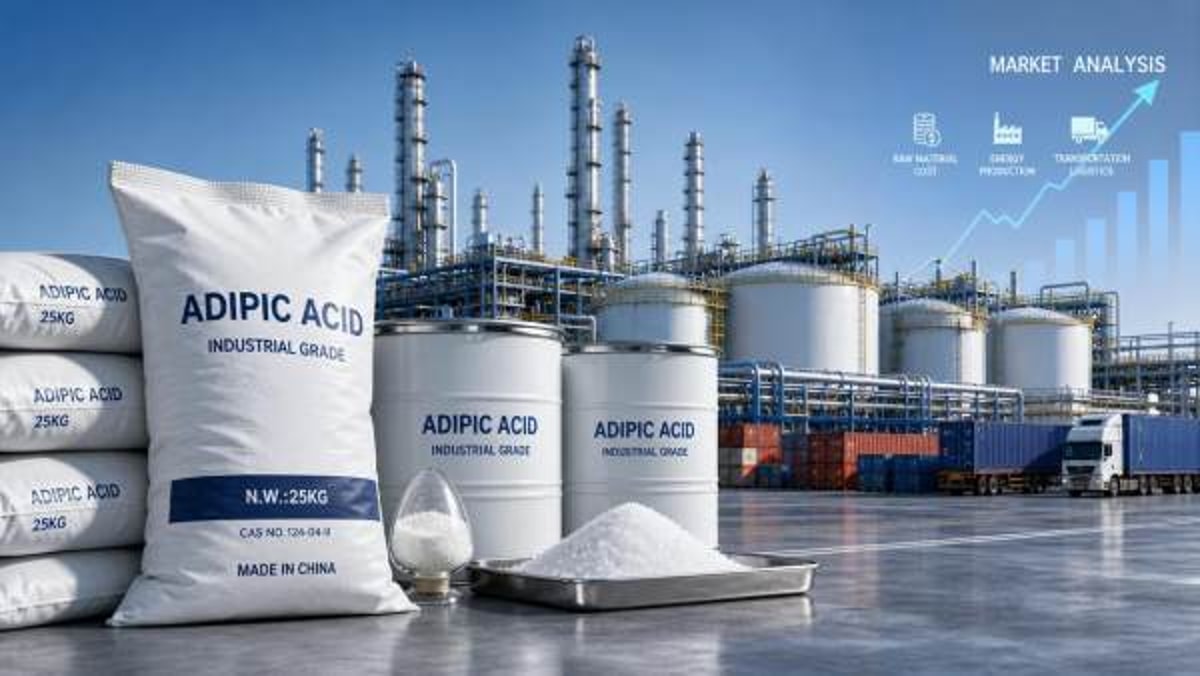
Bulk adipic acid pricing remains under pressure as feedstock volatility, energy costs, freight shifts, and regional supply adjustments continue to reshape contract negotiations. For business evaluators tracking procurement risk and margin exposure, understanding what is driving these swings is essential. This analysis outlines the market forces behind recent contract movements and what they may signal for sourcing decisions ahead.
Why are bulk adipic acid contract prices drawing so much attention now?
For commercial buyers, bulk adipic acid is no longer a routine line item that can be reviewed once per quarter and then ignored. It sits at the intersection of petrochemical feedstocks, energy-intensive production, environmental compliance, and globally distributed demand from nylon intermediates, engineering plastics, polyurethane systems, coatings, and specialty formulations. That means even moderate disruption in one upstream or downstream link can quickly alter the pricing conversation.
The recent focus on bulk adipic acid comes from a combination of unstable raw material costs and changing producer behavior. Suppliers are trying to defend margins in a market where benzene and cyclohexane-related cost signals can move quickly, while buyers want more visibility before committing to monthly or quarterly volumes. In practice, this creates contract swings that are not driven by a single shock, but by layered adjustments across cost inputs, regional operating rates, and logistics.
For business evaluators, the issue is not only the absolute price of bulk adipic acid. The bigger question is whether current swings reflect a short-lived correction, a structurally higher cost base, or a temporary imbalance between supply and demand. Each interpretation leads to different procurement choices, inventory policies, and supplier engagement strategies.
Which cost drivers are pushing bulk adipic acid contracts up or down?
The first driver is feedstock volatility. Bulk adipic acid production is highly sensitive to upstream petrochemical economics, especially benzene-linked chains and cyclohexane conversion costs. When benzene rises sharply, producers often attempt to pass through increases into contract settlements. If feedstock inflation is sustained, contract talks tend to harden. If upstream values soften rapidly, buyers usually resist rollover terms and push for downward revisions.
The second driver is energy. Adipic acid manufacturing requires significant process energy, and regional differences in natural gas and electricity pricing can materially affect producer competitiveness. European producers, for example, may face a very different margin environment from producers in parts of Asia or North America. Even if feedstocks are stable, a spike in utility costs can change seller pricing behavior almost immediately.
A third factor is plant operating discipline. Producers do not always run for maximum output. If margins are weak or inventories are elevated, output may be reduced to support pricing. Conversely, when downstream demand improves and plants raise operating rates, available tonnage can increase quickly and cap contract gains. In this sense, bulk adipic acid prices are shaped not only by cost inflation but also by deliberate supply management.
Freight is another important variable. Ocean shipping rates, inland trucking availability, port congestion, and container imbalances all affect delivered cost. For buyers comparing regional sourcing options, freight can widen or narrow the gap between domestic and imported bulk adipic acid. A supplier with a competitive ex-works price may become less attractive after logistics surcharges, demurrage risk, or longer lead times are factored in.
Finally, environmental and regulatory costs matter more than many procurement teams initially expect. Compliance investments, emissions controls, wastewater treatment, and audit requirements can raise fixed costs and reduce flexibility. In tightly regulated supply chains, sellers that maintain stronger compliance profiles may quote at a premium, yet still offer lower total risk.
Are current swings being driven more by supply changes or by demand weakness?
The answer is usually both, but not equally in every region. On the supply side, bulk adipic acid markets react strongly to turnarounds, unplanned outages, and changes in export availability. A planned maintenance event in one major producing region can tighten prompt supply and support higher offers, especially when buyers have low inventory. However, if several suppliers maintain healthy stock or if import channels remain open, the same outage may have only a limited effect on contracts.
Demand conditions are more nuanced. Bulk adipic acid consumption depends heavily on the health of downstream industrial segments, especially nylon 6,6 applications and related polymers. When automotive, electronics, construction, or consumer durables slow down, derivative demand can soften. In that environment, buyers often shorten commitments, delay restocking, or negotiate smaller volumes, which weakens seller leverage even if upstream costs are rising.
This is why contract swings can feel contradictory. A producer may cite feedstock inflation and supply discipline to justify higher bulk adipic acid contracts, while buyers point to weak order books and poor downstream offtake to resist increases. The final settlement often depends on who has the stronger evidence: verified cost escalation, or visible weakness in derivative demand and inventory turnover.
How should business evaluators read regional differences in bulk adipic acid pricing?
Regional price signals should never be read in isolation. A lower quoted value in one market does not automatically mean a better procurement outcome. Business evaluators should compare not only nominal bulk adipic acid prices, but also landed cost, contract flexibility, payment terms, quality consistency, and resilience under disruption.
North America may benefit at times from relatively stable feedstock access and integrated producer structures, but domestic contract behavior can still change if derivative demand fades or if suppliers rebalance exports. Europe may experience stronger sensitivity to energy and environmental compliance costs, which can raise the pricing floor. Asia can offer attractive export options, yet freight variability, local operating rates, and currency movements may significantly alter the final delivered economics.
For this reason, the most useful comparison is not headline price against headline price. It is regional cost position against service certainty. If a cheaper source exposes the buyer to lead-time slippage, customs delays, specification inconsistency, or sudden export tightening, the apparent savings on bulk adipic acid may disappear through production interruptions or emergency spot purchases.
A disciplined evaluator will also ask whether regional price gaps are temporary arbitrage windows or durable structural differences. Temporary gaps can close fast when freight rebounds or local demand improves. Structural gaps, by contrast, often reflect lasting differences in energy, regulation, scale, and supply chain integration.
What are the most common mistakes buyers make when assessing bulk adipic acid contracts?
One common mistake is focusing too narrowly on the unit price. Bulk adipic acid contracts should be evaluated on total commercial exposure, not on headline number alone. A slightly lower price may be paired with strict take-or-pay language, limited volume tolerance, weak delay protection, or expensive freight pass-throughs.
A second mistake is assuming feedstock formulas are always transparent. In reality, contract formulas vary widely. Some include clear index references and timing windows; others allow broad seller interpretation. If the formula does not specify benchmarks, reset frequency, or lag structure, disputes can emerge quickly during volatile periods.
A third mistake is underestimating inventory strategy. Buying too aggressively into a falling market can lock in avoidable losses, while running inventories too lean in a tightening market can force expensive replenishment. Bulk adipic acid purchasing works best when contract coverage, safety stock, and spot flexibility are balanced against demand visibility.
Another frequent error is treating all suppliers as operationally equivalent. Financial stability, maintenance discipline, documentation quality, sustainability commitments, and logistics execution all affect supply assurance. In volatile markets, the real value of a supplier is often measured by how well they perform when conditions deteriorate, not when markets are calm.
Quick assessment checklist for buyers
How can procurement teams judge whether a bulk adipic acid swing is temporary or structural?
A temporary swing usually has one or two identifiable triggers: a short outage, a brief freight spike, a sudden feedstock rally, or end-quarter inventory behavior. These events can move bulk adipic acid contracts, but they often fade once operations normalize or restocking pressure passes. Temporary swings are usually accompanied by mixed signals, such as higher prompt offers but unchanged long-term demand forecasts.
A structural shift looks different. It tends to involve persistent changes in production economics, such as a sustained rise in regional energy costs, long-term capacity closures, stricter environmental constraints, or a broad downstream demand realignment. In those cases, contract negotiations change not only in price level but also in supplier behavior, minimum acceptable margins, and the willingness to offer flexible terms.
The best way to distinguish the two is to track four indicators together: upstream feedstocks, producer operating rates, inventories across the chain, and derivative demand. If all four point in the same direction for several cycles, the bulk adipic acid market may be undergoing a structural reset. If only one indicator is flashing while others remain stable, the move is more likely tactical and short term.
What should business evaluators ask before locking in volume or extending a contract?
Before extending bulk adipic acid commitments, evaluators should begin with timing. Is the current negotiation occurring after a genuine cost increase, or after a seller has simply tested the market? Understanding the sequence matters because suppliers often seek higher settlements before buyers have fully confirmed downstream recovery or inventory drawdown.
They should then review exposure concentration. If one supplier, one region, or one route accounts for too much of the bulk adipic acid requirement, contract stability may be overstated. Diversifying supply does not always lower price, but it can significantly improve bargaining leverage and continuity.
Next comes specification and compliance alignment. A lower-cost source only helps if it consistently meets quality requirements, documentation standards, and customer audit expectations. This is particularly relevant for institutional buyers that operate within tightly managed manufacturing and reporting systems.
Finally, evaluators should confirm the practical terms that become critical during market stress: allocation rules, force majeure language, notice periods, penalty structure, shipment tolerance, and dispute resolution over feedstock-linked adjustments. These details often determine whether a bulk adipic acid contract remains workable when volatility returns.
What does the current market suggest for sourcing decisions ahead?
The current environment suggests caution rather than a one-directional pricing call. Bulk adipic acid remains exposed to cost-side shocks, but demand-side fragility continues to limit the strength of sustained price increases in many markets. That means buyers should avoid reacting to any single data point. A feedstock rally alone does not guarantee lasting contract inflation, just as weak downstream demand alone does not guarantee deeper declines if supply tightens unexpectedly.
For many organizations, the most effective strategy is layered sourcing: maintain core contract coverage with reliable suppliers, preserve some spot flexibility, and continuously update landed-cost comparisons across regions. This approach reduces the risk of overcommitting at a local high while still protecting operations from short-term shortages.
If you need to confirm the right next step for bulk adipic acid procurement, the priority questions are practical: which cost component is moving most, how sustainable is that move, what inventory buffer is actually required, how much regional diversification is available, and what contractual terms will matter if conditions tighten again. For business evaluators, those are the questions that turn price noise into usable purchasing judgment.
Related Intelligence
- APIs & IntermediatesFirst National SME Service Platforms for APIs & Intermediates AnnouncedFirst National SME Service Platforms for APIs & Intermediates launched—offering ICH Q5/Q7, REACH, green solvent & tax rebate support. Discover verified Chinese suppliers now.
- APIs & IntermediatesBulk formic acid handling mistakes that create avoidable downtimeBulk formic acid handling mistakes can trigger corrosion, leaks, and costly downtime. Learn the most common risks and practical fixes to improve reliability and prevent shutdowns.
- APIs & IntermediatesWholesale glacial acetic acid: packaging choices and freight tradeoffsWholesale glacial acetic acid buying starts with the right packaging and freight plan. Compare drums, IBCs, and ISO tanks to cut landed cost, reduce risk, and secure reliable bulk supply.
The Morning Broadsheet
Daily chemical briefings, market shifts, and peer-reviewed summaries delivered to your terminal.
