

The Authority in Global Agricultural Chemistry & Bio-Resources
38th Firefly Comic Con Features Agri-Tech IP Zone & Botanical Extracts Cross-Border Marketing
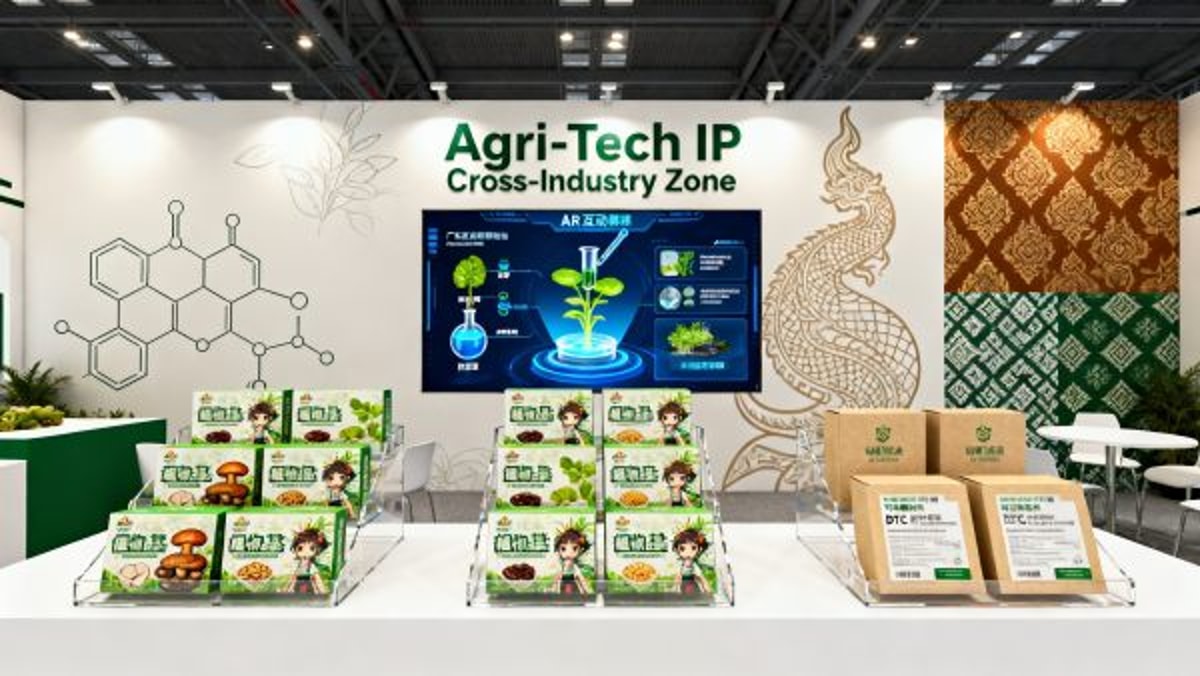
From May 1–4, 2026, the 38th Firefly Comic Con in Guangzhou introduced an inaugural ‘Agri-Tech IP Cross-Industry Zone’, spotlighting botanical extracts as functional ingredients in co-branded health snacks, AR-enabled science communication installations, and cross-border DTC packaging solutions. This development signals emerging convergence between agricultural biotechnology, consumer health, and digital IP-driven marketing—particularly relevant for exporters of plant-derived actives, health food manufacturers, and cross-border e-commerce service providers.
Event Overview
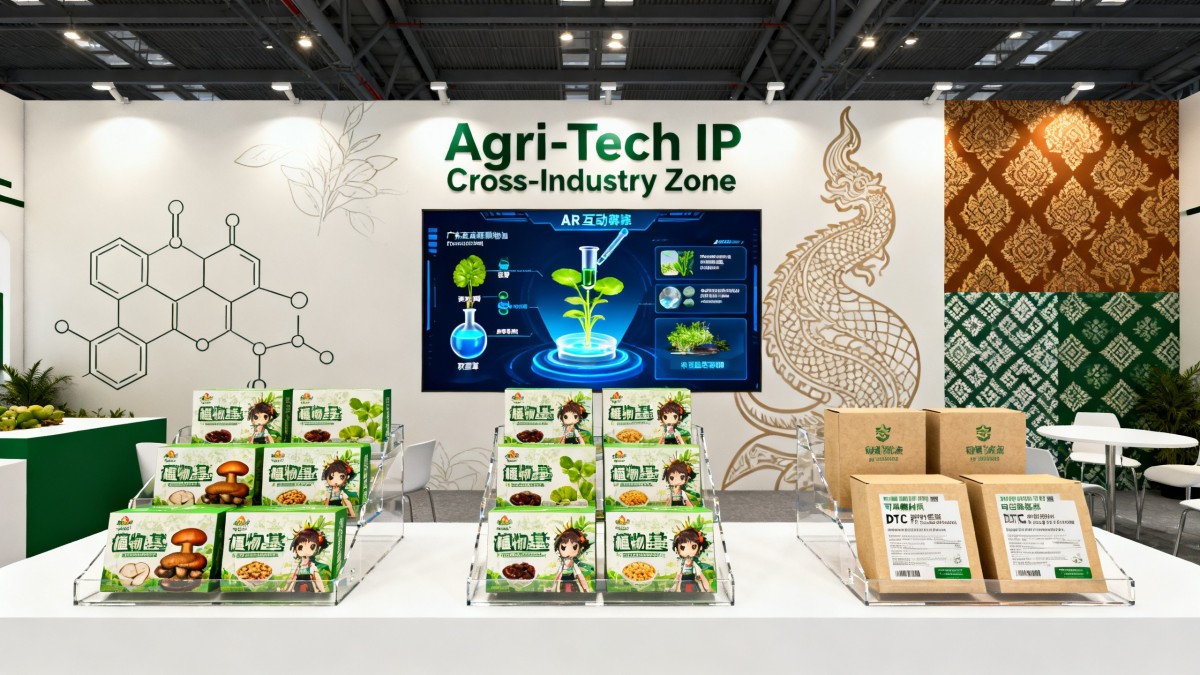
The 38th Firefly Comic Con, held in Guangzhou from May 1 to 4, 2026, featured a newly launched ‘Agri-Tech IP Cross-Industry Zone’. Five Chinese botanical extracts enterprises participated, showcasing co-branded health snacks containing standardized plant extracts, interactive AR exhibits explaining extraction science and sustainability, and DTC-ready packaging designed for Southeast Asian markets. All five exhibitors have entered preliminary influencer collaboration agreements with Southeast Asian KOLs to pilot a ‘functional ingredient storytelling + cultural IP’ export model.
Industries Affected
Direct Exporters of Botanical Extracts
These companies face new expectations around narrative packaging and regulatory alignment—not just for active compounds, but for associated IP licensing and consumer-facing claims. Impact manifests in increased pre-market content localization needs, revised labeling workflows, and early-stage engagement with regional influencers prior to formal product registration.
Health Food Formulators & Brand Owners
Brands incorporating botanical extracts must now consider IP compatibility alongside functional efficacy. The zone signals growing consumer demand for traceable, story-driven ingredient provenance—especially where cultural resonance (e.g., local folklore or animated characters) reinforces scientific credibility. Impact includes tighter coordination between R&D, marketing, and legal teams during product conceptualization.
Cross-Border E-Commerce Enablers
Logistics, compliance, and platform integration providers are affected by the rise of hybrid DTC models combining physical experiential activation (e.g., comic cons) with digital conversion paths. Impact includes demand for modular packaging systems that support both event sampling and direct-to-consumer fulfillment, plus updated documentation templates accommodating IP-related disclaimers and multilingual ingredient narratives.
Supply Chain Service Providers Supporting ASEAN Market Entry
Firms offering regulatory advisory, customs brokerage, or last-mile fulfillment for Southeast Asia must now accommodate dual-layer compliance: standard food supplement requirements *plus* evolving local expectations around digital IP usage rights, influencer disclosure norms, and culturally adapted health claims. Impact appears in rising requests for bilingual claim substantiation dossiers and influencer contract review support.
What Relevant Enterprises or Practitioners Should Focus On Now
Monitor official updates on ASEAN food supplement harmonization efforts
While no new regional regulation was announced at the event, the coordinated participation of five Chinese extract suppliers suggests preparatory alignment with upcoming ASEAN Mutual Recognition Arrangement (MRA) revisions. Track ASEAN Centre for Public Health Nutrition (ACPHN) working group outputs through Q3 2026.
Prioritize ingredient-level storytelling assets for top-three ASEAN markets
Based on confirmed KOL partnerships, focus initial localization resources on Vietnam, Thailand, and Indonesia—specifically developing Vietnamese/Thai/Indonesian language versions of extraction method summaries, sustainability certifications, and animated explainer scripts aligned with local IP aesthetics.
Distinguish between pilot activity and scalable infrastructure
The current KOL collaborations represent market-testing—not established distribution. Avoid over-investing in permanent regional warehousing or full-scale multilingual QA processes until post-event sales data and influencer campaign performance metrics (expected by July 2026) confirm repeat purchase behavior and claim acceptance.
Pre-align internal teams on IP licensing boundaries
Since co-branded products rely on third-party IP (e.g., anime or mascot characters), procurement, legal, and marketing departments should jointly map permitted usage scope—including territory, duration, derivative rights, and claim linkage restrictions—before initiating further co-marketing discussions.
Editorial Perspective / Industry Observation
Observably, this initiative is less a commercial launch and more a coordinated signal test: it reflects growing industry recognition that botanical extract exports require more than technical compliance—they demand cultural translation and narrative scaffolding. Analysis shows the choice of a mass-audience, youth-oriented platform like Firefly Comic Con—not a trade-only venue—underscores a strategic pivot toward embedding science-backed ingredients within accessible, emotionally resonant frameworks. From an industry perspective, this is currently best understood as an early-phase experiment in ‘ingredient diplomacy’, not yet a validated go-to-market model. Its significance lies in revealing where upstream suppliers are beginning to allocate non-R&D resources: into IP strategy, cross-disciplinary creative development, and pre-regulatory market education.
Conclusion: The Firefly Comic Con’s Agri-Tech IP Zone does not indicate immediate shifts in export volumes or regulatory standards—but it does mark a discernible inflection point in how botanical extract value chains conceptualize market readiness. It is more accurately interpreted as an indicator of evolving upstream capability development, rather than a near-term demand catalyst. For stakeholders, the appropriate posture remains one of structured observation—not operational overhaul.
Source: Official exhibition program and participant list released by Firefly Comic Con Organizing Committee (May 2026); confirmed participation and KOL partnership details disclosed by five exhibiting botanical extracts enterprises during on-site press briefings. Ongoing monitoring required for post-event sales data, influencer campaign metrics, and ASEAN regulatory updates—none of which were available as of May 4, 2026.
Related Intelligence
- Botanical Extracts38th Firefly Comic Con Features Agri-Tech IP Zone & Botanical Extracts Cross-Border MarketingAgri-Tech IP Zone & botanical extracts take center stage at 38th Firefly Comic Con—discover cross-border DTC strategies, AR science storytelling, and ASEAN market readiness for functional ingredients.
- Botanical ExtractsWhat Sets a Reliable Ginseng Extract Manufacturer Apart?Ginseng extract manufacturer selection starts with traceability, GMP controls, and consistent ginsenosides. Learn how to compare suppliers, reduce risk, and secure long-term value.
- Botanical ExtractsHemp Extract Bulk: Full Spectrum or Isolate for New Products?Hemp extract bulk: compare full spectrum vs isolate for new products. Learn how each option affects compliance, formulation, sourcing, and market fit before bulk buying.
The Morning Broadsheet
Daily chemical briefings, market shifts, and peer-reviewed summaries delivered to your terminal.
