
The Authority in Global Agricultural Chemistry & Bio-Resources
What Sets a Reliable Ginseng Extract Manufacturer Apart?
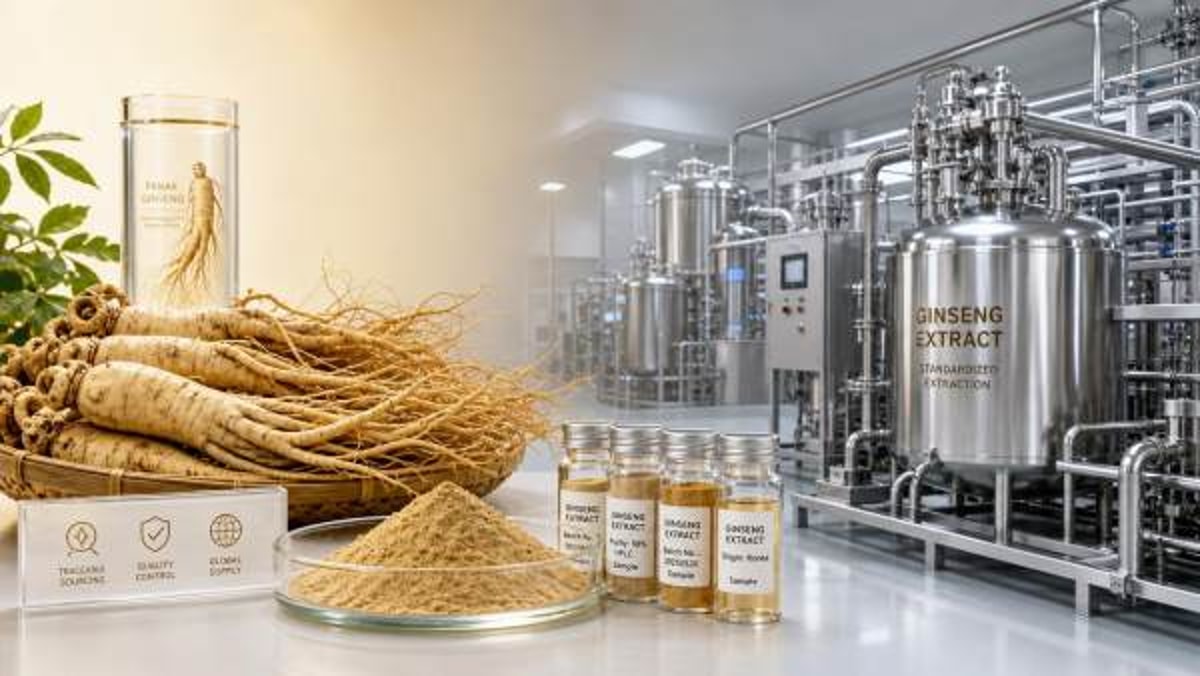
Choosing a reliable ginseng extract manufacturer is no longer just about price or production volume. For procurement professionals, the real differentiators lie in traceable sourcing, consistent active compound levels, GMP-compliant processing, and transparent quality documentation. In a market shaped by strict regulatory demands and global supply uncertainty, knowing what sets a dependable supplier apart is essential to reducing risk and securing long-term value.
Why does a reliable ginseng extract manufacturer matter more today?
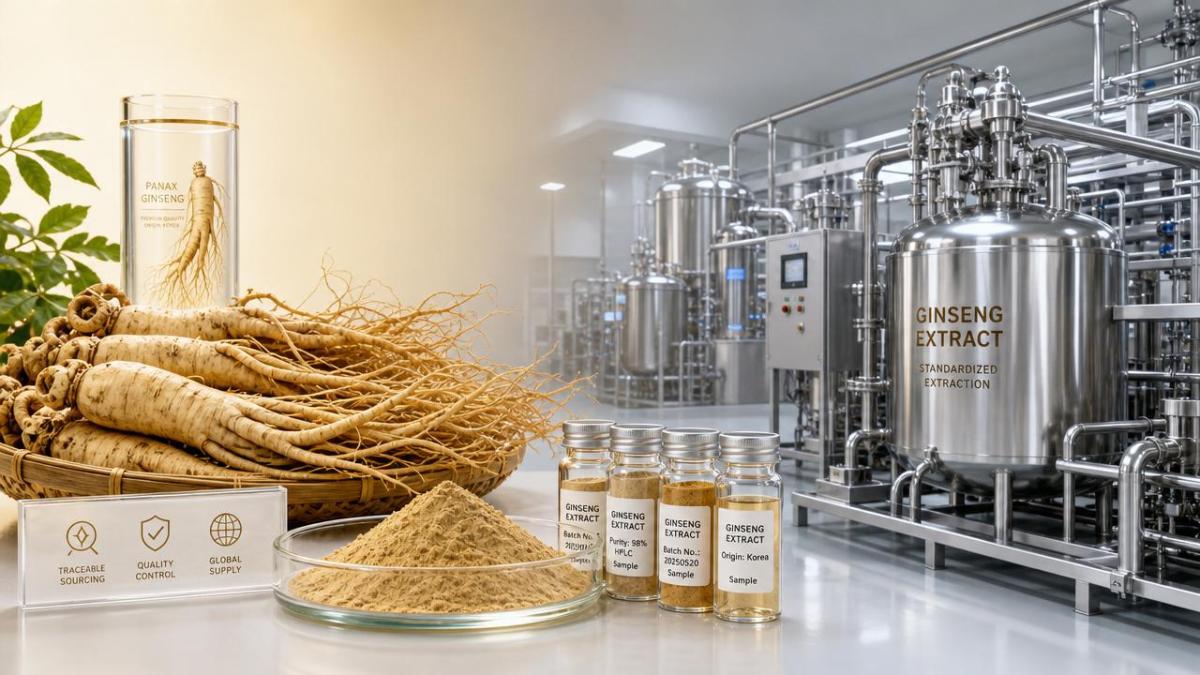
Ginseng sits at the intersection of agriculture, fine chemicals, nutraceuticals, and regulated ingredient supply. That makes supplier selection more complex than many buyers expect. A ginseng extract manufacturer is not simply processing a root into powder or liquid. The manufacturer is responsible for preserving active compounds, controlling contaminants, documenting batch consistency, and supporting downstream compliance for multiple markets.
For procurement teams, this matters because even small deviations in extract ratio, solvent residue, pesticide profile, or ginsenoside content can trigger formulation problems, shipment delays, customer complaints, or failed audits. In sectors linked to dietary supplements, pharmaceuticals, functional foods, and bio-extract ingredients, supplier weakness quickly becomes buyer risk.
This is where AgriChem Chronicle adds practical value. ACC focuses on primary industries and fine chemicals with an editorial lens shaped by biochemical engineers, agricultural scientists, and trade compliance specialists. For institutional buyers, that perspective helps separate marketing claims from real manufacturing capability.
- Raw material supply is exposed to climate, origin variation, and harvest quality swings.
- Extraction quality depends on process control, not just botanical sourcing.
- Importers increasingly require clear documentation for identity, purity, heavy metals, microbiology, and residual solvents.
- Long-term value usually comes from stable specifications and lower compliance friction, not the lowest initial quote.
What procurement teams should verify before shortlisting a ginseng extract manufacturer
Before comparing prices, buyers should define what the ingredient must do in the final application. A ginseng extract intended for capsules may require different moisture, bulk density, and flow behavior than an extract used in beverages or functional blends. The same applies to extract ratio, solubility, carrier use, and acceptable solvent system.
The table below helps procurement professionals structure supplier screening around operational and compliance realities rather than sales language.
A dependable ginseng extract manufacturer will usually answer these questions directly and with evidence. Evasive answers often point to weak traceability, outsourced production without oversight, or inconsistent testing practices.
Core screening checklist
- Confirm botanical identity, including Latin name and plant part used.
- Review target ginsenoside range and analytical method, such as HPLC where applicable.
- Check whether the extract uses water, ethanol, or another solvent system relevant to your market requirements.
- Verify contaminant controls for heavy metals, microbial load, pesticide residues, and residual solvents.
- Assess lot traceability from raw root intake through final packaging and shipping.
How to compare manufacturers beyond price
Many procurement teams receive similar quotations from several suppliers and assume the offers are comparable. They often are not. One ginseng extract manufacturer may quote a lower price because the extract ratio is weaker, the testing scope is narrower, or the raw material origin is less consistent. Another may include stronger technical support, better packaging integrity, and cleaner compliance documents, which lowers total acquisition risk.
Use a side-by-side comparison model that captures commercial and technical variables at the same time.
For buyers in complex sectors, the better supplier usually reduces hidden costs. These include reformulation work, quality investigations, emergency air freight, customs delays, and internal review cycles. In practice, that can outweigh a modest price difference on the invoice.
Questions that reveal true capability
- Can the manufacturer explain the difference between native extract composition and standardized final release criteria?
- Do they discuss stability, packaging barrier needs, and storage conditions in practical terms?
- Can they support qualification for different end-use markets without changing the story each time?
Which technical and compliance indicators deserve the closest attention?
A reliable ginseng extract manufacturer stands out through process discipline and document integrity. For procurement personnel, several technical indicators are more useful than general promises about purity or premium quality.
Technical markers that affect purchasing decisions
- Active compound profile: Buyers should know whether the product is standardized to total ginsenosides or another declared marker set.
- Solubility and dosage form fit: Powder for tablets, instant beverage use, or liquid concentrate each brings different handling requirements.
- Moisture and flow properties: These directly affect blending, encapsulation, and shelf-life behavior.
- Residual solvents: Especially important when extraction involves ethanol or other process aids.
- Microbiological limits: Essential for products entering regulated food, nutraceutical, or pharma-adjacent channels.
Compliance signals buyers should request
The exact compliance package depends on market destination and intended use, but several baseline documents should be accessible during supplier qualification. In ACC’s coverage of bio-extracts and ingredient supply chains, this is often where procurement bottlenecks begin or end.
Strong suppliers understand that documentation is part of the product. If records are incomplete, the material is effectively incomplete from a procurement perspective.
How do sourcing model and supply transparency affect long-term value?
The most dependable ginseng extract manufacturer is rarely the one focused only on spot transactions. Procurement teams benefit more from suppliers that can explain harvest planning, raw material inventory logic, and risk controls across sourcing and processing. This is especially relevant when markets face seasonal variability, cross-border trade disruption, or changing contaminant thresholds.
Transparency should cover both upstream and downstream stages. Upstream means origin, species, and agricultural input visibility. Downstream means extraction method, quality testing, packing format, lead time, and deviation handling. If the supplier cannot map those stages, the buyer is left managing uncertainty internally.
A practical procurement workflow
- Define the end-use specification with quality, regulatory, and formulation teams.
- Request a technical package before negotiating unit price.
- Review batch history or representative COAs to assess consistency.
- Check lead times for sample, pilot, and commercial quantities separately.
- Clarify deviation management, claim response, and replacement procedure.
This workflow reduces the risk of approving a supplier based only on an attractive sample or a first-order quotation. It also creates a stronger basis for annual review and multisource planning.
Common mistakes buyers make when choosing a ginseng extract manufacturer
Mistake 1: Treating all ginseng extracts as interchangeable
Ginseng extracts vary by species, root age, extraction medium, concentration level, excipient use, and standardization target. Buying on name alone often causes mismatch with the finished product requirement.
Mistake 2: Approving suppliers without full document review
A sample may look acceptable while the commercial documentation package remains weak. Missing statements, vague test methods, or inconsistent specifications usually slow onboarding later.
Mistake 3: Overweighting initial cost
Lower-cost supply can become higher-cost supply once retesting, additional audits, production holds, or emergency sourcing are considered. Total cost of ownership is often the better purchasing lens.
Mistake 4: Ignoring communication quality
Reliable technical communication is a real supply capability. If a manufacturer cannot answer questions clearly during qualification, problem resolution after shipment will likely be slower and less precise.
FAQ: what do buyers most often ask about a ginseng extract manufacturer?
How can I tell if a ginseng extract manufacturer is genuinely standardized?
Ask for the specification, the marker range, and the analytical method used for release. A standardized supplier should state what is being measured, the acceptable range, and how consistency is maintained from batch to batch. If the response is limited to a marketing phrase such as premium extract, that is not enough for procurement approval.
What lead time should procurement expect?
Lead time depends on whether the material is held in finished stock, made against order, or tied to seasonal root procurement. Buyers should ask for separate timelines for samples, first commercial orders, and repeat orders. It is also useful to confirm packaging availability and documentation turnaround, because those can delay shipment even when product stock exists.
Which applications require the strictest supplier review?
Review intensity should increase when the extract is used in regulated nutraceuticals, pharma-adjacent formulations, export markets with strict residue limits, or products making active-content claims. In these cases, the ginseng extract manufacturer must support not only supply but also audit readiness and technical substantiation.
Is a higher ginsenoside percentage always better?
Not necessarily. A higher marker level may suit some formulations, but procurement should judge suitability based on application, target dosage, flavor profile, cost structure, and stability. The right specification is the one that performs reliably in the finished product and aligns with commercial goals.
Why informed buyers turn to ACC when evaluating ingredient suppliers
In bio-extract procurement, the challenge is rarely a lack of supplier claims. The challenge is verifying which claims hold up under technical, regulatory, and operational review. AgriChem Chronicle supports that process by connecting market intelligence with discipline-specific analysis across fine chemicals, bio-extracts, and primary processing industries.
For procurement professionals comparing a ginseng extract manufacturer, ACC provides a context that matters: how raw material sourcing affects extract quality, how documentation standards shape market access, and how cross-functional review can shorten qualification cycles. That perspective helps buyers ask better questions earlier, which is often the fastest route to lower risk.
Why choose us for your next supplier evaluation or sourcing discussion?
If your team is assessing a ginseng extract manufacturer and needs a more rigorous framework, ACC can help you move from broad inquiry to decision-ready evaluation. Our industry focus is built around regulated supply chains, technical documentation, and procurement-grade analysis rather than generic ingredient promotion.
- Clarify specification and parameter requirements before supplier negotiation.
- Compare manufacturers on sourcing traceability, active compound consistency, and document readiness.
- Discuss lead-time expectations, sample support, and commercial supply planning.
- Review common compliance checkpoints, including GMP-related controls and contaminant documentation.
- Support internal alignment on product selection, alternate options, and quotation comparison.
Contact us if you want to discuss supplier shortlisting, technical document review, sample qualification strategy, delivery planning, custom extract requirements, or quotation benchmarking. For procurement teams under pressure to buy accurately and defend decisions internally, that kind of structured support can make the difference between a workable supplier and a dependable one.
Related Intelligence
- Botanical ExtractsWhat Sets a Reliable Ginseng Extract Manufacturer Apart?Ginseng extract manufacturer selection starts with traceability, GMP controls, and consistent ginsenosides. Learn how to compare suppliers, reduce risk, and secure long-term value.
- Botanical ExtractsHemp Extract Bulk: Full Spectrum or Isolate for New Products?Hemp extract bulk: compare full spectrum vs isolate for new products. Learn how each option affects compliance, formulation, sourcing, and market fit before bulk buying.
- Botanical ExtractsBulk Maca Extract Quality Issues That Show Up After SourcingBulk maca extract quality problems often emerge only after sourcing. Discover the key warning signs—assay drift, residues, adulteration, and document gaps—before they disrupt compliance, cost, and supply.
The Morning Broadsheet
Daily chemical briefings, market shifts, and peer-reviewed summaries delivered to your terminal.
