
When band sawmills bulk orders create storage and setup issues
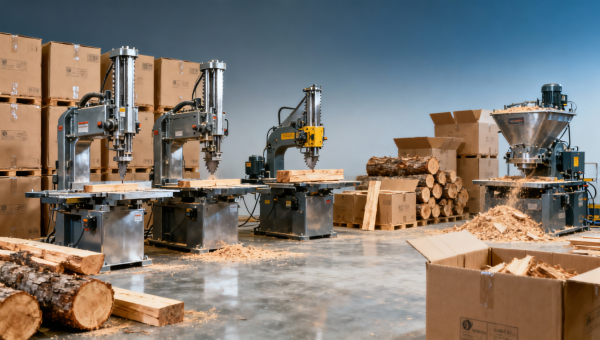
When band sawmills bulk orders accelerate production plans, they can also trigger costly storage bottlenecks, site layout conflicts, and longer setup times. For buyers comparing a portable sawmill manufacturer, log splitters wholesale options, stump grinders commercial units, or wood chipper machines wholesale packages, understanding these operational trade-offs is essential before scaling procurement.
In forestry machinery procurement, volume pricing can look attractive on paper, yet the real operational burden often appears after the purchase order is signed. A batch of 10, 20, or 50 machines may improve per-unit cost, but it can also consume yard space, increase handling risk, delay commissioning, and tie up working capital for 30–90 days longer than expected.
For operators, technical evaluators, project managers, distributors, and financial approvers, the key question is not only whether a bulk order is affordable, but whether the site, workflow, labor plan, and service capacity can absorb it. In sectors linked to agricultural and forestry machinery, poor setup planning can erase procurement savings through idle assets, damaged components, and slow deployment.
This article examines why band sawmills bulk orders create storage and setup issues, how those issues affect adjacent equipment categories, and what procurement teams should verify before committing to larger order quantities. The goal is practical: reduce hidden cost, shorten startup time, and keep supply decisions aligned with real operating conditions.
Why bulk purchasing creates operational friction before production begins
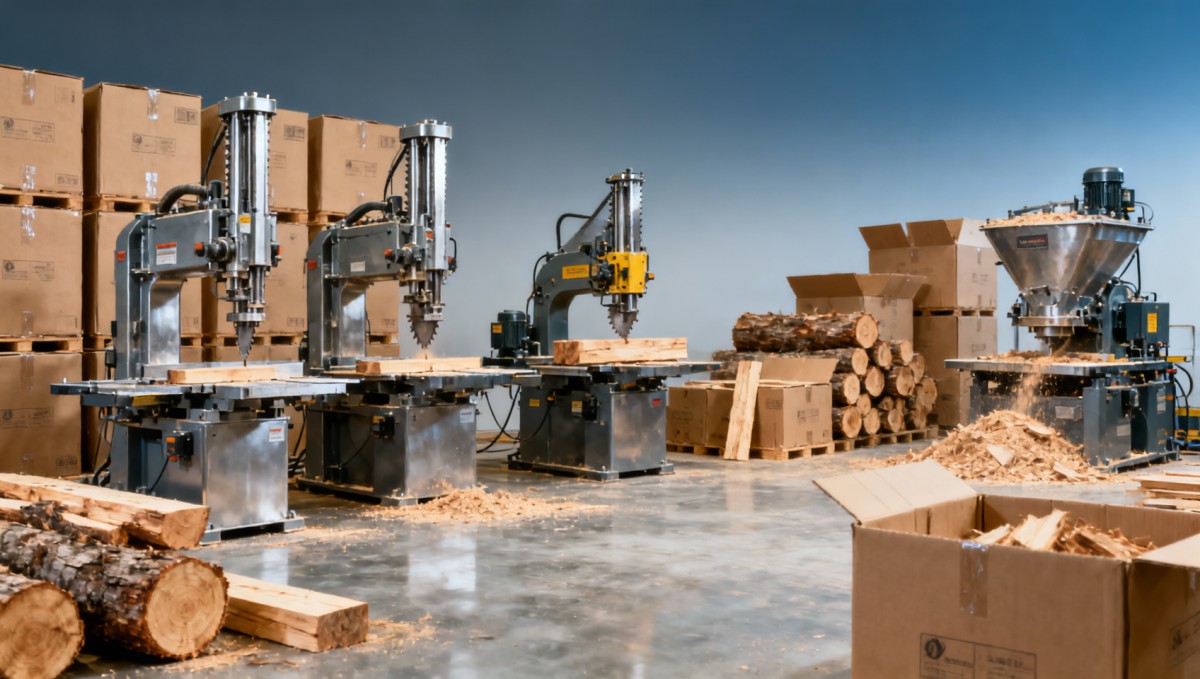
Bulk procurement is usually triggered by seasonal harvesting plans, dealer stocking cycles, or efforts to lock in pricing before freight or steel costs rise. In practice, however, a site prepared for 2–3 saw units may not be ready for 12 units plus accessories, spare blades, hydraulic packs, guarding assemblies, and crated electrical components. The mismatch between purchasing volume and physical readiness is where delays begin.
A single portable or semi-stationary band sawmill package can require 12–25 square meters of protected floor or covered yard space, depending on frame length and packing design. Once buyers add wholesale log splitters, stump grinders commercial units, or wood chipper machines wholesale shipments into the same inbound window, storage demand can rise by 30%–70% over the original estimate.
Setup issues are equally common. Machines may arrive in staged crates to reduce freight cost, but this means assembly sequencing matters. If operators unpack in the wrong order, they can block forklift paths, misplace calibration parts, or expose sensitive components to moisture for 7–14 days. What looked like a simple receiving task turns into a project with dependencies.
Decision-makers should also recognize that bulk orders shift risk upstream and downstream at the same time. Upstream, suppliers may ask for faster unloading or shorter free-storage windows. Downstream, internal teams must absorb installation, inspection, operator training, and commissioning in parallel. Without a structured rollout plan, the first machine may be production-ready while the remaining units sit idle for weeks.
Common causes of storage pressure
- Underestimating crate dimensions, especially for extended rails, conveyors, and optional feeding tables.
- Allocating indoor space for only the main machine while ignoring consumables, blade stock, oils, and maintenance kits.
- Scheduling multiple forestry equipment categories to arrive within the same 3–5 day window.
- Using shared warehouse space where forklifts, pallets, and outbound materials already occupy 60%–80% of usable area.
How setup delays usually appear
The first sign is often not a technical fault but a coordination failure. Electrical contractors may be booked for only 1 line, while 4 machines need power verification. Operators may be trained on one saw configuration, yet delivered units include optional hydraulics or different rail lengths. Quality and safety staff may also need extra time to inspect guarding, emergency stops, and lockout procedures before startup.
These seemingly small gaps can extend commissioning from a planned 2–3 days per unit to 5–8 days. Across a 10-unit order, that difference can create a 3–5 week delay in usable capacity, especially where one team is responsible for receiving, assembly, and first-run testing.
Space planning and site layout: the hidden cost center in band sawmills bulk orders
Site layout is often reviewed after the procurement decision, when it should be reviewed before order confirmation. A band sawmill is not only a machine footprint; it includes infeed, outfeed, log staging, blade change clearance, operator movement, maintenance access, and safe forklift circulation. If those zones overlap, setup slows and safety risk rises.
For mixed fleets that include a portable sawmill manufacturer package and supporting processing equipment, layout congestion becomes more complex. Log splitters wholesale units often require separate material flow because split timber and saw logs do not move through the site at the same speed. Wood chipper machines wholesale packages may need their own feed zones, chip discharge area, and dust or debris management plan.
A practical rule is to reserve at least 1.5 to 2 times the machine footprint for staging and access during the installation phase. During normal operation, some facilities can compress this ratio, but during receiving and setup the space requirement is higher because crates, tools, lifting gear, and temporary safety barriers are all present simultaneously.
The table below outlines typical site planning considerations by equipment type. These are not fixed specifications, but useful planning ranges for technical assessment and project budgeting.
The key takeaway is that bulk orders should be evaluated as a site system, not as separate machine counts. When layout is modeled early, buyers can decide whether to receive all units in one shipment, split delivery into 2–3 batches, or use distributor warehousing as a temporary buffer.
A four-point layout review before issuing the PO
- Measure available receiving, unpacking, and assembly space separately rather than using total warehouse area.
- Check forklift turning radius, door height, and unloading sequence for long-frame equipment.
- Map utility access, including power drops, hydraulic service needs, drainage, and lighting.
- Reserve quarantine space for incoming inspection so damaged or incomplete shipments do not disrupt the full site.
Setup sequencing, labor allocation, and commissioning timelines
Even when space is adequate, band sawmills bulk orders can stall if setup sequencing is weak. Installation teams often focus on mechanical assembly first, but in reality the sequence should include unloading, part verification, preservation checks, assembly, alignment, utility connection, dry testing, safety validation, and operator handover. Missing one step can force rework across multiple units.
For a medium-sized order, a realistic commissioning plan may involve 3 phases over 2–6 weeks. Phase 1 covers receipt inspection and storage control. Phase 2 covers mechanical and electrical setup. Phase 3 covers performance verification, safety sign-off, and operator training. Compressing all three phases into a few days is only feasible when the order size is small and the site is already configured for identical machines.
Labor planning is often underestimated. One installed unit may only require 2–3 technicians and 1 operator lead, but 8 units delivered together can require a coordinated team of 6–10 people if the target is to complete setup without congestion. This is especially true when buyers also receive stump grinders commercial units or chippers that require separate startup checks and tool installation.
Financial approvers should pay attention to the idle-cost effect. If a machine remains uncommissioned for 21 days, the landed cost is already on the balance sheet while the asset is not yet generating output. For capital equipment buyers, this matters as much as the unit discount achieved through bulk ordering.
Indicative setup timeline by batch size
The following comparison helps procurement teams estimate whether a single delivery block is realistic or whether staged delivery is operationally safer.
For most mixed-equipment sites, the 4–8 unit range is the tipping point where project management discipline becomes mandatory. At that scale, receiving and setup should be treated as a controlled implementation program rather than a warehouse task.
Practical controls that shorten setup time
- Request a packing list linked to assembly sequence, not just carton count.
- Pre-assign each unit to a marked storage and installation zone before delivery trucks arrive.
- Schedule utility contractors and safety inspectors within the same 48-hour window as mechanical completion.
- Train operators in batches of 4–6 people so initial production can begin while later units are still being assembled.
Procurement strategies that reduce storage and setup risk
The best response to storage pressure is not always a smaller order. In many cases, buyers still benefit from bulk pricing if they negotiate delivery structure, documentation quality, and service support correctly. The objective is to preserve commercial advantage while reducing operational overload.
One effective method is phased inbound scheduling. Instead of receiving 12 units in one week, a buyer may contract the same volume but split the shipment into 3 releases over 30–45 days. This approach often reduces yard congestion, lowers moisture exposure risk, and aligns setup with available technicians. It also improves incoming inspection quality because teams are not rushing through multiple crates at once.
Another strategy is supplier-side pre-assembly. For some equipment types, partial pre-installation of guides, hoses, controls, or frames can reduce onsite labor by 15%–25%. Buyers should balance this against freight efficiency and crate dimensions, since higher factory assembly may increase transport volume. The correct choice depends on site constraints, labor cost, and installation urgency.
Distributors and resellers should also consider buffer warehousing. If end users cannot absorb the full order immediately, the channel partner can hold part of the stock for 2–8 weeks and release it according to site readiness. This is especially useful when a dealer is sourcing from a portable sawmill manufacturer alongside complementary wholesale equipment for a broader product package.
Decision factors to compare before committing to bulk volume
The table below helps align procurement, operations, and finance around the most important trade-offs.
These procurement controls help buyers move from price-led decisions to deployment-led decisions. That shift is often what prevents the most expensive mistakes in bulk equipment acquisition.
Risk signals that should trigger a revised buying plan
- No documented site layout exists before the order is placed.
- The supplier cannot provide unit-level packing, spare parts, or startup documentation.
- The buyer expects one team to unload, assemble, inspect, and train operators simultaneously.
- More than 25% of the order will remain uninstalled beyond the first month after delivery.
FAQ for buyers evaluating bulk sawmill and forestry equipment orders
How do I know whether a bulk order is too large for my site?
Start with three checks: available covered storage, weekly installation capacity, and utility readiness. If your site can only commission 2 units per week but you are receiving 10 units at once, the mismatch is clear. As a working guide, if more than one-third of the shipment will sit untouched for over 14 days, the order is likely too concentrated for the current site plan.
Is staged delivery more expensive than a single bulk shipment?
It can increase freight or handling cost per batch, but that added cost may be lower than the expense of congestion, weather exposure, equipment damage, and delayed commissioning. Many buyers find that a 5% logistics premium is acceptable if it prevents 2–4 weeks of lost deployment time or the need for temporary warehousing.
What should technical evaluators request from a supplier before approving a large order?
Ask for detailed packing dimensions, unit weights, installation prerequisites, utility requirements, and startup checklists. For a portable sawmill manufacturer or supplier of wood processing equipment, it is also useful to request blade handling guidance, lubrication points, torque checks, and recommended spare parts for the first 6–12 months of operation.
Which teams should be involved before finance signs off?
At minimum, procurement, operations, maintenance, safety or quality, and the project lead should review the order together. If distribution is involved, the warehouse or dealer logistics team should be included as well. This cross-functional check usually takes less than 1 week and can prevent much larger cost exposure later.
Band sawmills bulk orders can be commercially attractive, but only when storage, site layout, labor planning, and commissioning support are considered with the same discipline as unit price. Buyers evaluating log splitters wholesale packages, stump grinders commercial fleets, or wood chipper machines wholesale deals should treat deployment readiness as a core procurement metric, not a post-purchase detail.
For enterprises, distributors, and project teams seeking a more reliable equipment sourcing strategy, a structured review of space, setup sequence, and phased delivery can protect both capital efficiency and operational continuity. To discuss procurement planning, technical content opportunities, or tailored industry intelligence for forestry and primary processing equipment, contact AgriChem Chronicle to get a more informed solution path.
Related Intelligence
- Forestry EquipmentWhat to Check Before Buying Used Forestry EquipmentForestry equipment buyers: learn what to check before buying used units, from engine hours and hydraulics to safety, parts support, and Supply Chain Transparency.
- Forestry EquipmentBand sawmills in bulk: where downtime costs really add upBand sawmills bulk buying reveals how downtime drives real costs. Compare portable sawmill manufacturer support, log splitters wholesale, and wood chipper machines wholesale for better uptime.
- Forestry EquipmentPortable sawmill manufacturer claims that deserve a closer lookPortable sawmill manufacturer insights for buyers comparing band sawmills bulk, log splitters wholesale, stump grinders commercial, and wood chipper machines wholesale.
The Morning Broadsheet
Daily chemical briefings, market shifts, and peer-reviewed summaries delivered to your terminal.
