

The Authority in Global Agricultural Chemistry & Bio-Resources
What Makes Bulk Zinc Sulfate Easier to Handle in Production
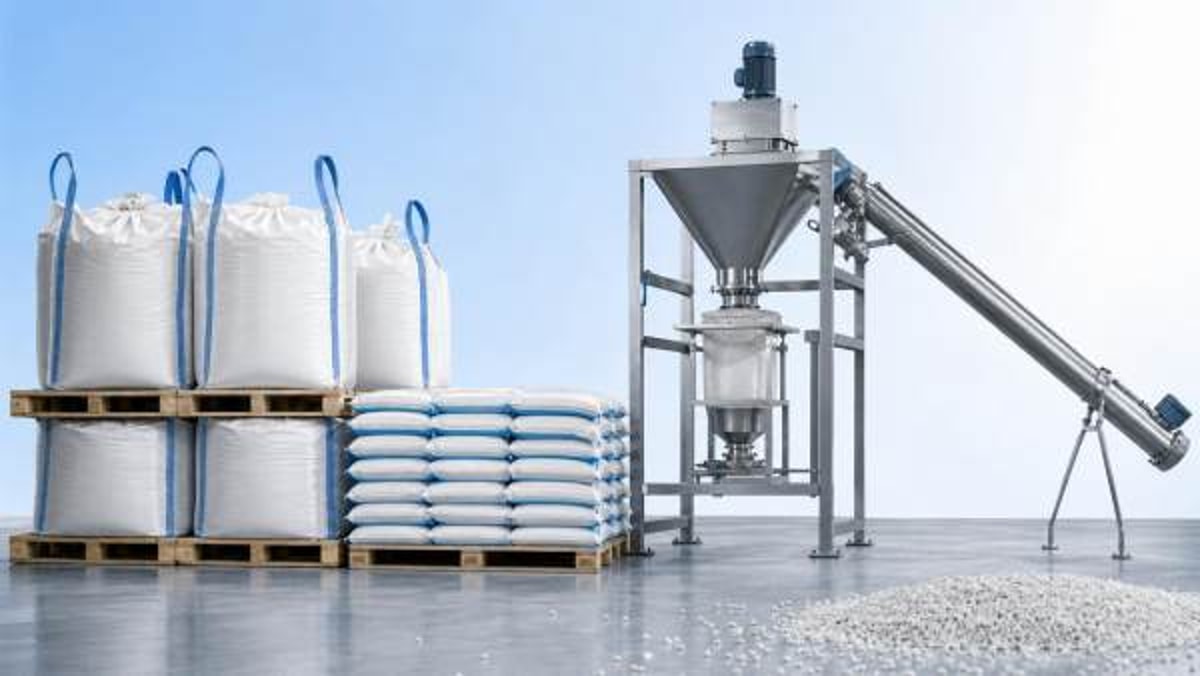
In modern production environments, handling bulk zinc sulfate efficiently can make a measurable difference in safety, consistency, and operational cost. For operators and plant users, factors such as particle uniformity, packaging format, flow behavior, and storage stability all influence how easily this material moves through daily processes. Understanding what improves handling helps teams reduce waste, minimize downtime, and maintain smoother, more reliable production performance.
Why does bulk zinc sulfate become difficult to handle in real production lines?
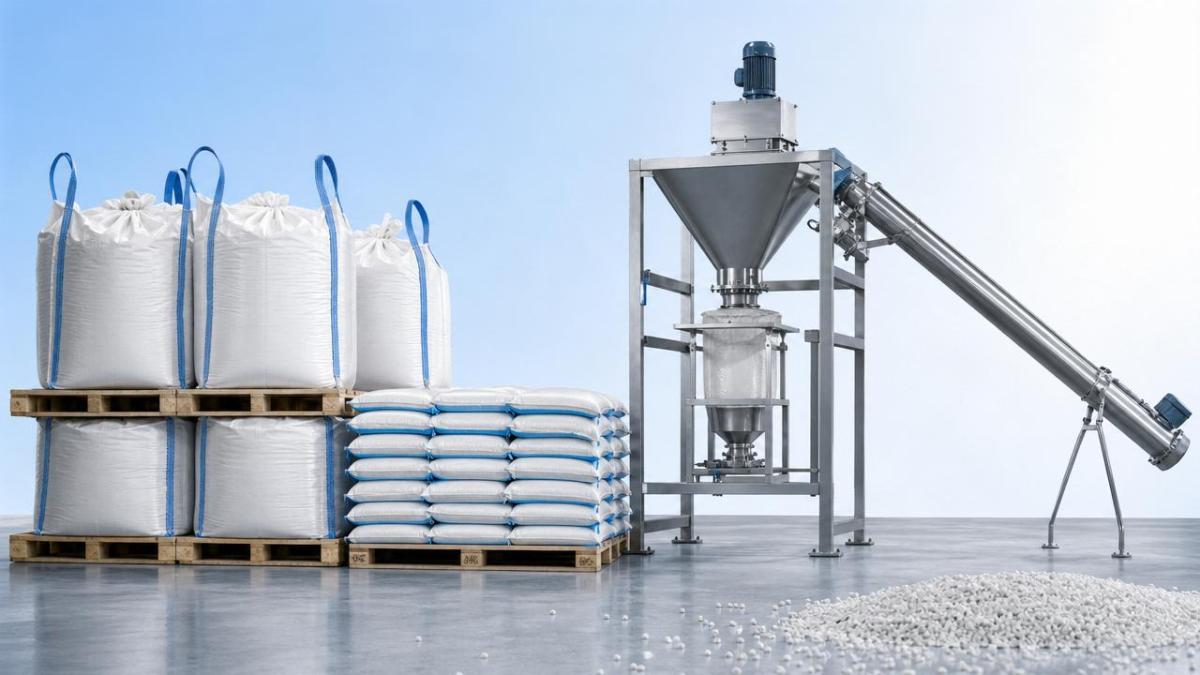
Bulk zinc sulfate looks simple on paper, but operators know that handling performance depends on more than chemical identity. In fertilizer blending, feed processing, water treatment, and fine chemical operations, the same material can behave very differently depending on its moisture level, crystal form, particle size distribution, and packaging method. A product that meets basic assay requirements may still create dust, bridge in hoppers, compact during storage, or feed unevenly into downstream equipment.
That gap between specification and usability is where production losses usually appear. When bulk zinc sulfate does not flow consistently, operators often compensate manually. They break clumps, adjust feeder settings, clean transfer points more often, and spend extra time checking dosing accuracy. These small disruptions accumulate into throughput losses, housekeeping burdens, and avoidable safety exposure.
Across primary industries and fine chemical supply chains, handling ease matters because operations are increasingly integrated and time-sensitive. A material that unloads well from a bag or bulk container, stores predictably, and meters smoothly into a process line reduces intervention. That is especially relevant for industrial buyers and plant users who manage multiple raw materials under strict quality and compliance expectations.
- Fine particles can create dust clouds, material loss, and inconsistent feeding at screw conveyors or dosing stations.
- Excess moisture can trigger caking, lump formation, and poor discharge from bins, sacks, or super sacks.
- Wide particle distribution can cause segregation during transport, which affects blend uniformity and batch repeatability.
- Weak packaging or poor sealing can allow contamination, humidity ingress, and more cleanup at receiving points.
Which physical characteristics make bulk zinc sulfate easier to handle?
For most users, easy handling begins with physical consistency. In practical terms, bulk zinc sulfate is easier to manage when it has controlled granulation or crystal sizing, low free moisture, limited fines, and stable bulk density. These features improve flowability and help operators maintain predictable material movement from unloading to final dosing.
Granular or well-sized crystalline material usually performs better than highly dusty powder in many industrial settings. It is often less prone to airborne loss during transfer and easier to feed through bins, augers, and volumetric systems. However, the preferred format still depends on the process. Some dissolving systems accept finer grades well, while dry blending operations often benefit from more uniform granules.
Key handling attributes operators should check first
Before approving a supplier or material grade, operators should compare not only the chemical specification but also the handling profile. The table below summarizes the physical features that most directly affect day-to-day use of bulk zinc sulfate in production.
For buyers and users alike, the practical lesson is clear: a technically compliant product is not automatically an operator-friendly product. Handling data should be reviewed alongside assay and purity documents, especially when bulk zinc sulfate is used in automated or semi-automated feeding systems.
How do packaging and unloading methods affect bulk zinc sulfate handling?
Packaging format is one of the most overlooked reasons why bulk zinc sulfate feels easy or difficult to use. A material packed in strong moisture-resistant bags may arrive in much better condition than the same grade in less protective packaging. For plant operators, the correct package is not just a logistics choice. It is part of the material handling system.
In smaller facilities, 25 kg bags can offer flexibility and easier inventory control, but they also increase manual handling, dust release at opening, and labor demand. In larger blending or processing operations, jumbo bags and bulk delivery can reduce repetitive lifting and improve feed continuity, provided the discharge station is designed to prevent bridging and residue retention.
Packaging choice by operating scenario
When selecting a supply format for bulk zinc sulfate, it helps to compare labor, exposure risk, storage footprint, and discharge efficiency. The following table gives a practical framework for production teams.
The right package often lowers hidden costs. Even if a bulk format appears less expensive per ton, discharge losses, residual hold-up, and equipment mismatch can offset that advantage. Operators should ask not only how the bulk zinc sulfate is packed, but how it will actually be emptied, conveyed, and stored on site.
- Check whether inner liners or moisture barriers are used for longer transit routes or humid climates.
- Confirm discharge spout dimensions and compatibility with your bag station or hopper inlet.
- Review whether the package supports clean emptying or tends to retain compacted material in corners.
What should operators evaluate before buying bulk zinc sulfate for routine use?
Procurement teams often focus on price, assay, and delivery time, while operators focus on whether the material runs smoothly in the plant. The best buying decision combines both views. For routine use, bulk zinc sulfate should be assessed as a working raw material, not just a listed commodity.
A practical procurement checklist
- Define the actual process step: dry blending, dissolution, direct dosing, premix formulation, or intermediate storage. Each step changes the ideal particle profile.
- Ask for physical handling information, not only chemical certificates. Particle size data, typical moisture range, and packaging details are highly relevant.
- Match package type to unloading equipment. A cheaper format can become expensive if your site needs extra manual work or modification.
- Review storage conditions at your facility, especially humidity, residence time, and stacking practices. These factors influence caking risk.
- Evaluate lot-to-lot consistency. Small variation in bulk zinc sulfate properties can affect feeder settings and quality control workload.
For sectors covered by AgriChem Chronicle, this cross-functional view is increasingly important. Agricultural inputs, feed processing materials, and fine chemicals may move through regulated, audited, and performance-sensitive supply chains. That means procurement decisions must account for supplier transparency, documentation quality, and operational fit at the same time.
Questions worth asking suppliers early
- Is this grade designed for dry handling, dissolution, or both?
- What is the typical fines content after transport, not just at the packing line?
- How does the material perform after several weeks in storage under normal warehouse conditions?
- Can the supplier provide sample quantities for line trials before a full bulk zinc sulfate order?
How can plants reduce downtime and waste when using bulk zinc sulfate?
Even a well-selected product can underperform if the plant setup is not aligned with it. Many handling problems are not caused by zinc sulfate alone, but by the interaction between material properties and equipment geometry. Hopper angle, feeder design, vibration, enclosure quality, and storage duration all matter.
Common improvement actions on the operator side
- Use covered transfer points and local dust extraction where fine bulk zinc sulfate is opened or discharged.
- Avoid extended storage in humid areas, especially after partial package opening or damaged seals.
- Calibrate feeders using actual bulk density from the incoming lot rather than relying only on nominal values.
- Inspect bag discharge stations for dead zones where compacted material can remain and later contaminate the next batch.
- Separate receiving inspection into chemical acceptance and handling acceptance so poor-flow lots are identified early.
These actions are usually less expensive than repeated stoppages or product loss. In mixed industrial environments, where the same site may process fertilizers, feed ingredients, or technical salts, standardizing intake and handling checks for bulk zinc sulfate can improve both operator safety and process reliability.
What compliance and documentation signals matter for industrial buyers?
Handling performance should never be separated from documentation quality. In regulated or audit-sensitive industries, buyers need confidence that bulk zinc sulfate is traceable, correctly described, and suitable for the intended industrial context. The exact documentation required varies by application, but transparent records consistently reduce procurement risk.
AgriChem Chronicle’s audience often works across sectors where GMP-related discipline, environmental oversight, labeling compliance, and supply chain traceability influence purchasing decisions. For that reason, material selection should include a review of technical data, safety information, packing details, and origin transparency rather than relying on price sheets alone.
Documentation points worth confirming
Documentation does not replace plant trials, but it reduces uncertainty. When bulk zinc sulfate is sourced for recurring production, suppliers that can clearly explain both product characteristics and handling implications usually create fewer surprises after delivery.
What are the most common misconceptions about bulk zinc sulfate?
“If the assay is correct, the material will run fine.”
Not necessarily. Chemical conformity does not guarantee flow performance, dust behavior, or stable feeder response. Bulk zinc sulfate must fit the actual equipment and operating environment.
“Powder is always better because it dissolves faster.”
Finer material can support dissolution, but it may also generate more dust, loss, and compaction. Plants should balance dissolution speed against containment, handling labor, and feeder stability.
“Bulk delivery always lowers total cost.”
Only when site infrastructure is ready. If a facility lacks suitable discharge, ventilation, or storage control, bulk supply can create residue, cleanup, and off-spec risks that outweigh the freight advantage.
FAQ: what do users ask most often about bulk zinc sulfate?
How do I know which bulk zinc sulfate grade fits my process?
Start with the process step. If you need dry blending or controlled dosing, prioritize particle uniformity, low dust, and stable bulk density. If your process is dissolution-based, evaluate solubility behavior alongside dust control and storage stability. A plant trial with a representative sample is usually the safest route before full-scale purchasing.
What causes caking during storage?
The main drivers are humidity exposure, free moisture, long storage duration, and pressure from stacking. Damaged packaging can accelerate the problem. Bulk zinc sulfate should be stored in dry, well-managed conditions with attention to package integrity and stock rotation.
Is jumbo bag supply better than small bags?
It depends on plant layout and labor model. Jumbo bags often improve containment and reduce manual handling, but they require proper lifting and discharge equipment. Smaller bags offer flexibility for short runs and smaller batches, though they typically increase labor and dust exposure.
What should be confirmed before requesting a quotation?
Clarify the intended use, target particle profile, package type, required documents, annual or monthly volume, delivery location, and whether sample evaluation is needed. A more detailed RFQ usually leads to a better-matched bulk zinc sulfate offer and fewer changes after ordering.
Why choose us for bulk zinc sulfate market intelligence and sourcing guidance?
AgriChem Chronicle supports industrial buyers, operators, and technical teams with decision-ready insight across fine chemicals, agricultural processing, feed systems, and related primary industries. Our strength is not generic product listing. It is the ability to connect material properties, operational realities, documentation needs, and supply chain context in one clear evaluation framework.
If your team is assessing bulk zinc sulfate for routine production, we can help you narrow the right discussion points before purchase and implementation. That includes parameter confirmation, packaging suitability, handling risk review, documentation priorities, and supplier comparison criteria aligned with your actual operating scenario.
- Confirm which physical parameters matter most for your application and equipment.
- Compare package formats based on labor, discharge efficiency, and storage conditions.
- Review expected delivery cycles, lot consistency concerns, and sampling options.
- Discuss documentation expectations, compliance signals, and traceability requirements.
- Request guidance for supplier screening, quotation alignment, and line-trial planning.
For operations where uptime, clean handling, and predictable dosing matter, the right bulk zinc sulfate decision starts with better questions. Contact us to discuss product selection, delivery format, certification expectations, sample support, and quotation communication tailored to your production environment.
Related Intelligence
- AgrochemicalsChina’s Hazardous Chemicals Safety Law Takes Effect May 2026China’s Hazardous Chemicals Safety Law (2026) mandates GS1 digital labels for agrochemical exports—ensuring traceability, EU CLP compliance & temperature control. Act now to avoid port delays!
- AgrochemicalsWholesale Copper Sulfate: Crystal Form Can Change HandlingWholesale copper sulfate handling depends heavily on crystal form. Learn how size and moisture affect flow, dust, dissolution, safety, and smarter bulk purchasing decisions.
- AgrochemicalsWholesale Potassium Nitrate and the Timing Mistake to AvoidWholesale potassium nitrate buying at the wrong season can raise costs and disrupt supply. Learn the timing mistake to avoid and how smarter planning protects efficiency.
The Morning Broadsheet
Daily chemical briefings, market shifts, and peer-reviewed summaries delivered to your terminal.
