

The Authority in Global Agricultural Chemistry & Bio-Resources
Wholesale Shea Butter: Refined or Unrefined for Product Lines
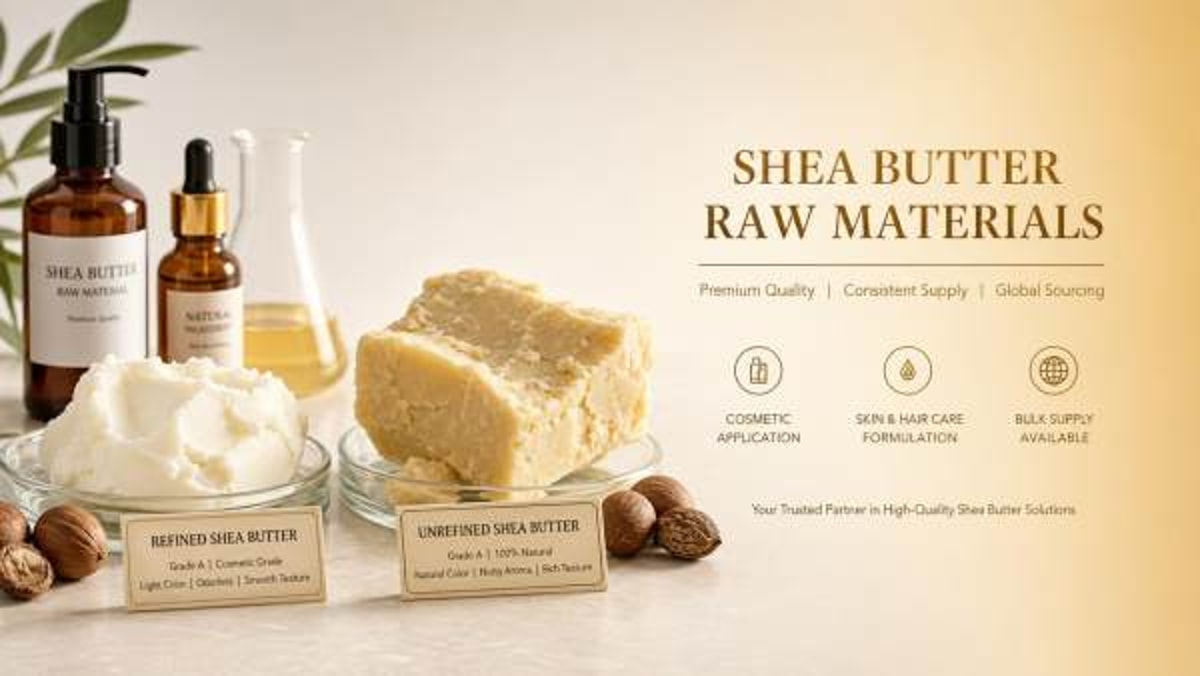
For brands evaluating wholesale shea butter for cosmetics, personal care, or specialty formulations, the choice between refined and unrefined grades directly affects product positioning, stability, cost control, and consumer appeal. This article examines the technical, commercial, and sourcing factors that help business decision-makers select the right shea butter type for scalable, compliant, and competitive product lines.
Understanding wholesale shea butter in a commercial context
In industrial and branded product development, wholesale shea butter is more than a simple natural ingredient. It is a functional lipid used in moisturizers, soaps, body butters, hair care systems, lip products, massage formulations, and a growing number of clean-label and bio-based blends. Derived from the nut of the shea tree, it is valued for emolliency, oxidative behavior, texture contribution, and consumer familiarity. For enterprise buyers, however, the central issue is not whether shea butter is useful, but which grade best aligns with formulation strategy, compliance demands, and market positioning.
The refined versus unrefined distinction matters because it changes several practical variables at once: color, odor, sensory profile, level of visible processing, ingredient storytelling, consistency in manufacturing, and compatibility with fragrances or active ingredients. A procurement director evaluating wholesale shea butter for a mass-market lotion line may reach a different conclusion than a founder building a premium botanical skincare range. Both decisions can be correct if the chosen material fits the intended application and commercial model.
Why the market pays close attention to refined and unrefined grades
Across beauty, personal care, and specialty ingredient markets, buyers face pressure from several directions at once: consumers want natural origin and transparent sourcing; retailers expect stable performance and low defect rates; regulators demand accurate labeling and traceability; and manufacturers need manageable input costs. This is why wholesale shea butter has become a strategic purchasing topic rather than a routine raw material choice.
Unrefined shea butter is often associated with authenticity, minimal processing, and a stronger natural identity. Refined shea butter is often favored for neutrality, consistency, and easier integration into highly controlled formulations. In regulated or export-driven markets, the right decision also depends on documentation quality, contaminant control, allergen review, and supplier transparency. For business decision-makers, the challenge is to avoid oversimplified assumptions such as “unrefined is always premium” or “refined is always lower value.” Market value comes from fitness for purpose.
What refined and unrefined shea butter usually mean
Unrefined shea butter typically undergoes minimal processing after extraction. It usually retains a beige to yellow tone, a nutty or smoky aroma, and more of its native identity. Depending on origin and handling, it may also show greater variation between lots. Refined shea butter has generally been processed to reduce color, odor, and impurities, resulting in a whiter or cream-colored material with a more neutral scent and a more uniform profile.
That said, commercial definitions are not always identical across suppliers. One company’s “raw,” “natural,” or “lightly refined” product may not match another supplier’s terminology. Serious buyers of wholesale shea butter should therefore review technical data sheets, certificate of analysis parameters, refining method descriptions, microbiological standards, and packaging controls instead of relying on marketing labels alone.
Business value by product line strategy
When companies assess wholesale shea butter, they should start with the role the ingredient plays in the product portfolio. For some brands, shea butter is a hero ingredient highlighted on the front label. For others, it is one component among many in a broader emulsion system. This distinction changes the commercial logic of the decision.
Unrefined material may strengthen claims around authenticity, traditional processing, botanical richness, and sensory distinctiveness. It can support niche positioning in natural skincare, eco-conscious product ranges, or direct-to-consumer brands where ingredient story has strong selling power. Refined material, on the other hand, supports repeatability. It is often easier to standardize across production runs, especially when fragrance profile, color control, and compatibility with other ingredients are critical to customer acceptance.
This means the most profitable use of wholesale shea butter is not determined by ideology but by margin structure, defect tolerance, channel expectations, and brand architecture. A retailer-driven line sold in multiple climates may prioritize consistency. A premium body butter marketed for its raw botanical identity may prioritize sensory authenticity and source traceability.
Typical application categories and decision patterns
Different formulations create different tolerances for odor, color, graininess, and raw material variability. Evaluating wholesale shea butter by application category helps decision-makers narrow the options quickly and reduce trial-and-error costs.
Technical and operational issues that shape the choice
For enterprise teams, ingredient selection should move beyond appearance and claims language. First, review melting behavior and texture performance under expected storage and transport conditions. Shea butter can crystallize differently depending on processing and temperature history, which affects filling, spreadability, and end-user experience. Second, evaluate odor interaction with your fragrance system. In premium skincare, even a mild native aroma can influence final product perception.
Third, examine batch-to-batch consistency. Large production programs need predictable color, acid value, peroxide value, and microbiological profile. Fourth, confirm packaging, shelf-life data, and storage recommendations, especially for cross-border shipping. Finally, consider production yield. A lower-cost lot of wholesale shea butter may generate hidden expense if it creates filtration issues, reformulation work, sensory complaints, or elevated returns.
Organizations publishing technical content or sourcing analysis, such as specialist journals in agriculture, biochemicals, and ingredient processing, increasingly emphasize these deeper operational criteria because they determine whether an attractive raw material can truly perform at scale. In that sense, the refined versus unrefined question is part of a broader supply chain intelligence challenge.
Sourcing, compliance, and supplier transparency
The commercial value of wholesale shea butter depends heavily on supplier quality systems. Decision-makers should request origin information, extraction or refining details, allergen statements, contaminant screening, and relevant certification support where applicable. Depending on the destination market and product type, documentation may need to align with cosmetic regulations, food-adjacent handling standards, or customer-specific vendor approval requirements.
Traceability also has strategic importance. In a market where buyers increasingly scrutinize sustainability and ethical sourcing, supplier transparency can strengthen both compliance and brand equity. This is particularly relevant for institutional purchasers, multinational brand groups, and contract manufacturers that need defensible sourcing records. The best wholesale shea butter supplier is not simply the one with the lowest price, but the one able to support technical review, consistent fulfillment, and audit-ready documentation.
Practical selection guidance for decision-makers
A practical framework can simplify evaluation. If your product line depends on a strong natural story, visible ingredient differentiation, or minimalist positioning, begin by testing unrefined shea butter in small pilot runs and monitor fragrance, color, and stability implications. If your line requires broad retail consistency, a polished sensory profile, and easy integration with other actives, refined shea butter will often reduce risk.
It is also useful to segment purchasing by product family rather than selecting one grade for the entire portfolio. Many successful brands buy wholesale shea butter in more than one specification: refined for emulsions and fragranced products, unrefined for signature balms or limited-edition natural ranges. This portfolio-based approach can improve both commercial flexibility and storytelling depth.
Before final approval, cross-functional review is essential. Procurement should assess supplier reliability and landed cost. R&D should validate performance. Quality teams should verify documentation and specifications. Marketing should confirm whether the ingredient grade matches the promised customer narrative. Alignment across these functions prevents expensive disconnects later in launch or scale-up.
Common questions from enterprise buyers
Is unrefined shea butter always better for premium products?
No. Premium can mean natural authenticity, but it can also mean elegant texture, fragrance clarity, and flawless consistency. The right wholesale shea butter depends on what “premium” means in your category and target market.
Does refined shea butter reduce product differentiation?
Not necessarily. Refined grades may create a better platform for differentiated actives, fragrance design, packaging aesthetics, and performance claims. Differentiation can come from formulation architecture as much as from raw ingredient appearance.
What should buyers verify before placing larger orders?
Review technical specifications, sample consistency, production lead times, packaging format, documentation quality, traceability, and the supplier’s capacity to maintain stable output over time. For wholesale shea butter, scale reliability is as important as initial sample quality.
A balanced path forward
For most companies, the refined versus unrefined decision should be made at the product-line level, not through broad assumptions. Unrefined wholesale shea butter can strengthen natural positioning and ingredient storytelling. Refined wholesale shea butter can improve formulation control, aesthetic consistency, and manufacturing efficiency. Both can create value when matched to the right commercial objective.
Business leaders who approach wholesale shea butter through technical fit, customer expectation, and supply chain transparency will be better positioned to build resilient, compliant, and profitable product lines. If you are reviewing suppliers or planning a multi-SKU launch, start with clear application priorities, validate specifications early, and select the shea butter grade that supports both your brand promise and your operational reality.
Related Intelligence
- Natural IngredientsCosmetic Grade Mica Powder: Natural Look or Better Coverage?Cosmetic grade mica powder explained: discover whether it creates a natural glow or supports better coverage, with skin-type tips and smart makeup-buying guidance.
- Natural IngredientsHow Bulk Carrier Oils Change Texture, Absorption, and CostBulk carrier oils shape texture, absorption, stability, and price across skincare, supplements, and food. Discover how to choose smarter, compare value, and avoid costly formulation mistakes.
- Natural IngredientsBulk Beeswax Pellets or Blocks: Which Fits Faster ProductionBulk beeswax pellets usually fit faster production with easier dosing, quicker charging, and more consistent melting. Compare pellets vs blocks to choose the most efficient format.
The Morning Broadsheet
Daily chemical briefings, market shifts, and peer-reviewed summaries delivered to your terminal.
