

The Authority in Global Agricultural Chemistry & Bio-Resources
Cosmetic Grade Mica Powder: Natural Look or Better Coverage?
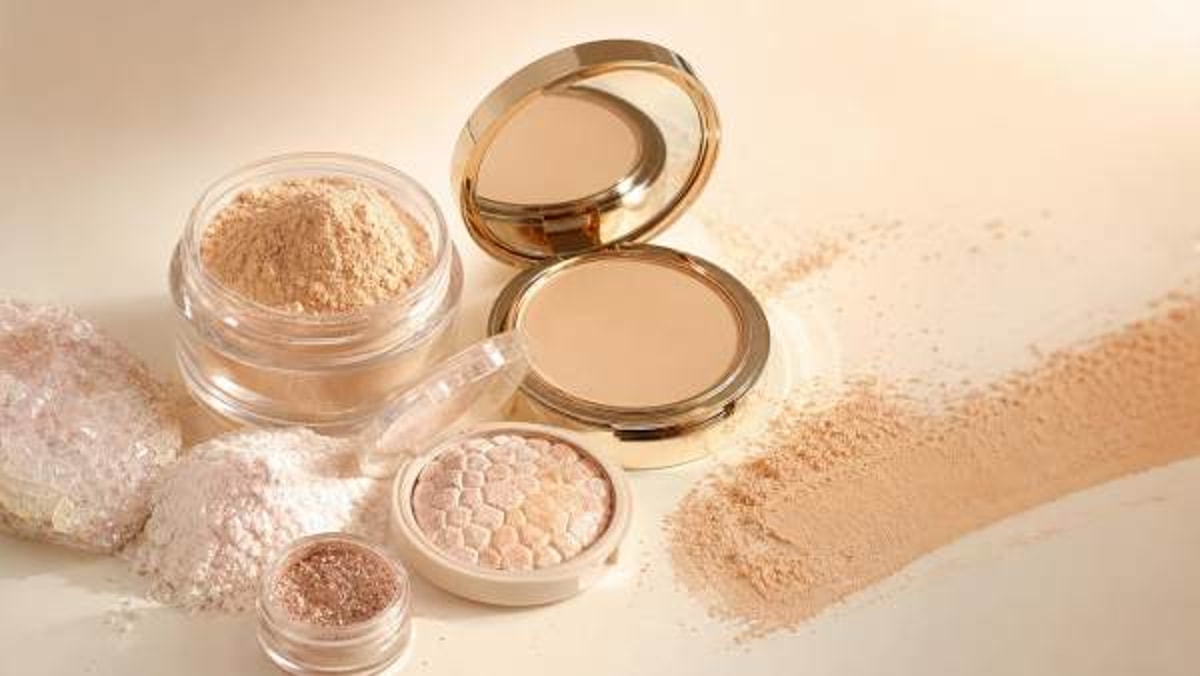
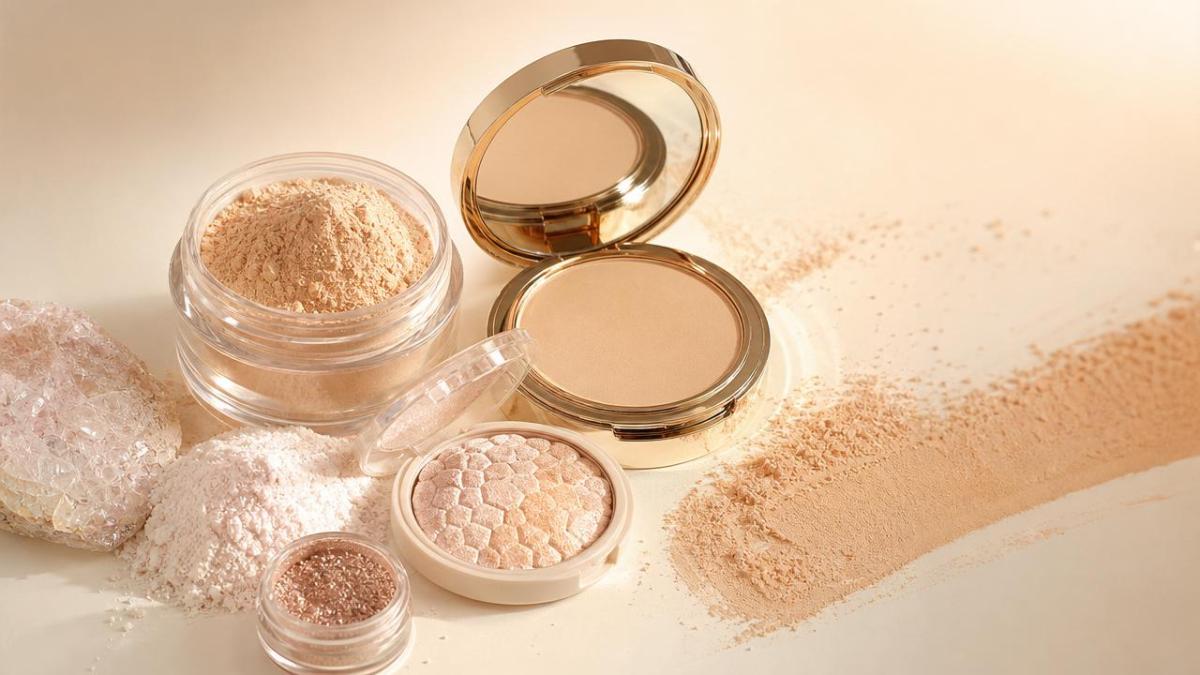
From subtle radiance to buildable opacity, cosmetic grade mica powder plays a key role in how makeup looks and feels on the skin. But does it deliver a more natural finish, or can it also improve coverage in a meaningful way? Understanding its texture, light-reflecting properties, and formulation impact helps consumers choose products that match both their beauty goals and skin preferences.
Why the Answer Depends on the Makeup Scenario
When shoppers search for cosmetic grade mica powder, they often expect a simple answer: natural look or better coverage. In practice, the result depends on where the mica appears, how much is used, what it is blended with, and what kind of finish the wearer wants. A sheer daytime tinted moisturizer, a satin pressed powder, a full-glam foundation, and a highlighting stick can all contain cosmetic grade mica powder, yet perform very differently on skin.
That is why scenario-based judgment matters. For some consumers, “natural” means skin still looks like skin, with soft light diffusion and no heavy mask effect. For others, “better coverage” means redness looks less visible, pores appear blurred, and the complexion looks more even in photos or under office lighting. Cosmetic grade mica powder can support both goals, but it rarely works alone. It usually acts as a texture enhancer, luminosity booster, slip agent, and optical blurring ingredient rather than a direct substitute for strong pigment coverage.
For end consumers, the smarter question is not whether cosmetic grade mica powder is universally better for naturalness or coverage. The better question is: in which beauty scenario does it improve the result you care about most?
How Cosmetic Grade Mica Powder Behaves on Skin
Cosmetic grade mica powder is valued because it reflects light in a refined way. Depending on particle size, coating, and concentration, it can create soft radiance, a satin effect, or visible shimmer. In complexion products, this light interaction can make skin appear smoother and fresher. In eye, lip, and cheek products, it can add dimension and a polished finish.
However, its contribution to coverage is more indirect. True coverage usually comes from pigments such as iron oxides and titanium dioxide, combined with film formers and binders that help product stay evenly on the skin. Cosmetic grade mica powder can make coverage look more graceful by reducing flatness, softening hard edges, and improving blendability. It may help a medium-coverage product appear more forgiving and skin-like, but it does not automatically turn a sheer formula into a high-coverage one.
This distinction matters when comparing products in stores or online. A luminous formula with cosmetic grade mica powder may look better in swatches, yet still offer less spot-concealing power than a matte formula built around denser pigments.
Quick Comparison: Natural Finish vs Coverage-Focused Use
The table below helps consumers judge where cosmetic grade mica powder tends to shine and where expectations should stay realistic.
Scenario 1: Minimal Makeup and the “My Skin but Better” Look
This is the strongest use case for cosmetic grade mica powder. Consumers who want light makeup for commuting, casual social settings, or daily errands usually prioritize comfort, easy blending, and a finish that does not sit heavily on the face. In this scenario, cosmetic grade mica powder helps the complexion look fresher without demanding full coverage.
A skin tint or sheer foundation with cosmetic grade mica powder often works well because the ingredient can scatter light across the surface, making minor unevenness less obvious. Fine lines may look softer, and dry areas may appear less chalky than with an ultra-matte base. If your concern is mild dullness rather than strong discoloration, mica-containing formulas are often a smart fit.
Best match: normal, dry, or combination skin seeking radiance. Use caution if you have pronounced texture or very oily skin, because some luminous products can make pores or midday shine more noticeable.
Scenario 2: Office Makeup That Needs to Look Polished, Not Heavy
For professional settings, many consumers want a complexion that reads neat and awake under mixed lighting. Here, cosmetic grade mica powder can be useful in moderate amounts. It helps foundation spread smoothly, can reduce a powdery finish, and often gives enough life to the skin so the makeup does not appear flat in person.
In this scenario, the winning formula is usually satin rather than overtly glowy. Too little mica may leave a base looking dull; too much can create obvious reflectivity that feels less workplace-friendly. If your makeup goal is even skin tone with believable texture, look for descriptions such as “soft-focus,” “radiant satin,” or “natural finish.” These products often use cosmetic grade mica powder to bridge the gap between bare-skin realism and practical coverage.
Best match: consumers who need light-to-medium coverage for redness, fatigue, or mild discoloration but do not want a mask-like look during long workdays.
Scenario 3: Event Makeup, Photography, and Fuller Coverage
Special occasions shift the priority. Weddings, evening events, and photos often demand a more perfected complexion. In these cases, cosmetic grade mica powder still has value, but not as the main source of coverage. Instead, it helps prevent full-coverage products from looking dry, overly matte, or lifeless under flash and strong lighting.
Consumers sometimes assume a luminous product covers more because it looks richer on the hand. In reality, high-performance event makeup depends more on pigment balance, adhesion, and layering compatibility. Cosmetic grade mica powder can improve visual softness and wear comfort, but strong spot correction still requires concealer, denser foundation, or color-correcting products.
Best match: people who want polished glam with some dimensionality. If flashback, oil control, or long-wear reliability matter most, evaluate the entire formula rather than choosing based only on mica presence.
Scenario 4: Sensitive, Dry, or Mature-Looking Skin
This is an important judgment area because finish and comfort often matter as much as coverage. On dry or mature-looking skin, very matte products can settle into lines and cling to rough patches. Cosmetic grade mica powder can be beneficial here because it often adds slip and a more forgiving surface appearance. A gentle radiance may make the skin look healthier and less tired.
Still, not every mica formula is ideal. Large or visibly sparkly particles can exaggerate texture, especially around the eyes or on uneven areas. Consumers with sensitivity should also focus on the full ingredient list, fragrance level, and product type rather than assuming cosmetic grade mica powder itself determines comfort. A finely milled, well-balanced formula is usually more important than the ingredient name alone.
Best match: consumers who prefer soft luminosity and dislike tight, flat foundation finishes. Patch testing is always wise when skin is reactive.
Scenario 5: Oily Skin, Texture, and Acne-Prone Concerns
This is where buyers need more caution. Cosmetic grade mica powder is not automatically a poor choice for oily or acne-prone skin, but the finish must be matched carefully to the skin’s behavior. On oily complexions, light-reflective ingredients can sometimes amplify shine by midday. On enlarged pores or active texture, a more reflective formula may draw attention to areas the user hoped to blur.
That said, not all mica-based products are highly shiny. Some use very fine cosmetic grade mica powder to create a subtle blurring satin effect rather than obvious glow. In these cases, consumers may still enjoy smoother application and a less chalky appearance compared with very matte formulas. The key is to avoid equating mica with glitter. Texture, particle refinement, and finish description make a major difference.
Best match: oily or combination skin users looking for controlled radiance, especially when paired with targeted mattifying products in the T-zone.
How to Judge Product Fit Before You Buy
If you are comparing products that contain cosmetic grade mica powder, use this scenario-driven checklist instead of relying on marketing language alone:
- Ask whether your main goal is glow, blur, comfort, or actual spot coverage.
- Check the finish label: radiant, satin, natural, demi-matte, or matte.
- Look at close-up swatches on real skin, not just smooth studio images.
- Read whether the formula is buildable or naturally sheer.
- Consider lighting: daylight, office light, flash photography, or evening wear can change how mica appears.
- If you have texture, favor finely milled formulas over obvious shimmer products.
Common Misjudgments Consumers Make
One common mistake is assuming cosmetic grade mica powder equals full coverage. It does not. It can improve the visual elegance of a formula, but pigmentation and formula structure still determine how much discoloration gets hidden.
Another mistake is assuming all mica-based products are too shiny for daily wear. Many modern formulas use cosmetic grade mica powder so subtly that the result is simply smoother and more skin-like, not glittery. A third mistake is ignoring skin type. The same luminous foundation may look beautifully natural on dry skin and overly reflective on oily skin after several hours.
Finally, consumers often forget product layering. A mica-containing primer, radiant foundation, and luminous setting powder used together can create more shine than expected. Sometimes the best approach is balance: use cosmetic grade mica powder in one step of the routine, not every step.
FAQ: Practical Questions About Cosmetic Grade Mica Powder
Does cosmetic grade mica powder make foundation look more natural?
Often yes, especially in sheer to medium-coverage formulas. It can add light diffusion and reduce a flat, heavy appearance.
Can cosmetic grade mica powder improve coverage?
It can improve the appearance of coverage by softening the finish and helping product blend more evenly, but it is not the primary ingredient responsible for strong concealment.
Is cosmetic grade mica powder good for everyday makeup?
Yes, especially for consumers who want comfortable wear, subtle radiance, and a natural finish. The best results come from choosing the right finish for your skin type.
Should oily skin avoid it?
Not necessarily. Oily skin should focus on low-shine or satin products that use cosmetic grade mica powder in a controlled way.
Final Take: Which Scenario Fits You Best?
Cosmetic grade mica powder is usually strongest when the goal is believable skin, smoother texture, and refined radiance. It can also support coverage-focused makeup by making fuller formulas look less flat and more wearable. The deciding factor is not the ingredient alone, but the scenario: daily natural makeup, office polish, event glam, dry-skin comfort, or shine-managed wear.
If you are shopping for your next complexion product, start by defining your real-world use case. Do you want skin to look naturally fresh, or do you need stronger correction for uneven tone? Once you answer that, cosmetic grade mica powder becomes easier to evaluate as a benefit rather than a buzzword. Choose formulas that match your skin behavior, lighting conditions, and finish preferences, and you will get closer to the result that actually suits your everyday beauty routine.
Related Intelligence
- Natural IngredientsCosmetic Grade Mica Powder: Natural Look or Better Coverage?Cosmetic grade mica powder explained: discover whether it creates a natural glow or supports better coverage, with skin-type tips and smart makeup-buying guidance.
- Natural IngredientsHow Bulk Carrier Oils Change Texture, Absorption, and CostBulk carrier oils shape texture, absorption, stability, and price across skincare, supplements, and food. Discover how to choose smarter, compare value, and avoid costly formulation mistakes.
- Natural IngredientsBulk Beeswax Pellets or Blocks: Which Fits Faster ProductionBulk beeswax pellets usually fit faster production with easier dosing, quicker charging, and more consistent melting. Compare pellets vs blocks to choose the most efficient format.
The Morning Broadsheet
Daily chemical briefings, market shifts, and peer-reviewed summaries delivered to your terminal.
