

The Authority in Global Agricultural Chemistry & Bio-Resources
Melamine powder wholesale: import specs that often cause disputes
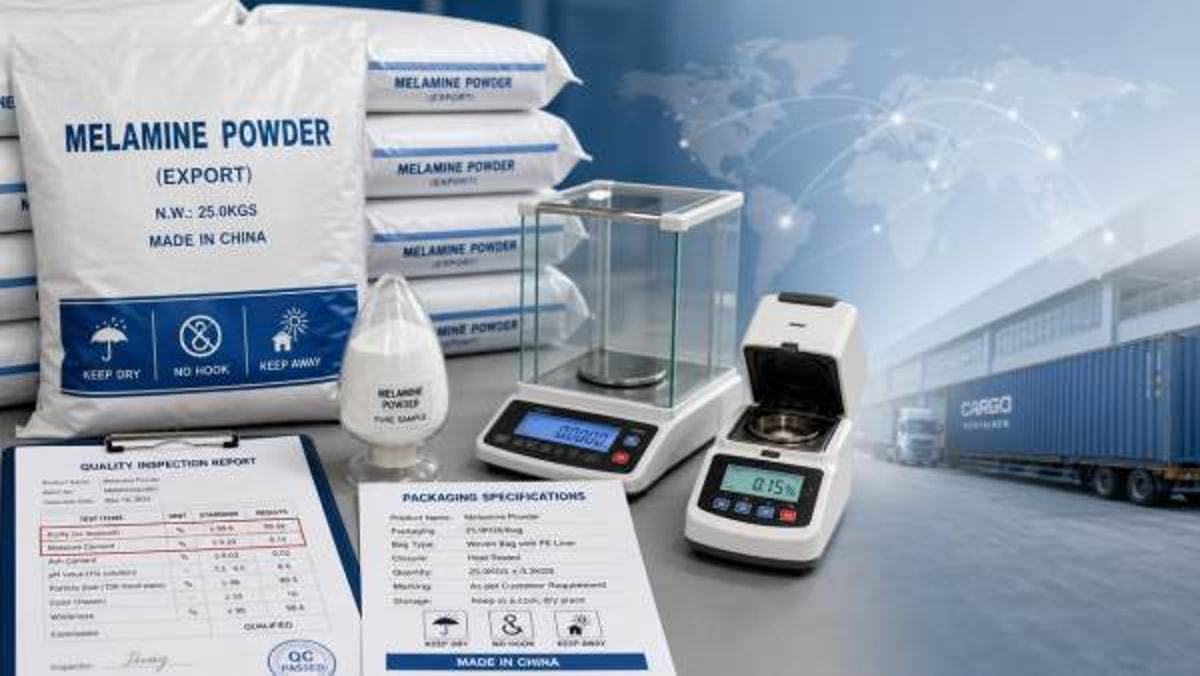
In melamine powder wholesale, import disputes often begin long before cargo arrives—inside vague specs, inconsistent test methods, and poorly defined contract terms. For distributors, agents, and regional resellers, understanding these hidden risk points is essential to protecting margins, compliance, and customer trust. This article examines the import specifications most likely to trigger claims and delays.
For B2B buyers handling cross-border chemical procurement, melamine powder looks straightforward on paper: a commodity with standard purity targets, common packaging formats, and familiar shipping routes. In practice, however, small wording gaps in technical documents can turn a routine shipment into a 2–6 week dispute involving re-testing, storage fees, and rejected downstream orders.
This matters especially for importers serving laminate producers, tableware manufacturers, coating formulators, adhesive blenders, and molding-compound users. In melamine powder wholesale, a dispute over one parameter rarely stays isolated. It often expands into color claims, moisture concerns, customs document reviews, and arguments over whether the delivered lot actually matches the approved sample.
Where Import Disputes Usually Start in Melamine Powder Wholesale
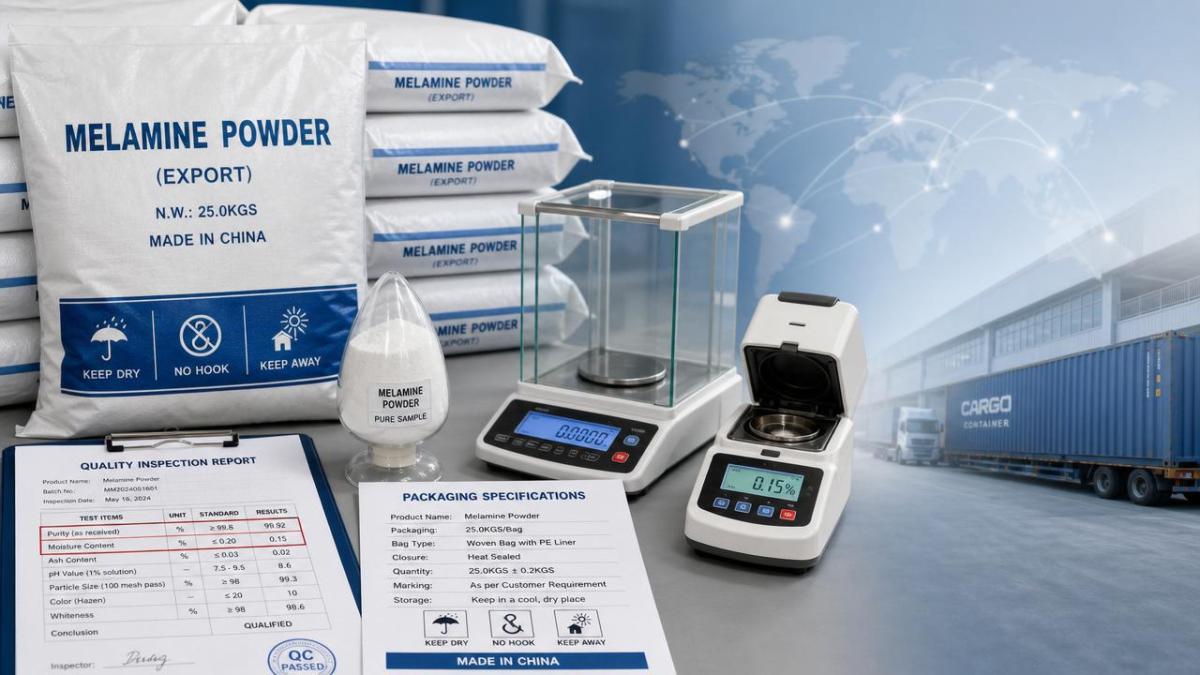
Most disputes begin at one of 4 points: product definition, test method, packaging condition, or claim procedure. A supplier may describe material as “industrial grade melamine powder,” while the buyer expects a specific application profile for resin synthesis or molding use. Without a line-by-line specification sheet, both parties think the contract is clear until the cargo reaches the warehouse.
Distributors and agents should pay attention to the difference between commercial language and technical language. Terms such as “high purity,” “low moisture,” or “good whiteness” are not enforceable unless each is tied to a numeric threshold, a recognized method, and a sampling rule. Even a 0.2% deviation can become commercially significant when the material is being resold to a formulation-sensitive customer.
The 5 specification areas that create the most claims
In melamine powder wholesale, disputes are most common when contracts fail to define these 5 areas clearly:
- Purity content and acceptable tolerance, such as 99.5% minimum versus 99.8% target.
- Moisture level, often expected below 0.1%–0.3% depending on application.
- Ash content, insoluble matter, and appearance criteria.
- Particle size distribution, especially where sieving or flow behavior affects processing.
- Packaging integrity, net weight, and lot traceability documents.
When one or more of these points are written loosely, the importer often loses leverage. The supplier can argue that the delivered lot is “within normal industry range,” while the buyer argues that the lot is unsuitable for resale. That gap is where claims become expensive.
Why sampling and test methods matter more than headline specs
A common mistake is negotiating target values without agreeing on how those values will be measured. For example, if moisture is tested by one lab at shipment and another lab at destination after 18–30 days in transit, the numbers may differ even when the product itself was compliant at loading. Storage humidity, broken inner liners, and delayed port handling can all change the result.
The same issue applies to whiteness, particle size, and insolubles. Unless the contract defines the method, sample preparation, and who bears the cost of a referee test, melamine powder wholesale transactions remain exposed to subjective interpretation.
Minimum documentation importers should request before shipment
Before final payment or release against shipping documents, importers should obtain at least 6 items: commercial invoice, packing list, certificate of analysis, batch or lot number list, declared net weight by package count, and the agreed technical specification sheet signed or acknowledged by both parties. In regulated or sensitive end-use channels, SDS and origin documentation may also be critical.
The table below shows the import specification points that most often lead to claims, along with the practical reason each one becomes contentious in melamine powder wholesale.
The key lesson is simple: claims do not arise only from “bad product.” They often arise from incomplete specification architecture. In melamine powder wholesale, a technically average shipment with strong documentation is often easier to manage than a better-quality shipment sold under vague terms.
Import Specs That Need Tight Contract Language
Importers should translate every major product expectation into enforceable wording. For melamine powder wholesale, that means not only naming the parameter, but also adding 3 supporting elements: test method, sample point, and acceptance threshold. Without these 3 elements, quality claims can turn into open-ended negotiation.
Purity and assay: define minimum, target, and remedy
Purity is often the first number buyers request, but many agreements stop at a single minimum value. A stronger approach is to specify a minimum acceptable level, a commercial target level, and the remedy if the lot falls between them. For example, material that is above the rejection point but below the quoted target may justify a price adjustment rather than full refusal.
This matters because distributors often sell under back-to-back obligations. If your customer purchases on a 99.8% basis but your import contract only protects 99.5% minimum, your margin exposure is already built in before the container departs.
Moisture and storage behavior: link the spec to packaging
Moisture disputes are frequent because melamine powder can be affected by storage conditions, damaged liners, and port dwell time. A good contract should identify the maximum moisture content at time of loading, the packaging barrier used, and the window for destination inspection, such as within 5–7 days after container opening.
Importers should also define what constitutes packaging failure. If 25 kg bags are used, the contract should state whether PE inner liners are required, whether pallets are mandatory, and what percentage of damaged bags triggers a claim. Even a 1%–2% bag failure rate can create significant contamination or relabeling cost in a resale environment.
Particle size and application fit: not all powder behaves the same
For some end users, particle size is not a minor detail. It influences dissolution speed, blending uniformity, dust generation, and feeding performance. Yet many melamine powder wholesale contracts omit sieve distribution entirely. If your customers are sensitive to flow or reactivity, define the sieve standard, the percentage retained, and whether the approved sample is controlling.
Three practical wording upgrades for agents and resellers
- Replace “as per seller standard” with named test methods and destination claim windows.
- Add a referee lab clause with cost-sharing rules if test variance exceeds an agreed threshold.
- Tie approved pre-shipment sample, production lot, and shipping batch to the same lot numbering system.
These changes do not make contracts longer for the sake of formality. They reduce dispute ambiguity and improve resale confidence when you are supplying regional industrial buyers with strict incoming inspection procedures.
The following table provides a practical contract checklist that distributors can use when negotiating melamine powder wholesale imports.
For many importers, the biggest gain comes from aligning claim periods and test procedures with actual warehouse operations. If goods usually take 3 days to unload, 2 days to sample, and 4 days to obtain local lab results, a 48-hour claim window is unrealistic and weakens your position from the start.
How Distributors Can Reduce Claim Risk Before the Cargo Sails
Risk control in melamine powder wholesale is most effective before shipment, not after arrival. Once the cargo is on water, your options narrow to document review, communication records, and post-shipment evidence. The best importers build a 3-stage control process: pre-contract review, pre-shipment verification, and post-arrival inspection.
Stage 1: pre-contract review
At this stage, confirm the end-use requirements of your downstream buyer. If the product is intended for resin, laminates, coatings, or molding applications, check whether they need specific particle size, low insolubles, or stricter moisture control. Then match your purchase contract to that actual use case rather than relying on a generic supplier datasheet.
Stage 2: pre-shipment verification
Before shipment, verify batch records, packaging format, quantity count, and certificate values. If the order volume is meaningful—such as 1 container, 20 metric tons, or repeated monthly purchases—request retained samples from the exact production lot. This is especially helpful where resale customers impose strict incoming QC and where one failed lot can disrupt 30–60 days of local delivery commitments.
Stage 3: post-arrival inspection
Upon arrival, inspect packaging condition first, then sample according to the agreed rule. Visible damage, wetting, contamination, or labeling mismatch should be documented immediately with photos, date stamps, and bag counts. For lab parameters, use the named method and preserve split samples if a referee test may be needed.
Common mistakes that weaken import claims
- Testing too late, after storage conditions have already changed the sample.
- Opening a claim without referencing the exact contract clause or batch number.
- Comparing the delivered lot against a sales brochure instead of the signed specification sheet.
- Ignoring packaging evidence and focusing only on laboratory data.
These are procedural errors, but they have commercial consequences. In melamine powder wholesale, the party with the better evidence trail usually has the stronger settlement position, even when the technical issue itself is moderate.
What Agents and Regional Resellers Should Ask Suppliers Before Ordering
Agents and resellers often sit between producer and industrial end user, which means they absorb pressure from both sides. Asking the right questions before order confirmation can reduce dispute frequency and improve customer confidence.
Supplier questions that matter in melamine powder wholesale
- Is the offered specification tied to a standard grade or customized to a specific application?
- What is the normal production variance for purity, moisture, and particle size?
- What packaging system is used for export: 25 kg bags, jumbo bags, palletized or non-palletized loads?
- Can the supplier provide retained samples and batch-linked COA records for at least one shipment cycle?
- How are claims handled if destination lab results differ within a small but commercially relevant range?
These questions are not about mistrust. They help create a reliable supply framework. In multi-market distribution, consistency often matters more than chasing the lowest quoted price per metric ton. A cheaper lot can become expensive if it leads to delayed customer acceptance, warehouse segregation, or partial settlement negotiations.
In melamine powder wholesale, the strongest import position comes from combining technical discipline with commercial clarity. Tight specifications, documented test methods, realistic claim windows, and packaging details reduce avoidable disputes and make resale commitments easier to honor across industrial markets.
For distributors, agents, and regional resellers, the practical goal is not simply buying material that looks compliant on a COA. It is buying material that can pass customer inspection, move efficiently through customs and warehousing, and hold its value through the full delivery chain. If you need support in evaluating supplier documents, refining import specs, or building a more defensible procurement framework, contact us to discuss your sourcing needs and explore more tailored solutions.
Related Intelligence
- AgrochemicalsBulk defoamers: silicone or non-silicone for harder process linesBulk defoamers for harder process lines: compare silicone and non-silicone options for faster foam control, better compliance, and more stable industrial output.
- AgrochemicalsIndustrial grade urea: why moisture control changes usable yieldIndustrial grade urea performs best when moisture is controlled. Learn how humidity affects caking, flowability, dosing accuracy, and usable yield—and how to prevent costly loss.
- AgrochemicalsHPMC wholesale: viscosity ranges that change mortar performanceHydroxypropyl methylcellulose HPMC wholesale guide: compare viscosity ranges that affect mortar workability, water retention, open time, and bond strength for smarter sourcing.
The Morning Broadsheet
Daily chemical briefings, market shifts, and peer-reviewed summaries delivered to your terminal.
