

The Authority in Global Agricultural Chemistry & Bio-Resources
HPMC wholesale: viscosity ranges that change mortar performance

Selecting the right hydroxypropyl methylcellulose hpmc wholesale grade is not just a purchasing decision—it directly affects mortar workability, water retention, open time, and final bond strength. For technical evaluators, understanding how different viscosity ranges influence on-site performance is essential for comparing suppliers, validating formulations, and reducing application risk across construction and industrial use cases.
Why viscosity matters when evaluating hydroxypropyl methylcellulose HPMC wholesale options
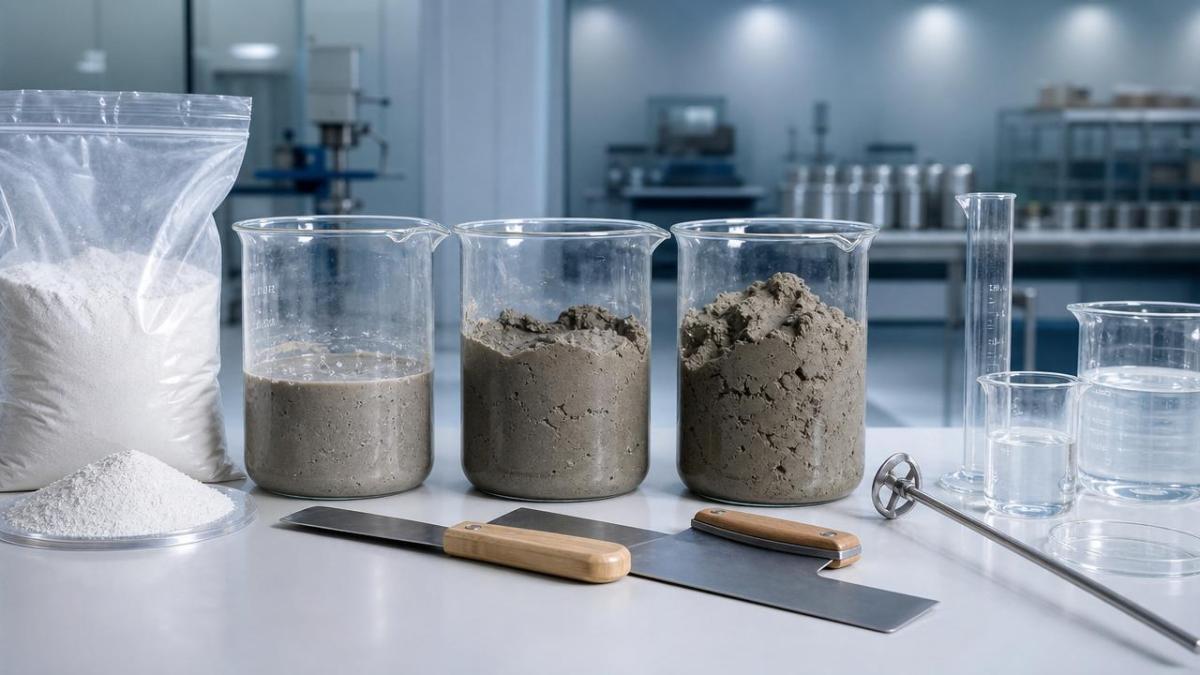
In technical procurement, HPMC is rarely assessed as a generic additive. Viscosity strongly influences how mortar behaves during mixing, pumping, spreading, and curing. When a buyer searches for hydroxypropyl methylcellulose hpmc wholesale supply, the key question is not only price per kilogram, but whether a given viscosity grade matches the formulation window required by tile adhesive, skim coat, self-leveling mortar, EIFS, gypsum products, or repair compounds.
For evaluators in cross-sector industrial purchasing, this becomes even more important because supply chains now connect fine chemicals, construction additives, export compliance, and end-user performance claims. A supplier may offer the same nominal product family, yet differences in Brookfield viscosity range, substitution level, particle fineness, moisture content, and dissolution behavior can produce very different field results.
AgriChem Chronicle approaches these issues from a technical intelligence perspective. Its readership includes professionals who do not approve materials based on marketing language alone. They need a practical framework for linking laboratory parameters to application outcomes, especially when comparing hydroxypropyl methylcellulose hpmc wholesale sources across multiple regions and manufacturing standards.
- Low-to-mid viscosity grades typically support easier dispersion and can help maintain workable consistency in thinner systems.
- Higher viscosity grades usually improve water retention and sag resistance, but may also change pumping behavior and trowel feel.
- A mismatch between viscosity and application method can lead to cracking, poor adhesion, reduced open time, or operator complaints on site.
How viscosity ranges change mortar performance in real formulation work
Technical evaluators usually need a simplified but reliable way to relate viscosity bands to mortar behavior. The table below helps map broad viscosity ranges used in hydroxypropyl methylcellulose hpmc wholesale procurement to typical formulation effects. Actual performance still depends on cement type, fillers, redispersible polymer powder, starch ether, sand grading, and dosage level, but viscosity remains one of the fastest screening variables.
This comparison is useful because it converts a chemical purchasing term into an application-level decision. A hydroxypropyl methylcellulose hpmc wholesale grade that looks interchangeable on a quotation sheet may not be interchangeable in practice if the target mortar demands low slump, long open time, or high water retention under hot and dry site conditions.
Water retention and cement hydration
One of the most valuable functions of HPMC in cement-based mortar is water retention. If water migrates too quickly into a porous substrate or evaporates under heat and airflow, cement hydration becomes incomplete. Higher viscosity HPMC often improves retention, helping the mortar maintain moisture long enough for proper hydration and bond development.
However, more retention is not always better. In some systems, excessive viscosity can reduce flow, slow wet-out of powders, and create an overly sticky application feel. Evaluators should judge retention against target installation speed, worker handling, and substrate absorption level.
Open time, slip resistance, and trowel feel
Tile adhesive users often prioritize open time and anti-slip behavior. Medium-to-high viscosity hydroxypropyl methylcellulose hpmc wholesale grades can support these goals by forming a stronger thickening network. That can improve vertical hold and reduce tile sag after placement.
Yet field teams may report “too much drag” if the grade is too high for the formula. This is where technical evaluation must go beyond datasheets. Laboratory measurements should be paired with small-batch application trials on realistic substrates, especially if the product is intended for export markets with varying climates and installation standards.
Which viscosity range fits which mortar scenario?
A common mistake in hydroxypropyl methylcellulose hpmc wholesale sourcing is treating one grade as suitable for every dry-mix application. In reality, each use case imposes a different balance of rheology, retention, spreadability, and strength development. The following matrix helps evaluators narrow the selection before requesting samples.
The table shows why technical selection must remain application specific. A grade optimized for wall tile adhesive may perform poorly in self-leveling mortar, even if the supplier positions both under the same hydroxypropyl methylcellulose hpmc wholesale catalog. Procurement teams should therefore ask for application-targeted recommendations rather than a generic “best-selling grade.”
Scenario-specific signals to watch
- For tile adhesive, check slip resistance after placement, open time after surface skinning, and bond consistency on dense tiles.
- For skim coat, watch scraping smoothness, blade resistance, and final surface appearance after drying.
- For plaster, assess machine spray behavior or hand application drag, especially where site productivity is critical.
- For self-leveling systems, ensure the HPMC does not compromise flow and surface leveling beyond the specification window.
What technical evaluators should ask HPMC wholesale suppliers before approval
In regulated and specification-driven industries, approval is not just about receiving a certificate or sample. Buyers need supplier transparency, batch consistency, and data that can survive internal review. When screening hydroxypropyl methylcellulose hpmc wholesale suppliers, a structured question set reduces the risk of requalification, delayed production, and site complaints.
- Request the viscosity test method and conditions. Different methods can produce different values, so numbers must be compared on a like-for-like basis.
- Confirm recommended dosage range by application. A strong supplier should discuss mortar type, cement system, and target performance instead of offering a single dosage answer.
- Ask about batch-to-batch control of moisture, ash, pH, particle size, and thermal gel behavior where relevant.
- Review documentation for product safety, handling, and export compliance, especially if material will move across multiple jurisdictions.
- Check sample lead time, commercial lead time, packaging options, and container loading logic if the product will be integrated into a larger dry-mix supply plan.
This is where the editorial positioning of AgriChem Chronicle is useful. ACC covers technical sourcing across complex raw-material chains, where procurement decisions depend on both chemistry and compliance. For evaluators, that means supplier comparisons should integrate application fit, documentation quality, and operational reliability rather than focusing narrowly on price.
A practical approval checklist
- Does the supplier define the target application with enough precision?
- Can the supplier explain why one viscosity grade is better than another for the same mortar family?
- Are trial samples representative of commercial production batches?
- Is there enough technical support to adjust dosage when local raw materials vary?
Common mistakes in hydroxypropyl methylcellulose HPMC wholesale selection
Many product failures begin with a reasonable but incomplete assumption. The most common is that a higher viscosity grade will always produce better mortar performance. In fact, overly high viscosity can reduce ease of mixing, increase stickiness, and disturb balance with other additives. It can solve one problem while creating two others.
Another mistake is approving hydroxypropyl methylcellulose hpmc wholesale material only on viscosity value without checking application feel or compatibility. Two grades with similar nominal viscosity may still behave differently because of substitution chemistry, particle size distribution, or manufacturing process variation.
A third issue is treating the supplier’s recommendation as final without validating with local sand, cement, temperature, and water conditions. Mortar systems are highly sensitive to formulation context. Technical evaluators should insist on side-by-side trials using the actual production recipe whenever possible.
Risk signals that should trigger further testing
- Unexpectedly large water demand shifts after switching supplier batches.
- Loss of open time in warm, dry environments despite stable dosage.
- Excessive sag or slump in vertical tile adhesive applications.
- Poor mixing dispersion, fish eyes, or inconsistent hydration behavior.
FAQ: decision-focused questions about HPMC viscosity and supplier comparison
How should I compare two hydroxypropyl methylcellulose HPMC wholesale offers with similar viscosity?
Do not compare on viscosity alone. Ask for test method, recommended dosage, water retention behavior, dissolution profile, particle fineness, and application examples. Then run controlled trials in the same mortar formula. Similar viscosity labels can still produce noticeably different working time, anti-sag performance, and finish quality.
Is a high-viscosity HPMC always better for tile adhesive?
Not always. High viscosity often helps anti-slip and water retention, but it can also increase drag and reduce user comfort during troweling. The best choice depends on tile size, vertical or horizontal use, climate, substrate absorption, and the balance with polymer modifiers and fillers.
What should technical evaluators prioritize when sample testing a new HPMC wholesale source?
Prioritize reproducibility under your actual formula. Measure water demand, mixing time, slump or sag behavior, open time, spreadability, and final adhesion indicators. Also observe practical operator feedback. A material that looks acceptable in the lab may still fail in production if it behaves inconsistently during mixing or application.
How important are documentation and compliance for this category?
They matter more than many buyers assume. Even for a construction additive, procurement often crosses borders and quality systems. Safety documentation, product consistency records, and clear technical data help reduce approval delays and support traceability. In complex industrial supply chains, documentation quality is often a useful predictor of supplier discipline.
Why informed sourcing support matters for technical buyers
Technical evaluators need more than a product list. They need context: which hydroxypropyl methylcellulose hpmc wholesale grade fits the target mortar, what trade-offs come with each viscosity range, and how supplier claims should be verified before scale-up. This is especially relevant in interconnected industrial sectors where chemical sourcing, regulatory expectations, and formulation performance all influence purchasing outcomes.
AgriChem Chronicle supports that decision process by translating specialist product data into procurement intelligence for industrial buyers. If you are comparing HPMC grades for mortar, dry-mix systems, or related formulation work, you can use ACC as a technical publishing and evaluation partner to clarify parameter matching, review application suitability, and structure supplier discussions around verifiable criteria.
Why choose us
Work with AgriChem Chronicle when your team needs a more disciplined basis for evaluating hydroxypropyl methylcellulose hpmc wholesale options. We can help frame the right questions around viscosity selection, application fit, sample validation, supply transparency, and specification review.
- Parameter confirmation: compare viscosity ranges, application intent, and formulation constraints before approval.
- Product selection support: narrow suitable grades for tile adhesive, skim coat, plaster, or self-leveling systems.
- Delivery and sourcing review: discuss sample timing, batch consistency expectations, and supply-chain documentation.
- Compliance discussion: align technical data needs with internal quality review and export-facing procurement requirements.
- Quote and trial planning: organize side-by-side evaluation criteria so pricing comparisons reflect real performance, not nominal labels.
If your next procurement decision depends on choosing the right HPMC viscosity for mortar performance, contact us with your target application, current formulation concerns, sample needs, and documentation requirements. That makes the evaluation process faster, clearer, and more defensible for both technical and purchasing teams.
Related Intelligence
- AgrochemicalsBulk defoamers: silicone or non-silicone for harder process linesBulk defoamers for harder process lines: compare silicone and non-silicone options for faster foam control, better compliance, and more stable industrial output.
- AgrochemicalsIndustrial grade urea: why moisture control changes usable yieldIndustrial grade urea performs best when moisture is controlled. Learn how humidity affects caking, flowability, dosing accuracy, and usable yield—and how to prevent costly loss.
- AgrochemicalsHPMC wholesale: viscosity ranges that change mortar performanceHydroxypropyl methylcellulose HPMC wholesale guide: compare viscosity ranges that affect mortar workability, water retention, open time, and bond strength for smarter sourcing.
The Morning Broadsheet
Daily chemical briefings, market shifts, and peer-reviewed summaries delivered to your terminal.
