
Sadara Chemical Shutdown Widens Global MDI/TDI Supply Gap
Lead
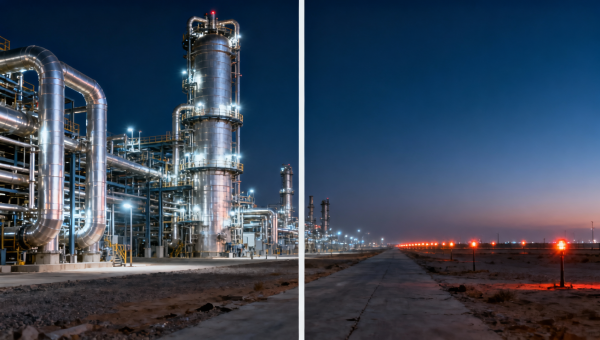
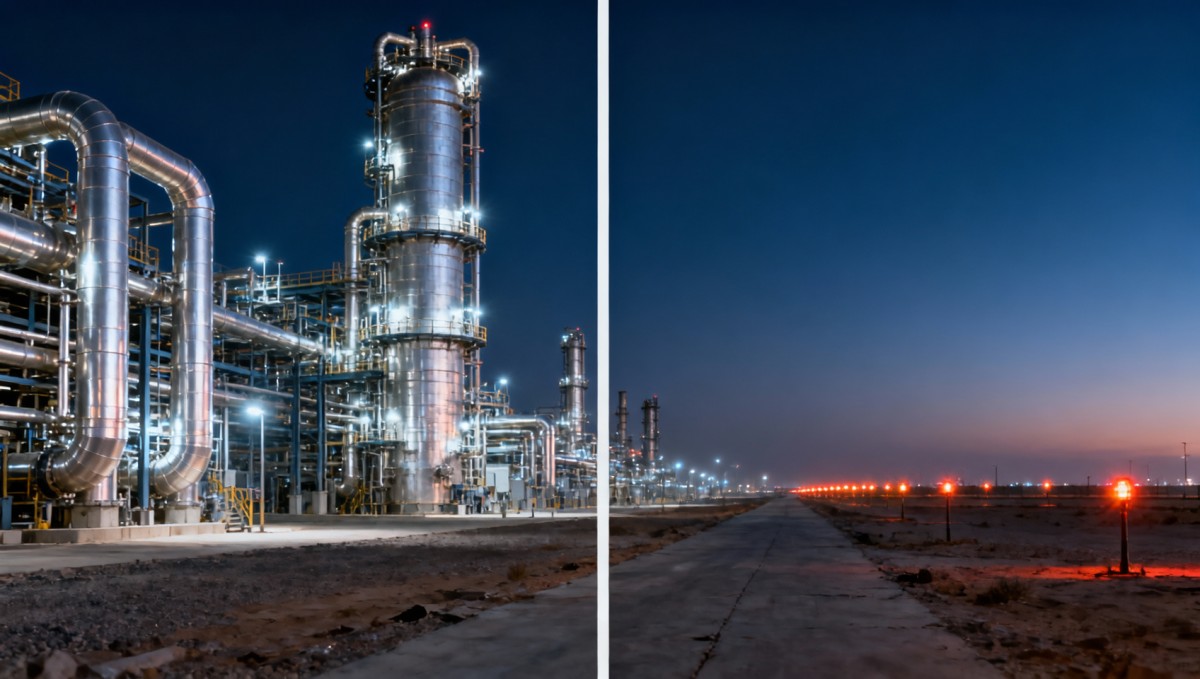
On March 31, 2026, Saudi Arabia's Sadara Chemical (a joint venture between Saudi Aramco and Dow) announced a complete temporary shutdown of its Jubail petrochemical complex due to catalyst shortages, export disruptions, and soaring energy costs caused by Middle East geopolitical conflicts. This event will significantly tighten global MDI/TDI supplies, triggering immediate price hikes by BASF, Huntsman, and Wanhua Chemical across Asia-Pacific and Europe. Industries reliant on polyurethane raw materials—including construction, automotive, and appliance manufacturing—should closely monitor supply chain adjustments and alternative certification processes.
Event Overview
Confirmed facts:
1. Sadara's full production halt began March 31, 2026, with no restart timeline disclosed.
2. Primary causes: Geopolitical conflicts disrupted catalyst supplies and energy infrastructure.
3. Immediate market reaction: Major producers announced April price increases for MDI/TDI.
Impact on Key Industries
Polyurethane Manufacturers
Directly affected by raw material shortages, facing production delays and cost surges. Smaller manufacturers without long-term supplier contracts may experience severe bottlenecks.
Construction & Insulation
MDI-based insulation materials will see extended lead times. Projects in Europe and North America requiring certified materials may need pre-approved alternatives.
Automotive & Appliances
TDI-dependent sectors must reassess Q2 inventory strategies. Just-in-time production models are particularly vulnerable to delivery delays.
Actionable Guidance
Monitor Official Updates
Track Sadara's复产 announcements and alternative catalyst supply developments. The situation remains fluid.
Diversify Supplier Networks
Explore non-Middle Eastern sources like Wanhua's Chinese facilities or BASF's European plants, though allocation may be limited.
Expedite Material Testing
For time-sensitive projects, initiate early testing of alternative MDI/TDI products to avoid certification bottlenecks.
Industry Perspective
Analysis suggests this is more than a temporary disruption:
- The shutdown exposes structural vulnerabilities in concentrated MDI/TDI production.
- Price volatility may persist even after Sadara resumes operations due to inventory depletion.
- Industries should treat this as a wake-up call to strengthen supply chain resilience beyond spot purchases.
Conclusion
The Sadara incident underscores how geopolitical risks can abruptly destabilize specialty chemical supply chains. While immediate focus should be on securing short-term supplies, strategic buyers should use this disruption to reevaluate long-term procurement strategies and material alternatives.
Sources
1. Sadara Chemical official statement (March 31, 2026)
2. Market advisories from BASF, Huntsman, Wanhua Chemical
*Ongoing developments in Middle East conflict and energy markets require continued monitoring.
Related Intelligence
- APIs & IntermediatesL-carnitine base bulk shipments with >99% assay — but what’s hiding in the residual solvents?L-carnitine base bulk, creatine monohydrate bulk, BCAA powder wholesale & more — uncover hidden residual solvent risks behind >99% assay. Get GMP-aligned insights now!
- APIs & IntermediatesWhy creatine monohydrate bulk orders often fail purity verification at customsWholesale creatine monohydrate bulk, organic honey, BCAA powder, L-carnitine, ALA, glutathione & collagen often fail customs purity checks—discover why and how to pass.
- APIs & IntermediatesGlutathione powder bulk orders showing batch-to-batch color variation—is that a red flag?Glutathione powder bulk orders show color variation? Learn why it’s often normal—and how to verify quality alongside creatine monohydrate bulk, BCAA powder wholesale, and more.
The Morning Broadsheet
Daily chemical briefings, market shifts, and peer-reviewed summaries delivered to your terminal.
