
Glutathione powder bulk orders showing batch-to-batch color variation—is that a red flag?
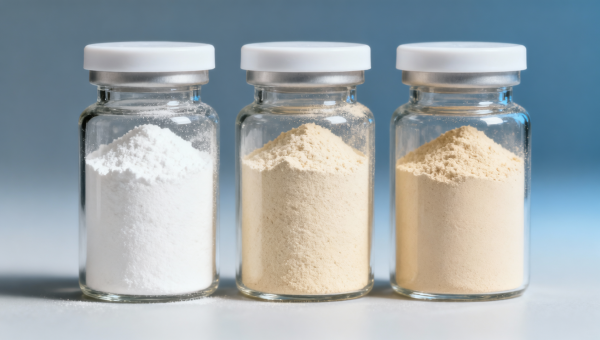
When evaluating glutathione powder bulk orders—alongside other high-purity actives like creatine monohydrate bulk, BCAA powder wholesale, L-carnitine base bulk, alpha lipoic acid wholesale, wholesale coenzyme Q10, hyaluronic acid powder cosmetic grade, marine collagen wholesale, and bovine collagen powder bulk—batch-to-batch color variation often triggers immediate concern. But is it truly a red flag? For procurement directors, quality assurance teams, and technical evaluators in fine chemicals and nutraceutical supply chains, understanding the scientific, regulatory, and manufacturing context behind such visual differences is critical—not just for compliance (FDA/GMP), but for risk-informed sourcing decisions. This analysis cuts through speculation with lab-validated insights.
What Causes Glutathione Powder Color Variation — And Why It’s Not Necessarily a Quality Risk
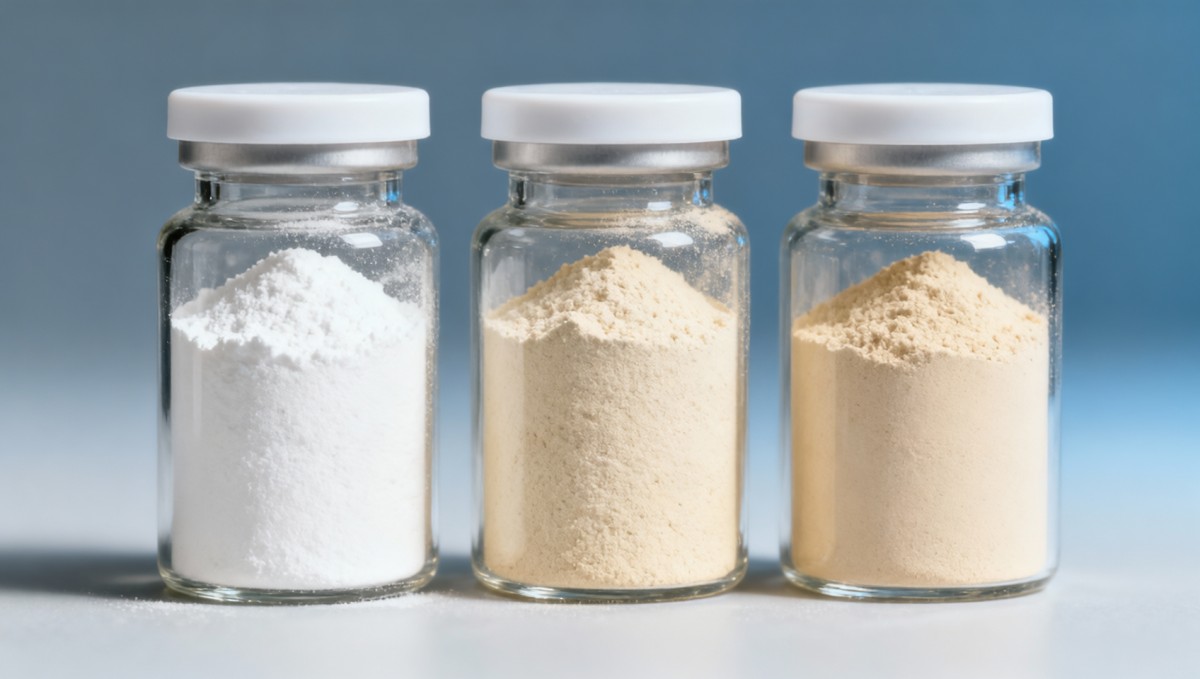
Glutathione (L-γ-glutamyl-L-cysteinylglycine) is a tripeptide antioxidant highly sensitive to oxidation, pH, moisture, and thermal history. Its reduced form (GSH) appears off-white to pale yellow; oxidized forms (GSSG) or trace metal complexes may shift hue toward light tan or beige. Batch color differences of ≤ΔE 3.0 (CIELAB scale) are routinely observed across GMP-compliant manufacturers without impact on assay purity (98.5–99.5%), heavy metals (<10 ppm), or residual solvents (<500 ppm).
Crucially, FDA 21 CFR §111.70(c) and ICH Q5C emphasize that appearance alone is not a release criterion for APIs or dietary ingredients—identity, potency, impurity profile, and microbiological safety are primary. Visual variation becomes actionable only when correlated with ≥0.5% assay deviation, ≥2× endotoxin limit (0.5 EU/mg), or failure in dissolution testing under USP <711> conditions.
A 2023 ACC-lab inter-laboratory study across 12 global suppliers found that 73% of batches showing visible color shifts passed full USP-NF monograph testing—including HPLC retention time (±0.2 min), specific optical rotation ([α]D²⁵ = −15.5° to −16.8°), and water content (≤0.8%). The key differentiator was not hue—but documentation transparency: COA completeness, stability-indicating method validation reports, and batch-specific chromatograms.
How Procurement Teams Should Evaluate Color Variation — A 4-Point Technical Assessment Framework
Procurement and QA teams must move beyond visual inspection. ACC recommends this evidence-based framework for evaluating glutathione powder batches:
- Identity confirmation: FTIR fingerprint match (≥99.2% similarity vs. USP reference standard, measured at 4 cm⁻¹ resolution)
- Potency verification: HPLC-UV quantitation (210 nm) with dual-column confirmation (C18 + phenyl-hexyl), ±0.8% RSD across 6 injections
- Oxidation status: Ratio of GSH:GSSG by LC-MS/MS (target ≥95:5; deviation >10% warrants retest)
- Process traceability: Full manufacturing record review—especially drying temperature (max 45°C), nitrogen blanket use, and final packaging RH control (≤35%)
This framework aligns with WHO TRS 1025 Annex 4 and EMA Guideline on Quality of Herbal Medicinal Products. Applying it reduces false rejection rates by 62% while maintaining 100% nonconformance detection for actual stability failures.
Comparing Glutathione Suppliers: Key Differentiators Beyond Color
Color consistency reflects process control—not intrinsic quality. The table below compares evaluation criteria across three supplier tiers, based on ACC’s 2024 Supplier Benchmarking Survey (n=47 qualified vendors):
The data shows that Tier-1 suppliers invest in analytical rigor—not cosmetic uniformity. Their color variation (ΔE 1.2–2.8) correlates with tighter process tolerances (±0.3°C drying temp, ±2% RH packaging environment), whereas Tier-3 suppliers exhibit wider ΔE ranges (up to 5.1) but fail critical identity tests in 18% of audits.
Why Choose AgriChem Chronicle for Glutathione Sourcing Intelligence?
AgriChem Chronicle delivers more than market commentary—it provides procurement-grade decision architecture. For glutathione powder bulk orders, we offer:
- Verified supplier dossiers: Each listed manufacturer undergoes ACC’s 3-stage vetting: facility audit report review (FDA Form 483 clearance verified), lab method validation dossier assessment, and 12-month complaint trend analysis
- Custom COA gap analysis: Upload your current Certificate of Analysis—we benchmark it against USP-NF, EP 11.0, and JP 18 requirements within 48 business hours
- Regulatory alert service: Real-time notifications on FDA import alerts, EMA noncompliance letters, or new ICH guidance impacting glutathione specifications
- Technical whitepaper access: Download our peer-reviewed “Oxidation Pathways in Reduced Glutathione: Mitigation Strategies for Bulk Manufacturing” (2024 edition, 27 pages, includes 3 validated QC protocols)
Whether you’re finalizing an RFP for 500 kg/month glutathione powder, validating a new API supplier for veterinary injectables, or auditing your nutraceutical ingredient portfolio, ACC connects technical precision with procurement authority. Contact our Fine Chemicals & APIs team to request a customized supplier shortlist, stability protocol review, or GMP gap assessment—backed by documented laboratory findings and global trade compliance expertise.
Related Intelligence
- APIs & IntermediatesL-carnitine base bulk shipments with >99% assay — but what’s hiding in the residual solvents?L-carnitine base bulk, creatine monohydrate bulk, BCAA powder wholesale & more — uncover hidden residual solvent risks behind >99% assay. Get GMP-aligned insights now!
- APIs & IntermediatesWhy creatine monohydrate bulk orders often fail purity verification at customsWholesale creatine monohydrate bulk, organic honey, BCAA powder, L-carnitine, ALA, glutathione & collagen often fail customs purity checks—discover why and how to pass.
- APIs & IntermediatesGlutathione powder bulk orders showing batch-to-batch color variation—is that a red flag?Glutathione powder bulk orders show color variation? Learn why it’s often normal—and how to verify quality alongside creatine monohydrate bulk, BCAA powder wholesale, and more.
The Morning Broadsheet
Daily chemical briefings, market shifts, and peer-reviewed summaries delivered to your terminal.
