
Shouguang Vegetable Germplasm Bank Holds Over 26,000 Resources, Leads in Tomato, Cucumber, and Pepper Varieties
Introduction
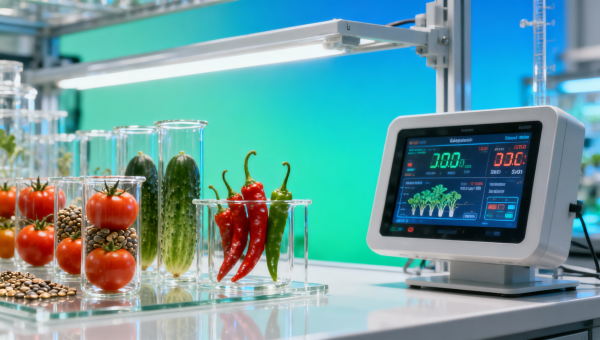
As of April 2026, Shouguang Vegetable Germplasm Bank in Shandong, China, has collected and preserved over 26,000 vegetable germplasm resources, with tomato, cucumber, and pepper varieties ranking first nationally. The facility employs intelligent long-term preservation systems (ensuring 30–50 years of viability) and is collaborating with agricultural departments in Vietnam, Indonesia, and Bangladesh for germplasm exchange. This development is significant for seed trade enterprises, agricultural exporters, and international supply chain stakeholders, as it strengthens China's position in high-value vegetable seed markets and supports global food security initiatives.
Event Overview
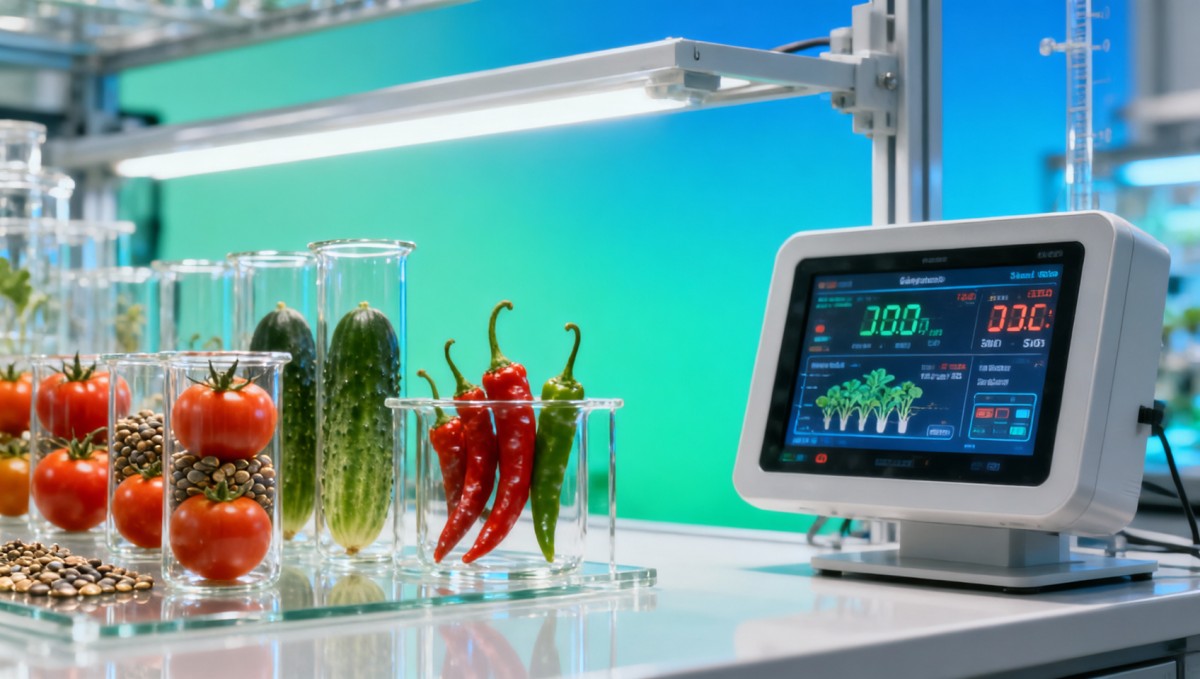
Confirmed facts as of April 2026 include: 1) The resource bank holds 26,000+ germplasm samples, with tomato, cucumber, and pepper varieties leading domestic inventories; 2) All resources use smart preservation technology with 30–50-year viability guarantees; 3) Active germplasm exchange agreements exist with Vietnam, Indonesia, and Bangladesh's agricultural ministries.
Impact on Sub-Sectors
Seed Export Enterprises
Direct beneficiaries include companies exporting vegetable seeds to Southeast Asia. The bank's stress-resistant, high-yield varieties may reduce R&D costs by 15–20% for exporters targeting tropical markets.
Controlled Environment Agriculture
Vertical farms and greenhouse operators should monitor the bank's new cucumber and tomato strains optimized for intensive cultivation—likely available for licensing by Q3 2027.
International Agri-Trade
The ASEAN collaborations indicate China's strategic shift from bulk commodity exports to high-margin seed technology trade, potentially affecting traditional grain trading patterns.
Key Focus Areas and Recommended Actions
Track Germplasm Release Schedules
Enterprises should monitor the bank's 2026–2028 resource disclosure calendar (expected June 2026) to identify commercializable varieties early.
Verify Export Compliance
New seed materials may require updated phytosanitary certifications for ASEAN markets—engage with customs brokers before Q4 2026.
Assess Partnership Opportunities
The announced international collaborations suggest potential PPP projects in seed technology—preliminary due diligence on participating institutions is advised.
Editorial Perspective
From an industry standpoint, this represents more than capacity expansion: 1) The focus on tropical crop varieties signals China's intent to compete with Dutch/Israeli seed companies in equatorial markets; 2) The 30–50-year preservation standard exceeds FAO benchmarks, suggesting long-term strategic positioning; 3) Current developments appear operational rather than aspirational, with tangible outputs expected within 18–24 months.
Conclusion
This development consolidates Shouguang's role as a hub for premium vegetable genetics while creating near-term opportunities in seed technology transfer. Industry participants should view it as an accelerating trend rather than isolated progress—particularly those engaged in cross-border agri-tech collaborations. The bank's outputs may redefine competitive dynamics in Asian vegetable seed markets by 2028.
Source Information
Primary source: Official announcement from Shouguang Agricultural Bureau (April 2026). Pending verification: Specific commercial terms of international germplasm exchanges. Ongoing monitoring recommended for updates on varietal patent filings.
Related Intelligence
- AgrochemicalsEU REACH Adds 5 New SVHCs, Including Agrochem Intermediates & Natural Preservative PrecursorsEU REACH adds 5 new SVHCs including agrochemical intermediates & natural preservative precursors. Learn how this impacts exporters of botanical products & organic pesticides. Act now to avoid EU market risks.
- AgrochemicalsEU REACH Adds 5 New SVHCs, Including Pharma & Agrochem IntermediatesEU REACH adds 5 new SVHCs including key agrochemical & pharma intermediates. Learn how 2-chloro-5-methylpyridine and DMAC regulations impact your supply chain before Oct 2026 compliance deadline.
- AgrochemicalsU.S. Soybean Exports to China Plunge 48.5%, China Shifts to Brazil/ArgentinaU.S. soybean exports to China plummet 48.5% as China shifts to Brazil/Argentina sources. Discover how this trade realignment impacts global markets and key industries. Learn strategic adaptation tips for businesses.
The Morning Broadsheet
Daily chemical briefings, market shifts, and peer-reviewed summaries delivered to your terminal.
