
Lanzhou Spring Seed Market Inspection Targets Export Label Compliance
Introduction
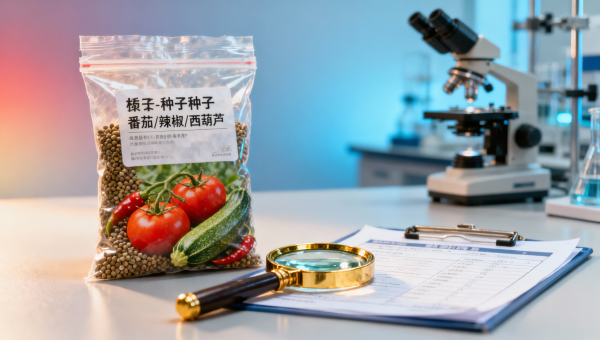
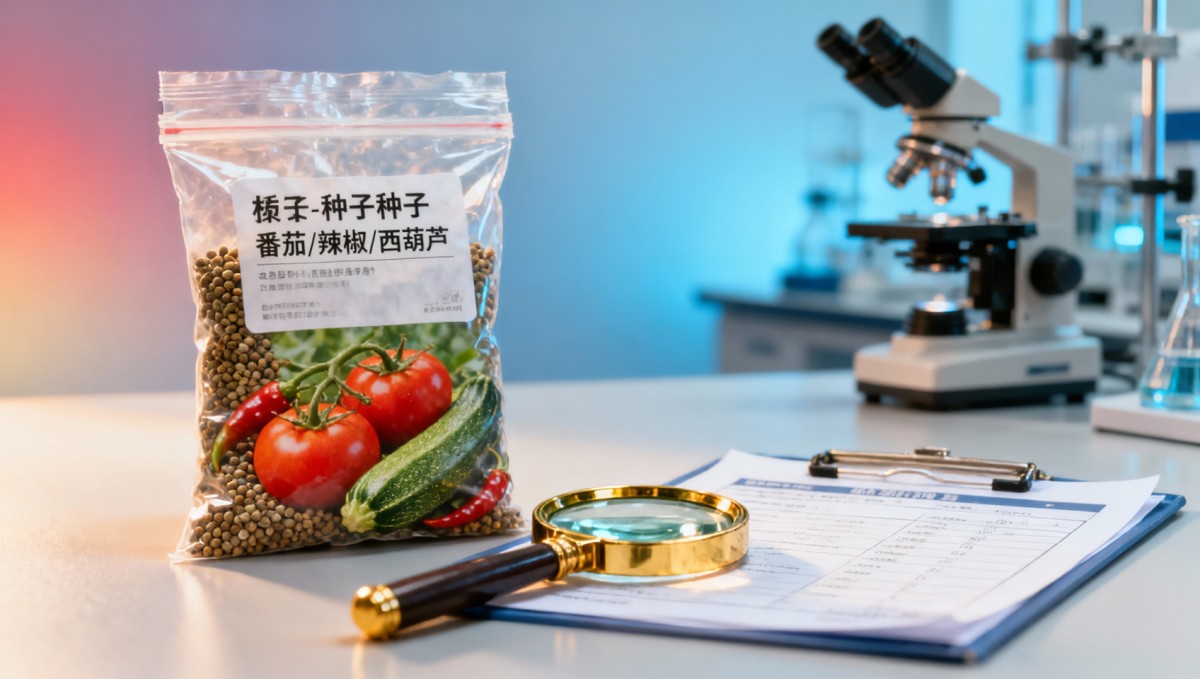
On March 11, 2026, Lanzhou Seed Industry Supervision Center launched spring seed market inspections, targeting 254 seed producers and traders. The operation focuses on verifying label authenticity, varietal purity, and GMO labeling compliance for export-oriented vegetable seeds (tomatoes, peppers, zucchinis). This enforcement aligns with China's seven-ministry initiative against counterfeit agricultural inputs, with test results directly affecting customs clearance efficiency. Seed exporters, testing agencies, and overseas buyers should monitor developments closely given the immediate trade implications.
Event Overview
The inspection campaign began on March 11, 2026, covering 254 seed production and trading entities in Lanzhou. Key verification points include: 1) Accuracy of export seed labels, 2) Adherence to declared varietal purity standards, and 3) Proper disclosure of genetically modified components. Test results will be shared with China's General Administration of Customs, potentially impacting export clearance timelines.
Impacted Sectors
Seed Exporters
Companies specializing in vegetable seed exports face immediate documentation reviews and potential shipment delays. Non-compliant labels may trigger customs holds or rejections, particularly for EU and Middle Eastern markets with strict phytosanitary requirements.
Seed Testing Laboratories
Third-party certification bodies may experience increased demand for GMO detection and varietal purity tests. Accreditation with Chinese authorities becomes critical for test result recognition.
Overseas Importers
International buyers of Chinese vegetable seeds should verify suppliers' compliance records and anticipate possible delays. Contracts may require revisions to address liability for non-compliant shipments.
Key Action Points
Verify Labeling Systems
Exporters should audit all multilingual seed labels against destination country regulations, particularly for GMO disclosure requirements in the EU, Japan, and Australia.
Document Traceability
Maintain batch-specific testing records for at least three years, including seed source documentation and laboratory accreditation certificates.
Customs Communication
Establish direct channels with port customs to pre-validate documentation, reducing potential clearance bottlenecks during peak export seasons.
Industry Perspective
Analysis suggests this campaign reflects China's broader effort to standardize seed export protocols amid growing international scrutiny. The direct customs data sharing represents an escalation from previous inspection cycles, indicating regulatory convergence between agricultural and trade authorities. Seed companies should view this not as a temporary crackdown but as part of structural quality enforcement.
Conclusion
This inspection initiative signals China's commitment to seed export standardization, with immediate operational impacts for cross-border seed trade. While compliance adjustments may increase short-term costs, the move could enhance Chinese seeds' international market acceptance. Industry participants should prioritize documentation accuracy and supply chain transparency to navigate the evolving regulatory landscape.
Source
• Official announcement by Lanzhou Seed Industry Supervision Center (March 11, 2026)
• Pending: Final inspection results and customs implementation details (expected Q2 2026)
Related Intelligence
- AgrochemicalsEU REACH Adds 5 New SVHCs, Including Agrochem Intermediates & Natural Preservative PrecursorsEU REACH adds 5 new SVHCs including agrochemical intermediates & natural preservative precursors. Learn how this impacts exporters of botanical products & organic pesticides. Act now to avoid EU market risks.
- AgrochemicalsEU REACH Adds 5 New SVHCs, Including Pharma & Agrochem IntermediatesEU REACH adds 5 new SVHCs including key agrochemical & pharma intermediates. Learn how 2-chloro-5-methylpyridine and DMAC regulations impact your supply chain before Oct 2026 compliance deadline.
- AgrochemicalsU.S. Soybean Exports to China Plunge 48.5%, China Shifts to Brazil/ArgentinaU.S. soybean exports to China plummet 48.5% as China shifts to Brazil/Argentina sources. Discover how this trade realignment impacts global markets and key industries. Learn strategic adaptation tips for businesses.
The Morning Broadsheet
Daily chemical briefings, market shifts, and peer-reviewed summaries delivered to your terminal.
