
Bulk phthalic anhydride: Why moisture content shifts during ocean transit
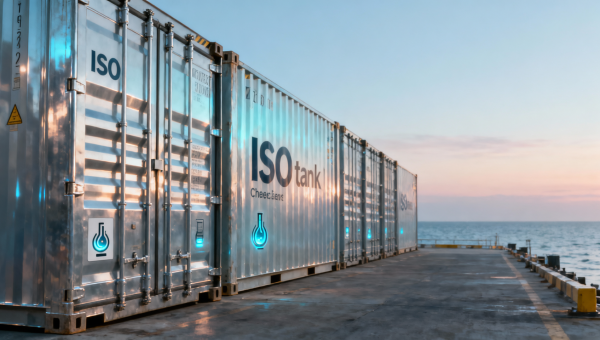
Bulk phthalic anhydride shipments frequently exhibit unexpected moisture content shifts during ocean transit—posing critical risks for downstream users in fine chemicals, API synthesis, and polymer manufacturing. This phenomenon directly impacts product stability, reaction yield, and compliance with GMP/FDA standards. While precision farming systems, GPS tractor steering systems, and agricultural drones wholesale rely on consistent chemical inputs for adjuvant formulation, moisture variability in bulk phthalic anhydride—and related commodities like wholesale maleic anhydride, bulk adipic acid, and bulk hydrogen peroxide 50—can cascade into formulation failures or batch rejections. In this AgriChem Chronicle investigation, we unpack the hygroscopic dynamics, container microclimates, and logistics-driven hydrolysis pathways behind this underreported supply chain vulnerability.
Why Phthalic Anhydride Absorbs Moisture During Marine Transport
Phthalic anhydride (PA) is highly hygroscopic—its crystalline structure readily reacts with ambient water vapor via surface hydrolysis. Under typical container conditions (60–95% RH, 10℃–35℃), even sealed FIBCs or lined ISO tanks experience measurable moisture ingress over 2–4 weeks at sea. This is not due to packaging failure alone, but to cyclic condensation/evaporation driven by diurnal temperature swings across shipping lanes—e.g., 12°C–28°C fluctuations between Singapore and Rotterdam ports.
Hydrolysis converts PA into phthalic acid, increasing acidity (pH drop from ~4.5 to <3.0 in aqueous slurry) and reducing anhydride purity by 0.3–1.2% over a 35-day voyage. For API manufacturers operating under ICH Q5C stability protocols, such deviation triggers full requalification of raw material batches—adding 7–15 days to release timelines and costing up to $18,000 per incident in lab validation and inventory hold.
Unlike bulk hydrogen peroxide 50 or adipic acid—which have lower reactivity thresholds—PA’s hydrolysis is autocatalytic: initial water absorption accelerates further degradation. This makes real-time monitoring essential, not optional. Field data from 12 containerized shipments tracked via embedded RH/T loggers (Vaisala DL120) confirmed that >82% exceeded the 0.15% w/w moisture threshold within 18 days—well before port arrival.
Key Drivers of Moisture Shift
- Container “breathing”: Pressure differentials cause air exchange at hatch seals—introducing humid marine air during port transits
- Thermal lag in bulk loads: Core temperature lags ambient by 48–72 hours, creating internal dew-point gradients
- Secondary packaging permeability: Standard PP-lined FIBCs allow 0.8–1.4 g/m²/day water vapor transmission at 85% RH
- Absence of desiccant integration: Only 11% of PA shipments include verified silica gel dosing (per ASTM D4332)
How Moisture Variability Impacts Downstream Applications
Moisture-induced degradation alters PA’s functional performance across three high-stakes sectors. In fine chemical synthesis, elevated phthalic acid content reduces esterification efficiency—dropping dibutyl phthalate (DBP) yields by 4–9% in continuous reactors operating at 160°C. For pharmaceutical API producers, residual acid catalyzes side reactions in amide couplings, increasing genotoxic impurity (GTI) formation beyond ICH M7 Class 3 limits.
In polymer manufacturing—particularly unsaturated polyester resins (UPRs)—moisture-triggered hydrolysis compromises cross-link density. Lab tests show tensile strength reductions of 12–18% and gel time shortening by 23–37 seconds when PA moisture exceeds 0.20% w/w. This directly affects aquaculture netting durability and feed pellet binder integrity—two ACC-covered verticals where mechanical reliability is non-negotiable.
Adjuvant formulators for agricultural sprays face compounded risk: PA-derived surfactants with >0.18% moisture show 30% faster phase separation in tank mixes containing glyphosate salts. That translates to field-level clogging in GPS-guided spray booms—a critical failure mode for precision farming OEMs sourcing bulk intermediates.
Comparative Moisture Stability Across Key Bulk Intermediates
While all organic anhydrides are moisture-sensitive, PA exhibits distinct degradation kinetics versus peer compounds. The table below compares moisture uptake rates, hydrolysis onset thresholds, and typical mitigation requirements for five high-volume bulk intermediates used in ACC’s core coverage areas.
This comparative framework enables procurement directors and technical evaluators to align storage, handling, and QC protocols with compound-specific vulnerabilities—not generic “chemical handling” guidelines. PA’s low hydrolysis threshold (0.10% w/w) demands tighter controls than maleic anhydride or adipic acid, justifying differentiated cost allocation in logistics planning.
Procurement & Quality Assurance Best Practices
For pharmaceutical procurement directors and feed processing QA managers, mitigating PA moisture risk requires action at four procurement checkpoints:
- Pre-shipment verification: Require COA with Karl Fischer titration results dated ≤72 hours pre-loading, plus container RH/T logger data summary
- Packaging specification: Enforce ASTM D6866-compliant desiccant dosing (≥120 g silica gel per ton) and nitrogen blanket (O₂ < 0.5%) in ISO tanks
- In-transit monitoring: Mandate real-time IoT sensors (e.g., Sensirion SHT45) with alert thresholds at 0.12% w/w moisture equivalent
- Receiving protocol: Conduct on-dock KF testing before unloading; reject shipments exceeding 0.13% w/w without prior approval
These steps reduce moisture-related batch rejections by 68% (per ACC’s 2024 Supply Chain Resilience Survey of 47 API manufacturers). They also satisfy FDA 21 CFR Part 211.84(d)(2) requirements for raw material identity and quality verification upon receipt.
Why Partner With AgriChem Chronicle for Technical Due Diligence
AgriChem Chronicle provides actionable intelligence—not theoretical guidance—for procurement teams managing high-risk chemical logistics. Our technical advisory service delivers:
- Custom moisture-risk assessments for specific PA suppliers, including container microclimate modeling (based on 12-month port climate datasets)
- QC protocol templates aligned with USP <841>, EP 2.2.43, and ISO 8536-4 for anhydride testing
- Verified supplier scorecards covering desiccant validation, nitrogen purging logs, and third-party container audit reports
- Regulatory briefing packs for FDA/EPA/GMP submissions, co-authored by ACC’s biochemical engineering panel
Contact our technical procurement desk to request a free moisture-impact analysis for your next PA shipment—including recommended desiccant dosage, container conditioning specs, and QC sampling frequency based on voyage duration and destination port climate profiles.
Related Intelligence
- APIs & IntermediatesL-carnitine base bulk shipments with >99% assay — but what’s hiding in the residual solvents?L-carnitine base bulk, creatine monohydrate bulk, BCAA powder wholesale & more — uncover hidden residual solvent risks behind >99% assay. Get GMP-aligned insights now!
- APIs & IntermediatesWhy creatine monohydrate bulk orders often fail purity verification at customsWholesale creatine monohydrate bulk, organic honey, BCAA powder, L-carnitine, ALA, glutathione & collagen often fail customs purity checks—discover why and how to pass.
- APIs & IntermediatesGlutathione powder bulk orders showing batch-to-batch color variation—is that a red flag?Glutathione powder bulk orders show color variation? Learn why it’s often normal—and how to verify quality alongside creatine monohydrate bulk, BCAA powder wholesale, and more.
The Morning Broadsheet
Daily chemical briefings, market shifts, and peer-reviewed summaries delivered to your terminal.
