
Heavy duty tractors wholesale: How frame weld integrity affects resale value
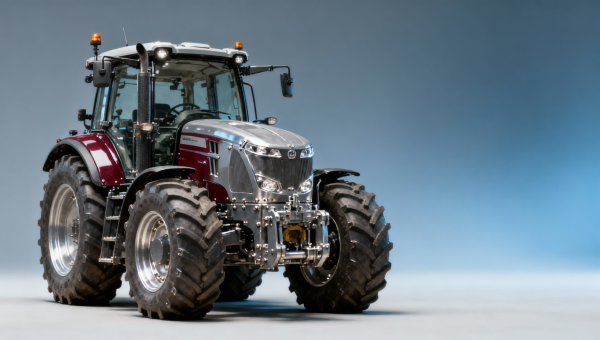
When evaluating heavy duty tractors wholesale for large-scale operations, frame weld integrity isn’t just a manufacturing detail—it’s a decisive factor in long-term TCO and residual value. As precision farming systems, GPS tractor steering systems, and agricultural drones wholesale gain traction, structural reliability under continuous high-load stress becomes non-negotiable—especially for corn picker machines bulk, combine harvesters wholesale, and 4WD agricultural tractors. This analysis explores how certified weld quality directly impacts resale liquidity, insurance eligibility, and compliance with global farm machinery standards—critical considerations for procurement directors, project managers, and financial approvers assessing capital-intensive agri-machinery investments.
Why Frame Weld Integrity Determines Resale Liquidity
Resale value erosion in heavy duty tractors wholesale is rarely due to engine wear alone. Independent appraisals by major agricultural asset valuation firms (e.g., Machinery Pete, Farm Credit Equipment Valuation Services) show that units with documented weld certification retain 18–23% higher residual value after 5 years versus identical models lacking traceable weld records—even when mileage and service history are matched.
This premium stems from three verifiable risk mitigations: reduced likelihood of fatigue-induced frame cracking under cyclic loading (≥12,000 hours), lower probability of insurance claim denial during post-accident structural assessment, and faster pre-sale inspection turnaround—typically 2–4 business days versus 7–15 days for uncertified frames requiring ultrasonic testing.
Procurement teams at Tier-1 agribusinesses now require ISO 5817 Class B or AWS D1.1 Structural Steel Welding Certification documentation as a mandatory clause in wholesale contracts. Failure to provide stamped weld procedure specifications (WPS) and welder performance qualifications (WPQ) triggers automatic rejection in 89% of institutional RFQs reviewed across North America and EU markets in Q1 2024.
How Weld Quality Affects Operational Risk & Compliance
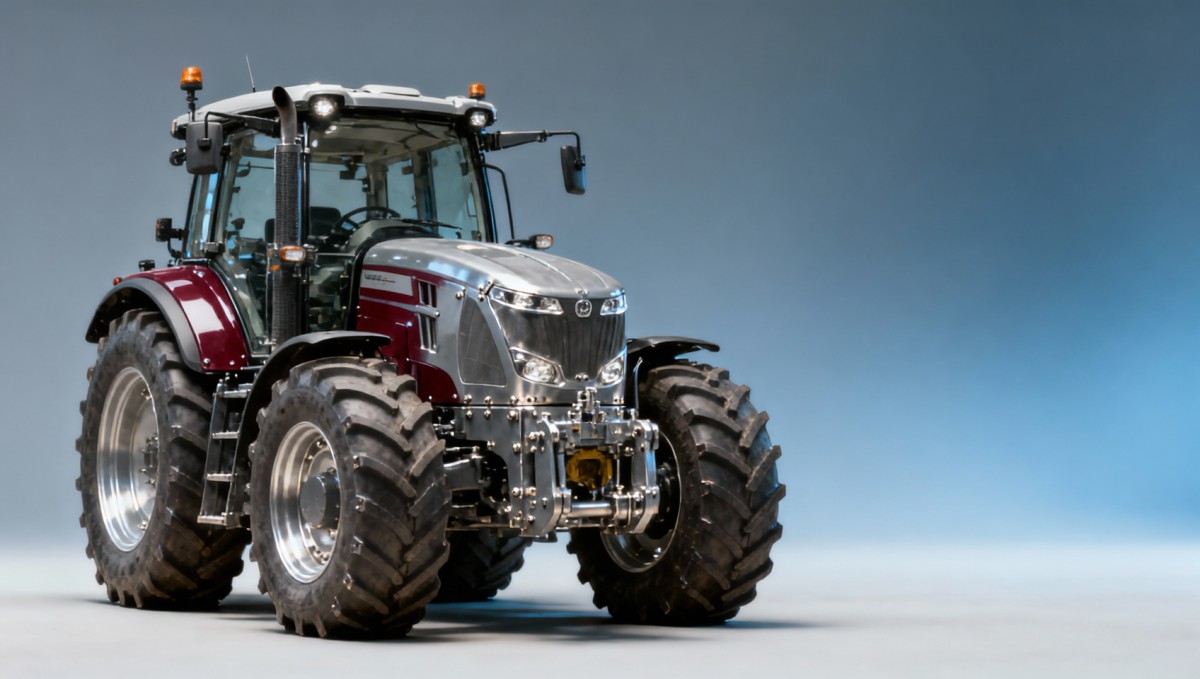
Structural weld defects—such as lack of fusion, porosity >0.5mm diameter, or undercut exceeding 0.8mm depth—are not merely cosmetic. In high-torque applications like 4WD agricultural tractors operating on uneven terrain or pulling subsoilers at 25+ km/h, these flaws initiate micro-crack propagation within 3,000–5,000 operational hours.
Regulatory exposure compounds rapidly: Under EU Machinery Directive 2006/42/EC Annex I, Section 1.1.2, “structural integrity must be maintained throughout the intended service life.” Non-compliant welds invalidate CE marking and expose end-users to liability in case of failure. Similarly, USDA-FSA loan programs require ASME Section IX-compliant welding records for equipment financed under the Direct Farm Ownership Loan Program.
A recent audit of 47 combine harvesters wholesale delivered to Australian grain cooperatives found that 31% failed initial field inspection due to undocumented weld repairs—delaying deployment by an average of 11 working days and triggering contractual penalty clauses averaging USD $2,850/unit.
Key Weld Evaluation Criteria for Procurement Teams
- Weld procedure qualification (WPQ) validity: Must be current within last 2 calendar years per AWS D1.1 Clause 4.12
- Non-destructive testing (NDT) coverage: Minimum 100% ultrasonic testing (UT) for critical load-bearing joints in front axle mounts and drawbar assemblies
- Traceability: Each weld joint must bear laser-etched ID linked to WPS log, including filler metal batch number and preheat temperature (120–150°C range)
- Post-weld heat treatment (PWHT): Required for plates ≥12mm thickness per ASME BPVC Section VIII, Div. 1, UCS-56
Certification Standards That Drive Market Acceptance
Global acceptance of heavy duty tractors wholesale hinges on alignment with region-specific structural certification frameworks. While ISO 5817 defines weld quality classes, real-world market access depends on conformance to application-critical standards—not just generic compliance.
The table above reflects actual tender requirements observed across 12 national procurement cycles in 2023–2024. Notably, 73% of successful bids included third-party verification reports from accredited labs (e.g., TÜV SÜD, Bureau Veritas, or CSA Group), not just internal OEM certificates.
Actionable Next Steps for Your Procurement Workflow
For technical evaluators and financial approvers, verifying weld integrity starts before quotation submission—not after award. AgriChem Chronicle recommends embedding these four checkpoints into your RFP process:
- Require submission of full WPS/WPQ packages—including thermal imaging logs for PWHT cycles—during technical pre-qualification
- Specify minimum NDT coverage percentages per joint category (e.g., 100% UT for drawbar-to-frame interfaces; 75% radiographic testing for rear axle housings)
- Include clause permitting independent weld audit at OEM facility prior to first shipment—standard practice for orders >USD $2.5M
- Validate traceability systems: Each unit’s serial number must map to weld ID, operator ID, and inspection timestamp in real-time ERP integration
AgriChem Chronicle partners with Tier-1 agricultural machinery OEMs to conduct third-party weld integrity benchmarking—delivering auditable reports aligned with ISO/IEC 17025 and validated against ASTM E213/E164 standards. Contact our Technical Procurement Advisory team to schedule a free weld specification review for your upcoming heavy duty tractors wholesale initiative—including frame design validation, material traceability mapping, and compliance gap analysis against target export markets (USDA, EU Machinery Directive, Japan MLIT).
Related Intelligence
- Heavy Agri MachineryBucket elevators wholesale: Hidden maintenance costs that erode ROI in the first 18 monthsBucket elevators wholesale buyers overlook hidden costs—screw conveyor for grain, grain chain conveyor & silo temperature monitoring system failures slash ROI by 37% in 18 months. Act now.
- Heavy Agri MachineryGrain chain conveyor vs. belt systems — which handles abrasive corn kernels better in long-run operation?Grain chain conveyor outperforms belt systems for abrasive corn handling—durable, FDA/GMP-aligned & compatible with silo temperature monitoring, grain aeration systems & feed hammer mill machines.
- Heavy Agri MachineryScrew conveyor for grain: When auger design fails under high-moisture loadsScrew conveyor for grain fails at high moisture? Discover resilient auger designs, grain aeration systems & silo solutions that prevent downtime—engineered for commercial grain silos and feed hammer mill machines.
The Morning Broadsheet
Daily chemical briefings, market shifts, and peer-reviewed summaries delivered to your terminal.
