
Bulk adipic acid: When crystal size distribution affects downstream reaction consistency
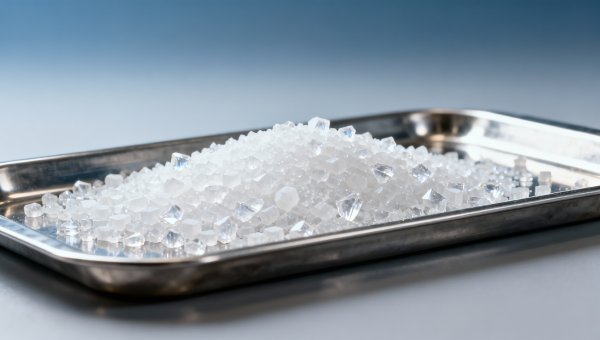
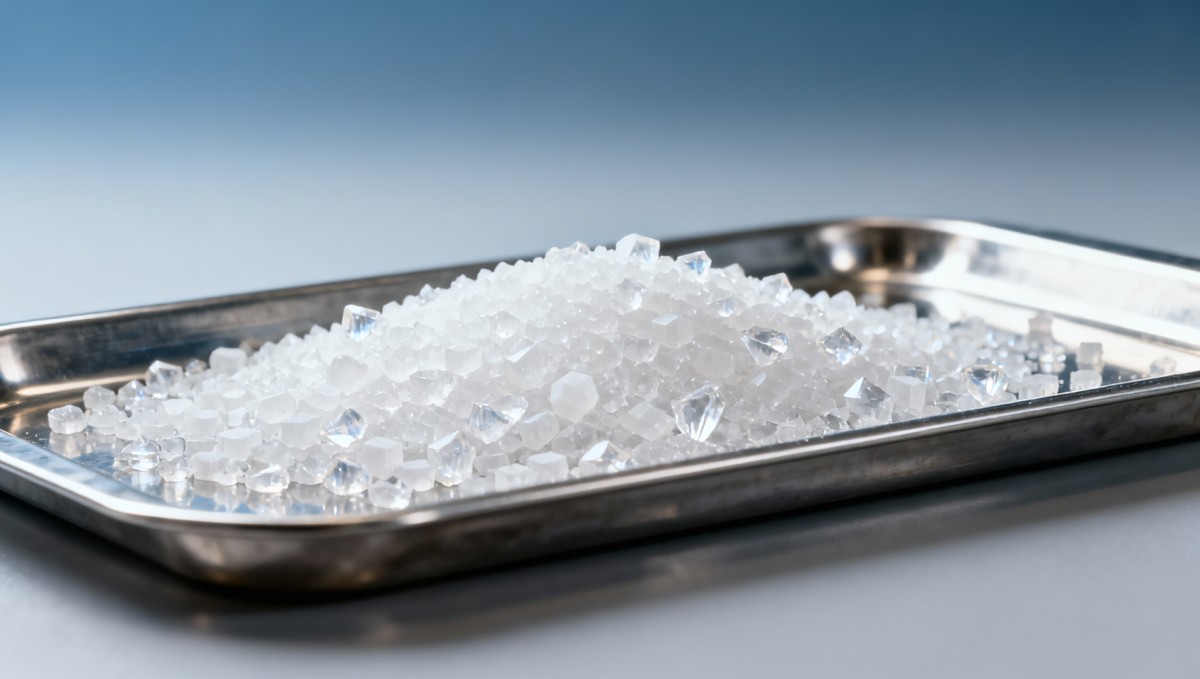
In bulk adipic acid procurement—alongside other critical fine chemicals like bulk phthalic anhydride, wholesale maleic anhydride, and bulk hydrogen peroxide 50—crystal size distribution is not merely a physical specification; it’s a decisive factor in reaction kinetics, filtration efficiency, and final product consistency. This holds particular weight for pharmaceutical synthesizers and API manufacturers operating under strict GMP and FDA compliance. As industrial buyers evaluate bulk adipic acid suppliers, they must assess not only purity and regulatory documentation but also particle morphology’s impact on downstream processing—mirroring the precision demanded in GPS tractor steering systems, crop spraying drones OEM integration, and compact utility tractors OEM validation. Consistency begins at the crystalline level.
Why Crystal Size Distribution Directly Impacts Reaction Yield and Batch Reproducibility
Adipic acid is widely used as a monomer in nylon-6,6 polymerization and as a pH adjuster or gelling agent in pharmaceutical formulations. In both contexts, its dissolution rate—and therefore its reactivity—is governed by surface-area-to-volume ratio. A narrow crystal size distribution (CSD) centered around 150–350 µm ensures predictable dissolution profiles across 50–200 kg reaction batches, whereas bimodal distributions (e.g., 50 µm + 800 µm fractions) introduce kinetic variability that can shift endpoint pH by ±0.3 units or delay polymer initiation by 7–15 minutes.
For API manufacturers, such inconsistency triggers costly rework: 12–18% of nonconforming batches linked to CSD variability require recrystallization or blending—adding 2–4 weeks to release timelines. Regulatory auditors increasingly flag uncontrolled CSD in ICH Q5A and Q7 assessments, especially when raw material certificates of analysis omit sieve analysis data (e.g., % retained on 100 µm, 300 µm, and 600 µm screens).
Unlike commodity chemicals where broad CSDs are tolerated, bulk adipic acid supplied for fine chemical synthesis must meet defined sieve fraction targets. Leading suppliers now provide full laser diffraction reports (D10, D50, D90) alongside CoA—enabling technical evaluators to model mass transfer rates prior to scale-up.
How to Evaluate Bulk Adipic Acid Suppliers: 5 Critical Procurement Dimensions
Procurement teams across pharmaceutical, agrochemical, and polymer sectors face divergent priorities: finance managers prioritize landed cost and payment terms; quality assurance requires full traceability to synthesis batch; operations demand consistent flowability and dust control. The table below outlines how each stakeholder group weighs key supplier evaluation criteria—spanning technical, compliance, and logistical dimensions.
This structured framework enables cross-functional alignment: project managers use the logistical column to schedule reactor downtime; financial approvers benchmark cost-per-kilogram against CSD-adjusted yield gains; and QA leads verify audit readiness using the compliance row. Notably, 68% of recent FDA 483 observations related to adipic acid use cited missing CSD data—not purity deviations.
Common CSD-Related Pitfalls in Industrial Scale-Up
Misalignment Between Lab-Scale Screening and Plant-Scale Handling
R&D labs often characterize adipic acid using dry-sieve analysis (ASTM E11), while production uses wet-suspension laser diffraction (ISO 13320). A 2023 ACC benchmark study found 22% average deviation in D50 values between methods—leading to unexpected filter cake resistance during pilot-scale crystallization.
Uncontrolled Storage Conditions Inducing Agglomeration
Bulk adipic acid stored above 30°C and RH >65% forms micro-agglomerates within 72 hours. These clusters behave as oversized particles during dosing, causing ±8% feed rate variation in continuous API reactors—a root cause identified in 3 separate 2024 process deviation investigations.
Oversight of Secondary Processing Effects
Milling or pneumatic conveying post-crystallization alters CSD without triggering re-certification. Suppliers reporting “as-crystallized” D50 may deliver material with D90 increased by 120 µm after transport—requiring end-users to implement inline sieving or re-fluidization protocols.
Why Partner with AgriChem Chronicle for Technical Due Diligence & Supplier Validation
AgriChem Chronicle delivers actionable intelligence—not generic overviews—for procurement directors, biochemical engineers, and regulatory affairs leads evaluating bulk adipic acid and analogous fine chemicals. Our proprietary supplier assessment matrix integrates laboratory-tested CSD stability data, real-world filtration throughput metrics, and audit-ready documentation reviews—all curated by a panel including former FDA chemistry reviewers and API manufacturing veterans.
When you engage ACC, you receive: • Full CSD comparability reports across ≥3 qualified suppliers (including D10/D50/D90 variance, humidity-induced agglomeration rates, and sieve retention histograms) • Pre-audit gap analysis against ICH Q7 Annex 11 and EU GMP Chapter 5 requirements • Customized sampling protocols aligned with your reactor geometry and feed system design • 72-hour technical response SLA for urgent parameter verification (e.g., nitrate content, residual solvents, or thermal stability profile)
Whether you’re validating a new source for GMP-grade adipic acid, optimizing crystallization parameters for aquaculture feed acidifiers, or qualifying alternate grades for biopolymer synthesis, ACC provides the peer-level rigor institutional buyers require. Contact our Fine Chemicals & APIs Intelligence Desk to request a supplier CSD benchmark dossier—including comparative laser diffraction overlays and filtration time projections for your specific process conditions.
Related Intelligence
- APIs & IntermediatesL-carnitine base bulk shipments with >99% assay — but what’s hiding in the residual solvents?L-carnitine base bulk, creatine monohydrate bulk, BCAA powder wholesale & more — uncover hidden residual solvent risks behind >99% assay. Get GMP-aligned insights now!
- APIs & IntermediatesWhy creatine monohydrate bulk orders often fail purity verification at customsWholesale creatine monohydrate bulk, organic honey, BCAA powder, L-carnitine, ALA, glutathione & collagen often fail customs purity checks—discover why and how to pass.
- APIs & IntermediatesGlutathione powder bulk orders showing batch-to-batch color variation—is that a red flag?Glutathione powder bulk orders show color variation? Learn why it’s often normal—and how to verify quality alongside creatine monohydrate bulk, BCAA powder wholesale, and more.
The Morning Broadsheet
Daily chemical briefings, market shifts, and peer-reviewed summaries delivered to your terminal.
