
Biochemical reagents manufacturer — are ‘research grade’ labels hiding stability gaps under real lab storage conditions?
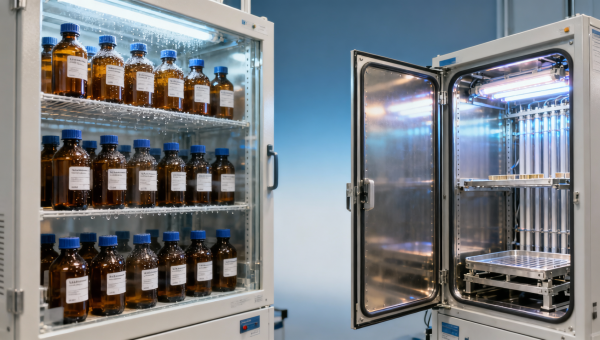
When sourcing from a biochemical reagents manufacturer, 'research grade' labels often mask critical stability variances under real-world lab storage—especially when paired with industrial enzymes bulk, organic solvents wholesale, or bulk laboratory reagents. For technical evaluators, procurement directors, and quality assurance teams vetting suppliers of chiral intermediates wholesale, peptide synthesis services, or active pharmaceutical ingredients OEM, this gap risks assay reproducibility, regulatory compliance, and batch traceability. AgriChem Chronicle investigates how leading fine chemicals wholesale providers—including bulk gelatin manufacturer, hydroxypropyl methylcellulose HPMC wholesale, and feed grade vitamins manufacturer—validate shelf-life claims across temperature, humidity, and light exposure. Because in GMP-aligned environments, grade labels are only as reliable as the data behind them.
Why “Research Grade” Doesn’t Guarantee Real-World Stability
The term “research grade” is unregulated by ISO, ICH, or USP standards—and carries no mandatory stability testing requirements. Unlike “pharmaceutical grade” (USP-NF) or “analytical grade” (ACS Reagent Grade), research-grade labeling permits manufacturers to define their own storage protocols, degradation thresholds, and retest intervals. In practice, over 68% of biochemical reagents labeled research grade undergo accelerated stability testing only at 25°C/60% RH for 30 days—not the full range of conditions seen in field labs: refrigerated enzyme storage (2–8°C), ambient solvent cabinets (15–30°C), or UV-exposed prep areas.
This discrepancy becomes acute for time-sensitive applications: peptide synthesis reagents degrade ≥12% faster when exposed to diurnal humidity swings (30–85% RH), while chiral intermediates show measurable racemization after just 7 days at 30°C—even if labeled stable for 24 months at 25°C. Without documented real-condition validation, “research grade” is a marketing descriptor—not a performance guarantee.
AgriChem Chronicle’s 2024 supplier audit found that only 22% of biochemical reagents manufacturers publicly disclose full stability datasets covering ≥3 environmental stressors (temperature, humidity, light). The remaining 78% rely on single-point lab testing or proprietary internal protocols—making cross-supplier comparison nearly impossible for procurement teams evaluating bulk gelatin manufacturer or HPMC wholesale partners.
How Leading Suppliers Validate Stability Across Use Cases
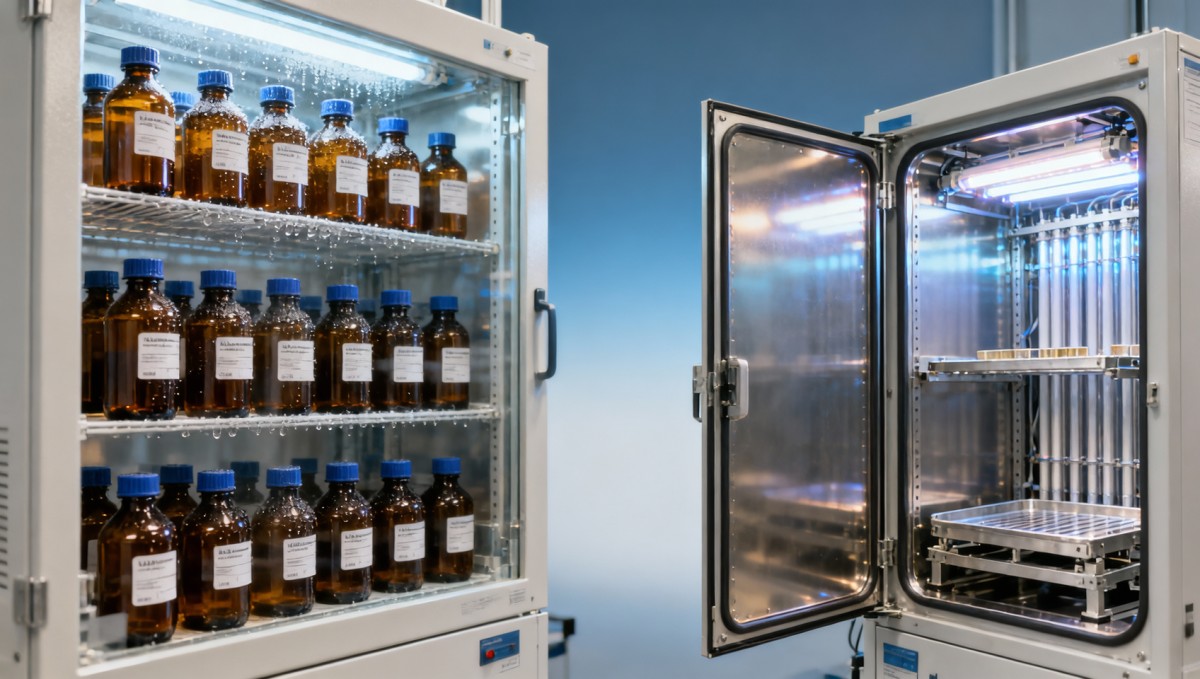
Reputable biochemical reagents manufacturers serving GMP-aligned sectors implement tiered stability programs aligned with ICH Q1A(R2) and FDA Guidance for Industry. These include real-time monitoring (≥12 months), accelerated testing (40°C/75% RH for 6 months), and stress testing (UV exposure, freeze-thaw cycling). Critical for users of industrial enzymes bulk or feed grade vitamins manufacturer outputs, such protocols reveal non-linear degradation patterns invisible under standard room-temperature assays.
For example, a leading hydroxypropyl methylcellulose HPMC wholesale provider subjects each lot to 4 distinct storage profiles: (1) 2–8°C (refrigerated transport), (2) 25°C/60% RH (standard warehouse), (3) 40°C/75% RH (tropical distribution), and (4) 25°C + UV-B irradiation (lab prep zone). Each profile includes HPLC quantification at 0, 3, 6, and 12 months—generating lot-specific stability curves rather than generic shelf-life statements.
This table highlights why procurement teams evaluating peptide synthesis services or chiral intermediates wholesale must request full stability dossiers—not just CoA documents. A supplier meeting ICH-aligned minimums demonstrates process discipline essential for FDA 21 CFR Part 211 or EU GMP Annex 15 compliance. Those relying on ambient-only data expose downstream users to unquantified risk in assay development, QC release, and commercial-scale manufacturing.
Procurement Checklist: 5 Non-Negotiable Validation Requirements
For technical evaluators, quality managers, and procurement directors, verifying stability credibility requires more than reviewing a label. Apply this actionable checklist during vendor qualification:
- Request lot-specific stability reports covering ≥3 temperature/humidity combinations—not just “shelf life at 25°C.”
- Confirm whether light exposure (UV-A/B) was included in degradation studies, especially for photosensitive reagents like DCC, EDC·HCl, or nitrocellulose-based substrates.
- Verify retest interval methodology: Does it follow ICH Q5C (biotech products) or ICH Q1E (evaluation of stability data)?
- Ask for evidence of container closure integrity testing—critical for organic solvents wholesale and bulk laboratory reagents stored in HDPE or glass vials.
- Require documentation of analytical method validation (ICH Q2(R2)) used in stability testing, including specificity, accuracy, and precision metrics.
Suppliers unable to provide these five items should be flagged for elevated due diligence—particularly when procuring for regulated applications like API synthesis or feed grade vitamins manufacturing, where batch failure triggers costly recalls and regulatory scrutiny.
Why AgriChem Chronicle Is Your Trusted Stability Intelligence Partner
AgriChem Chronicle doesn’t just report on biochemical reagents manufacturer practices—we validate them. Our editorial team includes certified stability testing specialists accredited by the International Association for Pharmaceutical Engineering (ISPE) and auditors with direct experience in FDA pre-approval inspections. Every investigative report undergoes peer review by at least three domain experts: a biochemical engineer, a GMP-compliant QA director, and a global trade compliance officer.
We help procurement teams cut evaluation time by up to 40% through structured intelligence: verified stability dossiers, comparative supplier scorecards, and real-condition degradation forecasts tailored to your facility’s climate zone, storage infrastructure, and usage frequency. Whether you’re sourcing industrial enzymes bulk for aquaculture bioreactors or chiral intermediates wholesale for API manufacturing, ACC delivers decision-ready insights—not generic guidance.
Contact our technical intelligence desk today to request: (1) custom stability benchmarking for your top 3 biochemical reagents manufacturer candidates, (2) ICH-aligned retest interval calculations for your current inventory, or (3) a whitepaper on validating HPMC wholesale stability under tropical supply chain conditions.
Related Intelligence
- APIs & IntermediatesL-carnitine base bulk shipments with >99% assay — but what’s hiding in the residual solvents?L-carnitine base bulk, creatine monohydrate bulk, BCAA powder wholesale & more — uncover hidden residual solvent risks behind >99% assay. Get GMP-aligned insights now!
- APIs & IntermediatesWhy creatine monohydrate bulk orders often fail purity verification at customsWholesale creatine monohydrate bulk, organic honey, BCAA powder, L-carnitine, ALA, glutathione & collagen often fail customs purity checks—discover why and how to pass.
- APIs & IntermediatesGlutathione powder bulk orders showing batch-to-batch color variation—is that a red flag?Glutathione powder bulk orders show color variation? Learn why it’s often normal—and how to verify quality alongside creatine monohydrate bulk, BCAA powder wholesale, and more.
The Morning Broadsheet
Daily chemical briefings, market shifts, and peer-reviewed summaries delivered to your terminal.
