
The Authority in Global Agricultural Chemistry & Bio-Resources
FAO Adds 6 Chinese Grain Silo Makers to Global White List
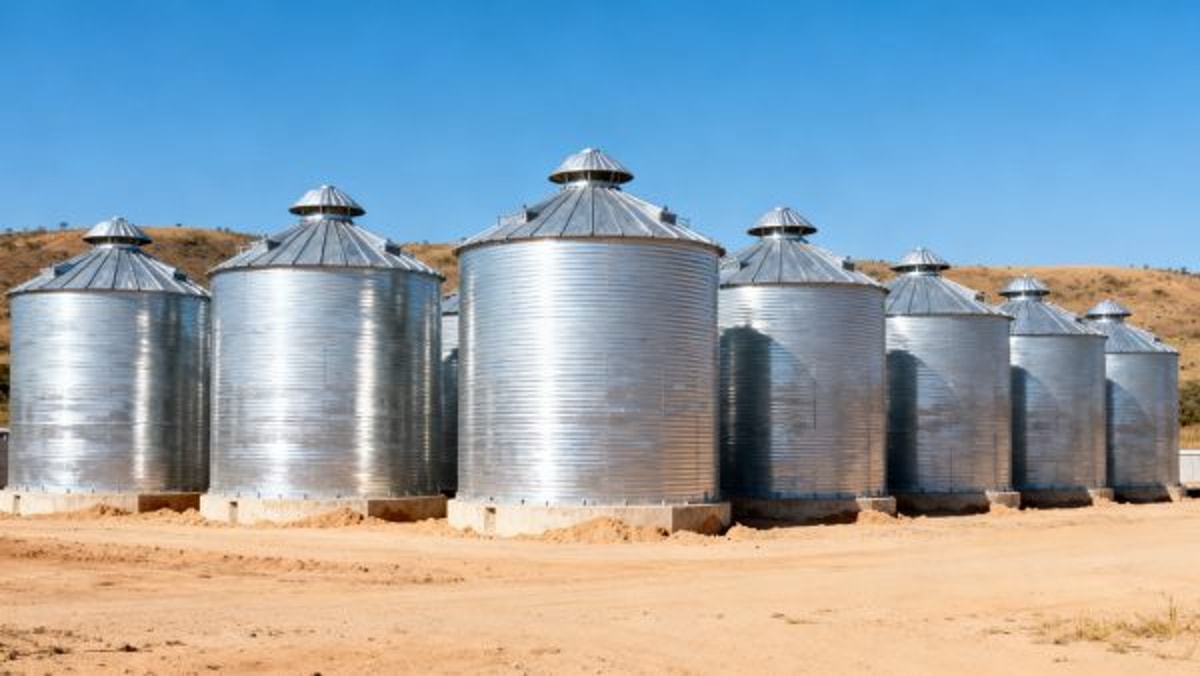
On 29 April 2026, the Food and Agriculture Organization of the United Nations (FAO) published the 2026 Edition of the International Recommended Supplier List for Grain Silos & Storage, adding six Chinese manufacturers of grain storage infrastructure. This update signals heightened technical recognition of Chinese grain silo equipment in multilateral public procurement—particularly for World Food Programme (WFP) projects and national food security infrastructure tenders across Africa and Latin America. Export-oriented manufacturers, engineering contractors, and international procurement service providers should monitor implications closely.
Event Overview
The FAO released its updated International Recommended Supplier List for Grain Silos & Storage (2026 Edition) on 29 April 2026. Six Chinese grain silo and storage system manufacturers were newly included. All six have achieved dual certification against ISO 22000 (food safety management) and ISO 9001 (quality management), and passed climate adaptability validation under representative conditions in Africa and Latin America.
Industries Affected by This Update
Direct Export Trading Companies
These firms act as intermediaries between Chinese manufacturers and overseas buyers—especially in UN-agency or government-led infrastructure tenders. Inclusion in the FAO list strengthens bid eligibility and pre-qualification standing in WFP, African Union, or national粮安 (food security) procurement processes. Impact is most direct in tender documentation review, technical compliance verification, and buyer due diligence stages.
Grain Infrastructure Engineering & EPC Contractors
Contractors delivering turnkey grain storage facilities in developing markets often rely on certified suppliers for equipment sourcing. FAO listing reduces technical risk assessment overhead and may shorten approval timelines with local authorities or donor agencies. It also supports compliance alignment with FAO’s Guidelines for Sustainable Grain Storage Infrastructure, especially where climate-resilient design is mandated.
Domestic Manufacturing Enterprises (Grain Silo OEMs/ODMs)
For Chinese manufacturers not yet listed, this update highlights a de facto benchmark: dual ISO certification plus regional climate validation is now a baseline expectation—not just for FAO listing, but increasingly for national-level tenders in target markets. The update does not lower entry barriers; rather, it reinforces existing technical and procedural thresholds.
Supply Chain & Certification Support Providers
Third-party certification bodies, testing laboratories, and technical consultants supporting Chinese exporters must now align verification protocols with FAO’s updated validation criteria—including documented evidence of performance under tropical high-humidity or semi-arid conditions. Demand may rise for localized climate simulation testing services in Africa and Latin America.
What Relevant Enterprises or Practitioners Should Monitor and Act On
Track official FAO implementation guidance, not just the list itself
The FAO list is advisory—not a procurement mandate. Current tender documents from WFP or African ministries rarely cite the list verbatim. Practitioners should monitor whether national food reserve agencies (e.g., Kenya’s NCPB, Nigeria’s NASCO) formally reference or require adherence to the 2026 edition in upcoming RFPs.
Focus verification efforts on climate-specific performance data—not only certifications
ISO 22000/9001 are necessary but insufficient. FAO’s validation requires demonstrable adaptation to target-region climatic stressors (e.g., corrosion resistance in coastal West Africa; thermal stability in Andean highlands). Firms preparing bids should prioritize submission of third-party test reports aligned with those conditions—not generic lab certificates.
Distinguish between FAO listing status and actual contract award likelihood
Inclusion improves eligibility, but does not guarantee selection. Past WFP tenders show that price competitiveness, local after-sales capacity, and financing terms remain decisive. Firms should avoid over-indexing on listing alone and instead strengthen local service partnerships or credit-backed delivery models.
Prepare documentation for upstream supply chain traceability
FAO’s 2026 edition emphasizes lifecycle accountability. Bidders may soon face requests for material origin statements, component-level corrosion testing records, or weld procedure specifications. Proactive documentation structuring—especially for galvanized steel, aeration systems, and control units—is advisable ahead of major tender cycles.
Editorial Perspective / Industry Observation
Observably, this update is less a breakthrough and more a consolidation signal: FAO is formalizing expectations already embedded in recent WFP and African Development Bank infrastructure standards. Analysis shows the six newly listed firms all completed parallel validation through regional FAO field offices—not via centralized Geneva review—suggesting decentralized, context-sensitive evaluation is now standard practice. From an industry perspective, the 2026 list functions primarily as a technical gatekeeper, not a commercial accelerator. Its real value lies in clarifying what ‘minimum credible’ means for grain storage equipment in development contexts—making it a reference point for both procurement entities and suppliers navigating complex, low-margin, high-compliance tenders.
Conclusion
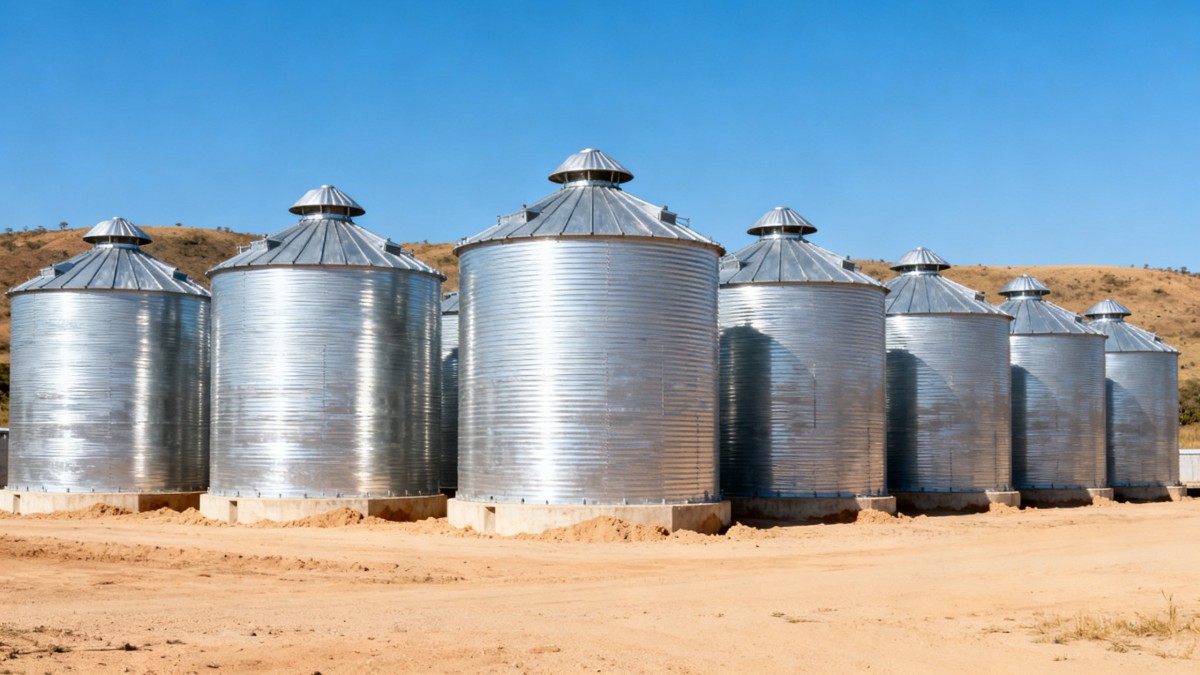
This update reflects institutional alignment—not market disruption. It confirms that internationally recognized quality and climate resilience are now table stakes for participation in multilateral food security infrastructure programs. For stakeholders, it is better understood as a calibration of existing requirements than as a new opportunity. Current relevance is highest for firms actively bidding in sub-Saharan Africa or Andean countries, where FAO-aligned standards increasingly inform national policy and donor-funded project design.
Information Sources
Food and Agriculture Organization of the United Nations (FAO), International Recommended Supplier List for Grain Silos & Storage – 2026 Edition, published 29 April 2026. Note: Specific names of the six listed Chinese manufacturers are not disclosed in the provided information and remain subject to official FAO publication verification.
Related Intelligence
- Grain Silos & StorageFAO Adds 6 Chinese Grain Silo Makers to Global White ListFAO Adds 6 Chinese Grain Silo Makers to Global White List — Boost your international tenders with FAO-recognized, climate-tested grain storage solutions.
- Grain Silos & StorageFeed and grain expansion plans often ignore storage pinch pointsFeed & Grain expansion plans often miss storage pinch points that cut throughput and raise costs. Learn how smarter storage planning protects ROI, speeds startup, and avoids hidden bottlenecks.
- Grain Silos & StorageFAO Updates Global Grain Silos White List: 6 Chinese Firms AddedFAO updates Global Grain Silos White List: 6 Chinese firms added — discover key implications for procurement, EPC contractors & grain traders in Africa and SEA.
The Morning Broadsheet
Daily chemical briefings, market shifts, and peer-reviewed summaries delivered to your terminal.
