
Wheat Flour Milling Plant Layout Mistakes That Raise Energy Use
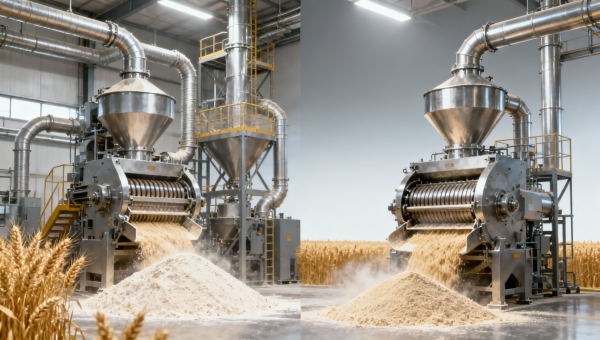
Poor wheat flour milling plant layout decisions can quietly drive up power consumption, reduce throughput, and increase maintenance risks across commercial flour mill machinery systems. For operators, engineers, and investors evaluating processing efficiency, understanding these hidden design errors is essential. This article examines how layout choices affect energy use, material flow, safety, and long-term operating costs in modern wheat flour milling plant planning.
In large and mid-scale flour processing, layout is not just a civil engineering drawing. It directly affects pneumatic conveying distance, elevator load, dust collection demand, operator travel time, and access for sanitation and inspection. A plant that looks workable on paper can still waste 8%–20% more electricity than a better-arranged facility handling the same wheat intake.
For technical evaluators, project managers, procurement teams, and financial approvers, the key question is simple: which layout mistakes create avoidable operating costs over the next 5–15 years? The answer usually lies in flow sequencing, machine positioning, utility routing, and maintenance access rather than in any single machine specification.
How Poor Process Flow Design Increases Power Demand
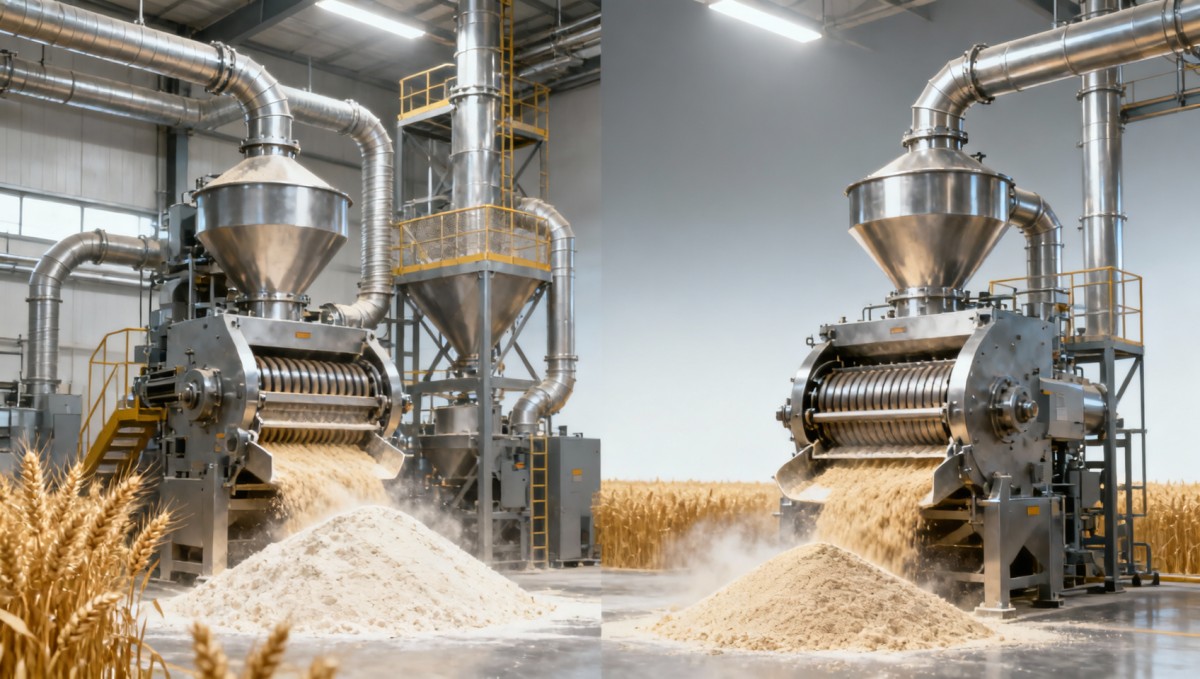
One of the most common wheat flour milling plant layout mistakes is forcing material to travel in loops instead of in a progressive line. When wheat passes through cleaning, conditioning, milling, plansifting, and packing with unnecessary backtracking, the plant requires more bucket elevators, longer screw conveyors, and higher fan loads. Every extra transfer point adds friction, spillage risk, and motor demand.
In practical terms, adding only 2–3 unnecessary vertical lifts in a 120 TPD to 300 TPD wheat flour milling plant can significantly raise connected load. A single bucket elevator may not seem critical, but when combined with aspiration fans, rotary valves, and additional control hardware, the cumulative effect becomes visible in monthly energy bills and in lower net throughput during peak production shifts.
Another issue is placing raw wheat intake too far from the cleaning section or locating finished flour bins far from packing. This stretches transport distances and often pushes designers to oversize motors for safety margins. Oversizing is common in projects where layout planning begins after civil drawings are fixed, rather than before.
Typical flow-related design errors
- Using cross-floor transfer routes that require repeated lifting and dropping of the same product stream.
- Separating cleaning, milling, and packing zones by structural walls that increase conveyor length by 10–30 meters.
- Combining wheat, bran, and flour circulation in congested paths, which raises blockage frequency and fan resistance.
- Leaving no direct line for by-product discharge, forcing secondary handling equipment to run more often.
What an efficient flow usually looks like
A more efficient arrangement uses gravity wherever possible. Raw grain reception should feed a logical path into pre-cleaning, storage, conditioning, and grinding with minimum rehandling. In many multi-story mills, the most efficient sequence reduces mechanical transfer counts by 15%–25% compared with a layout developed around building convenience alone.
The table below shows how layout choices commonly affect energy use and operating complexity in flour mill machinery systems.
For buyers and planners, the lesson is clear: the best flour mill plant layout minimizes transfers before selecting machine size. If the process flow is wrong, even premium rollers, sifters, and purifiers cannot offset structural inefficiency.
Machine Placement Mistakes That Create Hidden Utility Losses
A second major problem appears when machine placement ignores utility routing. Flour mills depend on coordinated use of electrical distribution, compressed air, aspiration lines, and dust collection. If these systems are laid out as afterthoughts, the plant often ends up with excessive duct length, sharp bends, and pressure drops that force fans and compressors to work harder than necessary.
For example, aspiration pipelines with too many elbows can reduce airflow efficiency and increase dust settlement in dead zones. In a mill running 16–20 hours per day, even moderate fan inefficiency can translate into noticeable annual power waste. Similar losses occur when cable runs are overextended or when control panels are positioned far from the equipment clusters they serve, complicating maintenance and extending downtime during faults.
Improper spacing between roller mills, sifters, and bran finishers also affects serviceability. A machine row that is too tight may save floor area, but it usually raises labor time for inspection, lubrication, roller changes, and sanitation. If technicians need 20–30 extra minutes per service event and the task repeats weekly, the indirect cost compounds over a year.
Utility and placement checkpoints
- Keep dust collection ducting as direct as possible and avoid unnecessary 90-degree turns.
- Group machines by process stage so electrical panels, sensors, and maintenance routes remain compact.
- Reserve service clearance around core equipment, especially roller mills, plansifters, and pneumatic receivers.
- Separate high-dust transfer points from electrical cabinets and operator walkways where possible.
The next table can help project teams evaluate whether a proposed layout supports efficient operation or creates hidden utility burdens.
These are not cosmetic details. They influence kilowatt demand, preventive maintenance workload, and fault recovery speed. In a B2B procurement context, layout-linked utility efficiency should be reviewed at the same time as machine quotations, not after purchase orders are placed.
Why Storage, Conditioning, and Packing Zones Often Become Energy Traps
Many wheat flour milling plants are designed with strong focus on the milling section but insufficient attention to grain storage, tempering, and product dispatch. That is a mistake. The position of wheat silos, conditioning bins, flour bins, and packing lines determines how often material must be lifted, buffered, or recirculated. Poor placement in these zones can create a permanent energy penalty.
Conditioning is especially sensitive. Wheat often needs 8–24 hours of tempering depending on hardness, moisture target, and process design. If conditioning bins are poorly integrated into the layout, operators may need to route product through added conveyors or temporary transfer systems. That not only increases power use but can also create inconsistent moisture distribution before grinding.
Packing areas generate a different problem. If final flour bins are too far from packing machines or truck loading zones, finished product handling becomes unnecessarily complex. Additional conveying systems raise both energy use and dust generation. For plants producing multiple flour grades, complicated discharge routing can also increase product changeover time and contamination risk.
Common layout oversights in these zones
- Conditioning bins placed without direct relation to the cleaning and first-break feed route.
- Flour storage designed for civil convenience rather than shortest discharge path to packers.
- No dedicated path for bran and by-products, causing congestion with finished flour logistics.
- Insufficient room for bagging, pallet staging, and forklift movement in 2-shift or 3-shift operations.
A practical planning sequence
A more reliable method is to map the plant backward from dispatch: define packing capacity, finished flour storage, and by-product handling first; then connect them to milling balance; finally align conditioning and intake. In facilities above 150 TPD, this reverse planning method often exposes transfer redundancies earlier and helps avoid later retrofit costs.
Project teams should also evaluate peak-hour traffic, not just average flow. A layout that works at 70% load may create bottlenecks at 95% load, when conveyors, packers, and dust systems all run simultaneously. Those peak conditions are exactly when energy intensity and stoppage risk become most visible.
Safety, Dust Control, and Maintenance Access Are Also Energy Issues
Energy efficiency in a wheat flour milling plant is often discussed as a pure motor-and-drive topic, but safety and housekeeping have direct operational consequences. Layouts that restrict cleaning access or create dust accumulation points usually require more frequent shutdowns, more intensive aspiration, and more reactive maintenance. Over time, that means higher power use and lower production stability.
Dust control is central because flour dust affects fan loading, filter performance, and workplace safety. When transfer points are cramped or poorly enclosed, operators may compensate by increasing suction demand. That may help temporarily, but oversized or poorly balanced aspiration systems consume more electricity and can still fail to solve root-cause leakage.
Maintenance access matters for the same reason. If bearings, belts, screens, and roll settings cannot be inspected easily, plants tend to postpone preventive work. That often leads to misalignment, vibration, and declining efficiency. A small mechanical issue left unchecked for 2–4 weeks can push motors and fans beyond their normal operating load.
Risk points that should be reviewed before commissioning
- Whether operators can safely access daily cleaning points without moving through active conveyor or dust-heavy zones.
- Whether filter units, ducts, and inspection doors are reachable within standard maintenance time windows.
- Whether emergency stops and electrical isolation points are visible and logically placed.
- Whether bran, flour, and waste streams are separated enough to reduce cross-contamination and rehandling.
For quality and safety managers, layout review should include sanitation pathways, dust collection zoning, and lockout access. These are not secondary compliance matters. They influence energy draw, uptime, and product consistency across every production batch.
A plant that is easy to clean and inspect usually performs better over a 12-month operating cycle than one that appears compact but forces shortcuts. In most cases, the lower-cost option during construction is not the lower-cost option during operation.
How to Evaluate a Wheat Flour Milling Plant Layout Before Investment Approval
For business evaluators, distributors, and decision-makers, the most effective way to reduce long-term energy risk is to review layout logic before final equipment and civil commitments. This means asking for process flow diagrams, utility routing plans, maintenance clearances, and expansion allowances during technical review, not only price schedules and machine lists.
A useful pre-approval review can be divided into 4 layers: process sequence, transfer count, utility efficiency, and serviceability. If any one of these is weak, the project may still operate, but with avoidable cost penalties. In many feed and grain processing projects, correcting layout errors after installation costs far more than addressing them during design stage.
Buyers should request a comparison between at least 2 layout concepts when possible: a compact civil-first option and a process-first option. The upfront difference in steelwork, floors, or conveyors may appear small, but the operating difference over 3–7 years can be commercially meaningful, especially where electricity tariffs or labor costs are rising.
Pre-procurement checklist
- Count the number of lifts, drops, and transfer points from intake to finished flour dispatch.
- Verify whether maintenance zones are realistic for routine weekly and monthly service tasks.
- Review aspiration and duct routing with expected fan load, not just installation convenience.
- Check whether future capacity expansion of 20%–30% is possible without major rerouting.
- Confirm how bran, screenings, and waste streams are removed without interfering with flour output.
Decision framework for stakeholders
Operators will focus on ease of running the plant. Engineers will focus on balance and equipment integration. Finance teams will look at payback and hidden OPEX. Safety and quality teams will review access and contamination control. A strong wheat flour milling plant layout should satisfy all of these groups with minimal compromise.
If your organization is comparing new flour mill machinery systems, retrofit proposals, or line expansion plans, layout quality should be treated as a strategic asset rather than a drafting detail. To evaluate a project properly, request a tailored layout review, compare alternative flow schemes, and consult specialists who understand both process efficiency and long-term plant operability. Contact us to discuss your milling project, obtain a customized solution, or explore more feed and grain processing insights for commercial decision-making.
Related Intelligence
- Milling MachinerySABIC Cuts PP-Homo Price by 12%: Impact on Milling Machinery Export PartsSABIC cuts PP-Homo price by 12% — key impact on milling machinery export parts, feed pellet mill housings & protective covers. Cost relief for Chinese OEMs & suppliers.
- Milling MachineryWhy After Sales Terms Matter in Rice Milling Machines WholesaleRice milling machines wholesale success depends on after-sales terms. Compare support, warranty, and spares for parboiled rice mill plant and commercial flour mill machinery before you buy.
- Milling MachineryRice Milling Machines Wholesale: What Changes at Larger Order VolumesRice milling machines wholesale guide: learn how larger orders affect pricing, QA, lead times, and support across parboiled rice mill plant, commercial flour mill machinery, and more.
The Morning Broadsheet
Daily chemical briefings, market shifts, and peer-reviewed summaries delivered to your terminal.
