

The Authority in Global Agricultural Chemistry & Bio-Resources
Feed & Grain processing equipment upgrades that cut dust and downtime
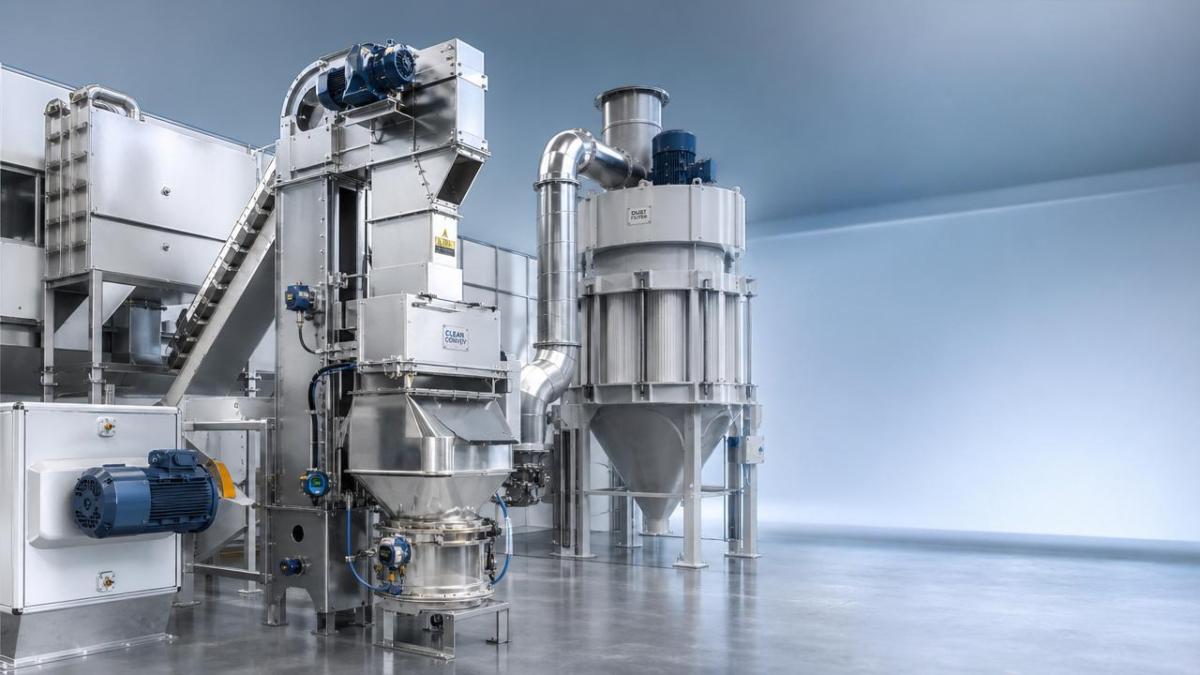
For after-sales maintenance teams, upgrading Feed & Grain processing equipment is one of the fastest ways to reduce dust risks, unplanned downtime, and recurring service calls. From enclosed conveying systems to smarter monitoring and wear-resistant components, the right improvements can strengthen plant safety, extend service intervals, and keep throughput stable. This article explores practical upgrade paths that deliver measurable reliability gains without disrupting daily operations.
Why are Feed & Grain processing equipment upgrades getting so much attention now?
Maintenance teams are under pressure from two directions at once: operators want more uptime, while safety and compliance expectations around combustible dust continue to rise. In many plants, older Feed & Grain processing equipment still performs the core process well enough, but weak points appear around transfer points, seals, bearings, aspiration lines, filter loading, and control visibility. These small weaknesses often drive the biggest service burden.
That is why upgrades are attracting attention. Instead of replacing an entire line, many facilities now retrofit the highest-risk sections. A better belt cleaner, a more enclosed drag conveyor, an upgraded baghouse isolation device, or a sensor package on critical motors can significantly reduce nuisance shutdowns. For after-sales maintenance personnel, this matters because the service objective has changed. The goal is no longer only to repair failed equipment; it is to identify where a modest modernization of Feed & Grain processing equipment can lower dust generation, improve maintainability, and reduce repeat visits.
Another reason is labor. Many sites have fewer experienced technicians available for inspection rounds, lubrication discipline, and reactive troubleshooting. Equipment that is easier to inspect, cleaner to operate, and smarter about self-reporting provides a direct advantage. In practical terms, upgrade projects are being prioritized not because they are fashionable, but because they reduce avoidable maintenance load.
Which upgrades usually cut dust the fastest in Feed & Grain processing equipment?
The fastest dust reduction usually comes from controlling escape points rather than from changing the whole process. In feed mills, grain handling terminals, and ingredient blending plants, dust often originates where material drops, changes direction, accelerates, or leaks from worn interfaces. After-sales teams should begin with the “dust map” of the plant rather than with the most expensive machine on site.
High-impact upgrade areas often include enclosed conveying, improved aspiration, upgraded rotary valves, tighter access doors, better transition chutes, and sealing packages designed for abrasive products. If a transfer tower regularly needs cleanup, that area is not only a housekeeping problem; it is a symptom of lost containment and likely accelerated wear. A properly designed chute liner, slower material impact angle, and improved dust collection balance can turn a chronic service hotspot into a stable section of the line.
Filter technology is another major gain area. Older collectors may still run, but if they pulse inefficiently, blind early, or allow pressure swings, they can trigger both dust escape and process instability. Upgraded media, differential pressure monitoring, and easier-access maintenance doors can improve capture performance while shortening service time. For many maintenance teams, this is one of the most cost-effective Feed & Grain processing equipment improvements because it affects safety, cleanliness, and uptime simultaneously.
Do not overlook simple mechanical details. Skirt rubber quality, gasket selection, shaft sealing, and access panel alignment often determine whether an enclosed system stays enclosed after six months of service. Dust control is not only a design issue; it is also a maintainability issue.
What equipment upgrades are most effective for reducing unplanned downtime?
The best downtime-reduction upgrades target failure modes that maintenance teams already know too well. In Feed & Grain processing equipment, repeat stoppages often come from bearing overheating, chain elongation, belt mistracking, screen blinding, hammer wear, airlock jamming, and sensor faults that provide too little warning. The right upgrade depends on whether the failure is caused by wear, contamination, overload, or poor visibility.
For conveyors, common improvements include misalignment switches, speed sensors, improved take-up systems, wear liners, and more durable bearings with better sealing against fines. For bucket elevators, maintenance teams should pay close attention to boot cleanup, belt tracking, lagging condition, and bearing protection. A modest retrofit in these areas can prevent shutdown cascades that affect the entire process route.
In grinding and size reduction systems, wear-resistant hammers, screens, and liners can extend service intervals, but only if airflow and feed consistency are also corrected. Otherwise, premium parts may simply wear in the same pattern as standard components. In pelleting sections, die condition monitoring, feeder consistency, roll adjustment visibility, and lubrication reliability often deliver a better return than larger mechanical changes. Maintenance decisions should therefore be tied to root causes, not only to parts catalogs.
Smart condition monitoring is becoming more valuable in older Feed & Grain processing equipment because it bridges the gap between manual inspection and full automation. Vibration sensors, temperature points, motor current analysis, and differential pressure trends can provide actionable lead time. After-sales teams especially benefit when these signals are tied to simple alarm logic and maintenance thresholds rather than to overly complex dashboards that no one uses.
How should after-sales maintenance teams prioritize upgrades when the budget is limited?
Limited budget does not mean limited opportunity. It means upgrade sequencing becomes critical. The most effective approach is to rank Feed & Grain processing equipment by a combination of safety exposure, downtime cost, maintenance frequency, spare-part spend, and impact on throughput. A machine that fails often but is easy to fix may rank below a transfer component that rarely fails but causes a full-line stop when it does.
A practical method is to review the last 12 to 24 months of work orders and separate them into three groups: repeated minor interventions, major downtime events, and cleanup-driven tasks. This often reveals where upgrades can remove invisible labor. If technicians are repeatedly tightening the same access cover, replacing the same seal, or clearing the same buildup point, the issue may be poor design for serviceability rather than poor execution.
Budget prioritization usually works best in this order: first safety-critical dust containment and ignition-risk controls; second failure points that stop production; third components with high maintenance repetition; and fourth efficiency enhancements that improve optimization but do not solve immediate reliability pain. This sequence helps maintenance teams show measurable value quickly while building support for larger modernization phases.
What mistakes do plants make when upgrading Feed & Grain processing equipment?
A common mistake is treating every reliability problem as a parts-quality problem. Upgrading to stronger components without addressing alignment, contamination, or poor airflow often produces disappointing results. For example, premium bearings will not solve chronic overheating if fines are entering housings through weak seals or if shaft loads remain abnormal because the conveyor is out of alignment.
Another frequent mistake is focusing only on machine uptime while ignoring service access. A retrofit that improves containment but makes inspections difficult can increase long-term maintenance burden. After-sales personnel should ask practical questions: Can screens, filters, liners, and seals be replaced without excessive disassembly? Can the upgraded Feed & Grain processing equipment be cleaned safely and quickly? Are lubrication points accessible? Does the new guarding support inspection without encouraging unsafe shortcuts?
Plants also underestimate integration issues. A single upgraded machine may behave differently from the upstream or downstream process. A higher-capacity conveyor can overload a screen. A tighter enclosure can change airflow demands. A more sensitive sensor package can create nuisance alarms if thresholds are not tuned to the site’s actual operating pattern. Successful projects therefore rely on commissioning discipline, baseline measurements, and operator training as much as on the equipment itself.
Finally, some facilities fail to document results. If dust, downtime, and maintenance hours are not measured before and after the project, it becomes difficult to justify the next round of upgrades. Good records turn individual maintenance wins into a plant-wide improvement strategy.
How can maintenance teams judge whether an upgrade is really delivering ROI?
Return on investment for Feed & Grain processing equipment should not be judged only by spare-part cost. The broader value includes reduced cleaning hours, fewer emergency callouts, longer intervals between shutdowns, lower product loss, steadier throughput, and improved safety performance. In many cases, the labor saved by eliminating repetitive interventions is as valuable as the hardware itself.
Maintenance teams can track a simple KPI set: mean time between failures, maintenance hours per ton processed, unplanned downtime minutes, dust cleanup frequency, filter differential pressure trend, and repeat work-order count for the same asset. These metrics make it easier to compare one upgrade path against another. They also help distinguish between a genuine reliability improvement and a change that merely shifts work from one part of the process to another.
It is also useful to review serviceability outcomes. If an upgraded access system reduces screen change time from two hours to forty minutes, that is a real operational gain. If a sensor package allows intervention before a weekend breakdown, the avoided production loss may exceed the hardware cost in one event. Good ROI analysis in Feed & Grain processing equipment is therefore operational, not only financial.
What should be confirmed before selecting a supplier or upgrade package?
Before selecting an upgrade package, maintenance teams should confirm five fundamentals. First, define the exact failure mode or dust issue being solved. Second, verify actual operating conditions, including throughput variation, product abrasiveness, moisture, and cleaning method. Third, check compatibility with existing controls, structural supports, and safety systems. Fourth, confirm spare-part availability and realistic lead times. Fifth, clarify what commissioning and post-installation support the supplier will provide.
For after-sales professionals, documentation quality matters almost as much as mechanical quality. Clear exploded views, maintenance instructions, sensor calibration guidance, lubrication recommendations, and wear-part references reduce future service friction. A supplier that understands Feed & Grain processing equipment should also be able to discuss dust behavior, maintainability, and failure history rather than only marketing performance claims.
It is wise to ask for references from similar plants, especially where products, duty cycles, and sanitation requirements resemble your own. What works in one grain terminal may not translate directly to a feed premix line or an ingredient blending facility. The best decisions come from matching the upgrade to the operating environment, not from choosing the most advanced option on paper.
Which quick FAQ points help maintenance teams make a practical start?
The most useful starting point is to ask short, operational questions and answer them with data from the plant floor. Is the main problem dust escape, recurring wear, or hidden failures? Which asset creates the most repeat work orders? Which shutdowns affect the full line? Which upgrade can be installed during a normal maintenance window? These answers usually reveal where Feed & Grain processing equipment improvements will deliver the fastest result.
- If dust is visible, start with containment, transfer design, and dust collection balance.
- If failures appear sudden, install monitoring that gives earlier warning.
- If wear costs are high, review both material selection and flow path design.
- If service time is excessive, prioritize access, isolation, and maintainability features.
- If budget is tight, target one chronic bottleneck and document the result carefully.
For teams planning the next step, the smartest conversation is not simply “What does the upgrade cost?” It is “Which failure mode are we removing, what operating data supports the change, what installation window is realistic, what maintenance tasks will disappear, and how will success be measured after startup?” If you need to confirm a specific Feed & Grain processing equipment solution, parameters, schedule, quotation, or cooperation model, begin by sharing your current dust hotspots, downtime history, service records, and target uptime improvements. That information will lead to a faster and more accurate upgrade decision.
Related Intelligence
- Milling MachineryFeed & Grain processing technology trends that affect plant expansionFeed & Grain processing technology trends are redefining plant expansion. Discover how automation, traceability, energy efficiency, and compliance upgrades can reduce risk and improve ROI.
- Milling MachineryFeed & Grain processing equipment upgrades that cut dust and downtimeFeed & Grain processing equipment upgrades can cut dust, reduce downtime, and lower maintenance costs. Discover practical retrofit ideas that improve safety, uptime, and ROI.
- Milling MachineryFeed & Grain processing equipment failures that start with poor layoutFeed & Grain processing equipment failures often begin with poor layout. Learn how smarter plant design improves uptime, safety, maintenance access, and lifecycle cost.
The Morning Broadsheet
Daily chemical briefings, market shifts, and peer-reviewed summaries delivered to your terminal.
