
The Authority in Global Agricultural Chemistry & Bio-Resources
Feed & Grain Processing Equipment: Where Downtime Starts First
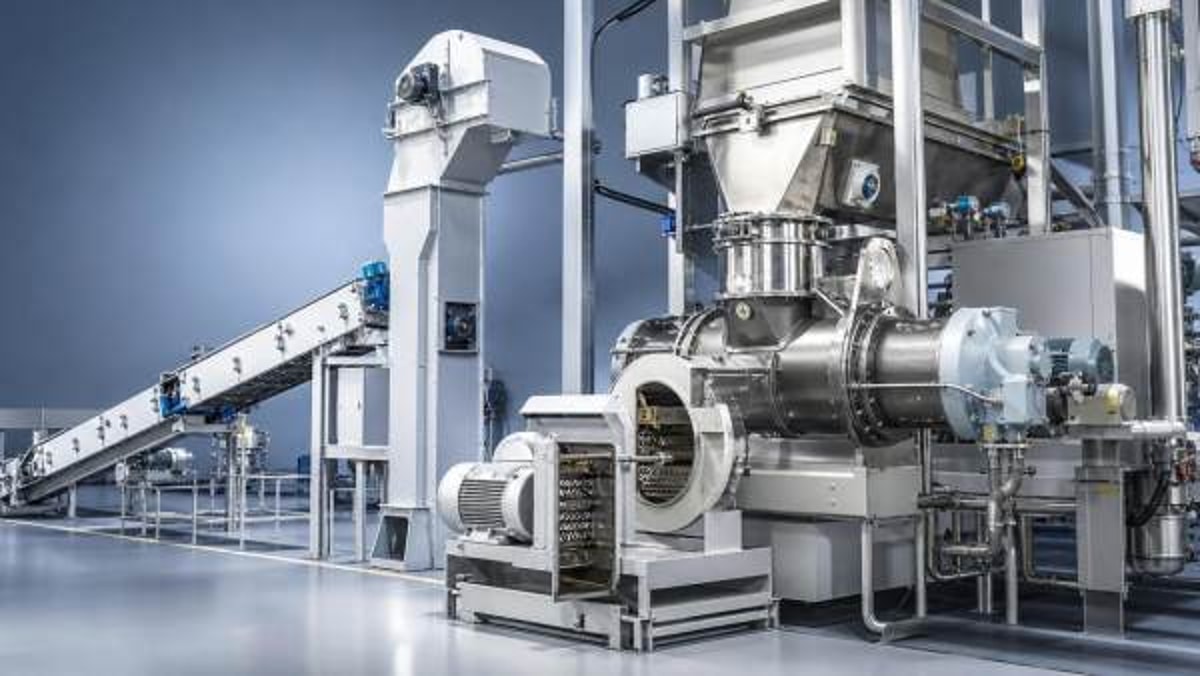
In feed & grain processing equipment, downtime rarely begins with a major breakdown—it often starts with overlooked wear points, delayed inspections, or small calibration errors. For after-sales maintenance teams, identifying these early failure triggers is critical to protecting throughput, product quality, and compliance. This article examines where disruptions typically start and how smarter preventive action can reduce costly interruptions.
Why downtime patterns differ by operating scenario
For after-sales teams supporting feed & grain processing equipment, the first maintenance question should not be “Which part fails most?” but “In what operating scenario does failure begin?” A pelleting line running high-fat poultry feed behaves differently from a grain receiving and drying system exposed to seasonal dust, variable moisture, and irregular loading. The same bearing temperature increase, motor current fluctuation, or sieve blinding event can have very different meanings depending on process conditions, production targets, sanitation routines, and operator habits.
This scenario-based approach matters because small faults are often hidden by normal production pressure. In a high-throughput mill, reduced airflow in a cooler may first appear as a minor quality drift. In a storage-transfer site, chain conveyor stretch may show up as inconsistent capacity before it becomes a mechanical stoppage. In a compliance-sensitive plant, a worn seal or inaccurate dosing system may trigger contamination risk long before it stops the line. For maintenance personnel, understanding where downtime starts first in each setting improves inspection priority, spare parts planning, and communication with operators and plant managers.
Common operating scenarios for feed & grain processing equipment
Most service calls related to feed & grain processing equipment fall into a few repeatable business scenarios. Mapping these scenarios helps after-sales teams diagnose root causes faster and recommend preventive actions that match actual operating conditions rather than generic maintenance schedules.
For searchers evaluating feed & grain processing equipment maintenance strategies, this comparison shows a practical truth: early downtime indicators are process-specific. A universal checklist is useful, but a scenario-based checklist is what reduces repeat failures.
Scenario 1: Grain receiving and conveying systems where small flow problems become shutdowns
In grain intake and transfer applications, downtime often starts with material handling instability rather than catastrophic equipment failure. Conveyors, bucket elevators, drag chains, rotary valves, and aspiration systems operate in dusty environments with fluctuating feedstock quality. When incoming grain has inconsistent moisture, foreign matter, or variable bulk density, the stress on feed & grain processing equipment increases immediately.
For after-sales maintenance staff, the key early triggers in this scenario include misaligned belts, elongated chains, plugged spouts, worn paddles, drifting belt speed sensors, and neglected dust extraction points. Operators may report “reduced efficiency” or “intermittent alarms,” but these are often the start of a larger stoppage path. If a plugged chute causes material backup, downstream motors may overload, elevator legs may jam, and safety devices may trip repeatedly.
The best preventive action here is inspection by material flow path rather than by machine list alone. Service teams should check transfer points, boot sections, discharge lips, scraper condition, and sensor cleanliness during each visit. In facilities with seasonal surges, maintenance intervals for conveying components should tighten before harvest peaks rather than after complaints begin.
Scenario 2: Grinding lines where wear starts quietly but affects throughput fast
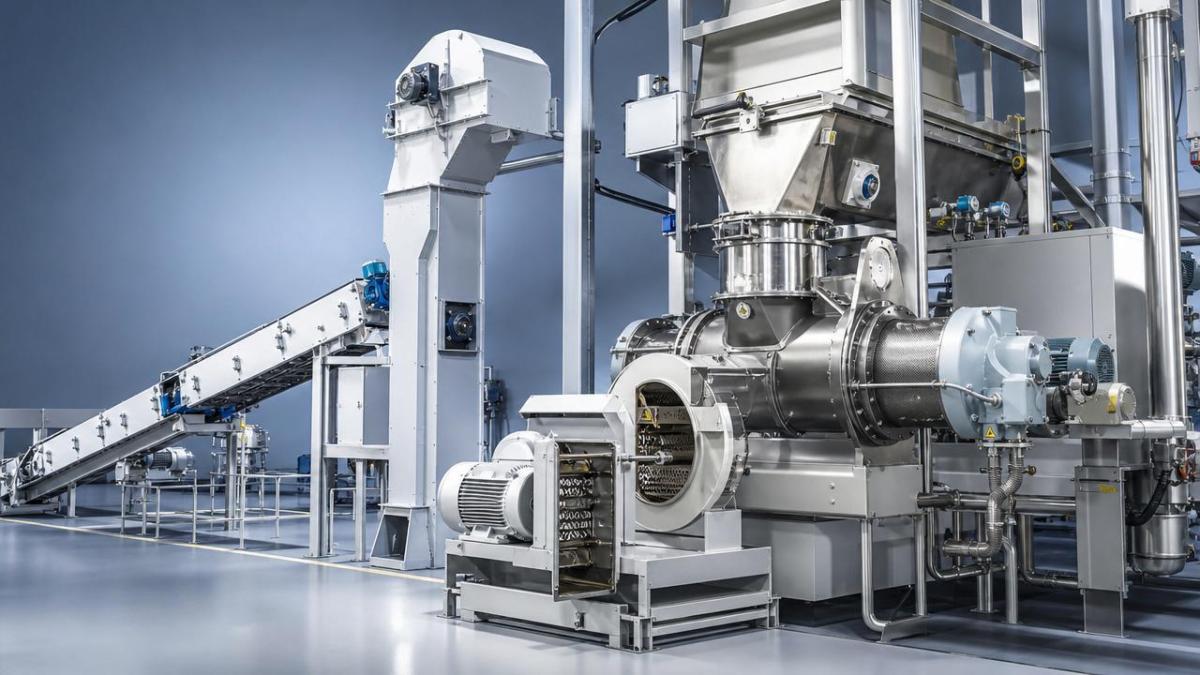
Hammer mills and other size reduction units are among the most sensitive parts of feed & grain processing equipment because they combine mechanical impact, airflow dependence, and strict particle size expectations. Downtime rarely starts when the mill stops outright. It usually begins when screens wear unevenly, hammers lose edge consistency, or vibration increases beyond normal tolerance.
In a livestock feed plant, these changes may first appear as reduced capacity or a higher recirculation load. In specialty feed applications, they may show up as off-spec particle distribution that affects mixing quality and pellet durability later in the line. After-sales teams should therefore watch for motor amperage changes, temperature rise at bearings, reduced suction performance, and visible hammer pattern imbalance. These indicators often precede serious shaft, coupling, or housing damage.
Scenario fit matters here as well. A mill running abrasive ingredients requires shorter inspection cycles than one processing more uniform grain. A plant switching formulas frequently may need tighter changeover cleaning and screen checks because residue buildup changes performance. For maintenance crews, the right recommendation is not simply “replace parts regularly,” but “replace wear parts according to product mix, dust load, and actual vibration trend.”
Scenario 3: Mixing and batching lines where accuracy failure starts before mechanical failure
In batching and mixing applications, feed & grain processing equipment can continue running even while performance is already degraded. That makes this scenario especially risky for after-sales maintenance teams, because the first signs of downtime may appear as quality complaints, formulation inconsistencies, or compliance concerns instead of machine alarms.
Common early points of failure include load cell drift, sticky micro-ingredient feeders, pneumatic valve delay, worn discharge gates, and inadequate mixer cleanout. If dosing systems lose precision gradually, a site may still hit throughput targets while missing nutrient or additive tolerances. Over time, this leads to customer claims, rework, waste, and eventually emergency stoppages for recalibration or component replacement.
This scenario is common in operations where product variety is high and batch traceability matters. The maintenance response should include calibration verification under actual production conditions, not only during idle tests. Teams should also review valve response time logs, gate sealing condition, and residue patterns after each formula family. In feed & grain processing equipment, dosing errors often begin at the interface between mechanical wear and control-system assumptions.
Scenario 4: Pelleting and extrusion lines where process instability causes the first interruption
Pelleting and extrusion are among the most demanding applications for feed & grain processing equipment because mechanical, thermal, and moisture variables interact continuously. Here, downtime usually starts first with process instability. Die choking, roller slip, feeder inconsistency, steam quality variation, and conditioner buildup may not stop the line immediately, but they quickly reduce output and raise energy consumption.
After-sales maintenance personnel should pay close attention to product changeovers, ingredient fat levels, conditioning temperature consistency, and die life history. A worn die does more than lower throughput; it changes motor load, pellet quality, and downstream cooling behavior. Roller adjustment errors create uneven compaction, while poor steam trap maintenance causes moisture inconsistency that is often misdiagnosed as a raw material issue.
This is a scenario where maintenance and operations must work closely. If operators compensate manually for unstable process conditions, equipment damage can accelerate unnoticed. A strong support plan includes die and roller inspection intervals, feeder response checks, steam line audits, and trend review of production data such as amperage, tons per hour, and pellet durability index.
Scenario 5: Cooling, screening, and packing areas where “minor” end-of-line issues create major downtime
End-of-line equipment is often underestimated in feed & grain processing equipment maintenance planning. Yet coolers, sifters, dryers, bagging stations, and sealing systems are frequent starting points for production disruption. Because they sit later in the process, problems here can force upstream slowdowns or full line stoppages even when core machinery remains healthy.
Typical warning signs include reduced fan performance, clogged air ducts, screen tears, discharge timing drift, weighing inaccuracy, and degraded seals. In pelleted feed plants, poor cooling balance can cause product breakage, condensation risk, or storage instability. In grain finishing operations, damaged screens may allow oversized or contaminated material into final loads. In bagging systems, a small misalignment in filling heads can create product loss, housekeeping burden, and repeated operator intervention.
For service teams, this scenario requires a systems view. Instead of treating each end-of-line machine separately, inspect airflow, residence time, vibration, weighing repeatability, and operator adjustment frequency together. Many “random” shutdowns actually begin when small quality losses at the final stage force the whole process to pause.
How maintenance priorities change by plant type and business pressure
Not every facility should maintain feed & grain processing equipment in the same way. A commercial feed mill running multiple formulas per shift, a grain terminal focused on transfer efficiency, and an integrated farm processing site with limited technical staff each face different risks. After-sales maintenance planning should reflect those differences.
This type of scenario matching improves both uptime and customer trust. It also aligns with how institutional buyers and operations leaders evaluate service quality: not by generic promises, but by whether the maintenance program fits their production reality.
Frequent misjudgments that cause avoidable downtime
Several repeat mistakes make feed & grain processing equipment more vulnerable to unplanned interruption. The first is over-focusing on major rotating assets while ignoring transfer points, seals, gates, and sensors. The second is relying on fixed maintenance intervals without adjusting for ingredient changes, ambient dust, seasonal moisture, or production intensity. The third is treating operator complaints as “minor nuisance issues” when they actually describe the earliest performance shift.
Another common error is separating mechanical and process analysis. In many service cases, the root cause sits between the two. A feeder may appear mechanically sound, yet poor control tuning causes surge loading. A pelleting line may seem to have a die problem, while the deeper issue is unstable conditioning. A conveyor may repeatedly trip because of material flow behavior, not motor failure alone. After-sales teams that diagnose only by component often miss the bigger reliability pattern.
Practical scenario-fit recommendations for after-sales teams
To reduce downtime in feed & grain processing equipment, maintenance teams should structure service around the site’s actual operating scenario. Start by classifying the facility by process type, throughput pressure, formula complexity, staffing level, and environmental exposure. Then build inspection routines that rank failure triggers by production consequence, not only by part value.
A practical field checklist should include: trend review of amperage and temperature, visual wear mapping at flow bottlenecks, calibration confirmation for batching points, verification of air and steam system performance, and operator interviews about recurring micro-stoppages. These micro-events are where downtime starts first. If captured early, they give after-sales personnel a chance to recommend maintenance before the customer experiences a major interruption.
For organizations publishing technical credibility in industrial sectors, including journals such as AgriChem Chronicle, the most useful insight is clear: feed & grain processing equipment reliability is best understood through application context. Plants do not fail in theory; they fail in specific scenarios, under specific loads, with specific maintenance blind spots. The teams that identify those patterns earliest are the ones that protect uptime, product quality, and long-term customer confidence.
Conclusion: confirm the scenario before prescribing the fix
If you support feed & grain processing equipment after sale, the fastest way to improve maintenance results is to stop viewing downtime as a single event. Instead, trace where disruption begins in each scenario: conveying, grinding, batching, pelleting, or end-of-line handling. Each setting has its own warning signs, maintenance priorities, and decision points. When you match service actions to real operating conditions, preventive maintenance becomes more precise, spare parts become more strategic, and shutdowns become far less expensive.
Before the next service visit, ask three questions: What process stage creates the earliest instability? Which small faults are operators normalizing? And which components are affecting quality before they affect uptime? The answers will reveal where downtime truly starts first—and where smarter intervention should begin.
Related Intelligence
- Milling MachineryFeed & Grain Processing Technology Trends Worth Watching in 2026Feed & Grain processing technology trends for 2026: discover smarter automation, energy-saving systems, and traceability upgrades that help buyers improve efficiency and reduce risk.
- Milling MachineryFeed & Grain Processing Equipment: Where Downtime Starts FirstFeed & Grain processing equipment downtime often starts with small wear points, sensor drift, or calibration errors. Learn the first failure triggers and smarter maintenance actions to protect uptime.
- Milling MachineryFeed and Grain equipment upgrades that shorten cleaning downtimeFeed & Grain equipment upgrades that cut cleaning downtime: discover practical retrofits for conveyors, access points, dust control, and washdown design to boost uptime.
The Morning Broadsheet
Daily chemical briefings, market shifts, and peer-reviewed summaries delivered to your terminal.
