
Grass Forage Chopper Output vs Power Use
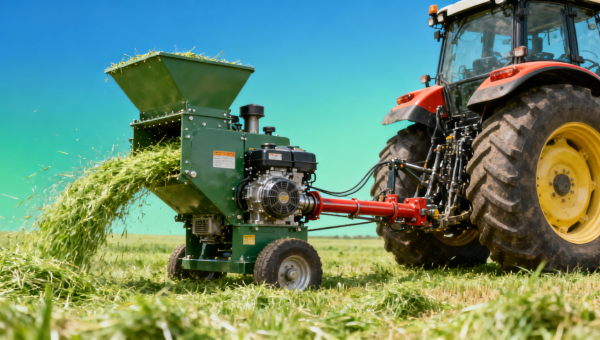
When evaluating a grass forage chopper, output alone is not enough—power consumption determines real operating efficiency, fuel cost, and long-term return. For buyers comparing agricultural diesel engines, tractor implement parts, and pto drive shafts bulk options, understanding the balance between throughput and energy use is essential for smarter procurement and field performance.
Why output versus power use matters in forage chopper selection
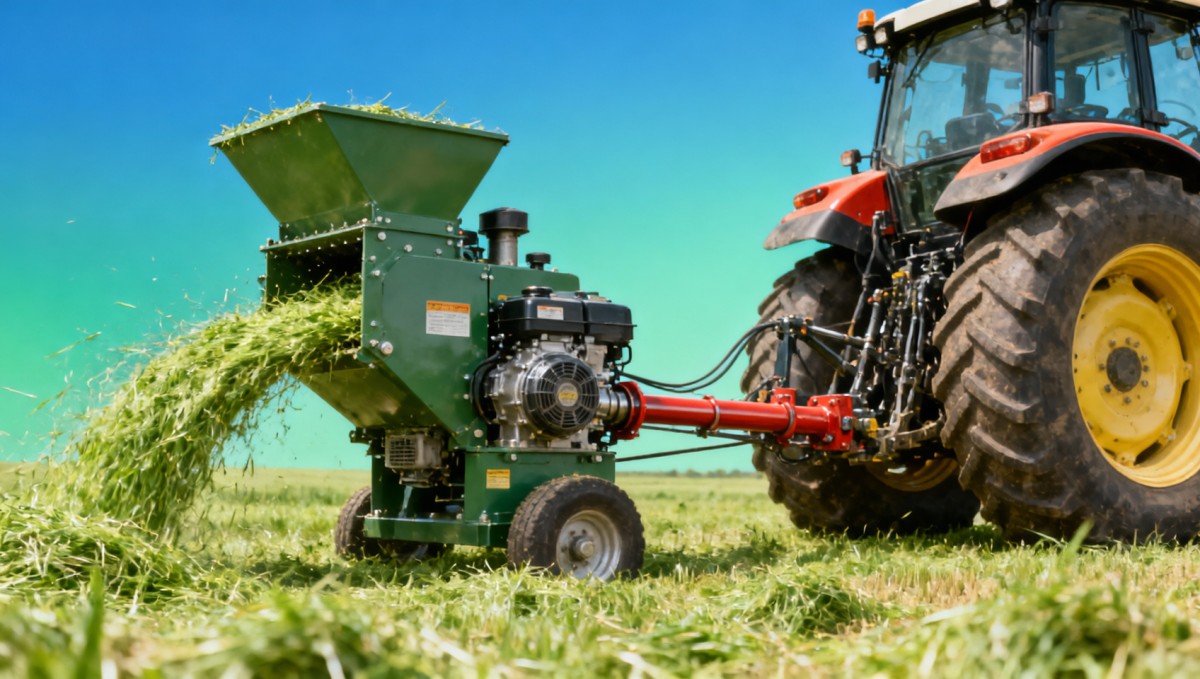
In practical forage processing, a grass forage chopper is judged by two linked indicators: how many kilograms or tons it handles per hour, and how much power it consumes to achieve that result. A machine that advertises high throughput but requires excessive tractor horsepower, unstable PTO transmission, or elevated diesel consumption may weaken total operating economics across a 1-season, 3-season, or 5-year ownership horizon.
For technical evaluators and procurement teams, the real question is not simply whether a chopper can cut grass, straw, or silage. The better question is whether the machine can maintain stable output across varying moisture levels, crop density, and feed length targets while staying within the available 15 kW–90 kW power band of the existing farm or contractor fleet.
This is especially important in mixed procurement environments where agricultural diesel engines, tractor implement parts, and pto drive shafts bulk purchases are evaluated together. A mismatch in rotor load, shaft torque, blade resistance, or feeder speed can lead to hidden costs: rising fuel use per ton, faster wear on couplings, and more downtime during peak harvest windows that may last only 7–15 days.
AgriChem Chronicle addresses this topic from a decision-support perspective rather than a brochure perspective. Institutional buyers, project managers, and distributors do not need isolated machine claims; they need cross-functional interpretation linking processing capacity, mechanical compatibility, maintenance burden, compliance expectations, and purchasing risk in regulated and cost-sensitive primary industries.
What buyers should measure first
- Rated output under a defined material condition, such as fresh grass, semi-dry forage, or chopped stalk feed, rather than a single headline number.
- Power source range, including motor drive, diesel engine drive, or PTO-driven operation, with matching torque and speed requirements.
- Energy cost per ton processed, which is more useful for budget review than hourly power alone.
- Maintenance intervals for blades, bearings, belts, and pto drive shafts, especially where daily operation exceeds 6–10 hours.
How to read technical performance without being misled by headline capacity
A forage chopper’s output depends on more than motor size. Rotor diameter, blade count, feed roller grip, screen design, cutting angle, and discharge resistance all influence actual throughput. In many field settings, a machine rated for high capacity under dry, uniform material may drop significantly when handling wet grass, long fiber forage, or mixed crop residue with variable stem hardness.
Power use should also be interpreted correctly. A lower-kilowatt unit is not always more economical if it forces slower feeding, repeated passes, or irregular particle size that reduces downstream feed handling quality. Likewise, a higher-power system can be justified when it delivers more stable tonnage per hour, shorter batch cycles, and lower cost per processed ton over continuous shifts.
For this reason, buyers often compare at least 3 core indicators: throughput range, energy draw or fuel use, and cut consistency. If any one of these is reviewed in isolation, the selection can become distorted. Quality and safety teams should also assess vibration, guarding, overload behavior, and debris tolerance, particularly where stones, soil contamination, or fibrous wrapping material may enter the feed stream.
The table below helps frame a practical comparison between typical operating bands. These are not universal model specifications; they are common evaluation ranges used in preliminary sourcing and technical screening across small, medium, and larger forage handling operations.
The key reading is not that higher bands are always better, but that each band must align with crop type, shift length, and available power infrastructure. A 5–12 t/h system may be oversized for buyers who process forage only 2–3 days per month, while a 0.5–1.5 t/h unit may create bottlenecks in peak harvest periods.
Three technical signs of a balanced machine
Stable load handling
When incoming feed density changes, a balanced machine should avoid sudden torque spikes, excessive belt slip, or abrupt reduction in cutting quality. This matters most during mixed material runs or where moisture varies through the day.
Reasonable energy per ton
If the machine processes more material but consumes disproportionately more fuel or electricity, the gain may be superficial. Cost per ton is a stronger procurement metric than no-load power or catalog horsepower.
Manageable service cycle
Blade replacement frequency, lubrication points, and access to wear parts should match the user’s maintenance capability. For many commercial users, daily inspection plus a 250-hour or 500-hour service rhythm is more realistic than complex maintenance demands.
Which power configuration fits your operation: diesel, electric, or PTO?
Power matching is often where procurement errors begin. Buyers may focus on the chopper body while underestimating the impact of drive architecture. In forage processing, the power path matters as much as the cutter itself because output stability depends on how torque is transmitted under changing feed resistance and operating hours.
Electric drive units can be attractive where grid supply is stable and daily operation follows a fixed schedule. Diesel-powered units suit remote or mobile applications, especially where field-side chopping is required. PTO-driven systems remain common because they leverage existing tractor power, but they demand careful evaluation of PTO speed, shaft protection, universal joint durability, and implement compatibility.
For procurement personnel comparing agricultural diesel engines and pto drive shafts bulk options, the decision is not simply about initial price. It also concerns uptime, parts interchangeability, operator training, and whether the drive solution can support 4–8 hours of continuous seasonal work without excessive heat, vibration, or power loss.
The following comparison table helps translate common sourcing questions into operational trade-offs, especially for farm operators, distributors, and project teams consolidating machinery and tractor implement parts into one purchasing plan.
For many buyers, PTO drive looks cost-efficient because it avoids a dedicated engine. However, total performance depends on the tractor’s available reserve power after traction and hydraulic loads are considered. If the tractor operates near its upper power limit, throughput can fluctuate and fuel use per ton may worsen instead of improve.
Checklist before approving a PTO-driven forage chopper
- Confirm the PTO speed standard required by the implement and whether your tractor can maintain stable rpm under load.
- Review shaft guard quality, joint angle limits, and replacement lead time for pto drive shafts bulk orders.
- Verify the tractor’s realistic power reserve during continuous operation, not just nameplate output.
- Check whether blade and feed system resistance suits the expected forage type across 1–3 seasonal crop varieties.
What should procurement and finance teams compare before issuing a purchase order?
For B2B buyers, the strongest purchasing decisions come from total-use analysis rather than catalog comparison alone. A grass forage chopper should be screened across at least 5 dimensions: hourly output, energy or fuel cost, wear-part frequency, spare parts access, and compatibility with existing agricultural diesel engines or tractor implement parts already in service.
Finance approvers typically need a clearer view of how operating expenditure behaves over time. A lower upfront quote may look attractive, yet if blade changes are frequent, downtime increases during critical harvest periods, or the machine requires a heavier tractor than planned, the ownership picture changes quickly. This is why procurement files should include both capital cost and seasonal operating assumptions.
Project managers and technical teams should also ask whether the supplier can provide a complete data set for implementation. In many cases, the missing items are not the machine itself, but shaft specifications, guard details, feeder settings, operator manuals, spare-part lists, and expected service intervals for the first 250–500 hours.
The matrix below is useful for pre-award evaluation meetings because it converts technical discussions into procurement language that purchasing, finance, maintenance, and safety personnel can all review together.
This approach is particularly valuable for distributors and agents who need standardized evaluation language across multiple manufacturers. It helps ensure that output and power use are measured consistently, making side-by-side quotation review more defensible in both technical and commercial meetings.
Common cost drivers buyers overlook
- Blade and hammer wear accelerating under abrasive material contamination such as sand or small stones.
- Extra tractor fuel use when the implement is too demanding for the available PTO reserve.
- Long spare-part lead times during seasonal demand spikes, often more damaging than the original purchase price difference.
- Unplanned replacement of couplings or pto drive shafts due to underspecified torque capacity or poor alignment.
A practical approval model
Many enterprise buyers use a 3-step approval model: technical suitability, cost justification, and operational risk review. If a forage chopper passes all three, the purchase decision becomes more robust than simply choosing the lowest quoted unit.
Which standards, safety points, and field risks should not be ignored?
Although a forage chopper is not purchased under the same framework as pharmaceutical ingredients or chemical intermediates, professional buyers in primary industries increasingly expect similar discipline in documentation, traceability, and operating control. Safety and quality teams should ask for machine manuals, maintenance schedules, protective device descriptions, and the intended duty conditions before commissioning.
Where machinery enters export markets or regulated supply chains, general references to machinery safety, electrical safety, guarding, noise management, and environmental operating conditions become relevant. The exact obligations vary by market, but buyers should still review whether supplied documentation is sufficient for installation, operator training, routine inspection, and audit preparation.
Risk rises when output targets pressure operators to overfeed the machine. This can increase shaft shock loading, feed blockage, blade damage, and operator exposure during unblocking attempts. In seasonal peak periods, even a few hours of downtime can disrupt feeding plans, contracting schedules, or downstream feed processing. Therefore, risk control is not a secondary topic; it directly affects output and total cost.
AgriChem Chronicle’s value in this context lies in connecting engineering, procurement, and compliance thinking. That cross-disciplinary view is increasingly important when industrial buyers are expected to justify not only price, but also operational resilience, traceable sourcing, and safe integration with existing assets.
Four field risks that reduce output-to-power efficiency
- Improper blade condition, which raises cutting resistance and increases energy use without improving throughput.
- Inconsistent feed presentation, causing uneven loading and unnecessary torque spikes.
- Incorrect PTO shaft geometry or poor guarding, leading to vibration, wear, and maintenance interruption.
- Using the machine outside its intended moisture or material range, which often causes blockage and unstable performance.
Routine checks worth formalizing
A concise inspection routine before each shift can include 6 items: blade condition, fastener tightness, guard integrity, lubrication status, feeder cleanliness, and driveline alignment. For higher-duty operations, a weekly record and a monthly maintenance review provide better control than reactive repair alone.
Why documentation matters to distributors
Distributors and agents often face post-sale queries on installation and service. Clear documentation reduces dispute risk, shortens commissioning time, and improves resale confidence across dealer networks handling multiple lines of agricultural machinery and tractor implement parts.
FAQ: practical questions buyers ask about forage chopper output and power use
How do I compare two grass forage choppers if both claim similar output?
Compare them under the same material condition and duty cycle. Ask for throughput at similar moisture, target cut size, and continuous operating duration such as 4 hours or 8 hours. Then review power input, fuel or electricity use per ton, and wear-part replacement frequency. Similar headline output can hide very different operating costs.
Is a higher horsepower machine always the safer procurement decision?
Not always. A larger unit can provide reserve capacity, but if your forage volume is limited or your tractor fleet cannot support the implement correctly, the system may be underused and more expensive to operate. The better choice is a balanced match between crop volume, operating window, and available drive power.
What should I ask when sourcing pto drive shafts bulk for chopper applications?
Request torque rating, applicable PTO speed, shaft length range, guard construction, joint angle tolerance, and spare-part availability. Also confirm whether the shaft specification reflects intermittent load only or continuous heavy-duty chopping. This prevents early wear and improves safety during peak seasonal use.
How long is a typical procurement and commissioning cycle?
For standard configurations, sourcing, technical clarification, and delivery planning may take 2–6 weeks depending on power type, spare-part packaging, and export documentation. Commissioning can be much shorter if installation conditions are already prepared, but buyers should still schedule time for operator training, safety checks, and test runs.
What is the biggest misconception about output versus power use?
The biggest misconception is treating output as an isolated performance number. In reality, buyers should focus on usable output under real load, because power draw, maintenance burden, and drive compatibility determine whether the machine remains efficient after the first demonstration or the first week of operation.
Why work with AgriChem Chronicle when evaluating machinery sourcing decisions?
In complex industrial purchasing, credible information is part of the procurement asset. AgriChem Chronicle supports buyers and suppliers by translating technical claims into decision-grade analysis that procurement, engineering, finance, and compliance teams can use together. That matters when evaluating grass forage chopper output, power use, agricultural diesel engines, and related tractor implement parts across fragmented global supply chains.
Our editorial framework is built for sectors where equipment performance cannot be separated from standards, traceability, and implementation realism. For manufacturers, OEMs, and specialized distributors, this provides a stronger path to visibility among institutional buyers. For sourcing teams, it creates a clearer basis for comparing offers, reviewing technical literature, and reducing avoidable commercial risk.
If you are reviewing a grass forage chopper project, you can consult on 6 high-value topics before moving forward: parameter confirmation, power matching, PTO driveline selection, expected delivery cycle, documentation and compliance needs, and quotation comparison. This is especially useful when multiple departments must approve the same purchase.
You can also engage ACC for content-led market positioning if your organization supplies forage processing machinery, agricultural diesel engines, pto drive shafts bulk, or complementary tractor implement parts. By aligning technical capability with a trusted editorial environment, your team can present validated operational strengths directly to global buyers who evaluate on evidence, not noise.
What you can discuss next
- Whether your target output range is realistic for the forage type and moisture profile you handle.
- Which drive mode best fits your site: electric, diesel, or PTO-based configuration.
- How to compare delivery timing, spare-part support, and first-year maintenance assumptions.
- How to structure a clearer RFQ for equipment, shafts, accessories, and documentation in one package.
For teams that need practical clarity before committing budget, this is the right stage to validate specifications, request structured comparisons, and align technical and commercial expectations early. That reduces procurement friction and improves the likelihood that the selected forage chopper will deliver efficient output without disproportionate power use.
Related Intelligence
- Commercial Feed PelletChina Launches GB 13078-2026 Draft for Commercial Feed PelletsGB 13078-2026 draft mandates mycotoxin monitoring, AMR gene screening & carbon labeling for China’s commercial feed pellets — act now to ensure 2027 compliance.
- Commercial Feed PelletChina to Upgrade Commercial Feed Pellet Standard to Mandatory by 2027China’s Commercial Feed Pellet standard (GB/T 19541) becomes mandatory by 2027—stricter mycotoxin limits, full traceability & urgent compliance prep for feed producers, suppliers & exporters.
- Commercial Feed PelletChina Upgrades 12 Feed Pellet Standards to Mandatory GBChina upgrades 12 feed pellet standards to mandatory GB—new mycotoxin testing, heavy metal limits & carbon footprint rules. Act now for EU, Saudi, Vietnam compliance!
The Morning Broadsheet
Daily chemical briefings, market shifts, and peer-reviewed summaries delivered to your terminal.
