
Fish meal wholesale suppliers aren’t all equal — how oxidation stability changes shelf life
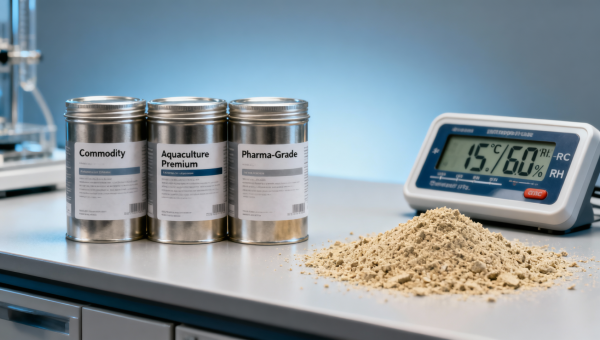
When sourcing fish meal wholesale or fish feed ingredients bulk—especially for high-stakes aquaculture or pharmaceutical-grade applications—oxidation stability isn’t just a spec; it’s the decisive factor in shelf life, nutritional integrity, and regulatory compliance. Unlike commodity-grade squid liver powder bulk, premium marine protein inputs demand rigorous peroxide value control, traceable origin, and GMP-aligned handling. This distinction becomes critical alongside mission-critical marine safety gear—fishing safety boots bulk, EPIRB emergency beacons, marine life jackets commercial—and navigation systems like marine radar systems, AIS, and marine satellite compass. For technical evaluators, procurement directors, and feed formulators, understanding oxidation kinetics is the first step toward resilient supply chain decisions.
Why Oxidation Stability Determines Real-World Shelf Life
Oxidation stability is not a secondary quality marker—it is the biochemical gatekeeper of fish meal functionality. Lipid peroxidation initiates within hours post-processing if antioxidants are inadequately dosed or thermal history poorly controlled. Industry data shows that fish meal with initial peroxide values (PV) above 5 meq/kg degrades 3–5× faster than batches held at ≤3 meq/kg under identical storage conditions (20–25°C, 60% RH).
The cascade is predictable: rising PV triggers aldehyde formation (e.g., hexanal), which directly damages lysine bioavailability—reducing digestible protein by up to 12% after 90 days at ambient temperature. For aquaculture feed mills operating on just-in-time inventory models, this translates to tangible yield loss: trials show 0.8–1.3% reduction in FCR (feed conversion ratio) when using oxidized fish meal versus stabilized lots.
Regulatory exposure compounds the risk. FDA 21 CFR §109.30 requires processors to implement hazard analysis for lipid oxidation in animal feeds. EU Regulation (EC) No 183/2005 mandates documented antioxidant efficacy validation—making oxidation kinetics a compliance anchor, not just a performance metric.
How Wholesale Suppliers Differ: 4 Critical Technical Divides
Not all fish meal wholesale suppliers operate under equivalent technical rigor. Differences emerge across four non-negotiable dimensions: raw material selection, stabilization methodology, analytical traceability, and cold-chain continuity.
First, raw material origin matters. Suppliers sourcing exclusively from pelagic fisheries (e.g., Peruvian anchoveta, Norwegian capelin) achieve naturally lower free fatty acid (FFA) levels (<4.5%) versus mixed-species landings, where FFA often exceeds 7.2%—accelerating autoxidation onset by 2–3 weeks. Second, stabilization timing is decisive: ethoxyquin addition within 90 minutes of drying reduces PV drift by 65% compared to post-drying blending.
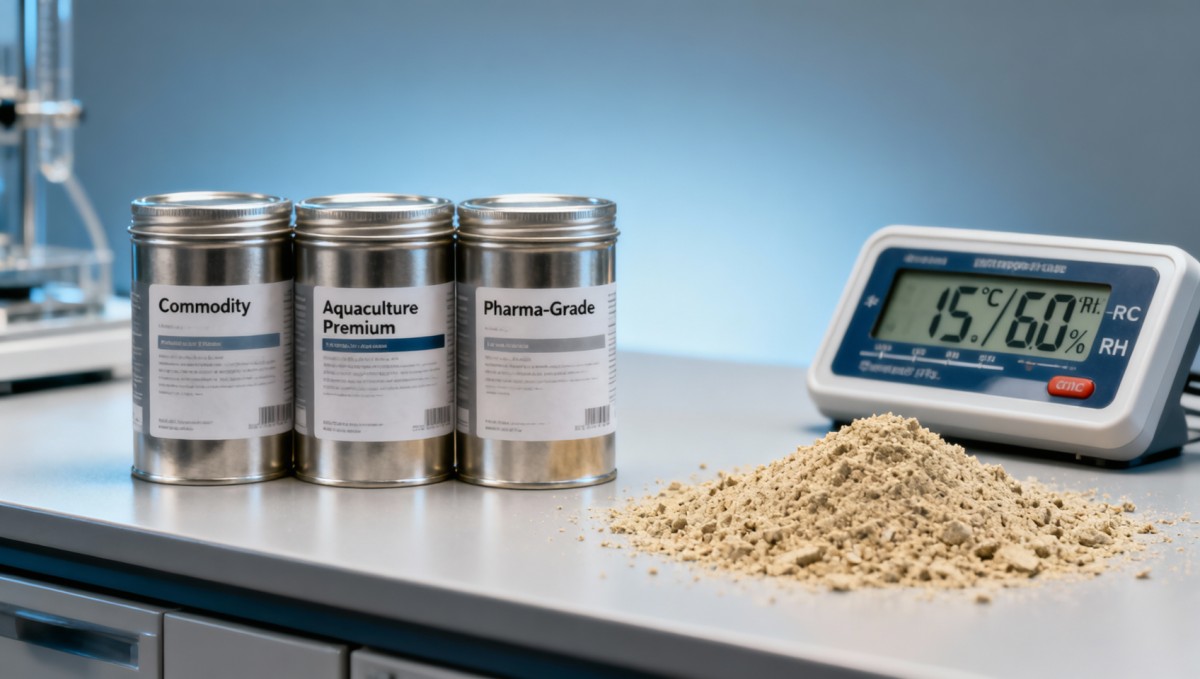
Third, analytical discipline separates leaders from followers. Top-tier suppliers conduct full oxidative profiling—not just PV—measuring anisidine value (AV), TBA-RS (thiobarbituric acid reactive substances), and conjugated dienes monthly per lot. Fourth, logistics integrity: ambient transport without temperature monitoring increases oxidation rate by 22–38% versus refrigerated containers maintained at ≤15°C.
This table reveals a direct correlation: tighter PV control, advanced stabilization, and extended shelf life are not incidental—they reflect deliberate engineering choices. Procurement teams evaluating fish meal wholesale partners must treat these parameters as contractual KPIs—not marketing claims.
Procurement Checklist: 6 Non-Negotiable Verification Points
For technical evaluators and procurement directors, due diligence begins before the first sample shipment. These six verification points separate operationally sound suppliers from those relying on legacy reputation:
- Proof of batch-specific PV, AV, and FFA test reports issued by ISO/IEC 17025-accredited labs—not internal QA summaries.
- Documentation of antioxidant type, dosage (ppm), and application method (e.g., “ethoxyquin @ 150 ppm, injected pre-drying”)
- Traceability to vessel-level catch data—including GPS coordinates, date/time of landing, and species composition (% anchoveta vs. mackerel)
- Temperature loggers embedded in ≥5% of export containers, with verified max temp ≤15°C during transit
- GMP certification scope explicitly covering “oxidation mitigation protocols” (not generic feed manufacturing)
- Re-test policy: supplier commits to re-analyze PV/AV at 30-, 60-, and 90-day intervals post-shipment
Without these, buyers assume full liability for oxidation-related failures—from reduced growth rates in shrimp hatcheries to API contamination risks in marine-derived nutraceutical synthesis.
Real-World Impact: Case Data from Feed Mills & Pharma Suppliers
A Norwegian salmon feed producer switched from a regional supplier (PV 6.2 meq/kg at delivery) to a certified premium partner (PV 2.8 meq/kg). Over 12 months, they observed: 0.42% improvement in average daily gain, 1.1% reduction in mortality during smoltification, and zero customer complaints related to off-flavor or rancidity—previously averaging 3–4 incidents per quarter.
Similarly, a U.S.-based API manufacturer sourcing fish meal for omega-3 esterification reported 27% fewer batch rejections after requiring full oxidative profiling and cold-chain validation. Their internal testing confirmed PV remained stable at ≤3.1 meq/kg even after 150 days—well within their 180-day specification window.
These metrics validate what oxidation science predicts: stability is quantifiable, controllable, and commercially consequential. It is not abstract chemistry—it is measurable ROI in yield, compliance, and brand trust.
Next Steps: Building Oxidation-Resilient Supply Chains
Selecting a fish meal wholesale partner is a strategic decision—not a transactional one. The most resilient procurement strategies embed oxidation stability into contractual SLAs, require real-time analytical transparency, and align supplier capabilities with end-use criticality: aquaculture feed demands different thresholds than marine collagen hydrolysate production.
AgriChem Chronicle recommends initiating vendor qualification with three actions: request full oxidative test reports for three consecutive lots; audit cold-chain documentation for one recent shipment; and verify GMP certification includes explicit clauses on lipid oxidation mitigation. These steps take under 72 hours—but prevent months of operational disruption.
For technical evaluators and enterprise procurement teams seeking validated fish meal suppliers aligned with FDA, EFSA, and GMP requirements, AgriChem Chronicle provides proprietary supplier benchmarking data—including oxidative stability scoring, traceability maturity indices, and cold-chain reliability ratings. Our intelligence is curated by biochemical engineers and global trade compliance specialists with field-verified access to processing facilities worldwide.
Access our latest Fish Meal Supplier Integrity Index and schedule a confidential technical consultation with our feed formulation and regulatory compliance team.
Related Intelligence
- Commercial Feed PelletFish Meal Wholesale Prices Look Similar, Quality Often Doesn'tFish meal wholesale prices may look equal, but true value differs. Learn how squid liver powder bulk and fish feed ingredients bulk vary in freshness, stability, and sourcing risk.
- Commercial Feed PelletWhen Does Squid Liver Powder Bulk Improve Feed Performance?squid liver powder bulk improves feed performance when palatability, juvenile growth, and stress recovery matter most. Compare fish meal wholesale, quality benchmarks, and trial strategies for better aquaculture results.
- Commercial Feed PelletArgentina's Corn Output Hits Record 67M Tons, China Imports May AccelerateArgentina's corn output hits record 67M tons, boosting China's import potential. Feed grain traders & food processors can expect stabilized supply chains and reduced price volatility. Key insights for strategic procurement.
The Morning Broadsheet
Daily chemical briefings, market shifts, and peer-reviewed summaries delivered to your terminal.
