
When Does Squid Liver Powder Bulk Improve Feed Performance?
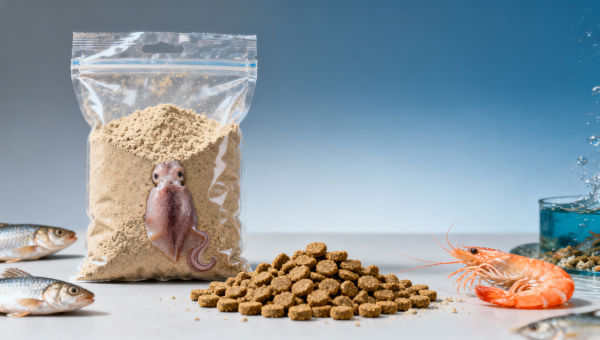
Feed formulators and aquaculture buyers often ask when squid liver powder bulk delivers measurable gains over standard fish feed ingredients bulk or fish meal wholesale. The answer depends on species, growth stage, inclusion rate, and raw material quality. This article examines the performance triggers, procurement considerations, and quality benchmarks that help technical teams and commercial decision-makers evaluate its real feeding value.
In commercial aquaculture and feed processing, ingredient decisions are rarely driven by crude protein alone. Purchasing teams must weigh digestibility, palatability, lipid profile, freshness, contamination risk, batch consistency, and cost per unit of biological response. For many operations, squid liver powder bulk becomes relevant not as a universal replacement for fish meal wholesale, but as a targeted performance ingredient used in specific formulas and production windows.
This is especially true for hatcheries, shrimp farms, marine fish producers, and compound feed mills serving premium species. In these settings, even a 3%–8% improvement in feed intake, survival, or feed conversion ratio can materially affect revenue, cycle time, and biomass recovery. That makes a disciplined evaluation framework essential for R&D, procurement, quality control, finance, and farm management teams.
Where Squid Liver Powder Bulk Delivers the Strongest Performance Gains
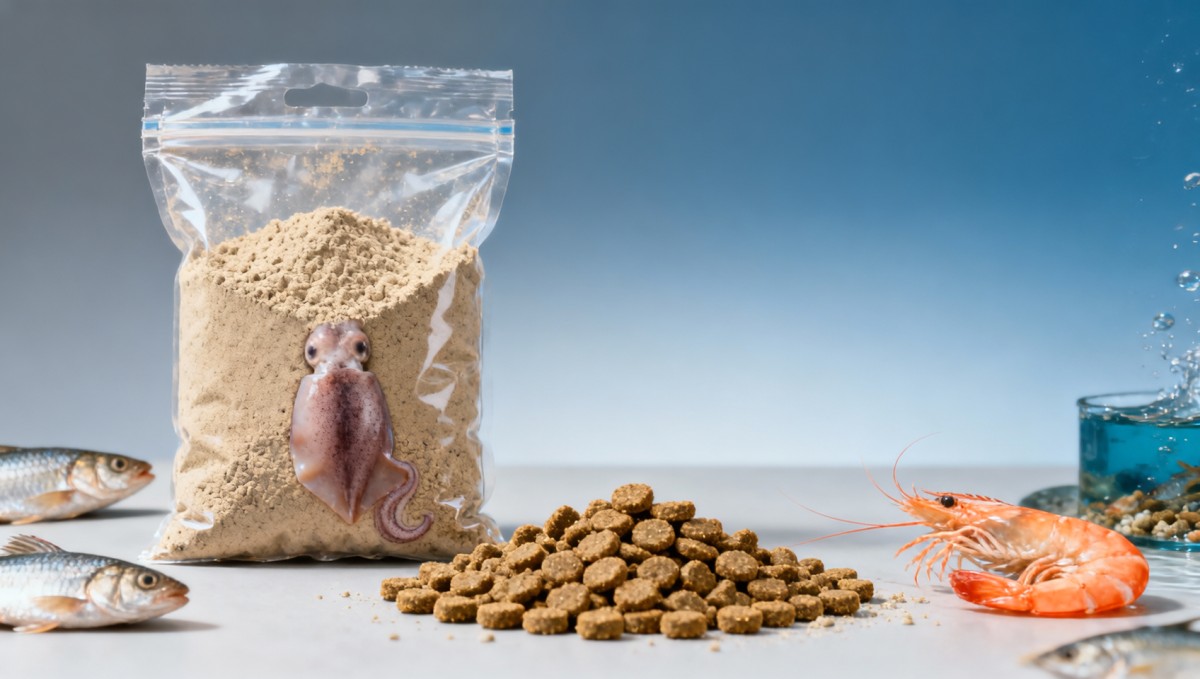
Squid liver powder bulk is typically evaluated as a functional marine ingredient rather than a generic protein source. Its value often comes from feed attractability, digestible marine nutrients, and bioactive compounds that can support intake and early growth. In practical terms, performance gains are most visible when animals are sensitive to palatability, under environmental stress, or transitioning between diet phases.
The strongest response is often observed in shrimp, marine finfish, eel, and some juvenile carnivorous species. During the first 30–60 days of active growth or in nursery phases, animals generally react more strongly to diet cues than in late grow-out. If baseline feed acceptance is already high and water quality is stable, the return from adding squid liver powder bulk may be smaller than expected.
Compared with standard fish feed ingredients bulk, squid-derived materials are often chosen to improve feed intake under challenging conditions such as low temperature, salinity shifts, post-transport recovery, or feed changes. Technical teams should therefore ask a practical question: is the operation trying to maximize least-cost protein, or solve a feeding response problem that affects daily gain and FCR?
Key performance triggers in commercial use
Several triggers tend to justify the use of squid liver powder bulk in feed formulas:
- Low or unstable feed intake during the first 7–21 days after stocking or transfer.
- Juvenile stages where small differences in appetite can shift growth trajectory across the full culture cycle.
- Species with strong demand for marine soluble cues, especially shrimp and marine fish.
- Premium diets where a 0.05–0.15 reduction in FCR offsets higher ingredient cost.
- Stress periods linked to temperature change, disease challenge recovery, or variable pond conditions.
These triggers matter because the ingredient is often most valuable when it improves the efficiency of the whole feeding program rather than just the nutrient analysis on paper. For procurement teams, this means supplier comparison should be tied to production outcomes, not only delivered price per metric ton.
Typical inclusion windows by application
In many commercial formulations, inclusion levels fall within a relatively narrow functional range. Overuse may inflate formula cost without proportional benefit, while underuse may produce no visible response. The table below summarizes typical decision logic used by feed mills and aquaculture nutrition teams.
The operational takeaway is straightforward: squid liver powder bulk tends to outperform broader fish feed ingredients bulk when the formula needs a functional marine trigger. Its advantage is usually greatest in young animals, premium species, and situations where appetite and acceptance are worth more than commodity protein substitution.
How to Compare Squid Liver Powder Bulk with Fish Meal Wholesale and Standard Marine Ingredients
A common buying mistake is to compare squid liver powder bulk directly with fish meal wholesale on price per ton alone. These materials may overlap in marine nutrient contribution, but they often serve different functions in a formula. Fish meal is typically a structural protein ingredient. Squid liver powder bulk is more often a concentrated performance tool used to improve feed response, lipid quality, and attractiveness.
That distinction matters for cost modeling. If a feed mill replaces 100 kg of fish meal wholesale with 100 kg of squid liver powder bulk, the economics may look unfavorable. But if 20–40 kg of squid liver powder bulk enables better intake, reduces fines rejection, or improves pellet acceptance in a 1-ton batch, the value should be measured against growth and feed utilization, not commodity replacement logic.
Technical evaluators should also compare the ingredient with other marine solubles, squid meal, krill-based attractants, and hydrolyzed fish proteins. Each option differs in odor profile, water solubility, lipid oxidation risk, and digestible nutrient delivery. For operators, the right benchmark is not “cheapest marine ingredient,” but “best result at a controlled inclusion rate.”
Decision factors beyond crude protein
When comparing ingredients, commercial teams should review at least 6 factors:
- Palatability effect during the first 10–14 feeding days.
- Digestibility and tolerance at the selected inclusion rate.
- Lipid stability during storage for 30–90 days.
- Batch-to-batch consistency in odor, color, and moisture.
- Contaminant control, including oxidation markers and heavy metal screening.
- Total impact on FCR, growth rate, and survival rather than formula cost alone.
These factors explain why two products with similar protein values may perform very differently in pond or cage conditions. Feed operations serving export-oriented aquaculture producers should be especially careful, because ingredient inconsistency can quickly affect feed acceptance, harvest timing, and claims management.
Functional comparison for purchasing teams
The table below offers a practical comparison framework for cross-functional review by nutrition, procurement, finance, and quality teams.
The key conclusion is that squid liver powder bulk is most useful when added with a specific performance objective. It should not automatically replace fish meal wholesale, but it can strengthen a formulation where feeding behavior, acceptance, and early growth are the commercial bottlenecks.
Quality Benchmarks That Determine Whether Performance Claims Hold Up
The value of squid liver powder bulk depends heavily on quality control. Two products may look similar in a sales sheet yet behave differently in extrusion, storage, or feeding response. For buyers in feed and grain processing, the highest risk usually comes from raw material age, oxidation, moisture drift, microbial load, and inconsistent processing conditions.
Because the ingredient contains marine lipids, oxidation management is central. If storage conditions exceed recommended temperature ranges or packaging is not oxygen-resistant, odor can flatten and performance may decline before the material reaches the mixer. In practical supply chains, this means the receiving team should review not only the certificate of analysis, but also packaging integrity, production date, transport time, and warehouse turnover discipline.
Quality teams should establish acceptance criteria before the first commercial order. Even when exact specifications vary by supplier and species, a consistent internal protocol reduces risk during trial-to-scale transition. A 500 kg validation lot may look acceptable in the lab, but a 10-ton monthly supply program requires tighter controls on reproducibility and storage life.
Critical inspection points at intake
A practical intake checklist often includes these points:
- Moisture range suitable for storage stability, often targeted below 10%–12% depending on processing system.
- Uniform particle size to support even mixing and pellet quality.
- Fresh marine odor rather than rancid, burnt, or stale notes.
- Declared lipid and protein ranges consistent with formulation assumptions.
- Microbiological compliance aligned with feed safety protocols.
- Traceable batch documentation covering source, date, and shipment history.
For larger procurement contracts, quality managers may also require retention samples, pre-shipment photos, and a complaint handling window of 7–15 days after receipt. These measures help protect production continuity and make vendor performance easier to audit over a 3- to 6-month review cycle.
Suggested benchmark framework
The following framework is a useful starting point for supplier screening and inbound control, particularly for feed mills supplying shrimp and marine fish sectors.
In short, performance begins with consistency. A lower-priced lot of squid liver powder bulk can become more expensive than premium fish feed ingredients bulk if oxidation, moisture, or traceability failures create feed rejection, unstable intake, or downstream production losses.
Procurement Strategy, Trial Design, and Commercial Risk Control
For B2B buyers, the decision to source squid liver powder bulk should move through a staged process. A common error is to purchase full-volume supply before validating response under local conditions. Water temperature, species genetics, pellet technology, and farm management all affect outcomes. A controlled trial can prevent costly assumptions and create a stronger basis for financial approval.
A practical trial often runs for 2–4 weeks in nursery or early grow-out, with at least one control formula and one test formula. Measured endpoints may include feed intake, survival, average daily gain, pellet acceptance time, and FCR. If the ingredient is being considered for a premium line, teams may also track size uniformity, waste reduction, and response during weather or salinity changes.
Commercial evaluation should combine technical and procurement metrics. This means calculating not only the landed cost per ton, but also minimum order quantity, packaging format, lead time, port risk, storage requirements, and the supplier’s ability to maintain consistent quality for 3, 6, or 12 months. A small technical gain can disappear if replenishment timing is unreliable.
Recommended 5-step buying workflow
- Define target species, growth phase, and expected response, such as improved intake within 7 days or FCR improvement over 21 days.
- Request technical documents, sample retention policy, storage guidance, and batch traceability details.
- Run pilot batches under normal processing conditions to check mixing, pellet stability, and odor retention.
- Conduct a farm or hatchery trial with clear controls and pre-agreed success thresholds.
- Scale gradually from sample to trial lot to contract volume, reviewing supplier consistency each cycle.
This workflow gives project managers, finance approvers, and QC teams a common language for decision-making. It also makes negotiations more efficient, because the supplier knows the purchase decision depends on measurable operating results rather than generalized marketing claims.
Commercial checkpoints before long-term contracting
Before signing a recurring supply agreement, buyers should clarify 4 points: delivery frequency, complaint response time, replacement terms for nonconforming lots, and shelf-life remaining at dispatch. In many programs, a minimum remaining shelf life of 70%–80% at shipment is a reasonable control point, especially for marine lipid-rich materials.
For operations serving multiple farms or compound feed customers, dual sourcing may also be worth considering. It can reduce single-supplier risk, though only if both sources meet comparable quality standards. Otherwise, formula variation may create more instability than it solves.
Common Mistakes, FAQ, and How to Decide If the Ingredient Fits Your Operation
Even experienced teams can misjudge the role of squid liver powder bulk. The most common mistake is expecting uniform gains across all species, all seasons, and all feed types. Performance is contextual. If a farm already has strong feed acceptance, stable water quality, and a well-optimized marine protein package, additional response may be limited.
Another frequent error is poor storage management. Marine ingredients exposed to heat, light, or extended warehouse time can lose freshness quickly. A material delivered in good condition can underperform after 45–60 days if the site lacks temperature discipline, stock rotation, or sealed packaging practices.
The final mistake is evaluating the ingredient only through laboratory specifications. Those are essential, but commercial value is proven in feed mill processing and field response. A technically acceptable product is not always the best commercial choice if it performs inconsistently in real feeding programs.
How do buyers know the inclusion rate is too high?
If feed cost rises sharply while growth, intake, or FCR show no clear improvement after a defined 14–28 day trial, the inclusion rate may be beyond the efficient range. Many teams begin with 1.5%–3% and only move higher if there is a specific functional reason, such as nursery feeding or stress recovery.
Is squid liver powder bulk suitable for all aquaculture species?
No. It is most relevant for species and phases where marine palatability cues influence intake, including shrimp and many marine fish. Herbivorous or low-marine-demand species may show weaker returns, so standard fish feed ingredients bulk or alternative protein systems may be more economical.
What should procurement teams ask suppliers first?
Start with 5 questions: What is the typical moisture range? How is oxidation controlled? What packaging is used? What traceability accompanies each lot? Can the supplier support stable monthly volumes such as 5 tons, 20 tons, or more without changing raw material profile? These questions reveal operational maturity quickly.
When is it better to stay with fish meal wholesale instead?
If the goal is bulk protein supply for a cost-sensitive formula and current feed acceptance is already strong, fish meal wholesale may remain the more efficient anchor ingredient. Squid liver powder bulk adds the most value when the formula needs functional enhancement rather than commodity-scale protein replacement.
For feed manufacturers, farm operators, technical assessors, and purchasing managers, the central issue is fit-for-purpose use. Squid liver powder bulk improves feed performance most clearly when species sensitivity, early growth stage, feeding stress, and raw material quality align. The best buying decisions come from disciplined trials, strict quality checks, and cost evaluation linked to biological response rather than ingredient price alone.
If your team is evaluating marine feed inputs for hatchery, nursery, or premium aquaculture diets, a structured review can identify whether squid liver powder bulk offers a real advantage over fish feed ingredients bulk or fish meal wholesale in your specific operating model. Contact us to discuss sourcing criteria, quality checkpoints, or a more tailored ingredient assessment for your feed program.
Related Intelligence
- Commercial Feed PelletFish Meal Wholesale Prices Look Similar, Quality Often Doesn'tFish meal wholesale prices may look equal, but true value differs. Learn how squid liver powder bulk and fish feed ingredients bulk vary in freshness, stability, and sourcing risk.
- Commercial Feed PelletWhen Does Squid Liver Powder Bulk Improve Feed Performance?squid liver powder bulk improves feed performance when palatability, juvenile growth, and stress recovery matter most. Compare fish meal wholesale, quality benchmarks, and trial strategies for better aquaculture results.
- Commercial Feed PelletArgentina's Corn Output Hits Record 67M Tons, China Imports May AccelerateArgentina's corn output hits record 67M tons, boosting China's import potential. Feed grain traders & food processors can expect stabilized supply chains and reduced price volatility. Key insights for strategic procurement.
The Morning Broadsheet
Daily chemical briefings, market shifts, and peer-reviewed summaries delivered to your terminal.
