
Fish Meal Wholesale Prices Look Similar, Quality Often Doesn't
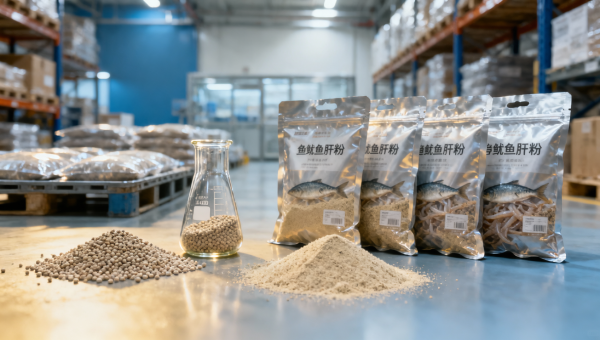
In fish meal wholesale markets, identical-looking quotes can conceal major differences in protein stability, freshness, traceability, and feed performance. For buyers comparing squid liver powder bulk and other fish feed ingredients bulk, understanding what drives real value is essential. This article explains why similar prices often mask unequal quality, helping procurement teams, technical evaluators, and quality managers make safer, more cost-effective sourcing decisions.
For commercial aquaculture operators, feed formulators, importers, and industrial buyers, a price gap of only 2% to 5% per metric ton can appear negligible during tender review. In practice, however, that narrow spread may reflect major differences in digestibility, oxidation level, microbiological risk, or raw material consistency. These factors directly affect feed conversion ratio, storage loss, production planning, and downstream animal performance.
This matters especially in B2B procurement, where fish meal is rarely purchased as an isolated commodity. It is usually part of a broader sourcing portfolio that may include squid liver powder bulk, fish soluble paste, fish oil, and other fish feed ingredients bulk. When procurement, quality assurance, finance, and technical teams evaluate the same quotation from different angles, they need a common framework for defining value beyond headline price.
Why Similar Fish Meal Wholesale Prices Can Hide Different Real Costs
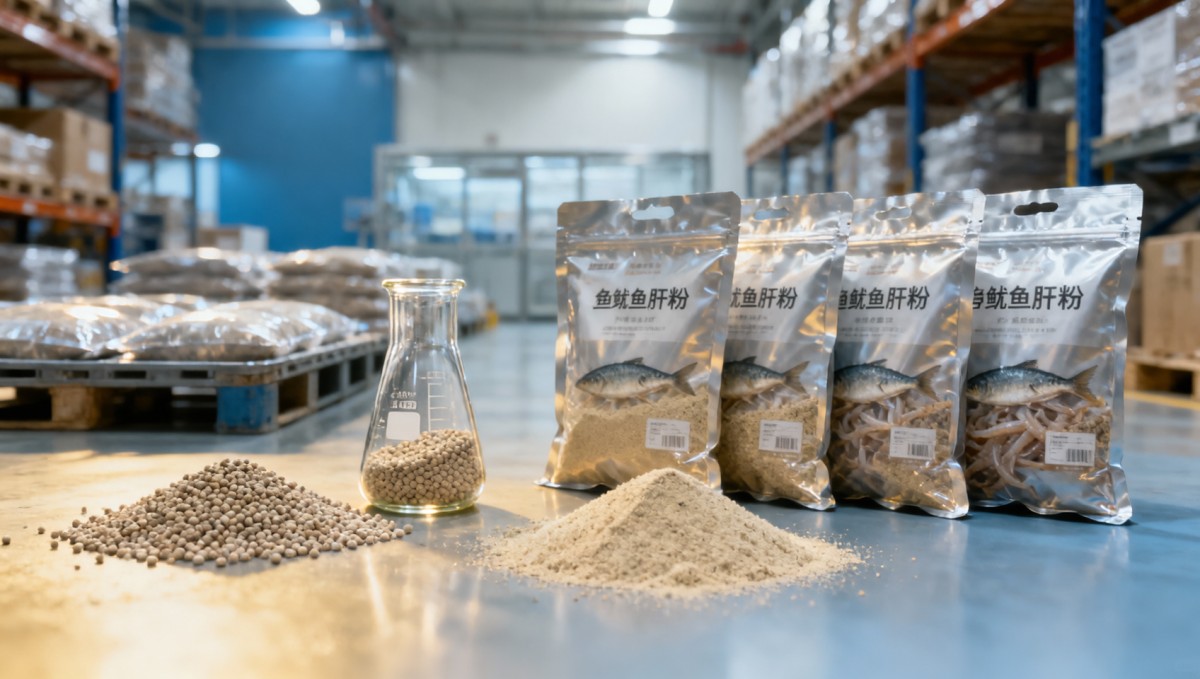
At first glance, two suppliers offering fish meal at nearly the same wholesale price may seem commercially interchangeable. Yet fish meal quality is shaped by several variables before it ever reaches the buyer: species mix, freshness of raw fish, cooking temperature, drying method, storage conditions, and contamination control. A nominal difference of USD 20 to USD 40 per ton may conceal a much larger operational cost later.
For example, a lot with similar crude protein content on paper may show weaker amino acid availability in actual feed manufacturing. Excessive heat during processing can reduce lysine usability even when the certificate still reports protein at 60% to 68%. That means the buyer may need to increase inclusion rates or compensate with other protein sources, raising the final formula cost above the “cheaper” purchase option.
Another hidden cost comes from freshness. Fish meal with elevated volatile nitrogen compounds or higher fat oxidation may not fail a basic quotation review, but it can reduce palatability and feed stability. In high-density aquaculture systems, a 1% to 3% decline in feed intake or a measurable worsening of feed conversion ratio can erase any nominal savings from a lower invoice price.
Buyers also need to account for reject risk. If one supplier shows inconsistent batch color, variable particle size, or weak traceability records, quality control teams may spend an extra 3 to 7 business days on testing, document checks, or claims handling. Delays in port clearance or factory acceptance can interrupt production schedules, especially for plants operating on 2-week to 4-week raw material cycles.
The difference between invoice price and usable value
Usable value in fish meal purchasing should be assessed through at least four dimensions: nutrient integrity, safety profile, consistency, and documentation quality. A quote that looks competitive only at CIF or FOB level may become less attractive after accounting for rework, formulation adjustment, spoilage loss, and claims exposure.
- Nutrient integrity: not just crude protein, but amino acid quality, digestibility, and freshness indicators.
- Safety profile: microbiological control, heavy metal screening, histamine risk, and moisture management.
- Consistency: whether batch-to-batch variation stays within an acceptable tolerance, often ±1% to ±2% for key nutrient values.
- Documentation: origin records, processing date, inspection certificates, and shipping condition evidence.
A disciplined purchasing process therefore compares not only fish meal wholesale prices, but also the cost of uncertainty. This is the same logic buyers should apply when comparing squid liver powder bulk and related functional marine ingredients: similar quotations do not guarantee equivalent production outcomes.
Key Quality Indicators That Procurement Teams Should Verify
A reliable fish meal assessment starts with measurable indicators rather than marketing language. While different feed applications may tolerate different ranges, procurement and technical teams usually review protein, moisture, ash, fat, freshness markers, and contaminant risk together. No single parameter is enough on its own.
For many commercial applications, moisture around 8% to 10% is often preferred because it supports storage stability without indicating excessive drying loss. Crude protein may range from 55% to 72% depending on species and process type, while ash level helps buyers understand whether mineral content is naturally high or inflated by bone-heavy raw material composition.
Freshness is especially critical. Parameters such as TVN, peroxide value, or sensory signs like sharp rancid odor, darkened color, and caking can indicate oxidation or poor raw fish handling. In warm-climate logistics, even a 7-day to 10-day delay under inadequate storage conditions can materially reduce stability, especially for marine ingredients with higher residual fat.
Below is a practical reference framework that buyers can use during supplier screening and batch approval. Actual acceptance values should be adapted to formulation goals, target species, and local regulatory requirements.
The table shows why a procurement decision based only on protein and price is incomplete. A fish meal lot with slightly lower protein but better freshness, lower moisture, and tighter consistency may deliver more reliable feed performance than a nominally “higher-grade” product with weak process control.
What quality managers should request before approval
Quality and safety teams should request a structured technical file before confirming the supplier. This file does not need to be excessively complicated, but it should allow cross-checking of claims against operational reality.
Minimum document set
- Recent COA covering core nutrient values and moisture.
- Production date and batch identification for traceability.
- Packing specification, such as 25 kg, 50 kg, or jumbo bag format.
- Storage and transport condition statement, especially for transit longer than 15 days.
- If relevant, screening results for heavy metals, Salmonella, and oxidation-related indicators.
For squid liver powder bulk and other high-value marine ingredients, technical buyers should be even stricter because functionality often depends on freshness and process preservation. Products that are visually similar can behave very differently in feed attractability and nutrient stability.
Common Sourcing Risks in Fish Feed Ingredients Bulk
The broader category of fish feed ingredients bulk includes fish meal, squid liver powder bulk, krill derivatives, fish oil, and marine protein concentrates. Across these products, three sourcing risks appear repeatedly: inconsistent raw material origin, unstable processing quality, and weak logistics control. Each risk can affect both commercial cost and regulatory exposure.
Origin inconsistency is often underestimated. A supplier may offer the same product name over a 6-month period, but source material may shift seasonally between species, regions, or by-product streams. That can change amino acid profile, ash content, odor intensity, and fat stability. Unless the contract defines tolerance ranges clearly, buyers may receive technically compliant but operationally different material.
Processing instability is another concern. Inadequate temperature control, prolonged holding time before drying, or insufficient separation can create variability that does not always show up in a sales sheet. This is why pilot testing or first-lot validation is important for new suppliers. Even one 20-ton container with poor stability can affect an entire feed production campaign.
Logistics risk is especially relevant in international trade. Marine ingredients may travel for 15 to 45 days depending on route, transshipment frequency, and customs handling. Poor packaging strength, humid storage, or delayed unloading can cause caking, odor development, or measurable nutrient degradation before the goods reach the formulation plant.
Typical red flags during supplier evaluation
The following comparison helps procurement and commercial teams distinguish low-risk from high-risk offers when fish meal wholesale prices appear similar.
These risk indicators matter not only to buyers, but also to finance approvers and project managers. A low-clarity supplier may create downstream costs in claims, delayed production, or reformulation work. In many industrial procurement environments, the cheapest initial quote is not the lowest-risk commercial decision.
A practical 5-point risk screen
- Review the last 3 production lots, not just one sample.
- Check whether moisture and protein stay within agreed tolerance.
- Confirm transit duration, storage conditions, and packaging integrity.
- Compare technical response quality across suppliers within 48 to 72 hours.
- Run a small commercial trial before scaling to annual contract volume.
This structured screen works well across fish meal, squid liver powder bulk, and other marine ingredients because it tests operational reliability rather than relying on appearance or a single laboratory number.
How to Build a Better Procurement Framework for Fish Meal and Squid Liver Powder Bulk
A stronger procurement process aligns technical, commercial, and quality priorities from the beginning. In many companies, purchasing focuses on landed cost, while nutrition teams focus on performance and quality managers focus on compliance. A useful sourcing framework converts these concerns into one supplier scorecard with weighted criteria.
A typical weighted model may assign 30% to nutrient quality, 25% to consistency, 20% to price competitiveness, 15% to documentation and traceability, and 10% to delivery reliability. The exact ratio can vary by business, but having a formal structure prevents low-price bias during supplier comparison. This is especially valuable for ingredients used at strategic inclusion rates in feed formulas.
Buyers should also define acceptance in two stages. Stage 1 is supplier qualification, which may take 1 to 3 weeks and includes document review, sample testing, and process clarification. Stage 2 is shipment approval, where each lot is checked against agreed specifications before production use. This staged model reduces the risk of relying on a good sample that does not represent future commercial batches.
The table below provides a practical scorecard format for evaluating fish meal wholesale offers and related marine feed ingredients bulk.
This kind of scorecard helps teams make balanced decisions. It also gives finance reviewers a clearer basis for approving a supplier whose price is slightly higher but whose consistency and lower operational risk justify the difference.
Implementation steps for industrial buyers
A 4-step sourcing workflow
- Pre-screen 3 to 5 suppliers using technical documents and product range fit.
- Test representative samples for key nutrient and freshness indicators.
- Run a controlled production or feeding evaluation where feasible.
- Approve annual or semi-annual supply only after batch consistency is confirmed.
For high-impact ingredients such as squid liver powder bulk, pilot validation is particularly important because attractability and freshness performance can vary more than the quotation sheet suggests. A disciplined workflow reduces the chance of approving a supplier on appearance alone.
Frequently Asked Questions from Buyers and Technical Evaluators
Below are common questions raised by sourcing teams, quality personnel, and feed operators when comparing fish meal wholesale prices and marine ingredient offers. These questions reflect practical search intent and day-to-day purchasing concerns.
How many samples should be tested before approving a new fish meal supplier?
One sample is rarely enough for a confident decision. A practical minimum is 2 to 3 lots collected across different production dates or shipments. This helps reveal whether a supplier can maintain stable moisture, protein, ash, and sensory quality instead of sending one carefully selected batch for approval.
What matters more: higher protein or better freshness?
Neither should be evaluated in isolation. A product with 1% to 2% more crude protein but poor freshness may perform worse than a slightly lower-protein lot with better stability and palatability. For many commercial feed applications, usable nutrient quality and batch consistency have greater value than a headline protein number alone.
Is squid liver powder bulk evaluated differently from standard fish meal?
Yes. While core checks such as moisture, odor, and documentation still apply, squid liver powder bulk often requires closer attention to freshness, lipid stability, and intended functional use in feed. Buyers should ask how the ingredient is processed, packed, and stored, especially if shipping time exceeds 2 weeks or if the product is used in sensitive formulations.
What is a reasonable lead time for marine feed ingredients bulk?
Lead time varies by origin, stock position, and shipping mode, but 2 to 4 weeks is common for routine export-ready supply, while custom or seasonal material may require 4 to 8 weeks. Buyers should distinguish between production lead time and port-to-port transit time, since the total planning window may be much longer.
When should a lower-priced offer be rejected?
A lower quote should be treated cautiously if the supplier cannot explain raw material origin, cannot provide recent lot data, offers unclear quality tolerances, or avoids discussing claims handling. In practice, uncertainty in these areas often creates larger financial exposure than a modest price premium from a more transparent supplier.
Fish meal wholesale prices may look similar on a spreadsheet, but procurement outcomes depend on what sits behind the quote: nutrient integrity, freshness, batch consistency, traceability, logistics control, and supplier responsiveness. The same principle applies across squid liver powder bulk and other fish feed ingredients bulk, where real value is determined by performance and reliability, not appearance alone.
For procurement teams, technical reviewers, and quality managers, the most effective approach is to compare suppliers through a structured, data-based framework rather than unit price only. If you need support evaluating marine ingredient sourcing options, comparing technical documents, or identifying lower-risk procurement criteria, contact us to discuss your requirements, request a tailored assessment framework, or learn more about practical sourcing solutions for industrial feed and aquaculture supply chains.
Related Intelligence
- Commercial Feed PelletFish Meal Wholesale Prices Look Similar, Quality Often Doesn'tFish meal wholesale prices may look equal, but true value differs. Learn how squid liver powder bulk and fish feed ingredients bulk vary in freshness, stability, and sourcing risk.
- Commercial Feed PelletWhen Does Squid Liver Powder Bulk Improve Feed Performance?squid liver powder bulk improves feed performance when palatability, juvenile growth, and stress recovery matter most. Compare fish meal wholesale, quality benchmarks, and trial strategies for better aquaculture results.
- Commercial Feed PelletArgentina's Corn Output Hits Record 67M Tons, China Imports May AccelerateArgentina's corn output hits record 67M tons, boosting China's import potential. Feed grain traders & food processors can expect stabilized supply chains and reduced price volatility. Key insights for strategic procurement.
The Morning Broadsheet
Daily chemical briefings, market shifts, and peer-reviewed summaries delivered to your terminal.
