
Absolute Oils Wholesale: What Purity Claims Often Leave Out
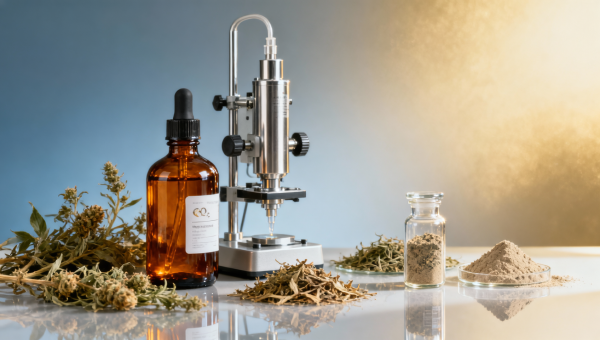
In the global market for absolute oils wholesale, purity claims often sound definitive but rarely tell the full sourcing, processing, and compliance story. For buyers comparing co2 supercritical extracts, oleoresins wholesale, floral waters bulk, or botanical powders such as organic spirulina powder bulk and chlorella vulgaris powder, understanding what specifications omit is critical to quality assurance, regulatory alignment, and procurement confidence.
For procurement teams, technical evaluators, QA managers, and commercial decision-makers, the issue is not whether purity matters. It is whether the stated purity actually reflects the product’s botanical identity, extraction pathway, residual solvent status, contaminant controls, and fit for end use. In B2B sourcing, a “95% pure” or “100% natural” label may still leave unanswered questions that directly affect formulation stability, import compliance, and batch-to-batch consistency.
This is especially relevant in cross-category sourcing, where buyers may compare absolute oils wholesale with adjacent ingredient formats such as CO2 extracts, oleoresins, hydrosols, and powdered bio-extracts. Each format has different process variables, specification conventions, and risk points. A disciplined reading of technical documents can reduce supplier risk, shorten qualification cycles from 8–12 weeks to a more manageable review window, and improve confidence before commercial-scale orders are placed.
What “Purity” Usually Means in Absolute Oils Wholesale
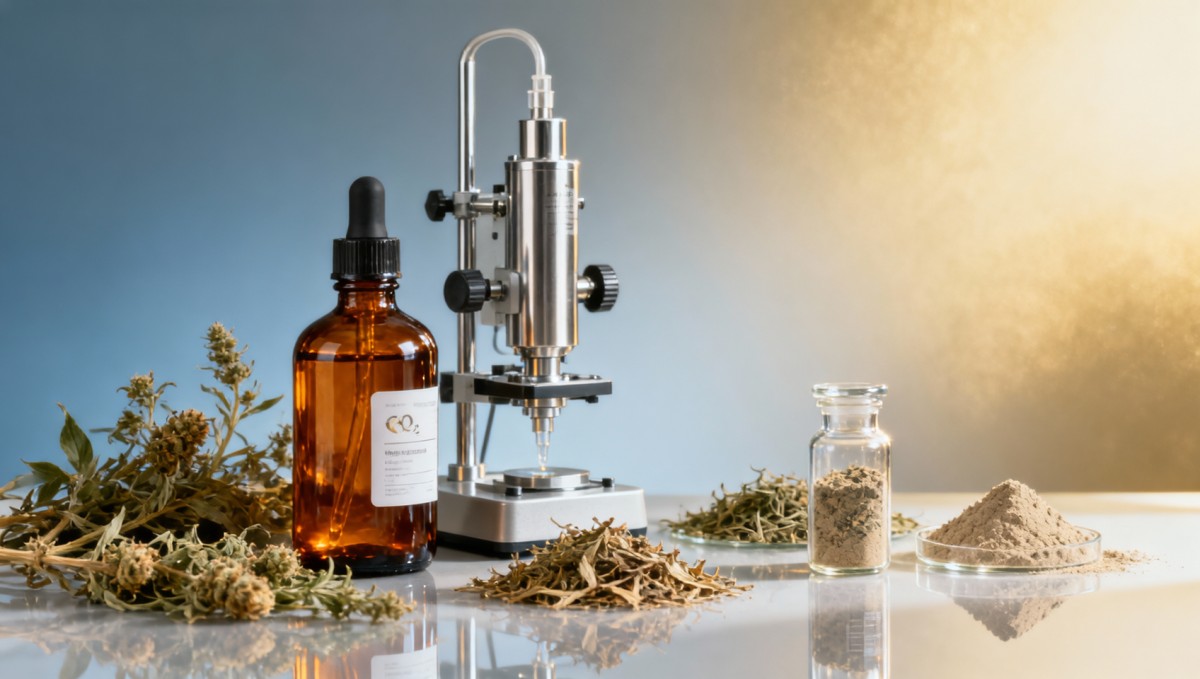
In absolute oils wholesale, purity is often presented as a simple marketing shorthand, but in practice it can refer to several different things. For one supplier, purity may mean the absence of visible dilution with carrier oils. For another, it may refer to conformity with a chromatographic profile. In some cases, it simply signals that the absolute was not intentionally blended after extraction. These are not equivalent claims.
An absolute oil is commonly derived through solvent extraction followed by concentration steps that isolate aromatic fractions from plant material. Because the process is different from steam distillation and different again from CO2 supercritical extraction, the resulting ingredient can contain waxes, pigments, trace solvent residues, and minor compounds that are naturally present but rarely highlighted on commercial sales sheets. A purity figure without test context is therefore incomplete.
Buyers should also note that “pure” does not automatically mean “suitable for every industrial use.” A fragrance manufacturer may accept a broader sensory range than a nutraceutical developer or an export buyer facing tighter contaminant documentation. In regulated applications, the real question is not just purity percentage, but whether the specification package supports the target use, destination market, and internal quality thresholds.
Common interpretations behind purity claims
In supply practice, purity claims usually fall into 4 broad categories: compositional purity, botanical authenticity, process purity, and contaminant cleanliness. A supplier may perform well in one category and weakly in another. For example, a product can be botanically authentic yet still lack robust data on pesticide residues, heavy metals, or residual solvents.
- Compositional purity: whether the extract profile matches the expected major and minor constituents.
- Botanical authenticity: whether the stated plant species, plant part, and origin are correctly identified and documented.
- Process purity: whether extraction aids, processing solvents, and post-treatment steps are disclosed and controlled.
- Contaminant cleanliness: whether residues, adulterants, microbes, and environmental contaminants are tested against defined limits.
Why this matters for multi-product procurement
Organizations that buy across essential oils, absolutes, oleoresins wholesale, floral waters bulk, and botanical powders often standardize supplier onboarding using a common scorecard. That is useful, but the metrics must still reflect format-specific realities. A single “purity” field can oversimplify products with very different extraction chemistries and risk profiles, leading to poor equivalence judgments during sourcing.
The table below shows how common extract formats differ in what buyers should verify beyond a purity claim.
The key takeaway is that purity is only one layer of evaluation. In industrial buying, the more reliable approach is to ask what the purity statement excludes. That shift in questioning often uncovers whether a supplier is ready for repeat orders, audits, and regulated export destinations.
What Specifications Often Leave Out
A standard specification sheet for absolute oils wholesale may include appearance, odor, specific gravity, refractive index, and sometimes a limited assay of marker compounds. These are useful baseline fields, but they rarely tell the complete commercial story. Important omissions often include harvest season, extraction yield range, solvent recovery method, allergen profile, oxidation sensitivity, and packaging conditions during transit.
For example, two batches may meet the same refractive index and density range while performing differently in final production because of variation in minor constituents. This can affect fragrance character, solubility, color behavior, or stability over a 12-month storage cycle. In product categories tied to cosmetics, wellness, feed additives, or fine chemicals, those small variations can become commercial problems after blending or during shelf-life testing.
Another common gap is incomplete contaminant disclosure. A specification may say “passes internal standard” without listing actual limits for residual solvents, lead, arsenic, cadmium, mercury, or microbiological counts. For QA teams and safety managers, that is not enough. Acceptance criteria should be numerical, method-linked, and batch-specific wherever possible.
High-impact omissions to check before approval
Before qualifying a supplier, buyers should request a fuller documentation package that aligns with the product category and the destination market. In many sourcing workflows, 6 document groups are more useful than one polished brochure.
- Certificate of Analysis with test methods and actual batch values.
- Residual solvent statement with limits, not just a pass/fail claim.
- Botanical identification including Latin name, plant part, and country or region of origin.
- Contaminant and residue data, especially for pesticides and heavy metals.
- Storage, shelf-life, and packaging compatibility guidance, such as 5°C–25°C and light protection.
- Change control or notification practice for seasonal or process adjustments.
Specification depth by buyer type
Different stakeholders read the same document differently. Operators may care about viscosity and pourability. Technical evaluators may focus on chromatographic fingerprints. Procurement teams may compare MOQ levels such as 5 kg, 25 kg, or 180 kg drums. Finance approvers may look at price stability over 3–6 months. A strong sourcing decision requires all of these views to be reconciled before the first commercial PO.
The table below highlights the difference between “basic” and “decision-grade” information in ingredient procurement.
When documentation reaches this deeper level, the procurement conversation becomes less vulnerable to ambiguity. That is particularly important for distributors and industrial buyers managing multiple customers with different label claims, technical specs, and regional compliance demands.
How to Evaluate Supplier Transparency Across Extract Categories
Absolute oils wholesale is rarely sourced in isolation. Buyers often assess it alongside co2 supercritical extracts, oleoresins wholesale, floral waters bulk, and algae-derived powders such as organic spirulina powder bulk or chlorella vulgaris powder. A transparent supplier should be able to explain not only the specification, but also why different product formats require different analytical and handling controls.
For instance, a hydrosol may need tighter microbiological monitoring because of its water content, while an oleoresin may require viscosity management and heat-sensitive handling during filling. Botanical powders introduce different concerns again, including moisture level, mesh size, bulk density, and microbial stability. A supplier that uses the same generic quality language across all formats may not be operating with sufficient technical depth.
Transparency is most convincing when it appears in process details, response speed, and document consistency. If a supplier answers a residual solvent question in 24–48 hours with method-specific data, that is a strong positive sign. If answers shift between sales, QA, and export teams over a 2-week period, qualification risk rises sharply.
A practical 5-point transparency screen
- Can the supplier disclose extraction route and whether post-processing alters the natural composition?
- Can they provide batch-specific CoA values rather than only a typical specification?
- Do origin, harvest, and processing records align across invoice, CoA, SDS, and declaration documents?
- Is there a defined complaint or deviation response timeline, such as 3 working days for first response?
- Can the supplier explain suitability by end use instead of using one-size-fits-all marketing language?
Signs of a higher-maturity supplier
Mature suppliers usually distinguish between internal control limits and customer-facing release limits. They can explain seasonal variation, recommend storage formats such as aluminum containers or food-grade lined drums, and define realistic shelf-life windows like 12 months for an absolute versus 6 months for a minimally preserved floral water. They are also less likely to overpromise on universal applicability.
For commercial and technical teams, this matters because the cost of a rejected container can exceed the apparent savings from a cheaper quote. Re-sampling, hold notices, relabeling, and replacement freight can easily add 10%–25% to the original landed cost, especially for temperature-sensitive or export-controlled products.
A robust vendor review should therefore score transparency alongside price, lead time, and capacity. In many B2B ingredient categories, the supplier that provides the most complete answers in the first 2 qualification rounds is often the safer long-term partner than the supplier offering the lowest opening price.
Procurement, QA, and Risk Control Checklist Before You Buy
For enterprise buyers, the most effective way to manage purity-related uncertainty is to convert it into a structured approval workflow. Rather than debating terminology, create a cross-functional checklist that procurement, QA, technical, and commercial stakeholders can all use. This approach supports clearer vendor comparisons and reduces late-stage objections from finance, compliance, or plant operations.
A practical workflow often includes 5 stages: supplier pre-screening, document review, lab sample evaluation, pilot or line trial, and commercial approval. Depending on risk level, the full cycle may take 3–10 weeks. High-risk categories or new geographies may require longer due diligence, especially when import documentation, declarations, or third-party tests are needed.
In absolute oils wholesale, the sample stage should not focus on aroma alone. Viscosity, appearance under storage stress, compatibility with the intended base, and stability under expected transport conditions all matter. Even a 2°C–8°C fluctuation in storage or a prolonged 30°C transit window can change handling behavior for some extract types.
Core approval criteria for industrial buyers
- Identity fit: species, plant part, origin, and analytical profile match intended formulation or resale category.
- Compliance fit: declarations support destination market requirements and customer audit expectations.
- Operational fit: packaging size, fill method, and storage conditions match site capabilities.
- Commercial fit: MOQ, lead time, and price review cycle align with planning and cash-flow constraints.
- Risk fit: supplier has clear CAPA, deviation handling, and replacement procedures.
FAQ for common sourcing questions
How can buyers verify an absolute is not merely diluted or reconstituted?
Request a batch CoA, chromatographic profile, and a process statement. Compare major and minor component distribution with expected botanical patterns, and ask whether any carriers, solvents, or standardizing agents were introduced after extraction. For higher-value botanicals, retaining samples from at least 2–3 batches improves future dispute resolution.
What lead times are typical for wholesale extract orders?
Lead times vary by crop season, format, and packaging. In common B2B practice, stocked items may ship in 7–15 days, while made-to-order or seasonally constrained materials can take 4–8 weeks. Orders requiring custom documents, special linings, or export declarations may add another 5–10 working days.
Which metrics matter most for finance and commercial approvals?
Beyond unit price, decision-makers should review yield-in-use, rejection risk, shelf-life loss exposure, packaging efficiency, and the likelihood of rework. A product priced 8% lower may still be more expensive overall if it causes frequent deviations, shorter re-test periods, or inconsistent downstream performance.
Building Better Buying Decisions in a More Regulated Supply Chain
As botanical supply chains become more regulated and more global, purity claims alone are becoming a weaker basis for procurement decisions. Buyers of absolute oils wholesale increasingly need a fuller picture that includes source transparency, extraction disclosure, contamination control, and documentation discipline. This is true not only for fragrance and personal care applications, but also for broader bio-extract and fine chemical sourcing environments.
The strongest buying teams ask better questions earlier. They examine what is missing from the specification, compare extract categories on their own technical terms, and build approval workflows that link QA, procurement, operations, and finance. That reduces surprises during qualification, shipment, and customer audit stages, while improving supplier accountability over the long term.
For organizations navigating co2 supercritical extracts, oleoresins wholesale, floral waters bulk, and botanical powders alongside absolute oils, a disciplined documentation strategy is no longer optional. It is part of reliable procurement governance. To assess sourcing options, compare technical dossiers, or discuss a more decision-ready ingredient evaluation framework, contact us to get tailored guidance and explore more solutions for industrial extract procurement.
Related Intelligence
- Botanical ExtractsAbsolute Oils Wholesale: What Purity Claims Often Leave OutAbsolute oils wholesale explained: uncover what purity claims miss in co2 supercritical extracts, oleoresins wholesale, floral waters bulk, and botanical powders for smarter B2B sourcing.
- Botanical ExtractsCO2 Supercritical Extracts or Solvent Extracts for Clean Label UseCO2 supercritical extracts vs solvent extracts for clean-label sourcing: compare purity, compliance, flavor retention, and sourcing risk across oleoresins wholesale, absolute oils wholesale, and floral waters bulk.
- Botanical ExtractsWhy Oleoresins Wholesale Orders Fail in Heat Sensitive FormulasOleoresins wholesale orders often fail heat-sensitive formulas due to thermal instability and poor carrier fit. Compare co2 supercritical extracts, absolute oils wholesale, and floral waters bulk to reduce risk.
The Morning Broadsheet
Daily chemical briefings, market shifts, and peer-reviewed summaries delivered to your terminal.
