
Feed formulation mistakes that raise cost without better growth
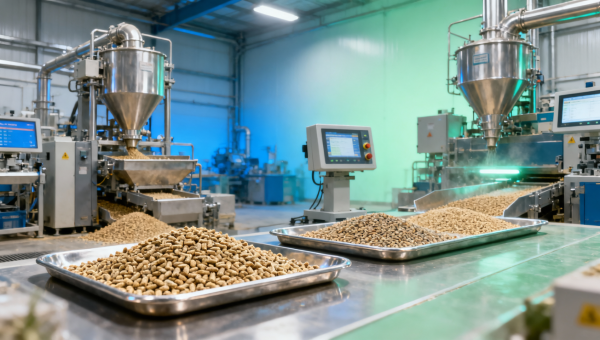
In industrial agriculture, Feed Formulation errors often inflate costs without improving animal performance, undermining margins for operators and Industrial Buyers alike. From ingredient imbalance to overlooked processing variables, these mistakes affect efficiency across agri machinery, Aquaculture Systems, and broader agricultural tech workflows. This article examines where cost leaks begin, why better formulation demands Biochemical Engineering insight, and how smarter decisions support profitability, quality control, and sustainable growth.
Where do feed formulation costs really leak?
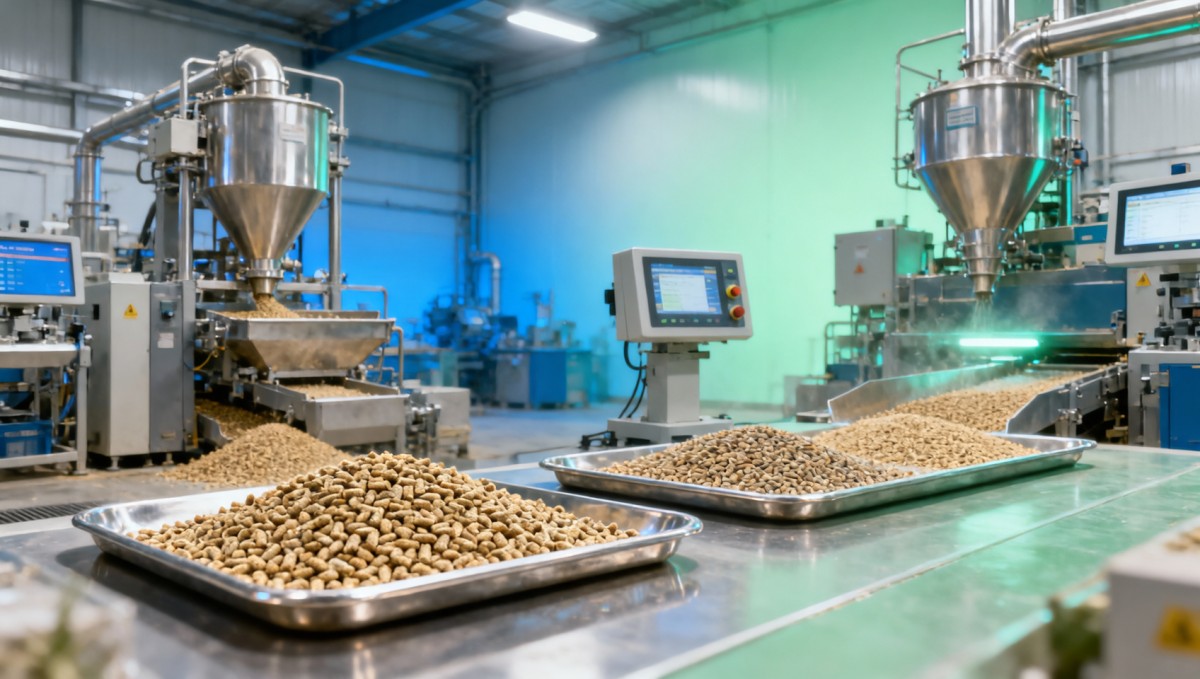
Many feed programs become expensive not because nutrition targets are too ambitious, but because formulation decisions are disconnected from biological response, process capability, and procurement reality. In practice, a ration that costs 3%–8% more per ton may deliver no measurable improvement in feed conversion, daily gain, or survival rate when amino acid balance, digestibility, and intake behavior are not aligned.
This issue appears across poultry, swine, ruminant, and aquaculture operations. It also affects integrated operations that combine storage, batching, pelleting, extrusion, and automated delivery systems. When managers focus only on least-cost software output, they often miss 4 critical layers: raw material variability, processing loss, farm conditions, and quality control tolerances.
For technical evaluators and project managers, the real question is not whether a formula looks balanced on paper. The question is whether it performs under commercial conditions over 30–90 day production cycles. A formula that appears efficient in laboratory assumptions can become costly if pellet durability drops, fines increase, or fish and livestock reject the ration.
ACC follows these issues closely because feed and grain processing now sits inside a wider chain of biochemical inputs, machinery settings, environmental compliance, and traceable procurement. In regulated and margin-sensitive sectors, avoiding formulation mistakes is not only a nutrition task. It is an operational, financial, and risk-management priority.
The most common cost-raising formulation mistakes
- Over-specifying protein instead of balancing digestible amino acids, which raises ingredient cost but may not improve growth.
- Ignoring ingredient variability between batches, origins, or seasons, especially for oilseed meals, DDGS, fishmeal, and mineral sources.
- Formulating without considering processing losses during grinding, conditioning, pelleting, or extrusion.
- Using safety margins that are too wide, adding redundant nutritional cushions across 5–7 nutrients at once.
- Selecting expensive additives without validating whether the bottleneck is nutritional, sanitary, mechanical, or environmental.
For finance approvers, these mistakes matter because they create “silent cost inflation.” The feed budget rises gradually, yet performance indicators remain flat. For operators, the result is equally frustrating: more expensive formulations often increase handling difficulty, shorten storage stability, or create inconsistency in feeders and automated systems.
Why better growth does not always follow a more expensive formula
Animal growth depends on the first limiting factors in the system, not on the most expensive nutrients in the spreadsheet. If oxygen levels, water quality, stocking density, disease pressure, pellet size, or feed presentation are restricting intake, then adding more premium ingredients rarely produces proportional returns. This is especially visible in aquaculture systems and intensive livestock production where environment and nutrition interact every day.
A common error is to formulate for theoretical maximum growth while the farm operates under variable field conditions. In commercial reality, ingredient digestibility can fluctuate, feeder calibration drifts, and storage conditions can change within 2–6 weeks. Under those conditions, formula precision must be supported by process precision. Otherwise, nutrient upgrades are diluted by operational noise.
Biochemical engineering input becomes valuable here because it connects formulation with material behavior. Particle size distribution, moisture control, thermal exposure, and ingredient interaction all affect how nutrients survive processing and how animals consume them. A formulation that ignores these factors may look advanced while creating hidden cost through dust, segregation, oxidation, or lower digestibility.
Decision-makers should evaluate feed formulation through three linked outcomes: biological response, manufacturing efficiency, and landed cost per unit of performance. If only one of these improves, the project is incomplete. The goal is not to maximize nutrient inclusion. The goal is to reduce cost per kilogram of gain, per dozen eggs, per liter of milk, or per kilogram of harvested fish.
Comparison: expensive formulation logic vs performance-driven formulation logic
The comparison below helps procurement teams and technical reviewers distinguish between high-cost habits and commercially sound formulation practice.
In most operations, the performance-driven approach lowers rework, stabilizes product output, and improves purchasing discipline. It also supports cross-functional decision-making because nutritionists, plant teams, quality managers, and budget holders can work from the same criteria instead of isolated assumptions.
What should buyers, formulators, and plant teams evaluate before approving a formula?
A feed formulation should be approved only after nutritional, manufacturing, and commercial checks are completed together. For B2B buyers and project leaders, this is where many preventable mistakes occur. The formula may pass a nutrient matrix review but fail when tested against actual supplier specs, delivery lead times of 7–21 days, or plant throughput constraints during high-demand periods.
Quality and safety personnel also need a practical review path. A lower-cost ingredient can become a higher-risk choice if it increases contamination exposure, shortens shelf life, or complicates traceability. This is particularly relevant where feed ingredients intersect with standards, environmental documentation, or export-oriented customer requirements.
The evaluation process works best when teams define 5 key checkpoints before commercial rollout: nutrient objective, ingredient consistency, process compatibility, compliance risk, and financial return. If one of these checkpoints is unclear, the formula should move into a controlled trial rather than full-scale purchasing.
ACC’s editorial approach is useful in this stage because procurement in primary industries now requires more than a price sheet. Buyers need technical notes, process context, quality indicators, and supply chain transparency. That is especially true in complex sectors that link feed inputs with machinery performance, biochemical ingredients, and regional compliance expectations.
A practical 5-point approval checklist
- Confirm whether the formula is designed for maintenance, growth, finishing, broodstock, or a stress period. A mismatch at this stage distorts all later cost calculations.
- Review nutrient variability ranges from recent supplier lots, not only book values. A 2%–4% shift in key ingredients can materially change final performance.
- Test the formula against actual grinding, mixing, pelleting, or extrusion settings, including moisture and thermal exposure windows.
- Check contamination controls, storage stability, and documentation needs for internal quality systems or external audits.
- Model total cost per performance unit, not just cost per ton, across a realistic production cycle.
Selection table for cross-functional feed formulation review
The table below can be used by technical evaluators, finance reviewers, and operations teams when comparing feed formulation options before purchase or reformulation.
Using this checklist does not slow decisions. It usually shortens correction cycles later. In many facilities, a 1–2 week validation step before full launch is less expensive than 1 month of poor conversion, excessive dust, or rejected batches.
How processing, compliance, and quality control change formulation economics
Feed formulation should never be treated as a stand-alone spreadsheet exercise. The economics change at every downstream step: grinding energy, mixer uniformity, pellet press load, extrusion residence time, drying, cooling, conveying, and storage. A formula that appears cheaper by ingredient price may become more expensive if it increases energy draw, reduces throughput, or creates higher reject volumes.
Quality control teams typically monitor moisture, particle distribution, homogeneity, contamination risk, and physical durability. If formulation choices push these values outside normal operating windows, operators may need to slow line speed, raise conditioning adjustments, or increase reprocessing. That converts an apparent procurement saving into a manufacturing penalty.
Compliance also matters. Depending on market and application, documentation linked to GMP-oriented handling, environmental oversight, ingredient traceability, or feed safety systems may influence acceptable ingredient selection. When buyers ignore this during formulation, the result can be delayed approvals, extra testing, or restricted marketability. These are indirect costs, but they are real.
For integrated agricultural businesses, these issues overlap with machinery utilization and project scheduling. Plant managers may be balancing multiple formulas, seasonal ingredient shifts, and maintenance windows over 3–4 production stages. A robust formulation strategy therefore has to fit both biology and plant reality, especially in operations handling high-volume feed and grain processing.
Common process-related warning signs
- Pellet durability drops after reformulation, leading to more fines during transport or feeding.
- Extrusion settings become unstable within a narrow moisture or temperature range, forcing lower throughput.
- Storage performance weakens over 14–30 days due to oxidation, caking, or segregation.
- Operator intervention frequency increases, suggesting the formula no longer matches equipment behavior.
These signals should trigger a joint review by formulation, plant, and quality teams. Correcting them early often saves more than chasing a lower raw material number. This is one reason senior buyers and technical managers increasingly seek intelligence sources that connect chemistry, machinery, and operational constraints in one decision framework.
FAQ: what do industrial buyers and technical teams ask most often?
Teams involved in feed formulation decisions usually ask similar questions, even when they operate in different livestock or aquaculture segments. The concerns are consistent: how to control cost, how to avoid poor growth, and how to reduce implementation risk when ingredients, processing conditions, and compliance needs all change together.
The answers below are framed for information researchers, operators, evaluators, financial reviewers, and project leads who need practical guidance rather than generic nutrition theory.
How can a buyer tell if a feed formulation is over-specified?
Start by comparing formula cost changes against performance changes over at least one realistic production window, often 21–42 days for many intensive systems. If ingredient cost rises but feed conversion, growth rate, intake stability, or mortality do not improve meaningfully, the formula may be carrying unnecessary nutritional margins or premium ingredients.
Which operations are most exposed to feed formulation mistakes?
High-throughput feed mills, integrated livestock systems, and aquaculture systems are especially exposed because small formulation mismatches multiply quickly. Facilities with automated feeding, pelleting, or extrusion are also sensitive, since nutrient design and physical product behavior must remain aligned across the full process chain.
How long should a commercial validation step take before full adoption?
A practical approach is a phased review over 1–3 stages: lab or bench review, plant compatibility check, and limited commercial trial. Depending on species and production rhythm, this may take 1–4 weeks before broader rollout. The exact timing depends on inventory turnover, biological cycle length, and the risk level of the ingredient change.
What should finance teams ask beyond the quoted ingredient price?
They should ask about landed cost, expected conversion impact, process efficiency, rejection risk, storage performance, and substitution resilience. A low quoted price can be misleading if it increases rework, reduces throughput, or creates unstable supply. Cost per ton is useful, but cost per successful output unit is more important.
Why work with ACC when evaluating feed formulation risk, sourcing, and technical decisions?
AgriChem Chronicle supports readers who operate where feed, biochemical inputs, machinery performance, and regulated supply chains intersect. That matters because modern feed formulation decisions are rarely isolated. They involve supplier reliability, technical documentation, processing practicality, quality assurance, and investment timing. Buyers and technical teams need analysis that recognizes all of these variables together.
Our editorial focus across Feed & Grain Processing, Aquaculture & Fishery Tech, Agricultural & Forestry Machinery, Bio-Extracts & Ingredients, and Fine Chemicals & APIs creates a broader industrial view than a single-discipline article can offer. This helps decision-makers compare formulation choices not only by nutrient profile, but also by plant fit, compliance burden, and procurement resilience.
If your team is reviewing a new feed formulation, reassessing ingredient sourcing, or trying to explain why costs are rising without better growth, ACC can help structure the evaluation. You can consult on parameter confirmation, ingredient and additive selection, processing compatibility, documentation expectations, delivery timing, and route-to-approval planning for internal stakeholders.
Contact ACC when you need a clearer decision path on feed formulation optimization, supplier screening, compliance-sensitive procurement, or cross-functional technical review. For industrial buyers, project managers, and quality leaders, better formulation starts with better intelligence—and that is where informed, evidence-led discussion creates measurable value.
Related Intelligence
- Commercial Feed PelletChina to Upgrade Commercial Feed Pellet Standard to Mandatory by 2027China’s Commercial Feed Pellet standard (GB/T 19541) becomes mandatory by 2027—stricter mycotoxin limits, full traceability & urgent compliance prep for feed producers, suppliers & exporters.
- Commercial Feed PelletChina Upgrades 12 Feed Pellet Standards to Mandatory GBChina upgrades 12 feed pellet standards to mandatory GB—new mycotoxin testing, heavy metal limits & carbon footprint rules. Act now for EU, Saudi, Vietnam compliance!
- Commercial Feed PelletChina to Upgrade Mandatory Standard for Commercial Feed Pellets in 2026China's 2026 Commercial Feed Pellets mandatory standard upgrade introduces mycotoxin controls, microplastic limits & durability grading—key for exporters, manufacturers & QA teams. Act now to align.
The Morning Broadsheet
Daily chemical briefings, market shifts, and peer-reviewed summaries delivered to your terminal.
