
How to spot weak points in agri machinery before downtime
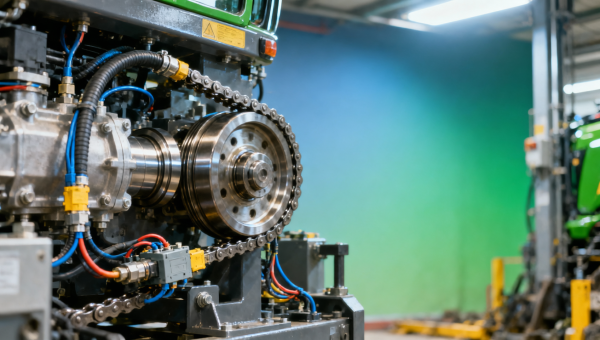
In industrial agriculture, a single hidden flaw in agri machinery can trigger costly downtime, safety risks, and supply chain disruption. For operators, technical evaluators, and Industrial Buyers alike, knowing how to identify weak points early is now a core part of agricultural tech strategy. This guide outlines practical warning signs, inspection priorities, and performance indicators that help teams protect uptime, control costs, and support smarter asset decisions.
Across tractors, sprayers, harvesters, grain handling systems, and forestry support equipment, the weakest point is rarely the most visible component. Downtime often starts with small failures in bearings, hydraulic hoses, driveline joints, electrical connectors, or software calibration. In peak planting or harvest windows, losing even 6 to 12 operating hours can affect labor planning, fuel efficiency, delivery schedules, and input utilization across an entire site.
For procurement teams, project managers, quality leaders, and field operators, effective machinery inspection is no longer just a maintenance routine. It is a risk-control process that influences total cost of ownership, spare parts planning, asset life, and operational resilience. The most effective approach combines visual checks, data-based condition monitoring, operator feedback, and a disciplined review of recurring failure patterns.
Where weak points usually appear first in agri machinery
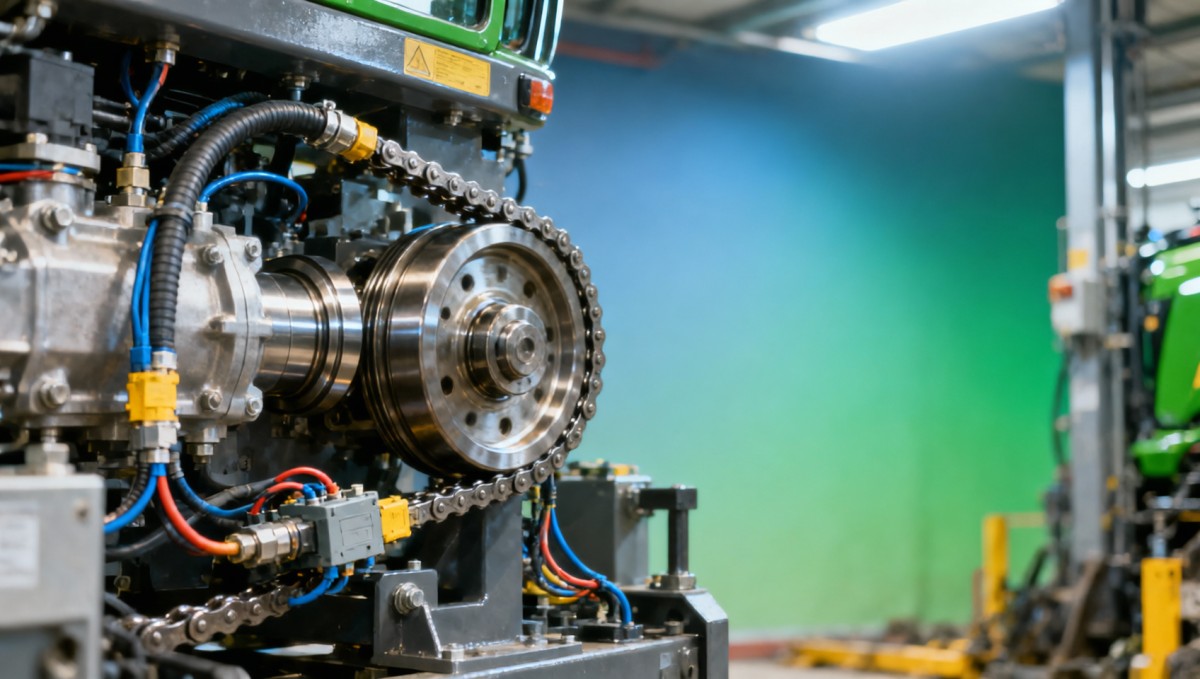
Weak points in agri machinery usually emerge in high-load, high-vibration, or contamination-prone zones. These include rotating assemblies, hydraulic circuits, PTO connections, feeder mechanisms, cutting systems, and electrical harnesses exposed to moisture or dust. In field conditions, machinery commonly operates for 8 to 16 hours per day, often under fluctuating temperature ranges and heavy debris exposure, which accelerates wear well before a visible breakdown occurs.
A common mistake is to focus only on major assemblies such as engines or transmissions. In practice, failure often starts at smaller interfaces: a loose clamp, a misaligned chain, a hairline crack near a welded bracket, or a contaminated sensor port. These lower-cost parts can stop a machine as effectively as a major component, especially when safety interlocks or hydraulic pressure thresholds are involved.
Technical evaluators should map machinery by failure intensity zones. Components that experience repetitive torque spikes, abrasive flow, thermal cycling, or fluid pressure changes deserve shorter inspection intervals. For example, belts and chains in material transfer systems may need close inspection every 100 to 150 operating hours, while critical hydraulic hose assemblies may require leak and abrasion checks at weekly intervals during peak season.
High-risk component groups
The following table shows where weak points are most likely to develop and what field teams should watch for before downtime occurs.
The key takeaway is that weak points are typically located at interfaces between motion, force, fluid, and control. For buyers and maintenance planners, this means inspections should be organized around stress zones rather than just OEM service intervals. A machine that looks acceptable externally may still contain three or four developing faults that only become visible through focused checks.
Operators can improve early detection by recording noise changes, delayed response, and repeat alarms at the end of each shift. A 3-minute condition note taken daily can often reveal a trend one or two weeks before a failure event.
Inspection methods that reduce unplanned downtime
Effective inspection does not require a complex laboratory setup. In most agricultural operations, a layered process works best: daily walkaround checks, weekly functional reviews, and monthly technical inspections. This 3-level approach helps teams identify weak points before they escalate into seal failure, overheating, shaft damage, or control system interruption.
The daily level should focus on what changes quickly: leaks, vibration, loose hardware, damaged guards, abnormal heat, and visible contamination. Weekly checks should add tension, alignment, filter condition, tire wear, and calibration accuracy. Monthly checks are better suited for oil sampling, bearing play measurement, electrical continuity, software diagnostics, and trend review of recurring faults over the last 30 to 90 days.
A useful benchmark is to classify findings into three action bands. Band 1 includes defects that can run safely to the next planned stop, usually within 7 days. Band 2 includes issues that require intervention within 24 to 72 hours. Band 3 includes stop-work risks such as major leaks, exposed rotating hazards, brake faults, or severe temperature excursions that exceed normal operating range by 15% or more.
A practical field inspection sequence
- Start with contamination sources: mud buildup, crop residue, dust ingress, and blocked cooling zones.
- Check fluid systems for hose abrasion, fitting seepage, tank vent blockage, and reservoir level stability.
- Evaluate moving parts by sound, heat, and free play, especially on bearings, chains, rollers, and couplings.
- Review electrical integrity, including connectors, harness routing, battery terminals, and sensor cleanliness.
- Confirm machine behavior under load, not only at idle, because weak points often emerge at 60% to 90% working load.
This step-based process is especially useful for mixed fleets where tractors, self-propelled sprayers, and grain handling equipment share maintenance resources. It supports consistency across teams and creates a defensible inspection record for finance, safety, and operations stakeholders.
Tools that improve detection quality
Even basic instruments can significantly improve fault detection. An infrared thermometer can flag a bearing or gearbox running 8°C to 15°C above its normal range. A handheld vibration meter can help compare suspect points across identical machines. A torque wrench ensures critical fasteners are not judged by feel alone. For larger fleets, telematics and CAN-based diagnostics can identify repetitive error codes, fuel inefficiency, and abnormal idle-to-load behavior over time.
For technical assessment teams, the goal is not to measure everything, but to measure repeatably. A short list of 10 to 15 inspection points per machine type often delivers better results than a 60-point checklist that operators cannot complete consistently.
Performance indicators that signal failure before it happens
Weak points in agri machinery usually reveal themselves through performance drift before physical failure is obvious. Throughput, fuel use, hydraulic response, cut quality, spray consistency, and starting behavior all provide usable warning signals. The challenge for operators and managers is to distinguish meaningful drift from normal field variation caused by crop density, terrain, weather, or operator style.
A practical rule is to investigate any repeated change of 5% to 10% in output, cycle time, or fluid consumption when field conditions are otherwise stable. For example, if a feed conveyor requires noticeably higher motor load or a sprayer maintains pressure less consistently than it did two weeks earlier, the weak point may be developing in a filter, pump, seal, control valve, or drive mechanism.
Operations leaders should combine three data sources: machine metrics, operator observations, and maintenance history. A single alarm may not justify action, but two or three indicators appearing together often do. If a harvester shows higher vibration, lower throughput, and more uneven residue handling within the same 20-hour window, inspection should be prioritized before the next full shift.
Field KPIs worth tracking
The table below outlines practical indicators that help teams spot weak points early without relying on speculative data or overcomplicated analytics.
These indicators are most useful when baseline values are recorded after service or at the start of season. Without a reference point, teams may normalize decline until failure becomes expensive. For finance approvers, baseline tracking supports more rational maintenance budgets because repair decisions are tied to measurable deterioration rather than urgency alone.
Project managers overseeing multiple sites can also use KPI triggers to coordinate spare parts and labor. If three similar units begin to show the same response lag or thermal trend, it may indicate a repeatable design or operating weakness worth addressing at fleet level.
How buyers and decision-makers should evaluate machinery risk before purchase or overhaul
Spotting weak points is not only a maintenance issue. It should shape procurement decisions, overhaul planning, and asset replacement strategy. When comparing machines or reviewing refurbishment proposals, buyers should evaluate access to wear parts, maintenance intervals, component standardization, diagnostic visibility, and the cost of failure during peak operating periods. A lower purchase price can become a higher lifecycle burden if service bottlenecks or vulnerable assemblies are built into the platform.
A disciplined pre-purchase review should include serviceability and risk exposure, not only power rating and output claims. For example, two machines with similar capacity may differ significantly in inspection access time. If one unit requires 45 minutes to reach filters, belts, or grease points while another needs 15 minutes, that difference scales quickly over a 4 to 6 month operating season.
Technical evaluators should also ask for maintenance history on used or rebuilt equipment, especially around repeat failures. Three prior hose replacements in the same routing zone, frequent bearing changes on one shaft, or recurring controller faults may indicate a structural weak point rather than isolated service events. Those patterns affect parts stocking, training, safety, and insurance exposure.
Pre-purchase and overhaul risk checklist
- Confirm the expected service interval for critical wear items such as belts, knives, filters, hoses, and bearings.
- Check whether diagnostic codes, pressure data, and performance logs are accessible without proprietary delays.
- Review spare parts lead times; in many regions, acceptable planning windows are 24 to 72 hours for fast-moving items.
- Assess maintenance access points, guard removal time, and contamination control around service zones.
- Evaluate whether the machine design tolerates variable field loads, dust, moisture, and operator turnover.
Decision factors by stakeholder group
Different stakeholders look at weak points differently, but the same failure affects them all. Operations teams prioritize uptime and recovery speed. Finance teams focus on repair frequency and asset utilization. Quality and safety teams look at product consistency, contamination risks, and hazard exposure. Procurement teams need a balanced view that turns technical findings into commercial decisions.
That is why buyer-side reviews should score machinery against at least four dimensions: reliability risk, maintainability, parts availability, and operating impact. A practical scoring method on a 1 to 5 scale can help compare competing platforms or decide whether overhaul is justified.
Common mistakes, maintenance priorities, and a smarter response plan
One of the biggest mistakes in agri machinery management is reacting only after breakdown. Another is replacing parts without identifying the underlying weak point. If a bearing fails repeatedly, the root cause may be contamination, shaft misalignment, over-tension, or a lubrication interval that does not match the actual duty cycle. Without root-cause review, maintenance costs rise while reliability stays weak.
A smarter response plan starts by separating urgent symptoms from structural causes. Urgent symptoms include leaks, overheating, severe vibration, or control instability. Structural causes include poor routing, inadequate sealing, difficult service access, inconsistent lubrication, or operator misuse. The response should address both levels within a defined timeline: immediate stabilization in 0 to 24 hours, corrective repair in 1 to 3 days, and preventive redesign or procedural adjustment within the next maintenance cycle.
Maintenance priorities should match seasonal exposure. Before planting and harvest, teams should concentrate on fluid systems, cutting or feeding components, tire and brake condition, and electrical reliability. During operation peaks, focus shifts toward fast inspections and spare readiness. After peak season, the priority becomes teardown review, oil analysis, contamination removal, and failure trend documentation to support next-year planning.
Response matrix for weak-point findings
A structured response matrix helps cross-functional teams decide what to fix now, what to monitor, and what to redesign.
This kind of matrix improves internal alignment. It reduces disputes between operations that want to keep equipment running and safety or quality teams that need intervention. It also helps procurement and finance understand why certain spare parts, service contracts, or design upgrades should be approved before the next seasonal surge.
FAQ for teams managing machinery risk
How often should agri machinery be inspected for weak points?
A practical schedule is daily visual checks, weekly functional inspections, and a deeper technical review every 30 days or every 100 to 250 operating hours, depending on machine type and duty severity. High-dust, high-vibration, or extended-shift operations may require shorter intervals.
Which warning sign should never be ignored?
Rapid temperature rise, major hydraulic leakage, exposed driveline damage, brake inconsistency, and repeated control faults should never be deferred. These are not only reliability issues; they can quickly become safety incidents or cause secondary damage that multiplies repair cost.
Is used machinery automatically higher risk?
Not necessarily. Used equipment can be a sound investment when service records, overhaul quality, and wear-item condition are transparent. The real risk is undocumented repair history, recurring faults, poor parts access, or a design with known stress points that were never corrected.
Spotting weak points in agri machinery before downtime requires more than a quick visual check. It depends on knowing where failures start, tracking measurable performance drift, using a repeatable inspection process, and making purchase or overhaul decisions with lifecycle risk in mind. For operators, technical assessors, project managers, and decision-makers, this approach protects uptime, safety, and budget discipline at the same time.
AgriChem Chronicle supports industrial buyers and primary-industry stakeholders with practical, technically grounded intelligence across machinery, processing systems, and regulated supply chains. If you want a more structured evaluation framework for agricultural equipment risk, maintenance planning, or asset selection, contact us to discuss your operating context, request a tailored content partnership, or explore more solution-focused industry guidance.
Related Intelligence
- Heavy Agri MachineryIndia Launches AD Review on Chinese Tractors, Tariff May Rise to 28.5%India's AD review on Chinese tractors may raise tariffs to 28.5% — critical insights for exporters, importers & agri-machinery stakeholders.
- Heavy Agri MachineryIndia Launches Anti-Dumping Review on Chinese TractorsIndia's anti-dumping review on Chinese tractors (≥50HP, smart hydraulic suspension) may raise duties to 22.5–28.5%. Exporters, CKD assemblers & suppliers: act now to assess risk and compliance.
- Heavy Agri MachineryIndia Launches Anti-Dumping Review on Chinese Heavy Agri MachineryIndia's anti-dumping sunset review on Chinese heavy agri machinery — tractors & precision seeders — proposes duty hike to 28.5%. Act now to assess impact & prepare defense.
The Morning Broadsheet
Daily chemical briefings, market shifts, and peer-reviewed summaries delivered to your terminal.
