
Why some agrochemicals lose performance before shelf life ends
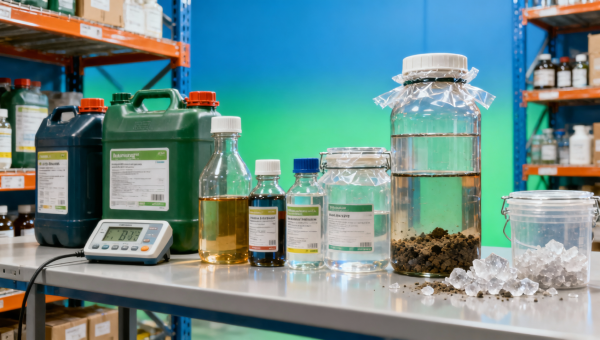
Even when a product is still within its labeled shelf life, that date alone does not guarantee full field performance. Some agrochemicals degrade early because of formulation instability, packaging interactions, temperature stress, moisture exposure, light, poor warehouse control, or hidden distribution-chain mishandling. For industrial buyers, technical evaluators, quality managers, and farm operators, the practical question is not simply “Is it expired?” but “Has it remained chemically and physically fit for use?” Understanding that difference helps reduce application failures, avoid compliance risk, and improve procurement decisions.
Why shelf life does not always guarantee agrochemical performance
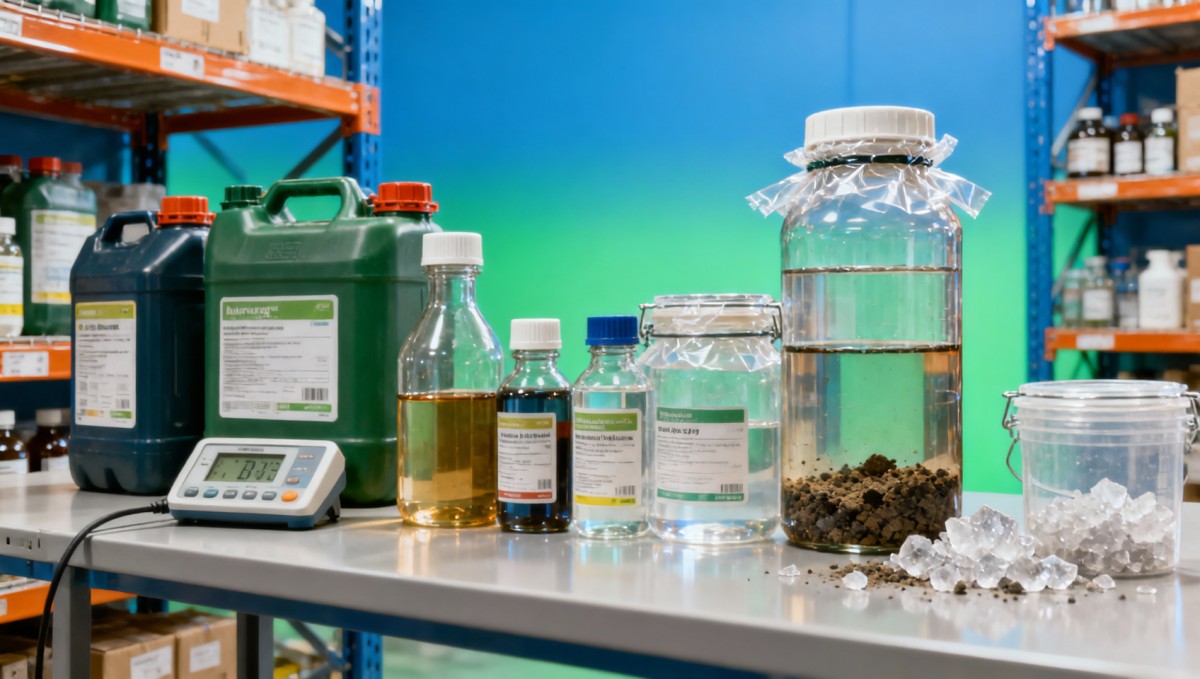
The core search intent behind this topic is highly practical: readers want to know why an agrochemical can underperform before its stated expiry date, what causes that loss, and how to detect or prevent it before money, crops, labor, or compliance are put at risk.
For most professional readers, the answer is straightforward: shelf life is a controlled-condition estimate, not a universal performance promise. It assumes the product was manufactured correctly, packaged compatibly, transported under acceptable conditions, stored as instructed, and used without contamination or repeated stress. Once one or more of those conditions break down, efficacy may decline well before the labeled date.
This matters because many agrochemical failures are not immediately obvious. A product may still look usable while its active ingredient has partially degraded, its emulsion has destabilized, its suspension has settled irreversibly, or its pH has shifted enough to reduce biological performance. In practical terms, that can mean weaker pest control, inconsistent spray results, crop safety issues, residue concerns, reapplication cost, and disputes between procurement, operations, and suppliers.
What actually causes agrochemicals to lose efficacy early
Early performance loss usually comes from a combination of chemical, physical, and logistical factors rather than one single defect. The most important mechanisms include:
1. Active ingredient degradation
Some active substances are inherently sensitive to heat, oxidation, hydrolysis, or UV exposure. Even if the product remains sealed, the active ingredient can slowly decompose when storage conditions fluctuate beyond validated limits. This is especially relevant in hot climates, non-conditioned warehouses, and long cross-border shipping routes.
2. Formulation instability
An agrochemical is more than its active ingredient. Solvents, surfactants, dispersants, preservatives, and stabilizers must remain balanced over time. If that balance shifts, emulsifiable concentrates may separate, wettable powders may cake, and suspension concentrates may become difficult to redisperse. A product can technically remain in-date yet become operationally unreliable.
3. Moisture ingress and humidity exposure
Water-sensitive formulations can deteriorate before expiration if packaging seals are weak, containers are repeatedly opened, or products are stored in humid environments. Moisture can trigger hydrolysis, clumping, microbial growth in some systems, or changes in viscosity and dispersion behavior.
4. Packaging interaction
Container materials matter. Certain actives or solvents may interact with liners, closures, adhesives, or polymer packaging. Over time, this can lead to permeability, volatilization, contamination, or adsorption of key ingredients onto the container wall. These effects are often underestimated during procurement review.
5. Temperature cycling during logistics
A product may survive short-term heat better than repeated heating and cooling cycles. Ports, trailers, and warehouses often expose goods to temperature extremes outside label recommendations. Repeated stress can accelerate both chemical breakdown and physical instability.
6. Light and oxygen exposure
Transparent or poorly protected packaging can allow photodegradation. Oxygen exposure after partial use may also accelerate oxidation in certain formulations, especially if headspace increases inside a repeatedly opened container.
7. Contamination in use
Once opened, some products deteriorate because of contaminated measuring tools, dirty transfer pumps, incorrect tank mixing practices, or backflow into original packaging. This is especially relevant at large operations where multiple handlers use the same product lot.
Which warning signs matter most to users, quality teams, and buyers
For target readers in operations, quality, and procurement, the most useful question is not whether degradation is theoretically possible, but how to recognize risk in real settings. The following indicators deserve immediate attention:
- Unexpected color change, odor shift, or visible sediment
- Layer separation that does not recover after recommended agitation
- Crystallization, caking, thickening, or abnormal viscosity
- Swollen, softened, brittle, or leaking packaging
- Incomplete dissolution or poor tank-mix compatibility
- Field complaints despite correct dosage and application timing
- Temperature exposure records inconsistent with storage requirements
- Unusually long storage after partial opening
These signs do not always prove the product is unusable, but they are valid triggers for technical review, supplier inquiry, or retained-sample testing. In commercial agriculture, the cost of ignoring them is often higher than the cost of verification.
What technical evaluators should verify before approving purchase or use
Technical assessment teams and enterprise buyers should focus on evidence that the product can maintain stability in real supply-chain conditions, not only on the printed shelf-life statement.
Key checkpoints include:
- Stability data: Ask for accelerated and long-term stability results under relevant climatic conditions.
- Packaging compatibility validation: Confirm the formulation has been tested in the exact commercial container system.
- Batch traceability: Require batch coding, manufacturing date visibility, and retention sample control.
- Transport and storage controls: Review whether the supplier or distributor can document temperature management and handling practices.
- Recommended post-opening use period: Some products are more vulnerable after first opening than buyers assume.
- Certificate support: Verify COA alignment, specification limits, and any relevant compliance with regional regulatory expectations.
- Complaint history and CAPA responsiveness: A reliable supplier should be able to explain prior stability issues and corrective actions.
For large-volume buyers, these checks improve not just product selection but also contract quality, claims management, and inventory rotation policy.
How storage and handling practices affect real-world performance
Even a well-manufactured agrochemical can lose performance early if downstream handling is weak. This is where many field failures begin.
Warehouse conditions should be stable, dry, ventilated, and aligned with label guidance. Products should not be stored near heat sources, direct sunlight, or incompatible materials. First-expiry-first-out and lot-level visibility are basic but essential controls.
On-site handling should minimize repeated opening, cross-contamination, and excessive residence time after seal break. If a product is transferred to secondary containers, identification and compatibility controls become critical.
Application preparation also matters. Poor water quality, wrong dilution sequence, excessive pre-mix holding time, and incompatible tank-mix combinations can make a stable product behave like a degraded one. When troubleshooting efficacy loss, teams should separate formulation deterioration from application error.
Why this issue matters for business risk, not just chemistry
For decision-makers and finance approvers, early agrochemical degradation is a business-control issue as much as a technical one. The consequences may include:
- Reduced crop protection performance and yield exposure
- Higher reapplication and labor costs
- Inventory write-offs and emergency replacement purchasing
- Disputes with distributors, applicators, or contract growers
- Potential safety and compliance concerns if degraded products behave unpredictably
- Brand and procurement credibility damage inside the organization
That is why the most resilient organizations do not rely solely on label dates. They combine supplier qualification, warehouse discipline, lot traceability, and field feedback loops to ensure product integrity across the full lifecycle.
How to reduce the risk of buying or using underperforming agrochemicals
A practical risk-reduction framework should include the following actions:
- Qualify suppliers on stability capability, not price alone.
- Review packaging and transport suitability for the destination climate.
- Check manufacturing date, not only expiry date, during receiving.
- Inspect every incoming lot for physical warning signs.
- Store according to label conditions with documented monitoring.
- Control opened-container use and prevent contamination.
- Escalate unusual field performance to QA with batch traceability.
- Use retained samples or lab testing when the commercial risk is significant.
For industrial buyers and large-scale operators, these controls usually deliver better ROI than dealing with downstream crop loss or re-treatment events.
Conclusion
Some agrochemicals lose performance before shelf life ends because shelf life reflects expected stability under defined conditions, while real-world manufacturing, packaging, transport, storage, and use conditions are often less controlled. For professional users, the right question is not simply whether a product is still in date, but whether it has remained chemically stable, physically usable, and operationally reliable.
The most effective response is disciplined verification: assess formulation stability, packaging compatibility, logistics control, warehouse practices, and in-use handling together. When buyers, quality teams, and operators treat agrochemical shelf life as a managed risk rather than a fixed guarantee, they make better procurement decisions, reduce field failure, and protect both performance and compliance.
Related Intelligence
- AgrochemicalsChina’s New EHS Self-Assessment Rule for Agrochemical Exports (Q2 2026)China’s new EHS self-assessment rule for agrochemical exports takes effect June 2026—learn how it impacts EU, SEA & LATAM shipments and what to do now.
- AgrochemicalsHow to Audit an Agri Supply Chain for Quality Risks?Agri Supply Chain audits start with GMP Chemicals, Feed & Grain, and Bioactive Ingredients. Discover how to assess biochemical equipment, Pharma Raw Materials, and GMP equipment risks with practical Technical Whitepapers.
- AgrochemicalsWhy some agrochemicals lose performance before shelf life endsAgrochemicals can lose performance before expiry due to heat, moisture, packaging, and handling issues. Learn how industrial agriculture buyers spot risks and protect results.
The Morning Broadsheet
Daily chemical briefings, market shifts, and peer-reviewed summaries delivered to your terminal.
