

The Authority in Global Agricultural Chemistry & Bio-Resources
EU New Aquatic Feed Additive Rules Effective May 2026
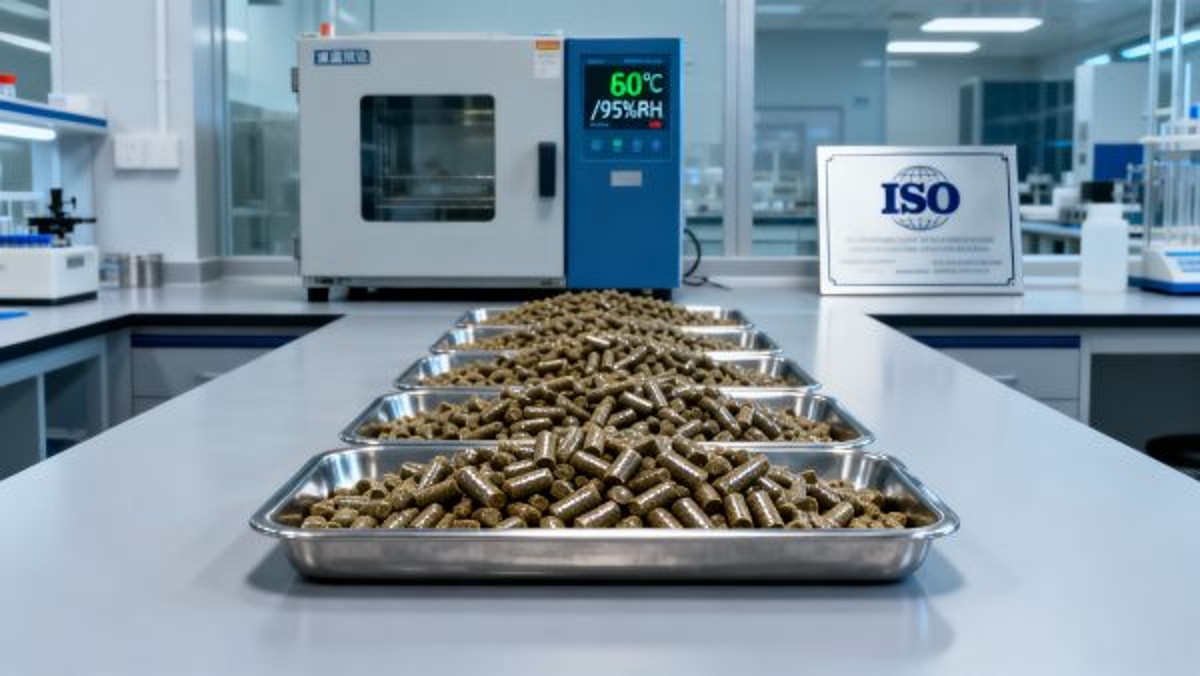
Starting 1 May 2026, the European Commission’s Regulation (EU) 2026/789 enters into force, mandating new microbiological stability data for all imported commercial feed pellets for aquatic animals — particularly affecting exporters of compound aquafeed from China and other third countries. Feed manufacturers, testing service providers, and international trade compliance teams should take note, as this requirement directly impacts market access, certification timelines, and product documentation workflows.
Event Overview
Regulation (EU) 2026/789, adopted by the European Commission, becomes applicable on 1 May 2026. It amends Annex I of Regulation (EC) No 1831/2003 to require third-country exporters of commercial feed pellets for aquatic animals to submit third-party-verified ‘wet-heat cycling stability reports’ compliant with ISO 16140-5:2025. The test must assess retention of efficacy for active ingredients—including probiotics, enzymes, and plant extracts—under conditions of 60°C and 95% relative humidity for 72 hours. Chinese exporting enterprises are required to complete this verification prior to export.
Which Subsectors Are Affected
Direct Exporters of Commercial Feed Pellets
These companies supply finished aquafeed products to EU importers. They are directly responsible for generating and submitting the required stability report. Impact includes extended pre-shipment lead times, additional laboratory costs, and potential delays if existing batches lack compliant test data.
Feed Ingredient Suppliers (e.g., probiotic or enzyme producers)
Suppliers providing functional additives to pellet manufacturers may face upstream requests for batch-specific stability data under the same conditions. While not directly regulated under this rule, their technical documentation now influences downstream compliance readiness.
Feed Manufacturing Facilities (OEM/ODM Plants)
Contract manufacturers producing pellets for export brands must integrate stability testing into quality control protocols for EU-bound shipments. This affects internal SOPs, batch release criteria, and traceability systems — especially where active ingredients are blended post-pelleting.
Testing & Certification Service Providers
Laboratories accredited to ISO/IEC 17025 and familiar with ISO 16140-5:2025 will see increased demand for wet-heat cycling validation. Capacity, turnaround time, and regional accessibility of such testing services are now critical bottlenecks for exporters.
What Relevant Enterprises or Practitioners Should Focus On and How to Respond Now
Confirm alignment with ISO 16140-5:2025 implementation status
ISO 16140-5:2025 is a newly published standard. Exporters should verify whether their chosen laboratory has implemented it operationally — not just declared accreditation — and confirm reporting format meets EU customs and feed safety authority expectations.
Prioritize high-volume or high-risk product categories
Analysis shows that pelleted feeds containing heat-sensitive probiotics (e.g., Bacillus spp.) or thermolabile enzymes (e.g., phytase, cellulase) are most likely to fail the 72-hour 60°C/95% RH test. Companies should triage product lines accordingly and consider reformulation or packaging adjustments where stability gaps exist.
Distinguish between regulatory signal and operational enforcement
Observably, the regulation takes effect 1 May 2026, but initial enforcement may focus on documentation completeness rather than retrospective testing of historical stock. However, from that date onward, missing or non-compliant reports will likely result in customs rejection or official feed control sampling at EU borders.
Initiate internal coordination across R&D, QA/QC, and export logistics
Current more suitable preparation includes cross-departmental alignment: R&D to review thermal stability profiles; QA/QC to update release checklists; and logistics to adjust shipping schedules to accommodate 7–10 working days for third-party testing and report issuance.
Editorial Perspective / Industry Observation
This regulation is better understood as an operational tightening within the EU’s broader strategy to harmonise feed additive efficacy claims with real-world storage conditions — not merely a labelling or registration change. From an industry perspective, it signals growing regulatory attention on post-manufacturing performance integrity, especially for biologically active components. It does not introduce new approval pathways, but raises the evidentiary bar for market access. Continued monitoring is warranted for guidance documents issued by EFSA or the European Commission’s DG SANTE, which may clarify interpretation of ‘commercial feed pellet’ scope or acceptable alternative methodologies.
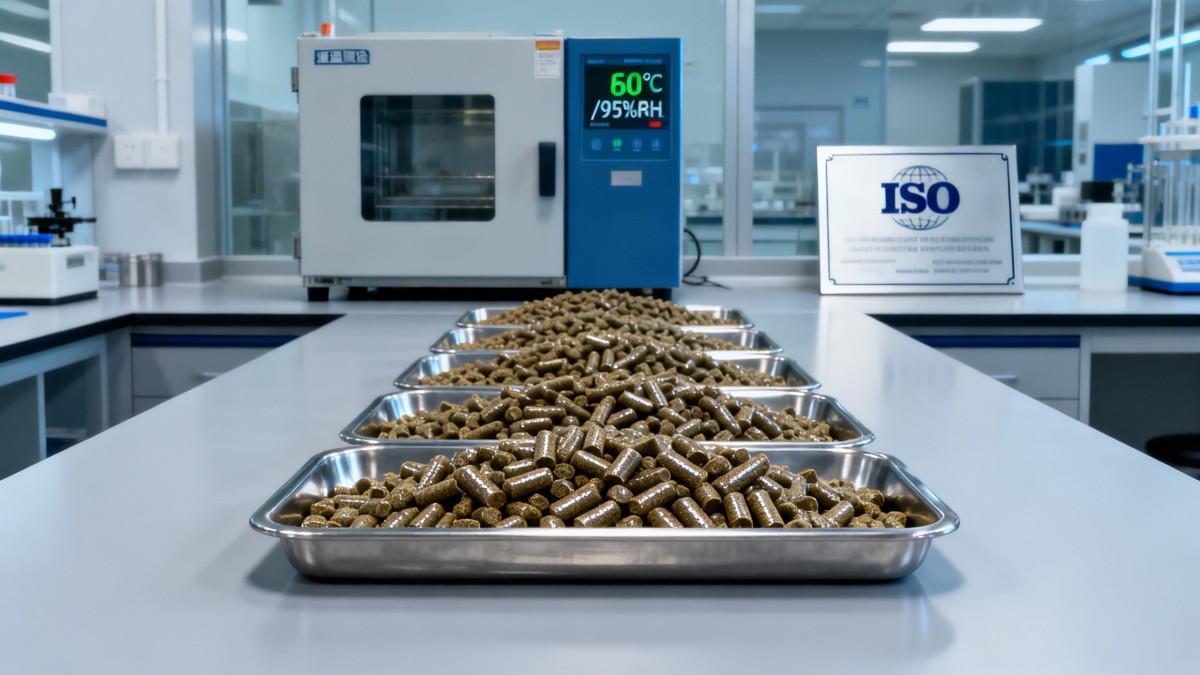
Conclusion: Regulation (EU) 2026/789 represents a targeted, enforceable shift in documentation requirements for aquatic feed exports — not a broad policy overhaul. Its immediate significance lies in mandatory pre-export verification, not re-evaluation of ingredient authorisations. For affected stakeholders, the current priority is procedural readiness, not strategic reassessment.
Source: European Commission Regulation (EU) 2026/789; ISO 16140-5:2025 (Microbiology of the food chain — Method validation — Part 5: Validation of microbiological methods for probiotics and other live microbial products).
Noted for ongoing observation: Potential EFSA guidance notes or national-level implementation notices from EU Member States, expected Q3–Q4 2025.
Related Intelligence
- Commercial Feed PelletEU New Aquatic Feed Additive Rules Effective May 2026EU new aquatic feed additive rules take effect May 2026 — mandatory wet-heat stability testing (ISO 16140-5:2025) for all imported aquafeed pellets. Act now to secure market access.
- Commercial Feed PelletChina’s 2026 Mandatory Feed Pellet Standard Adds Heavy Metal Migration LimitsChina’s new GB 13078-2026 feed pellet standard mandates heavy metal migration limits (Pb, Cd, As ≤0.05 mg/kg) — critical for EU, Korea & KSA exporters. Act now!
- Commercial Feed PelletIndia Launches Sunset Review on Chinese Commercial Feed PelletsIndia launches sunset review on Chinese commercial feed pellets—key implications for exporters, feed producers & agri-input suppliers. Act now.
The Morning Broadsheet
Daily chemical briefings, market shifts, and peer-reviewed summaries delivered to your terminal.
