
The Authority in Global Agricultural Chemistry & Bio-Resources
FDA Updates Import Alert for Botanical Extracts (May 2026)
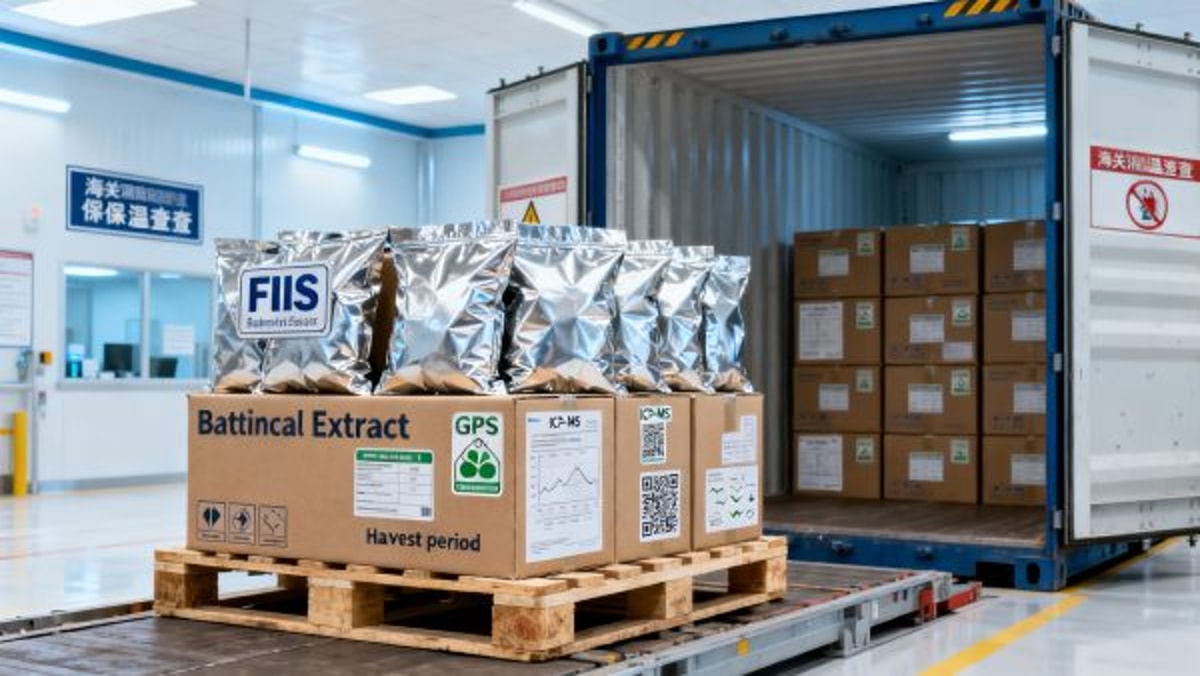
FDA issued updated import guidance for botanical extracts on May 3, 2026, mandating a three-part traceability package for each shipment. This affects U.S.-bound dietary supplement ingredient suppliers, contract manufacturers, and importers — particularly those handling herbs, adaptogens, and standardized plant extracts.
Event Overview
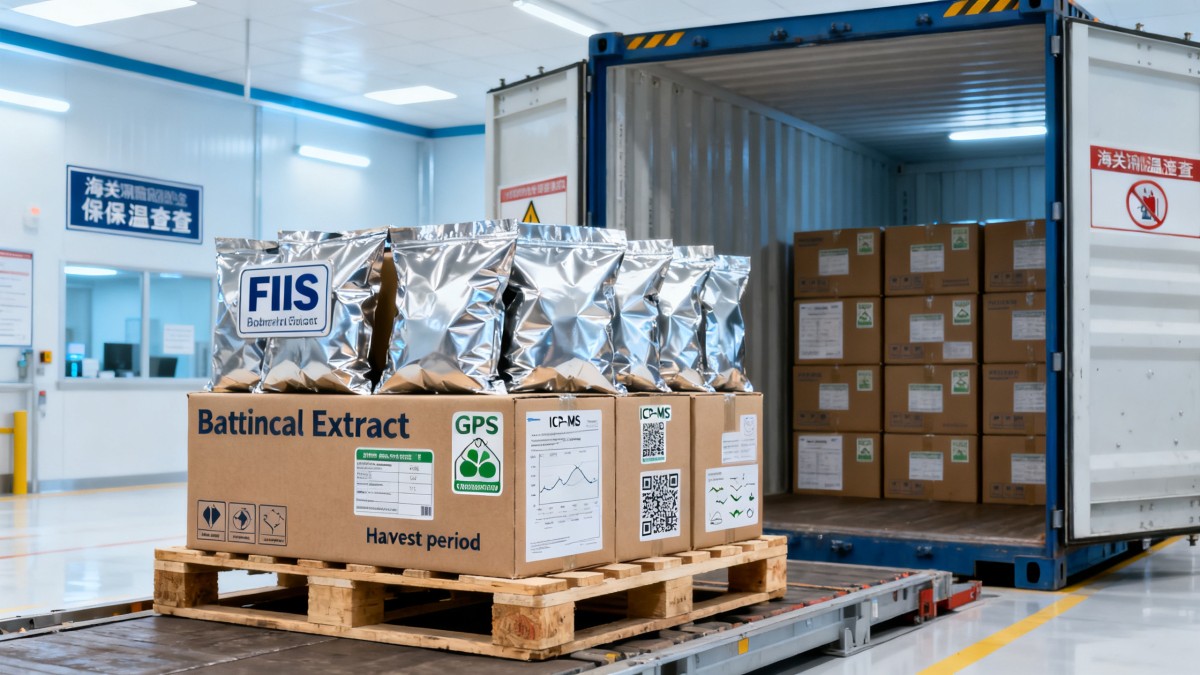
On May 3, 2026, the U.S. Food and Drug Administration (FDA) updated its Import Alert 54-12, requiring all importers of botanical extracts to submit, for every batch, a complete ‘traceability package’ consisting of: (1) full-element ICP-MS testing report; (2) GPS coordinates of the Good Agricultural Practice (GAP)-certified cultivation site; and (3) meteorological records covering the harvest period. The requirement took effect immediately. Shipments lacking any component of this package are subject to automatic detention under Import Alert 54-12.
Industries Affected by Segment
Direct Trade Enterprises (Importers & Exporters)
These entities act as the legal U.S. agent of record and bear primary regulatory responsibility. Under the new rule, they must verify and retain the full traceability package prior to entry — not just at customs clearance but as part of pre-shipment due diligence. Failure to do so triggers automatic detention, with no opportunity for reinspection unless corrected documentation is submitted before arrival.
Raw Material Sourcing Companies
Suppliers sourcing botanicals from farms or cooperatives — especially in Asia, Latin America, and Eastern Europe — now face heightened upstream verification demands. They must ensure growers maintain GPS-mapped field records and archive local weather data (e.g., rainfall, temperature extremes) during harvest windows. Absence of such infrastructure may disqualify otherwise compliant material from U.S. entry.
Contract Manufacturers & Dietary Supplement Brands
While not directly named as importers, these firms increasingly assume de facto supply chain accountability. FDA’s enforcement history shows that repeated detentions linked to their contracted suppliers can trigger facility-level scrutiny or voluntary recall expectations. Their incoming quality agreements must now explicitly reference the three-part package as a contractual condition of acceptance.
Distribution & Logistics Providers
Third-party logistics (3PL) and customs brokers handling botanical extract shipments must update documentation workflows to flag missing or incomplete traceability packages *before* filing entry. Systems that previously accepted ‘pending lab reports’ or ‘GPS to follow’ are no longer sufficient. Real-time validation against FDA’s electronic portal (PREDICT) becomes operationally critical.
What Relevant Companies or Practitioners Should Focus On Now
Monitor official FDA communications for clarification on acceptable formats
Analysis shows the guidance does not specify whether meteorological data must originate from government meteorological services or if certified on-farm sensors qualify. Importers should track FDA’s FAQ updates and upcoming industry webinars (if announced) for format tolerances — especially regarding timestamp alignment between harvest logs and weather files.
Prioritize high-volume, high-risk botanical categories for immediate process review
Observably, extracts with historically elevated heavy metal or pesticide residue risk — such as turmeric, ashwagandha, ginseng, and green tea — are most likely to face intensified scrutiny. Companies should audit current supplier documentation for these categories first, rather than applying blanket requirements across all botanical SKUs.
Distinguish between policy signal and operational implementation
Current enforcement appears focused on documentation completeness rather than analytical method harmonization (e.g., ICP-MS vs. ICP-OES). From an industry perspective, the immediate priority is validating *whether* required elements exist — not yet debating *how precisely* they were generated. Labs and farms should prioritize metadata capture (timestamps, geotags, instrument IDs) over method upgrades at this stage.
Prepare procurement and supplier communication protocols now
Suppliers outside the U.S. often lack familiarity with GPS field mapping or structured weather logging. Companies should draft bilingual templates (English + source-language) for harvest documentation, share minimum technical specs for GPS devices, and define acceptable weather data sources — all before initiating new purchase orders.
Editorial Perspective / Industry Observation
This update is better understood as a procedural escalation — not a scientific revision. It reflects FDA’s shift toward real-time, data-driven import oversight rather than post-entry sampling. Observably, the three-part package mirrors traceability frameworks already used in EU organic certification and Japan’s JAS system, suggesting alignment with global agricultural data standards. Analysis shows it functions less as a new safety threshold and more as a compliance gate: the requirement itself — not the test results — determines admissibility. Industry should therefore treat this as a foundational documentation standard, not a one-time regulatory hurdle.
That said, the absence of a phase-in period or grace period signals urgency. Unlike previous guidance updates, this rule carries immediate operational consequences. Continued monitoring is warranted — particularly for potential expansion to other natural ingredient categories (e.g., mushroom powders, fermented botanicals), though no such proposal has been published.
Conclusion: This is not a signal of emerging risk in botanical extracts, but rather a formalization of traceability expectations long implied in FDA’s import enforcement patterns. For affected stakeholders, the priority is not reassessing product safety, but rebuilding documentation handshakes across international supply tiers. The rule reinforces that in regulated markets, verifiable provenance is now inseparable from material quality.
Source: U.S. Food and Drug Administration (FDA), Import Alert 54-12 Revision Notice, effective May 3, 2026.
Observation note: No official FDA FAQ, implementation checklist, or list of approved weather data providers has been published as of May 2026. These remain pending items for ongoing tracking.
Related Intelligence
- Botanical ExtractsFDA Updates Import Alert for Botanical Extracts (May 2026)FDA's May 2026 botanical extracts import alert mandates traceability—ICP-MS, GPS farm data & harvest weather. Act now to avoid detention.
- Botanical Extracts38th Firefly Comic Con Features Agri-Tech IP Zone & Botanical Extracts Cross-Border MarketingAgri-Tech IP Zone & botanical extracts take center stage at 38th Firefly Comic Con—discover cross-border DTC strategies, AR science storytelling, and ASEAN market readiness for functional ingredients.
- Botanical ExtractsWhat Sets a Reliable Ginseng Extract Manufacturer Apart?Ginseng extract manufacturer selection starts with traceability, GMP controls, and consistent ginsenosides. Learn how to compare suppliers, reduce risk, and secure long-term value.
The Morning Broadsheet
Daily chemical briefings, market shifts, and peer-reviewed summaries delivered to your terminal.
