
Aksu Cotton Mill Boosts Feed Pellet Protein Supply
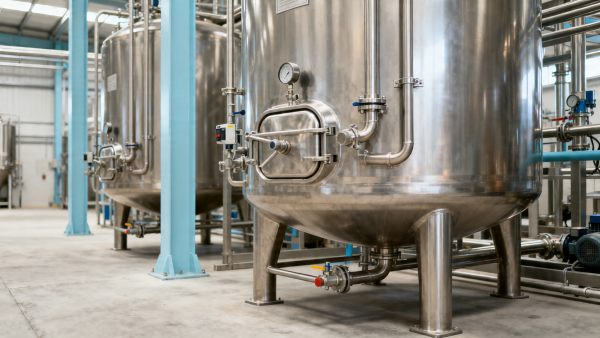
China’s Aksu region has entered full-capacity operation at a key cotton textile facility, with upgraded cottonseed protein extraction capacity now certified for international feed ingredient markets. The event — completed in Q1 2026 — signals strengthened supply stability of plant-based protein for commercial feed pellet manufacturers across Southeast Asia and the Middle East, offering a high-value alternative amid sustained high soybean meal prices.
Event Overview
Huayu Textile Technology Co., Ltd. in Awati County, Xinjiang, completed technical upgrades to its cottonseed protein extraction line in Q1 2026. The line now produces cottonseed meal with protein content exceeding 52%. It has passed preliminary FDA review and FAMI-QS certification.
Industries Affected
Direct Export Trading Firms
These firms handle cross-border shipments of feed-grade protein ingredients. The upgrade expands eligible export volumes and quality tiers — particularly for markets requiring FAMI-QS or FDA-aligned documentation. Impact centers on documentation readiness, customs classification accuracy, and eligibility for preferential trade terms under existing China–ASEAN or China–GCC frameworks.
Feed Ingredient Procurement Teams (Commercial Feed Pellet Producers)
Procurement departments sourcing plant-based protein for compound feed formulations may now evaluate cottonseed protein as a structural soybean meal substitute. Impact includes revised cost modeling, new supplier qualification workflows, and potential reformulation timelines — especially where regional regulatory acceptance is confirmed.
Feed Pellet Manufacturing Facilities
Manufacturers relying on imported soybean meal face input cost volatility. Higher-protein cottonseed meal offers formulation flexibility but requires validation of digestibility, amino acid profile consistency, and batch-to-batch stability. Impact manifests in R&D testing cycles and potential adjustments to pellet binding performance or thermal processing parameters.
Supply Chain & Logistics Providers
Firms managing inland transport from Xinjiang to ports (e.g., Tianjin, Shanghai, or Guangzhou), cold chain integrity for protein concentrates, and documentation compliance for export declarations may see increased volume inquiries. Impact relates to route optimization, certificate-of-origin handling, and alignment with evolving phytosanitary requirements for cotton-derived feedstuffs.
What Relevant Enterprises or Practitioners Should Monitor and Act On
Track official certification status updates
While FAMI-QS and FDA pre-review have been completed, final approval status — including listing in FDA’s Facility Registration database or FAMI-QS public registry — remains pending confirmation. Buyers and traders should verify active certification before committing to long-term supply agreements.
Monitor regional regulatory acceptance in target markets
Regulatory recognition varies: ASEAN countries (e.g., Vietnam, Thailand) and GCC members (e.g., Saudi Arabia, UAE) maintain distinct feed ingredient import rules. Current more relevant than broad market access is confirmation of country-specific registration eligibility for this specific cottonseed protein grade.
Distinguish between technical readiness and commercial scale-up
The Q1 2026 timeline reflects completion of the technical upgrade, not necessarily full-volume commercial dispatch. Analysis来看, initial shipments are likely limited to pilot orders or contractual trial batches. Procurement teams should confirm production ramp-up schedules directly with the facility before adjusting annual sourcing plans.
Prepare for documentation and logistics alignment
Export-ready cottonseed protein requires specific labeling (e.g., “for animal feed use only”), origin certification, and adherence to destination-country mycotoxin limits. Importers should audit their internal documentation workflows and engage freight forwarders experienced in agri-feed exports from Northwest China.
Editorial Perspective / Industry Observation
From industry angle, this development is best understood as an emerging supply option — not yet a market-shifting substitution. It reflects incremental progress in valorizing cotton by-products within China’s integrated agricultural-industrial policy framework. Observation来看, its significance lies less in immediate volume displacement of soybean meal and more in diversifying origin points and protein sources for feed formulators exposed to geopolitical or climatic supply risks. Current more relevant than headline protein percentage is the pace of downstream validation — particularly in aquafeed and poultry sectors where cottonseed protein inclusion thresholds remain tightly regulated.
Conclusion
This upgrade represents a measured step toward enhancing regional feed ingredient resilience — not a near-term commodity pivot. It reinforces the strategic value of localized, non-soy plant protein infrastructure in Northwest China, while underscoring that commercial adoption hinges on consistent quality verification and regulatory alignment — not just technical capability. Currently, it is more appropriately interpreted as a signal of expanding supply-side options, rather than an established alternative channel.
Source Attribution
Main source: Public announcement by Huayu Textile Technology Co., Ltd. (Awati County, Xinjiang). Certification status (FAMI-QS, FDA pre-review) cited per company disclosure. Note: Final FDA listing status and country-level import approvals for cottonseed protein remain under observation and require independent verification.
Related Intelligence
- Commercial Feed PelletRed Sea Crisis Drives Up Asia-Europe Freight Costs, Feed Pellet FOB Prices Rise 8–12%Red Sea Crisis drives Asia-Europe freight costs up—Commercial Feed Pellet FOB prices rise 8–12%. Critical insight for exporters, traders & importers navigating supply chain volatility.
- Commercial Feed PelletAksu Cotton Mills at Full Capacity; Cottonseed Protein Export Stability RisesAksu cotton mills hit 100% capacity; cottonseed protein exports surge with Thailand & Saudi FDA approvals—99.2% delivery reliability drives feed ingredient buyers’ interest.
- Commercial Feed PelletGrass Forage Chopper Blade Wear Is Costlier Than It LooksGrass forage chopper blade wear drives hidden costs in fuel, downtime, and silage quality. Compare square baler machine, round baler machine, and wrapper options for smarter ROI.
The Morning Broadsheet
Daily chemical briefings, market shifts, and peer-reviewed summaries delivered to your terminal.
