
Why Wholesale Spirulina Blue Phycocyanin Fades Too Fast
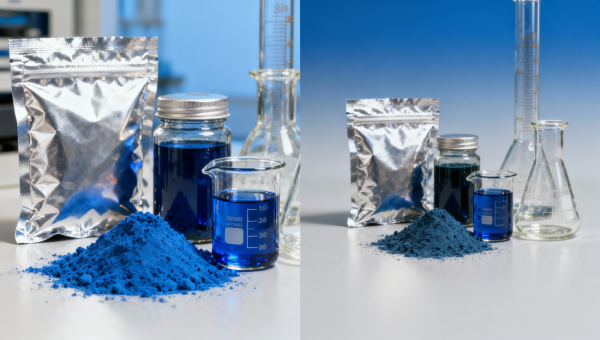
Why does wholesale spirulina blue phycocyanin lose its vivid color so quickly in storage or formulation? For buyers, QC teams, and technical evaluators comparing natural flavors manufacturer portfolios, stevia extract wholesale options, vanilla bean extract bulk, or turmeric extract curcumin, color stability is more than a cosmetic issue—it directly affects shelf life, compliance, and cost. This article examines the core causes of rapid fading and what procurement teams should verify before sourcing.
In B2B ingredient procurement, rapid color loss is rarely caused by one single factor. It is usually the result of raw material variability, extraction quality, processing conditions, packaging design, and application mismatch. For wholesale buyers handling natural colorants at industrial scale, even a 5% to 15% drop in visible blue intensity can trigger customer complaints, batch rejection, relabeling costs, or reformulation work.
Spirulina blue phycocyanin is attractive because it offers a plant-origin positioning and a clean-label advantage in beverage, confectionery, dairy-adjacent, nutraceutical, and specialty food systems. Yet its molecular sensitivity makes it less forgiving than many synthetic dyes. That is why procurement teams must assess not only price per kilogram, but also pigment strength, stability window, process compatibility, and storage risk across the full supply chain.
Why Phycocyanin Fades Faster Than Many Buyers Expect
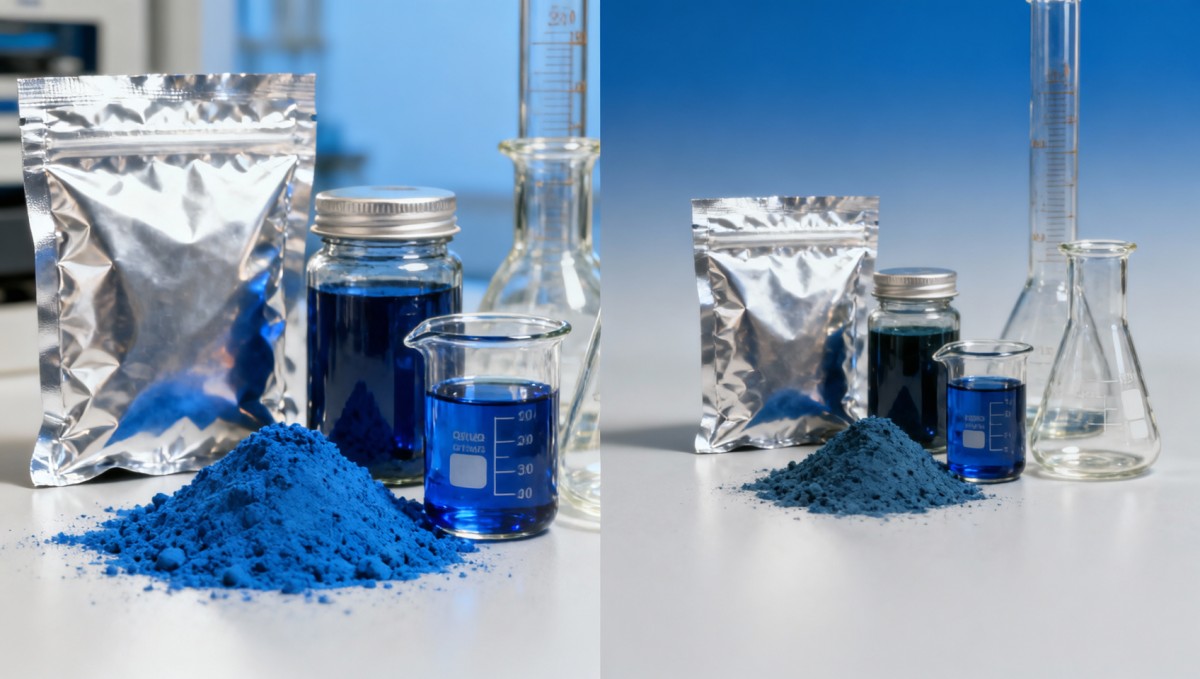
Phycocyanin is a protein-pigment complex extracted from spirulina. Its vivid blue appearance comes from a chromophore bound to a protein structure, which means the color depends on structural integrity. Unlike more stable mineral or synthetic pigments, phycocyanin can lose intensity when exposed to heat, light, oxygen, or pH stress. In industrial handling, these exposures often happen at more than one stage before the material even reaches final use.
A common misunderstanding in wholesale sourcing is assuming that a bright incoming powder or liquid concentrate will remain equally stable in every formulation. In reality, the same batch may perform well at pH 5.5 to 6.5 in a dry blend, yet fade much faster in an acidic RTD beverage at pH 3.2 to 4.0. Buyers who compare only visual appearance on arrival may overlook the actual shelf-life risk.
Temperature is another major factor. Short exposure to 45°C to 60°C during transport, warehouse fluctuations, or filling lines can accelerate denaturation. In some systems, repeated temperature cycling is more harmful than one stable cool condition. This is especially relevant for distributors and project managers dealing with cross-border shipments that may spend 2 to 6 weeks in mixed climate logistics channels.
Light exposure also matters more than many non-technical buyers expect. Transparent packaging, frequent sample opening, and warehouse lighting can gradually weaken blue intensity. The effect may appear minor over 3 to 5 days in a lab check, but become commercially significant over 30, 60, or 90 days. For financial approvers, that means apparent savings from lower-cost supply can be erased by inventory loss and rework.
Core degradation triggers in commercial handling
- Low or unstable raw material quality, including inconsistent spirulina biomass and variable pigment concentration.
- Excessive heat during extraction, concentration, drying, or downstream blending.
- pH mismatch in acidic applications, especially below pH 4.5 where fading risk increases sharply.
- Oxygen and light exposure caused by weak packaging barriers or frequent container opening.
- Metal ions, oxidants, or incompatible preservatives in the finished formulation.
The table below summarizes how the most common environmental and process variables affect wholesale spirulina blue phycocyanin during storage and use.
For most industrial buyers, the key takeaway is straightforward: fading is not merely a supplier issue, but a system issue. However, a supplier that cannot clearly define its stability window, recommended storage temperature, and compatible application range should be treated as a higher procurement risk.
How Manufacturing Quality Determines Color Retention
Not all wholesale spirulina blue phycocyanin is produced to the same technical standard. Two suppliers may offer similar color values on a specification sheet, yet their products behave differently after 30 to 180 days. That difference often starts upstream: algae cultivation conditions, biomass freshness, extraction control, filtration efficiency, concentration method, and drying discipline all influence the final pigment’s resilience.
Inconsistent spirulina feedstock can create unstable lots. If harvesting timing, contamination control, or biomass moisture management is weak, the extracted pigment may carry more impurities or weaker structural integrity. For quality managers, this can show up as lot-to-lot variation. For procurement teams, it creates hidden costs because a lower-priced batch may require higher dosage or tighter storage control to achieve the same visual result.
Drying is particularly important. Aggressive heat during drying can damage phycocyanin before the product leaves the factory. Spray-dried and freeze-dried materials may have different performance profiles depending on process design. There is no universal “best” format for every use case, but there is a clear need to verify how drying conditions affect purity, solubility, and shelf stability under real handling conditions.
Technical evaluators should also pay attention to specification discipline. A serious supplier should define at least 4 to 6 core control items, such as color potency, moisture level, pH range, microbiological status, solubility behavior, and recommended storage conditions. Broad claims without batch-specific COA support should be treated cautiously, especially when sourcing for regulated or export-facing product lines.
What to request from a supplier before approval
- A recent COA with batch data, not a generic marketing specification.
- Storage guidance with temperature range, humidity precautions, and light protection instructions.
- Recommended application matrix, including pH compatibility and processing limitations.
- Packaging description, such as oxygen barrier type, liner format, and pack size options.
- Accelerated or real-time stability observations where available.
Common procurement mistake
One frequent error is selecting a supplier only by pigment concentration and price per unit. That approach ignores process yield and downstream losses. If a cheaper lot loses 20% of visible strength within 45 days while a more stable lot loses only 5% to 8% over the same period, the total cost of use may favor the higher-quality source.
The comparison table below helps procurement, technical, and QC teams distinguish between basic and robust supplier qualification criteria.
For decision-makers balancing supply reliability and budget control, the most valuable suppliers are those that reduce uncertainty. Better documents, clearer process boundaries, and honest use-case limitations help prevent commercial disputes later.
Formulation and Packaging Mistakes That Accelerate Fading
Even high-quality spirulina blue phycocyanin can fail if the formulation environment is too aggressive. The most common mismatch occurs in acidic systems. Procurement teams may assume that if the pigment is labeled for food use, it will work equally well in beverages, gummies, powders, and syrups. In practice, matrix design matters. Low pH, oxidizing ingredients, mineral fortification, and thermal processing can all reduce stability.
Beverage applications deserve particular caution. If the target pH is 3.0 to 4.0 and the product also undergoes hot filling or pasteurization, color retention risk rises significantly. In such cases, technical teams should test not only initial color but also 2-week, 4-week, and 8-week retention under intended storage conditions. A pass at day 1 is not a meaningful approval standard for commercial launch.
Packaging is equally important. A bulk ingredient packed in multi-layer oxygen-barrier liners within sealed drums or foil pouches typically performs better than the same ingredient packed in lower-barrier bags. Once opened, the exposure pattern changes. If a 20 kg container is repeatedly opened in a humid or bright production room over several days, cumulative degradation can begin before the ingredient is fully used.
For operators and production supervisors, handling discipline matters at the plant level. Reconstitution water quality, mixing time, shear intensity, and contact with metal surfaces can influence appearance. While the effect varies by system, poor SOP control often creates the false impression that the raw material itself is defective when the real cause is process design.
High-risk application conditions
- Acidic beverage systems below pH 4.0.
- Thermal treatment above 60°C for extended hold times.
- Transparent retail packaging exposed to shelf lighting for 8 to 12 hours daily.
- Open-container factory use over 3 to 7 days without resealing controls.
- Formulations containing reactive minerals or oxidizing adjuncts.
Practical mitigation steps
Teams can often improve retention by adjusting one or two variables rather than changing suppliers immediately. Examples include shifting to a less acidic target zone, reducing heat load, using smaller pack sizes such as 1 kg to 5 kg inner packs inside a master carton or drum, and tightening resealing procedures after first opening.
For private-label or contract-manufactured products, procurement should verify whether the co-packer’s process conditions match the ingredient’s stability range. A pigment approved in pilot scale may fail in full production if the line involves extra holding time, slower cooling, or higher headspace oxygen than originally tested.
What Buyers, QC Teams, and Technical Evaluators Should Verify Before Sourcing
A disciplined sourcing checklist reduces the risk of buying visually impressive material that performs poorly in the field. For wholesale spirulina blue phycocyanin, evaluation should combine commercial review, technical review, and use-case review. This is especially important for distributors, brand owners, and industrial users comparing multiple botanical extracts and natural color solutions across a broader ingredient portfolio.
First, define the intended application in operational terms. That means specifying at least 5 items: product format, pH range, process temperature, pack size, and expected shelf life. Without those details, no supplier recommendation is truly actionable. A pigment suitable for a dry premix with 12-month stability may not suit a refrigerated liquid with a 6-month shelf target.
Second, evaluate incoming quality beyond appearance. QC teams should check color consistency, moisture or solids specification, dissolution behavior, odor neutrality where relevant, packaging condition, and storage instructions. If possible, run a small compatibility trial under intended process conditions. Even a 3-batch screening can reveal whether lot variation is manageable or likely to create commercial disruption.
Third, assess supply-chain practicality. Lead times for specialized natural ingredients may range from 2 to 8 weeks depending on format, origin, and seasonality. If your operation requires monthly replenishment or short-notice reformulation support, supplier responsiveness becomes as important as the ingredient itself. Commercially, stable availability and documentation quality often outweigh minor unit-price differences.
Pre-purchase verification checklist
The strongest sourcing process combines technical realism with commercial discipline. A supplier that clearly states limitations is often a safer long-term partner than one promising broad compatibility without evidence.
Four questions procurement should ask
- What color loss is typically observed under the intended storage condition over 30, 60, and 90 days?
- What pack format best matches our monthly consumption rate to reduce repeated exposure?
- Which process steps in our plant are most likely to stress the pigment?
- What corrective options exist if our formulation sits near the pigment’s stability limit?
FAQ and Commercial Guidance for More Stable Purchasing Decisions
Because spirulina blue phycocyanin sits at the intersection of natural color demand, formulation complexity, and shelf-life economics, buyers often need a decision framework rather than a simple product quote. The following questions reflect common concerns from research teams, distributors, operators, and executive decision-makers evaluating commercial risk.
How long should wholesale spirulina blue phycocyanin retain color in storage?
There is no single universal answer because stability depends on format, packaging, and storage conditions. Under controlled, unopened storage with low light and appropriate temperature, some products may remain commercially usable for 12 to 24 months. After opening, the effective stability window can shorten significantly, especially if containers are exposed repeatedly over 1 to 4 weeks.
Is powder always more stable than liquid?
Not always, but dry formats often provide easier logistics and lower microbial risk. Stability still depends on drying quality, moisture control, barrier packaging, and use pattern. A well-protected powder can outperform a poorly stabilized liquid, but a liquid concentrate designed for a narrow process window may still be the right choice where fast incorporation and dosing accuracy matter.
What is the biggest sourcing mistake in natural blue pigments?
The biggest mistake is buying only on nominal pigment strength or low unit price. In practical B2B operations, total cost depends on dosage efficiency, batch consistency, handling losses, shelf-life retention, and failure risk in the target matrix. A product that costs 10% more but reduces rejects, reformulation work, and customer returns can easily be the better financial choice.
When should a buyer reject a supplier offer?
A cautious buyer should escalate or reject the offer if the supplier cannot provide batch-linked documentation, application guidance, or realistic storage recommendations; if the sample color differs noticeably from the COA expectation; or if trial data show unacceptable fading within the required shelf-life target. Technical ambiguity is a real commercial warning sign in natural ingredient sourcing.
For industrial procurement, the lesson is clear: wholesale spirulina blue phycocyanin fades too fast when its biological sensitivity is underestimated. Color loss is driven by interacting variables such as pH, heat, oxygen, light, process design, and manufacturing discipline. The right response is not simply to seek a cheaper lot or a stronger initial color, but to verify true stability across your intended application and logistics conditions.
If your team is comparing natural color ingredients, botanical extracts, or specialized bio-extract suppliers, a structured technical review will protect both product performance and procurement efficiency. To evaluate sourcing options with greater confidence, contact us to discuss application fit, documentation expectations, and broader ingredient selection strategies for stable commercial use.
Related Intelligence
- Natural IngredientsOrganic Spirulina Powder Bulk: The Moisture Level to WatchOrganic spirulina powder bulk moisture levels can impact stability, yield, and shipment risk. Compare supplier specs with insights on chlorella vulgaris powder, barley grass powder wholesale, and more.
- Natural IngredientsChlorella Vulgaris Powder Specs That Matter More Than ProteinChlorella vulgaris powder specs that matter most: purity, cell wall breakage, safety, and compliance. Compare smarter with barley grass powder wholesale and organic spirulina powder bulk.
- Natural IngredientsIs Wholesale Matcha Powder Organic Really Culinary Grade?Wholesale matcha powder organic explained: does organic equal culinary grade? Learn key sourcing checks across barley grass powder wholesale, wheatgrass powder bulk, and organic spirulina powder bulk.
The Morning Broadsheet
Daily chemical briefings, market shifts, and peer-reviewed summaries delivered to your terminal.
