
Chlorella Vulgaris Powder Specs That Matter More Than Protein
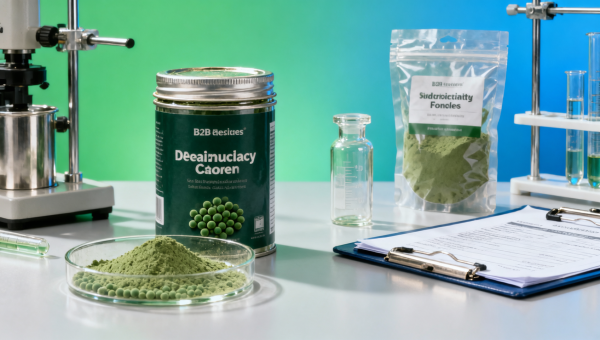
In algae ingredients, chlorella vulgaris powder specs often influence purchasing outcomes more than headline protein claims. For buyers comparing barley grass powder wholesale, wheatgrass powder bulk, wholesale matcha powder organic, and organic spirulina powder bulk, critical indicators such as purity, cell wall breakage, contaminant control, and regulatory fit determine real application value, safety, and supply consistency across food, nutraceutical, and industrial procurement.
That distinction matters most in B2B purchasing. A powder that advertises 55% to 65% protein may still underperform if heavy metals exceed internal thresholds, if particle size is inconsistent, or if microbial control does not align with the destination market. For technical evaluators, QA teams, procurement managers, and financial approvers, the practical question is not only what chlorella vulgaris powder contains, but whether its specification sheet supports stable manufacturing, compliant labeling, and repeatable commercial outcomes.
In large-volume sourcing, a few specification points often decide approval faster than broad marketing claims. Moisture control affects storage stability, cell wall breakage affects bioavailability, ash and insoluble matter affect formulation behavior, and documentation affects customs clearance and audit readiness. This article examines the chlorella vulgaris powder specs that matter more than protein, with a focus on industrial selection, quality risk, and procurement-fit evaluation.
Why Protein Alone Is an Incomplete Buying Metric
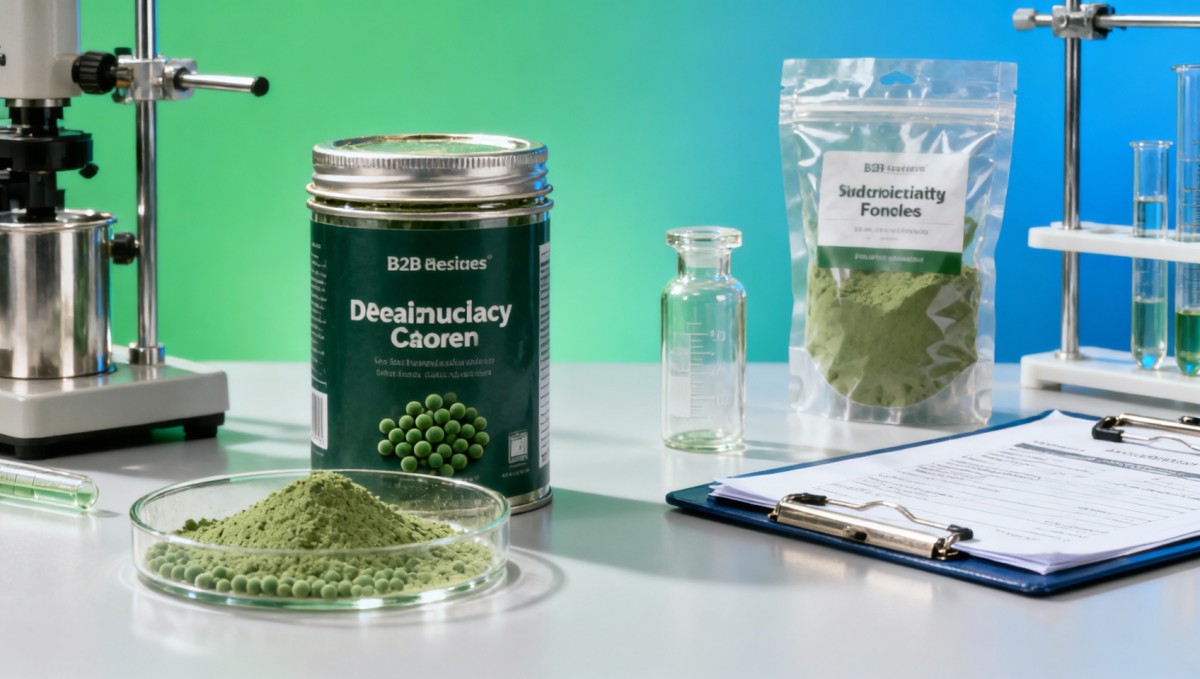
Protein is often the first figure shown on brochures because it is easy to compare. Yet in commercial use, protein percentage is only one variable among at least 8 to 10 specification categories that influence acceptance. A powder listed at 60% protein may still create formulation loss, rework, or audit concerns if it has poor sensory consistency, weak traceability, or unstable contaminant results across batches.
For food and nutraceutical buyers, the intended application changes the meaning of “good spec.” A tablet manufacturer may prioritize cell wall breakage above 90%, while a beverage blender may pay closer attention to dispersibility, mesh size, and chlorophyll uniformity. Industrial ingredient teams usually assess 4 core dimensions first: compositional quality, safety profile, process compatibility, and regulatory documentation.
This is also where chlorella vulgaris powder differs from adjacent green powders such as barley grass powder wholesale or wheatgrass powder bulk. Those products may be evaluated more on color, flavor, and basic microbiological control. Chlorella, by contrast, is often purchased for concentrated nutrition, functional positioning, or extractive value, which means tighter scrutiny on cellular processing and purity claims.
Buyers handling organic spirulina powder bulk or wholesale matcha powder organic already understand that category similarity does not equal specification equivalence. Spirulina is generally prized for pigment and protein, matcha for polyphenols and ceremonial or culinary grading, while chlorella vulgaris powder is frequently judged by digestibility, nucleic acid management, contaminant profile, and batch-to-batch manufacturing discipline.
The specification areas that typically outrank protein
- Cell wall breakage level, often expected in a range above 80% and in some applications above 90%.
- Moisture, commonly controlled below 7% to improve storage life and reduce caking risk.
- Heavy metals, with internal buyer limits often stricter than broad market norms.
- Microbiology, especially total plate count, yeast and mold, coliforms, and pathogen absence.
- Residue and contaminant control, including pesticides, solvent status, and foreign matter.
- Documentation readiness, such as COA, specification sheet, allergen statement, and origin traceability.
A useful way to frame evaluation is to ask whether protein is commercially actionable. If a higher protein number comes with poor flowability or unstable microbiology, the apparent advantage may disappear once the material enters production. In many cases, procurement teams approve a slightly lower-protein lot because its overall specification package reduces operational risk over a 6- to 12-month contract period.
Core Chlorella Vulgaris Powder Specs That Drive Real Performance
The most decision-relevant chlorella vulgaris powder specs usually sit below the headline nutrition panel. They determine whether the ingredient can be processed efficiently, tolerated in target formulations, and accepted by quality teams in export markets. When reviewing a supplier dossier, technical and commercial teams should align on which values are mandatory, preferred, and negotiable before RFQ comparison begins.
Cell wall breakage is a leading example. Chlorella has a naturally robust cell wall, and if it remains largely intact, nutrient utilization may decline in human nutrition applications. Many buyers request broken-cell material and look for a declared breakage rate, often 80% to 95% depending on use case. Without that figure, “protein-rich” claims can be misleading because digestibility and downstream efficacy may not match expectation.
Purity and ash content also deserve attention. High ash can indicate mineral carryover, processing variation, or lower refinement. While acceptable ranges depend on cultivation and drying method, technical teams should examine whether ash aligns with the intended formulation profile. A powder entering tablets, gummies, capsules, premixes, or pet nutrition systems may tolerate different limits, but unexplained fluctuation is always a warning sign.
Moisture and particle size are equally practical. Moisture above 7% to 8% can shorten storage life and increase clumping risk in humid supply chains. A finer mesh, such as 200 to 400 mesh, may improve blending in drink powders, while coarser material may be acceptable in tablets or compressed formats. These are not secondary issues; they affect yield, line efficiency, dusting behavior, and customer complaint risk.
Typical specification checkpoints before supplier approval
The table below shows common specification areas that buyers review during initial qualification. Actual limits vary by market, product category, and internal SOP, but these checkpoints provide a practical framework for cross-functional review.
The key takeaway is that a usable specification sheet translates marketing language into operational predictability. Procurement teams should not treat these values independently. A strong purchase decision balances 5 linked factors: nutrient profile, processing suitability, safety controls, document completeness, and consistency over multiple lots rather than a single sample.
What QA and production teams usually ask next
- Is the specification based on routine production lots or only on a best-case pilot sample?
- Does the supplier test every batch, every 3 batches, or by periodic composite sampling?
- Can the powder maintain spec after 12 to 24 months under stated storage conditions?
- Are sensory and color variations documented so formulation teams can manage release criteria?
Contaminant Control, Compliance, and Documentation Readiness
For many institutional buyers, contaminant control is the true pass-fail threshold. Chlorella vulgaris powder is cultivated in environments where water quality, drying conditions, and handling discipline directly affect contaminant risk. A supplier can present an attractive protein number, but if lead, cadmium, arsenic, or mercury results are incomplete or unstable, the material may never pass quality review.
The same applies to microbiology. Total plate count, yeast and mold, coliforms, Salmonella absence, and in some markets E. coli control can decide whether a lot is releasable. Buyers in food, nutraceutical, and feed-related channels often request batch COAs with lot-specific values. A generic certificate or an outdated report from 6 months earlier is rarely enough for serious procurement decisions.
Documentation is often underestimated until a shipment is delayed. Import teams may need a specification sheet, COA, SDS, allergen statement, non-GMO statement where relevant, organic documentation where claimed, country of origin details, packaging declaration, and shelf-life statement. If even 1 or 2 documents are missing, approval cycles can extend from 7 days to 3 or 4 weeks, especially in multi-country distribution systems.
This is one area where comparisons with organic spirulina powder bulk and wholesale matcha powder organic are useful. Buyers already know that green powders are exposed to scrutiny on residues and authenticity. Chlorella deserves the same or greater rigor because its application claims often imply concentrated nutritional function, making documentation quality a decisive commercial asset.
Risk-control checklist for supplier documentation
The following table summarizes the most common documentation and compliance checks used by procurement, QA, and regulatory teams before onboarding or annual review.
The practical conclusion is simple: contaminant control and documentation readiness often protect more value than a 2% to 3% difference in protein. For finance and commercial teams, one rejected container can erase the perceived savings of a lower unit price. That is why experienced buyers use a total-cost lens rather than a nutrition-panel-only lens.
Minimum review questions before purchase order release
- Has the supplier provided recent lot-level data rather than marketing literature?
- Are internal contaminant limits stricter than supplier defaults by 10% to 30%?
- Does the document set match the destination country and product claim strategy?
- Is there a corrective action path if one specification item fails after arrival?
How Different Buyers Should Evaluate Chlorella Vulgaris Powder
Not every buyer should use the same scorecard. An R&D formulator, a contract manufacturer, a distributor, and a procurement director may all purchase the same chlorella vulgaris powder, but their acceptance priorities differ. Good sourcing practice starts by ranking specification needs according to application, market channel, packaging format, and business risk tolerance.
For users and operators, handling behavior matters immediately. Powders with inconsistent mesh or higher moisture may bridge in hoppers, dust excessively, or blend poorly with fibers and sweeteners. For technical evaluators, the focus may be on nutritional consistency, sensory profile, and compatibility with adjacent ingredients such as barley grass powder wholesale or wheatgrass powder bulk in mixed green blends.
For procurement and business assessment teams, the bigger questions are supply continuity, MOQ, lead time, and price stability over 3- to 6-month windows. For decision-makers and financial approvers, avoidable risk is often more important than the lowest landed cost. A supplier that ships on time within a 2- to 4-week lead time and maintains documented batch conformity may be more valuable than a cheaper source with frequent variance.
Distributors and agents should also consider claim portability. If a powder is intended for resale into multiple regions, documentation flexibility and broad compliance fit matter more than aggressive headline numbers. One specification sheet may need to satisfy importers, private-label clients, and final QA departments across several channels.
Recommended evaluation focus by buyer type
A structured review matrix can reduce internal debate and speed up supplier comparison. The table below outlines a practical way to assign emphasis by role.
Using this role-based approach, teams can build a weighted scorecard with 5 to 7 criteria instead of relying on price and protein alone. That tends to shorten internal review cycles, reduce sample retesting, and improve alignment between technical gatekeepers and commercial stakeholders.
A practical 5-step sourcing workflow
- Define application and market requirements, including mandatory limits and target format.
- Request specification sheet, COA set, and sample from at least 2 to 3 suppliers.
- Run technical screening on breakage, mesh, moisture, and safety profile.
- Compare commercial terms such as MOQ, lead time, packaging, and contract stability.
- Approve using a weighted scorecard and establish periodic review every 6 or 12 months.
Common Missteps, Market Comparisons, and Final Buying Guidance
One of the most common mistakes is treating green powders as interchangeable commodities. Buyers may compare chlorella vulgaris powder directly with barley grass powder wholesale, wheatgrass powder bulk, organic spirulina powder bulk, or wholesale matcha powder organic using only price per kilogram and a few nutrition lines. That shortcut can create costly mismatch because each ingredient has different processing sensitivities, claim expectations, and compliance burdens.
Another frequent error is overvaluing a single specification. High protein, very dark color, or fine mesh may look attractive, but if the broader quality package is weak, the ingredient may generate hidden costs. These include additional sieving, poor flavor masking, slower line throughput, lot segregation, retesting, and delayed customer release. In many B2B settings, the cost of one failed batch can exceed the savings from several low-price purchases.
A more disciplined buying approach evaluates both immediate fit and long-cycle reliability. Teams should ask whether the supplier can maintain the same profile across 3 consecutive lots, whether packaging protects the powder for 18 to 24 months, and whether commercial response times support urgent replenishment. Strong suppliers are not always the cheapest, but they tend to reduce nonconformance cost and planning uncertainty.
For distributors, OEM formulators, and institutional buyers, the best outcome usually comes from combining technical review with supply chain review. That means testing the sample, checking documentation, clarifying packing sizes such as 20 kg or 25 kg fiber drums or bags, and confirming the lead time under normal and peak-season conditions. These details decide whether a “good ingredient” becomes a “good supply program.”
Common buying mistakes to avoid
- Approving on protein alone without checking cell wall breakage and digestibility relevance.
- Using supplier default heavy metal limits when internal or export-market limits are stricter.
- Skipping stability and moisture review for humid storage or long transit routes above 30 days.
- Assuming one document pack fits all countries, customers, and product claims.
- Comparing chlorella only by category with spirulina, wheatgrass, or matcha without application-specific criteria.
FAQ: questions buyers often ask before final approval
How much cell wall breakage is usually acceptable?
For many nutraceutical and functional food applications, buyers commonly look for broken-cell chlorella in the 80% to 95% range. Exact acceptance depends on the formulation and the supplier’s test method, so the figure should always be reviewed together with application trials and documentation clarity.
Is a lower-protein material ever the better commercial option?
Yes. A lot with 52% to 58% protein can be the better choice if it offers tighter heavy metal control, lower moisture, stronger batch consistency, and cleaner documents. In many production systems, lower risk outperforms higher headline nutrition.
What lead time should buyers plan for?
For standard commercial programs, a 2- to 4-week lead time is common after specification approval, but this varies by harvest cycle, processing schedule, packaging format, and export route. Buyers with regular demand often reduce risk by planning 6 to 8 weeks ahead and validating backup supply options.
Which documents should never be skipped?
At minimum, buyers usually require a current specification sheet, batch COA, SDS, shelf-life statement, origin information, and relevant declarations such as allergen, GMO, or organic status where applicable. If the product is intended for multiple markets, document review should happen before price negotiation is finalized.
Chlorella vulgaris powder specs that matter more than protein are the ones that protect application success, compliance confidence, and supply continuity. Purity, cell wall breakage, contaminant limits, moisture, mesh, and documentation quality often decide commercial viability long before protein percentage becomes the winning factor. For ACC readers evaluating suppliers, formulating products, or planning long-term sourcing, a specification-first approach delivers better technical outcomes and lower procurement risk.
If you are comparing chlorella vulgaris powder with other algae or green ingredient options, now is the time to review the full specification logic behind each offer. Contact us to discuss product details, procurement criteria, or a more tailored evaluation framework for your application, market, and quality requirements.
Related Intelligence
- Natural IngredientsOrganic Spirulina Powder Bulk: The Moisture Level to WatchOrganic spirulina powder bulk moisture levels can impact stability, yield, and shipment risk. Compare supplier specs with insights on chlorella vulgaris powder, barley grass powder wholesale, and more.
- Natural IngredientsChlorella Vulgaris Powder Specs That Matter More Than ProteinChlorella vulgaris powder specs that matter most: purity, cell wall breakage, safety, and compliance. Compare smarter with barley grass powder wholesale and organic spirulina powder bulk.
- Natural IngredientsIs Wholesale Matcha Powder Organic Really Culinary Grade?Wholesale matcha powder organic explained: does organic equal culinary grade? Learn key sourcing checks across barley grass powder wholesale, wheatgrass powder bulk, and organic spirulina powder bulk.
The Morning Broadsheet
Daily chemical briefings, market shifts, and peer-reviewed summaries delivered to your terminal.
