
Organic Spirulina Powder Bulk: The Moisture Level to Watch
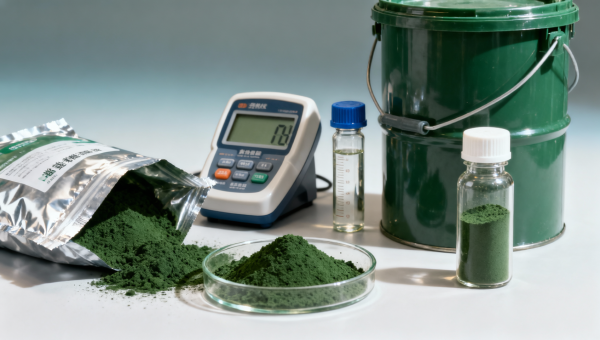
For buyers evaluating organic spirulina powder bulk, moisture level is more than a specification—it directly affects stability, color retention, microbial risk, and shipment value. In a market also linked to barley grass powder wholesale, wheatgrass powder bulk, chlorella vulgaris powder, and wholesale matcha powder organic, understanding moisture benchmarks helps procurement, QA, and technical teams make safer, more cost-effective sourcing decisions.
In bulk ingredient procurement, moisture is often treated as a routine line item on a certificate of analysis. In practice, it is a commercial and technical control point. A difference of just 1% to 3% can influence shelf stability, packaging performance, net dry solids received, and the probability of caking during storage or transit.
For institutional buyers, distributors, contract manufacturers, and quality teams, the right moisture benchmark is not simply “the lower the better.” It must match the product form, drying process, packaging barrier, destination climate, and intended application. That is especially true when comparing organic spirulina powder bulk with adjacent botanical and algae powders used in nutraceutical, food, feed, and functional beverage supply chains.
Why Moisture Level Matters in Organic Spirulina Powder Bulk
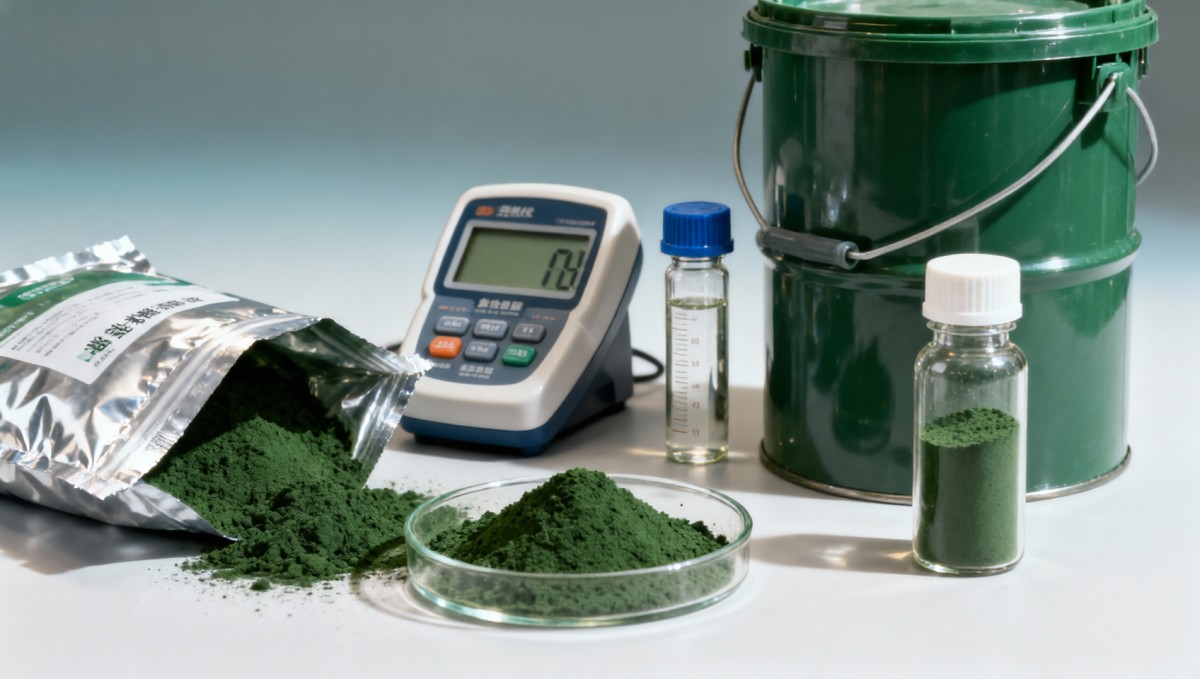
Organic spirulina powder bulk is highly sensitive to water activity, oxygen exposure, and light. Although moisture content and water activity are not identical, the two are closely related in commercial handling. When moisture rises beyond a practical control range, processors may see darker color, weaker odor profile, increased clumping, and higher microbial management pressure within as little as 30 to 90 days under poor storage conditions.
From a procurement standpoint, moisture also changes value received. If a buyer contracts 10 metric tons of powder at 8% moisture instead of 5%, the shipment includes more water and fewer usable solids. On high-volume tenders, that 3% gap can materially affect formulation yield, warehouse turnover, and cost-per-active kilogram.
Technical evaluators should also note that spirulina behaves differently from leaf powders such as barley grass powder wholesale or wheatgrass powder bulk. Spirulina’s pigment system, protein content, and particle structure can respond sharply to drying and reabsorption. That means moisture control should be interpreted together with drying method, package integrity, and transit exposure, not as an isolated number.
For QA and safety teams, moisture is an early warning parameter. Elevated levels can increase the likelihood of caking, reduced flowability, and microbial deviation if temperature fluctuates between 20°C and 35°C during storage. In humid ports or long ocean shipments lasting 3 to 6 weeks, these risks become more pronounced.
Key operational effects of excess moisture
- Lower free-flow performance in filling, blending, and sachet packing lines.
- Greater probability of clumping after repeated opening in production rooms above 60% relative humidity.
- Higher risk of color drift and sensory inconsistency during 6- to 24-month shelf-life windows.
- Reduced dry matter yield for downstream users formulating tablets, capsules, drink mixes, or feed premixes.
Typical interpretation ranges
In commercial practice, many buyers look for organic spirulina powder bulk within an approximate 4% to 7% moisture range, while some suppliers may quote up to 8% depending on process capability and packaging system. Below roughly 4%, excessive dryness may improve stability but can also increase dusting and reduce handling comfort in some production settings. Above 7% or 8%, risk management usually requires stronger packaging, faster turnover, and tighter inbound inspection.
Practical Moisture Benchmarks and How Buyers Should Read Them
A procurement team should read moisture values in context. A supplier declaration of 6% is only meaningful if paired with a test method, sampling rule, production date, and packaging description. Loss on drying, oven method, and moisture analyzer readings can differ, so buyers should confirm whether the value reflects a batch average, release result, or retained sample result.
The table below summarizes practical buying ranges for algae and green superfood powders often compared in the same category. These are common commercial reference points rather than universal standards, and final acceptance should align with product specifications, destination regulations, and intended use.
The key conclusion is that organic spirulina powder bulk usually requires a tighter moisture conversation than buyers expect. It sits in a category where a low single-digit percentage difference can shape both technical acceptance and commercial yield. Buyers comparing supplier offers should therefore normalize quotes by dry basis, not only by gross delivered weight.
Another important point is that moisture should be assessed alongside water activity, especially for long-haul export. A batch at 6% moisture in a high-barrier foil bag with proper sealing may perform better than a 5% batch in weaker packaging exposed to condensation. This is why purchasing, QA, and logistics teams should evaluate the full storage system, not the number alone.
Four questions to ask suppliers
- What moisture test method is used, and at what release frequency per batch?
- Is the result measured before packing, after packing, or at final release?
- What is the packaging format: inner liner, foil bag, drum, fiber can, or carton?
- What storage condition is recommended: below 25°C, below 60% RH, or refrigerated distribution?
A note for finance and commercial teams
When comparing two quotations, calculate effective dry solids. For example, 1,000 kg at 5% moisture contains about 950 kg dry matter, while 1,000 kg at 8% contains about 920 kg. That 30 kg difference per metric ton can become significant across annual contracts of 20 to 100 tons.
How Moisture Affects Storage, Packaging, and Shipment Risk
In cross-border trade, moisture control is not finished at the factory gate. Organic spirulina powder bulk can reabsorb moisture during warehousing, palletization, customs delay, and ocean transport. A shipment moving for 25 to 45 days through tropical or coastal routes faces much greater exposure than domestic delivery completed within 3 to 7 days.
This is where packaging configuration matters. Multi-layer bags with strong vapor barriers, sealed liners, and intact secondary packaging usually outperform lighter systems in humid supply chains. Even if initial moisture is acceptable, poor sealing or repeated handling can increase caking and diminish free-flow properties before the goods reach production.
Project managers and warehouse operators should therefore assess moisture as part of a 3-point control model: initial batch moisture, package barrier performance, and storage climate. If any of these three variables is weak, the risk profile rises. This is particularly relevant for mixed portfolios that include chlorella vulgaris powder, wheatgrass powder bulk, and wholesale matcha powder organic, since each material responds differently to humidity and oxygen.
Packaging and shipment control matrix
The following matrix helps buyers and distributors align moisture targets with storage and logistics conditions.
The main takeaway is that acceptable moisture is conditional. A lot that works well for fast domestic use may be less suitable for long export transit or distributor repacking. Procurement teams should therefore connect technical specifications with real logistics pathways before approving annual supply.
Inbound inspection should also include visible caking, odor change, liner damage, and lot temperature if the shipment arrives warm. If spirulina powder shows compacted massing or uneven texture on receipt, moisture migration may already have occurred even when paperwork remains within specification.
Basic warehouse controls for operators
- Store at a stable temperature, commonly below 25°C where feasible.
- Keep relative humidity preferably below 50% to 60% in handling zones.
- Use first-expiry-first-out rotation, especially for partially opened packs.
- Minimize repeated opening cycles; if opened, reseal promptly with barrier protection.
Procurement and QA Checklist for Bulk Purchase Decisions
For B2B buyers, the most effective purchasing model is to evaluate organic spirulina powder bulk through a combined technical-commercial checklist. Moisture should be one line in a broader approval framework that includes microbiology, heavy metals, sensory profile, mesh size, packaging, origin, and documentation consistency.
A practical mistake is approving a supplier based on sample performance alone. Samples of 100 g to 1 kg often travel quickly and are better protected than production shipments of 20 kg or 25 kg bags. Bulk behavior can differ because of pallet compression, transit vibration, and humidity exposure over 2 to 6 weeks.
For this reason, QA teams should define acceptance in layers: release specification, arrival inspection, and in-storage monitoring. This layered approach is useful not only for organic spirulina powder bulk but also for barley grass powder wholesale and related green powders that may share warehouse conditions and customer applications.
Recommended buyer checklist
- Confirm target moisture range, test method, and certificate format before purchase order issuance.
- Request packaging details, net weight per unit, and liner specifications for 20 kg to 25 kg industrial packs.
- Align shelf-life expectations with storage conditions and turnover speed, such as 12, 18, or 24 months.
- Define inbound rejection triggers, including severe caking, damaged liner, or out-of-range moisture result.
- Assess dry matter economics when comparing quotations from multiple suppliers.
Common misconceptions to avoid
First, lower moisture does not automatically mean better quality if the product becomes excessively dusty or harder to process. Second, the same moisture number is not equally safe across all packaging formats. Third, sample results should not be extrapolated directly to container-scale shipment performance without logistics review.
Commercial teams should also avoid awarding supply purely on unit price per kilogram. A slightly higher-priced lot with stronger moisture control, better barrier packaging, and lower caking risk can reduce total operating cost by improving yield and minimizing batch rejection. For annual contracts, these hidden savings often matter more than a small headline price difference.
FAQ: Moisture Questions Buyers Ask Before Approving Supply
Because organic spirulina powder bulk is used across food, nutraceutical, and ingredient distribution channels, pre-purchase questions often repeat across technical and commercial teams. The answers below can help accelerate supplier screening and internal approval.
How low should moisture be for bulk spirulina powder?
In many commercial cases, around 4% to 7% is a practical range. The exact target should reflect the drying process, packaging barrier, shipment duration, and storage climate. Extremely low moisture may improve storage stability but can increase dusting or handling issues in some plants.
Does higher moisture always mean unsafe product?
Not automatically. Safety depends on the wider context, including water activity, microbial controls, sealing quality, and storage conditions. However, once moisture moves beyond the buyer’s validated acceptance range, the probability of caking, instability, or microbial concern generally rises, especially during long-distance export.
What should be checked at goods receipt?
Inspect at least 4 areas: packaging integrity, visible flowability or caking, batch document consistency, and confirmatory moisture testing according to your internal sampling plan. If the cargo has faced delayed customs clearance or summer transit, add a temperature and condensation review before release to stock.
How is this relevant when sourcing adjacent powders?
Very relevant. Buyers often source organic spirulina powder bulk together with barley grass powder wholesale, wheatgrass powder bulk, chlorella vulgaris powder, and wholesale matcha powder organic. Although each ingredient has different chemistry, all are humidity-sensitive to some degree. A unified moisture and packaging review process can reduce procurement errors across the full green powder portfolio.
Moisture level is one of the clearest indicators of whether organic spirulina powder bulk is likely to remain stable from factory release to final use. It affects dry solids value, caking risk, shelf performance, and the reliability of downstream manufacturing. Buyers who evaluate moisture together with packaging, transport route, and QA controls make better sourcing decisions and reduce hidden costs across the supply chain.
For procurement teams, technical reviewers, distributors, and decision-makers managing algae and green powder categories, a specification sheet should be the starting point, not the end point. If you need support comparing supplier offers, defining moisture acceptance criteria, or assessing bulk ingredient handling risks, contact us to discuss your sourcing needs and explore a more reliable evaluation framework.
Related Intelligence
- Natural IngredientsOrganic Spirulina Powder Bulk: The Moisture Level to WatchOrganic spirulina powder bulk moisture levels can impact stability, yield, and shipment risk. Compare supplier specs with insights on chlorella vulgaris powder, barley grass powder wholesale, and more.
- Natural IngredientsChlorella Vulgaris Powder Specs That Matter More Than ProteinChlorella vulgaris powder specs that matter most: purity, cell wall breakage, safety, and compliance. Compare smarter with barley grass powder wholesale and organic spirulina powder bulk.
- Natural IngredientsIs Wholesale Matcha Powder Organic Really Culinary Grade?Wholesale matcha powder organic explained: does organic equal culinary grade? Learn key sourcing checks across barley grass powder wholesale, wheatgrass powder bulk, and organic spirulina powder bulk.
The Morning Broadsheet
Daily chemical briefings, market shifts, and peer-reviewed summaries delivered to your terminal.
