
Lycopene Extract Bulk: Oil-Soluble or Water-Dispersible?
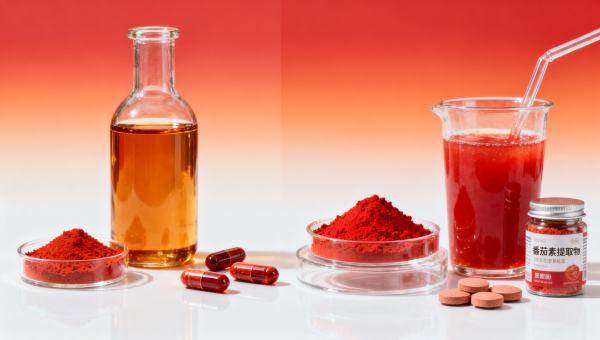
For buyers and technical teams comparing lycopene extract bulk options, the choice between oil-soluble and water-dispersible formats affects formulation stability, bioavailability, processing compatibility, and cost. This article examines key selection criteria while connecting market demand across adjacent ingredients such as lutein powder wholesale, turmeric extract curcumin, and beetroot powder bulk for informed sourcing and product development decisions.
In B2B procurement, the format decision is rarely a simple preference. It influences the full chain: raw material specification, pilot testing, packaging line compatibility, shelf-life validation, and final label claims. For importers, formulators, and quality teams, the real question is not which format is universally better, but which format performs better in a defined application, dosage system, and commercial cost model.
Bulk lycopene extract is widely evaluated for nutraceuticals, functional foods, beverages, softgels, tablets, premixes, and cosmetic formulations. Because lycopene is highly lipophilic by nature, its delivery system matters. When buyers compare oil-soluble and water-dispersible material, they should assess at least 6 dimensions: concentration, carrier system, dispersion behavior, heat and light stability, processing loss, and documentation readiness.
Understanding the Two Main Lycopene Extract Bulk Formats
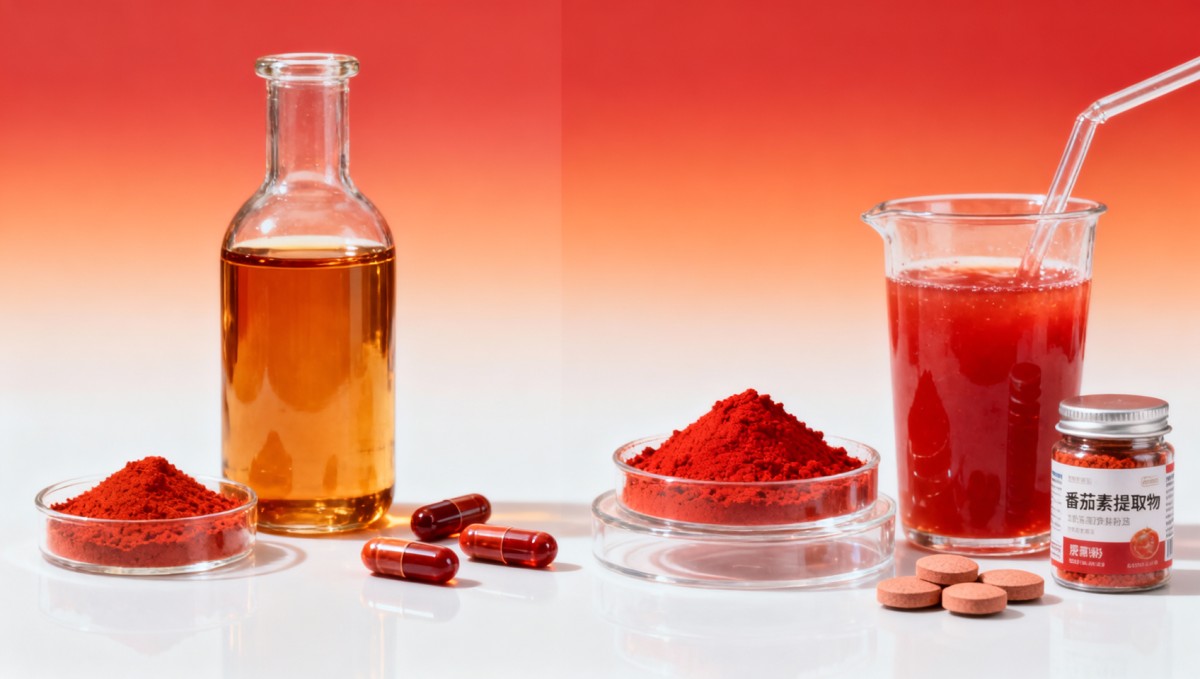
Lycopene extract bulk is generally supplied in two commercially practical forms: oil-soluble and water-dispersible. Oil-soluble lycopene is commonly delivered in oleoresin or oil suspension formats, often standardized for use in softgel fills, oil-based blends, and lipid systems. Water-dispersible lycopene is typically produced through emulsification, encapsulation, or beadlet-type processing to improve dispersion in aqueous applications.
From a chemical handling perspective, lycopene remains sensitive to oxygen, heat, and light in both formats. However, the matrix changes how that sensitivity appears during manufacturing. Oil-soluble material may show better affinity in fat-containing systems, while water-dispersible grades may deliver better visual uniformity in drinks, sachets, and instant powders. The operating environment, often between 15°C and 25°C during storage and pre-blending, can affect stability differently for each type.
Buyers should also distinguish between “water-soluble” as a marketing shortcut and true water dispersibility. In most industrial cases, lycopene is not truly dissolved in water at the molecular level. Instead, it is dispersed through a carrier or encapsulation system. This distinction matters because dispersion quality can influence sedimentation, color consistency, and assay retention over a 6-month to 24-month shelf-life window.
For procurement teams comparing multiple offers, the specification sheet should state not only lycopene content, such as 5%, 6%, 10%, or higher standardized levels, but also the carrier, intended application, recommended storage, and test method. Without those details, two products with the same nominal percentage may perform very differently in actual plant conditions.
Core Technical Differences Buyers Need to Check
The most common source of confusion in lycopene extract bulk sourcing is assuming that potency alone determines suitability. In practice, formulation behavior can outweigh nominal content. A 10% water-dispersible lycopene may outperform a higher-content oil-soluble grade in beverage premix systems if the process requires rapid wetting and minimal surface oiling.
- Oil-soluble grades are commonly preferred for softgels, oil capsules, lipid premixes, and fat-containing nutraceutical systems.
- Water-dispersible grades are typically better suited for tablets, sachets, drink powders, RTD beverages, and some gummy or chewable systems.
- Standard evaluation should include particle behavior, carrier compatibility, assay tolerance, and color retention after 30, 60, and 90 days of accelerated observation.
The table below compares the two mainstream formats on practical sourcing criteria rather than marketing language.
The key conclusion is that format choice should follow application logic. If the final system contains a meaningful oil phase, oil-soluble lycopene often reduces formulation friction. If the product must disperse in water or a dry instant matrix, water-dispersible material can improve process efficiency and end-user consistency.
How Application, Stability, and Bioavailability Affect the Decision
Application fit is the first filter. Softgels, oil capsules, and certain nutritional emulsions usually favor oil-soluble lycopene extract bulk because the active integrates naturally into the lipid phase. This can simplify homogenization, reduce visible separation risk, and improve fill consistency on high-speed lines operating at 5,000 to 30,000 capsules per hour.
Water-dispersible formats become more attractive when the target product is a powder stick, tablet, sachet, or beverage concentrate. In these systems, dispersion quality matters as much as assay. A technically acceptable supplier should provide information on dispersibility time, sedimentation tendency, and carrier composition, especially if the blend includes vitamin C, plant extracts, or minerals that can affect stability across 3 to 12 months.
Bioavailability is often discussed, but buyers should approach the topic carefully. Absorption depends on the full formulation, not just the raw material format. Oil-based systems may support uptake because lycopene is fat-soluble, yet advanced water-dispersible systems may also perform well when designed for improved dispersion and smaller particle presentation. That is why pilot validation remains essential before locking annual contracts.
Stability testing should not stop at the raw ingredient. Teams should examine retention after blending, compression, drying, and packaging. In practical production, color fade and potency drift can occur due to oxygen exposure, process heat above 40°C to 60°C, and long hold times. Even a strong lycopene extract bulk specification can underperform if the downstream process is not matched to the format.
Application Mapping by End Product Type
The following matrix helps technical and commercial teams align lycopene format with end-use processing realities.
For most industrial users, the format with the fewest process adjustments is usually the more cost-effective option, even if its unit price per kilogram is higher. Lower production loss, fewer reworks, and better batch consistency can offset a 5% to 15% raw material premium.
A Note on Adjacent Ingredient Trends
The same logic appears in nearby categories such as lutein powder wholesale, turmeric extract curcumin, and beetroot powder bulk. Buyers increasingly compare not just active content, but dispersibility, color behavior, and process tolerance. Cross-category sourcing teams can reduce qualification time by applying one shared evaluation model across carotenoids, botanical extracts, and functional color ingredients.
Bulk Sourcing Criteria: What Procurement and QA Teams Should Verify
When sourcing lycopene extract bulk, procurement should work closely with QA, formulation, and regulatory teams. The first checkpoint is the technical data package. At minimum, buyers should request specification, test method, storage condition, shelf life, allergen status if relevant, residual solvent information where applicable, and packaging details. Missing documentation often creates delays later in qualification and import review.
The second checkpoint is batch consistency. In bulk supply, small variation in color tone, carrier ratio, or moisture can affect finished product behavior. For water-dispersible powder, moisture and flowability are especially important. For oil-soluble material, viscosity and oxidation control matter more. A sound purchasing review should examine at least 3 consecutive batch records or retained sample reports whenever possible.
The third checkpoint is commercial practicality. MOQ, lead time, packaging unit, and Incoterms can materially affect working capital and warehouse planning. Typical lead times may range from 2 to 6 weeks depending on production schedule, extract origin, and seasonality of tomato-based raw material streams. If the annual plan exceeds 500 kg to 2,000 kg, it may be worth negotiating staged deliveries to reduce stock aging risk.
A fourth issue is compliance alignment. Different end markets may require different supporting files, especially for food supplements, functional foods, or cosmetic use. Technical buyers should verify whether the supplier can support country-specific document requests within 3 to 7 business days rather than only promising them after PO confirmation.
Practical Supplier Evaluation Checklist
- Confirm the exact format: oleoresin, oil suspension, beadlet, encapsulated powder, or other dispersible system.
- Check active content range and allowable assay tolerance, such as ±5% relative or another clearly stated limit.
- Review packaging sizes, for example 5 kg, 20 kg, or drum-based packing, against internal consumption rate.
- Request stability guidance for light, oxygen, and temperature, including whether cold storage is recommended.
- Validate whether pilot samples and retained COA copies are available before commercial scale-up.
The table below summarizes common decision factors used by purchasing, finance, and quality teams during vendor comparison.
For commercial-scale projects, the cheapest quotation may not be the lowest-cost choice. Procurement teams should compare usable yield, batch rejection risk, and qualification speed, not just the price per kilogram listed on the offer sheet.
Common Mistakes, Scale-Up Risks, and a Smarter Selection Process
One common mistake is choosing water-dispersible lycopene extract bulk simply because the final product is marketed as a beverage or powder, without checking whether the process involves heat, acidic pH, or extended tank residence time. In some systems, a dispersible product may still show color drift or layer formation if the emulsion system is not compatible with the rest of the formula.
Another mistake is assuming oil-soluble formats are always superior for absorption. While lipid compatibility is useful, final performance depends on serving format, meal context, excipient system, and dose. For example, a softgel and a powder stick each follow different consumer use patterns and process constraints. The best procurement decision comes from the best finished product fit, not from a simplified bioavailability claim.
Scale-up risk often appears between pilot and commercial production. A 5 kg lab trial may disperse well, but a 500 kg plant batch can expose new challenges such as foam generation, dead zones in blending, slower hydration, or assay variation due to hold time. Technical teams should define a scale-up checklist before finalizing annual or quarterly purchase agreements.
A disciplined selection process usually reduces surprises. For many buyers, the most reliable approach includes 4 stages: specification screening, bench trial, pilot validation, and post-run review. Each stage should have acceptance criteria tied to the end product rather than to the ingredient alone.
Recommended 4-Step Selection Workflow
- Shortlist 2 to 4 suppliers based on format fit, document readiness, and target dosage range.
- Run small-scale trials under realistic pH, temperature, and mixing conditions for at least 1 intended product format.
- Evaluate accelerated stability, packaging interaction, and sensory or visual consistency over 30 to 90 days.
- Negotiate commercial terms only after technical acceptance, including MOQ flexibility, lead time, and replacement protocol.
FAQ for Buyers and Technical Evaluators
How do I choose between oil-soluble and water-dispersible lycopene extract bulk?
Start with the finished dosage form. If the system is lipid-based, oil-soluble is usually the first option. If the product must disperse in water or dry premix applications, test water-dispersible grades first. Then compare stability, yield, and total processing cost.
What shelf-life questions should I ask?
Ask for the declared shelf life, recommended storage temperature, light protection needs, and whether the product is sensitive to humidity after opening. Common commercial shelf-life declarations range from 12 to 24 months, but performance after opening may be much shorter.
Can one lycopene format work across multiple product lines?
Sometimes, but not always. A group purchasing strategy may reduce vendor count, yet one universal format can create avoidable process compromises. Multi-line manufacturers should compare whether one standardized grade truly performs across capsules, powders, and beverages.
What adjacent ingredients should be sourced with similar evaluation criteria?
Lutein powder wholesale, turmeric extract curcumin, and beetroot powder bulk are good examples. In all three categories, dispersion profile, carrier type, stability, and regulatory file readiness often matter as much as assay.
For industrial buyers, the best answer to “oil-soluble or water-dispersible?” is application-specific. Oil-soluble lycopene extract bulk usually fits lipid systems and softgel programs more naturally, while water-dispersible formats are often the stronger choice for beverage, powder, and tablet formulations. The deciding factors should include processing compatibility, retention during manufacturing, documentation quality, and true cost per usable output.
For teams sourcing across carotenoids and botanical actives, a structured comparison model can also improve decisions in adjacent categories like lutein powder wholesale, turmeric extract curcumin, and beetroot powder bulk. If you need support evaluating bulk ingredient options, refining a specification shortlist, or aligning sourcing with product development, contact us to discuss your application, request technical guidance, or explore more ingredient solutions.
Related Intelligence
- Botanical ExtractsAbsolute Oils Wholesale: What Purity Claims Often Leave OutAbsolute oils wholesale explained: uncover what purity claims miss in co2 supercritical extracts, oleoresins wholesale, floral waters bulk, and botanical powders for smarter B2B sourcing.
- Botanical ExtractsCO2 Supercritical Extracts or Solvent Extracts for Clean Label UseCO2 supercritical extracts vs solvent extracts for clean-label sourcing: compare purity, compliance, flavor retention, and sourcing risk across oleoresins wholesale, absolute oils wholesale, and floral waters bulk.
- Botanical ExtractsWhy Oleoresins Wholesale Orders Fail in Heat Sensitive FormulasOleoresins wholesale orders often fail heat-sensitive formulas due to thermal instability and poor carrier fit. Compare co2 supercritical extracts, absolute oils wholesale, and floral waters bulk to reduce risk.
The Morning Broadsheet
Daily chemical briefings, market shifts, and peer-reviewed summaries delivered to your terminal.
