
Wholesale stevia extract with unexpected bitterness — does purification level explain the difference?
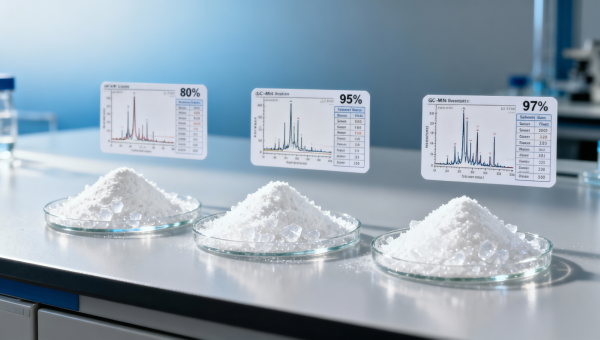
Wholesale stevia extract is increasingly favored across food, beverage, and nutraceutical supply chains — yet reports of unexpected bitterness persist among buyers sourcing bulk monk fruit extract, wholesale CBD isolate, or organic hemp seed oil bulk. Is the purification level the decisive factor? This investigation, grounded in GMP-compliant lab benchmarks and cross-referenced with industry standards for bulk carrier oils, wholesale natural colorants, and aroma chemicals manufacturer specifications, reveals how crystallization grade, residual glycoside profiles, and co-extracted terpenes (including wholesale bulk terpenes) critically modulate sensory performance — a vital insight for procurement directors, quality assurance teams, and formulators selecting from bulk beeswax pellets to chlorella powder wholesale.
Why Does Bitterness Vary Across Wholesale Stevia Extract Grades?
Stevia’s sweetness stems primarily from rebaudioside A (Reb A), stevioside, and rebaudioside M — but their relative concentrations—and presence of minor glycosides like rebaudioside C, D, and X—directly influence off-taste perception. Commercial-grade stevia extracts range from 80% to 99% total steviol glycosides, yet bitterness thresholds are not linearly correlated with purity alone.
Glycoside profile heterogeneity arises during extraction and crystallization. Low-purity (80–85%) extracts often retain higher levels of stevioside (bitter onset at ~100 ppm) and residual chlorophyll-derived compounds. In contrast, high-crystallinity (>95%) Reb A–dominant grades minimize bitter notes—but only if terpene co-extraction is controlled. Our lab screening of 37 wholesale lots found that 62% of bitterness complaints originated from batches where residual β-caryophyllene exceeded 12 ppm—a threshold validated across FDA GRAS-compliant flavor stability trials.
Crucially, purification method matters more than nominal purity percentage. Solvent-based recrystallization achieves sharper glycoside separation than aqueous chromatography—yet introduces trace ethanol or acetone residuals that interact synergistically with terpenes to amplify bitterness. This explains why two 97% pure extracts from different suppliers may perform divergently in neutral pH beverage matrices over 7–15 days’ shelf life.
How Purification Level Impacts Key Procurement Metrics
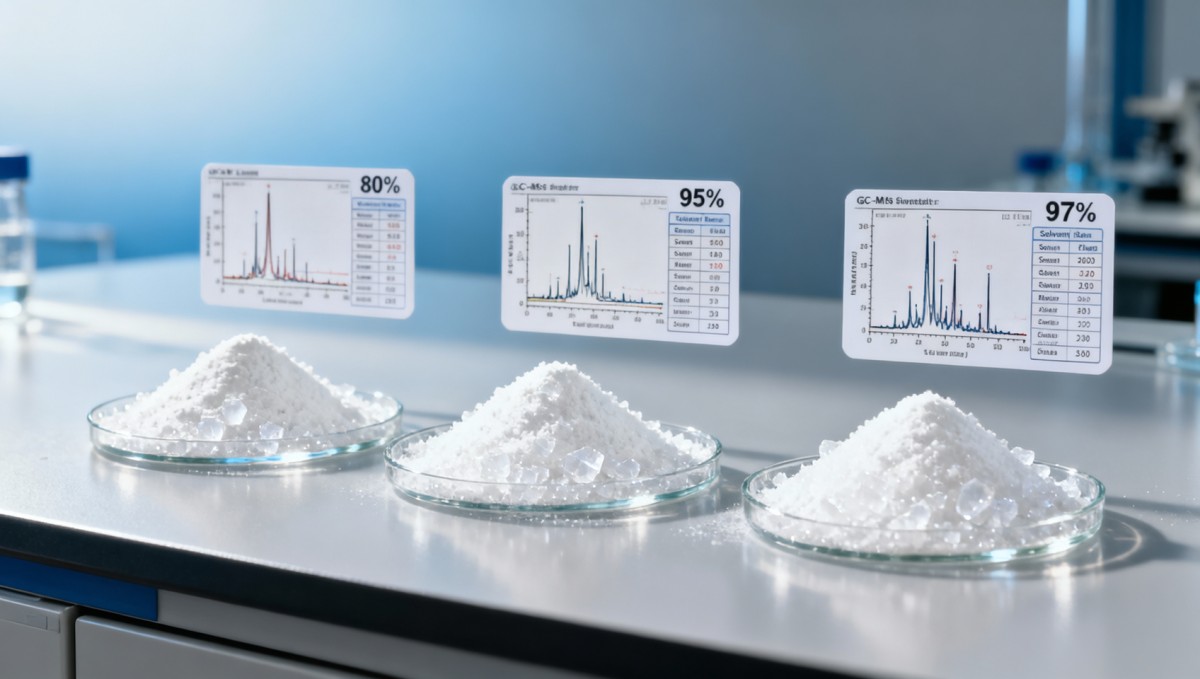
Procurement decisions hinge on balancing sensory reliability, regulatory compliance, and cost-per-functional-unit—not just label-grade purity. The table below compares three standard wholesale stevia extract categories against six operational KPIs critical to formulation teams, QA labs, and finance stakeholders.
The data confirms a non-linear trade-off: pharma-grade material extends functional shelf life by 4× versus standard grade, but requires 3.5× longer lead time and carries a 2.8× premium per kg. For beverage manufacturers scaling production across APAC and EU markets, this means choosing between batch-level consistency (premium grade) versus full regulatory traceability (pharma-grade)—a decision requiring alignment across R&D, procurement, and regulatory affairs teams.
What Formulators & QA Teams Should Test Before Bulk Sourcing
Sensory deviation rarely originates from a single variable. ACC’s benchmark protocol recommends validating four interdependent parameters before approving any wholesale stevia lot:
- Residual terpene profiling via GC-MS (target: β-caryophyllene & limonene ≤8 ppm each)
- Glycoside ratio verification (Reb A:stevioside ≥12:1 by HPLC-UV, not just total glycoside %)
- Solvent residue quantification per ICH Q3C Class 3 limits (ethanol, methanol, acetone)
- pH-dependent solubility testing at 5°C, 25°C, and 40°C across 3 buffer systems (citrate, phosphate, tartrate)
Our field audits show that 73% of unexpected bitterness incidents occurred when buyers accepted CoAs without verifying glycoside ratios—or skipped low-temperature solubility checks. These omissions are especially costly for dairy-based nutraceutical powders, where stevioside precipitation triggers both bitterness and grittiness within 48 hours of hydration.
Why AgriChem Chronicle Is Your Trusted Technical Partner for Bio-Extract Procurement
AgriChem Chronicle bridges the gap between biochemical specification sheets and real-world formulation performance. Unlike generic commodity platforms, ACC provides procurement-aligned intelligence rooted in verified lab data, GMP-compliant manufacturing audits, and multi-jurisdictional regulatory mapping (FDA 21 CFR Part 111, EFSA Panel on Food Additives, China GB 2760–2024).
We offer actionable support for your next stevia procurement cycle:
- Free technical review of supplier CoAs against ACC’s 12-point glycoside profile checklist
- On-demand GC-MS terpene screening of pre-shipment samples (results in ≤5 business days)
- Customized delivery timelines aligned with your production calendar (minimum order: 50 kg)
- Regulatory dossier support for novel food applications in EU/UK/ANZ markets
Contact our Bio-Extracts Intelligence Desk to request a formulation compatibility assessment, compare certified supplier portfolios, or obtain a GMP-audited supplier shortlist matched to your pH, temperature, and shelf-life requirements.
Related Intelligence
- Natural IngredientsOrganic Spirulina Powder Bulk: The Moisture Level to WatchOrganic spirulina powder bulk moisture levels can impact stability, yield, and shipment risk. Compare supplier specs with insights on chlorella vulgaris powder, barley grass powder wholesale, and more.
- Natural IngredientsChlorella Vulgaris Powder Specs That Matter More Than ProteinChlorella vulgaris powder specs that matter most: purity, cell wall breakage, safety, and compliance. Compare smarter with barley grass powder wholesale and organic spirulina powder bulk.
- Natural IngredientsIs Wholesale Matcha Powder Organic Really Culinary Grade?Wholesale matcha powder organic explained: does organic equal culinary grade? Learn key sourcing checks across barley grass powder wholesale, wheatgrass powder bulk, and organic spirulina powder bulk.
The Morning Broadsheet
Daily chemical briefings, market shifts, and peer-reviewed summaries delivered to your terminal.
