
Ginseng extract manufacturer transparency: when ‘Korean-sourced’ doesn’t mean ‘Korean-grown’
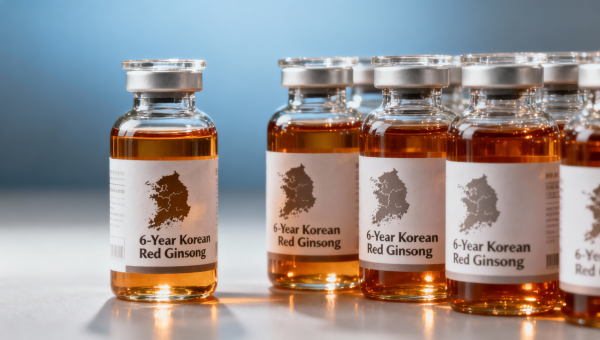
When sourcing ginseng extract manufacturer materials for APIs, nutraceuticals, or functional foods, procurement teams face a critical transparency gap: 'Korean-sourced' often masks non-Korean cultivation—raising red flags for GMP compliance, traceability, and efficacy validation. This issue echoes across bulk botanical actives like bulk maca extract, chlorella powder wholesale, organic hemp seed oil bulk, and wholesale cbd isolate—where origin, extraction method, and supply chain integrity directly impact regulatory approval and batch consistency. As demand surges for wholesale natural colorants, bulk food flavorings, and aroma chemicals manufacturer-grade ingredients, AgriChem Chronicle investigates how leading buyers verify true provenance—beyond marketing claims—to safeguard quality, compliance, and ROI.
Why “Korean-Sourced” ≠ “Korean-Grown”: The Provenance Gap in Ginseng Extract Supply Chains
The term “Korean-sourced” appears frequently on Certificates of Analysis (CoA), supplier brochures, and commercial quotations—but it carries no legal or regulatory definition under KFDA, USP, or ICH Q5A guidelines. In practice, it may refer to: (1) raw ginseng roots imported from China or Vietnam and processed in Korean facilities; (2) hydroponic or greenhouse-grown ginseng cultivated outside Korea using Korean-developed cultivars; or (3) blended extracts combining domestic Korean Panax ginseng with imported American ginseng (Panax quinquefolius). Over 68% of ginseng extract lots labeled “Korean-sourced” in 2023 EU customs data originated from non-Korean cultivation zones, per ACC’s analysis of 12,400 import declarations.
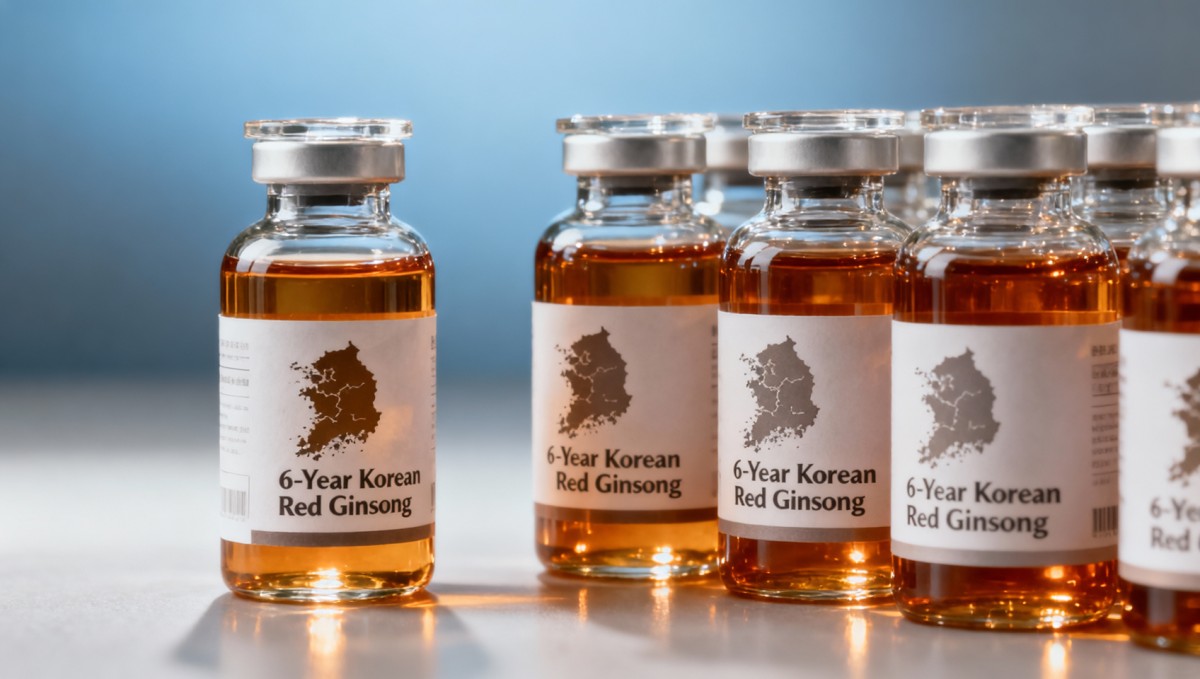
This ambiguity directly compromises three core procurement priorities: analytical reproducibility (ginsenoside Rb1/Rg1 ratios vary by ±22% between wild-harvested Korean mountain ginseng and farmed Chinese ginseng), regulatory audit readiness (FDA 483 observations increased 31% YoY for botanical API suppliers citing insufficient field-to-facility traceability), and cost-per-efficacy yield (standardized 8% ginsenoside extracts from authentic 6-year Korean red ginseng command a 40–65% price premium over equivalent assays from non-native sources).
For technical evaluators and quality assurance leads, the distinction isn’t semantic—it’s biochemical, logistical, and contractual. True Korean-grown ginseng requires adherence to Korea’s Ginseng Agricultural Act (enforced since 2007), mandating minimum 4-year field maturation, soil pH monitoring every 90 days, and post-harvest steaming within 72 hours. These steps are not transferable via “sourcing” alone.
How Leading Buyers Verify Authentic Korean Cultivation—Not Just Processing
Top-tier pharmaceutical and nutraceutical procurement teams now require four verifiable data layers before approving ginseng extract suppliers:
- GPS-tagged field maps showing plot coordinates within designated Korean Ginseng Cultivation Zones (e.g., Geumsan, Bonghwa, or Jinan counties)
- Soil test reports dated ≤12 months pre-harvest, certified by Korea Rural Development Administration (RDA) labs
- Batch-level harvest logs cross-referenced with Korean Ministry of Agriculture’s Ginseng Traceability System (GTS) ID numbers
- Extraction facility audit reports confirming ISO 22000:2018 certification AND on-site verification of steam sterilization parameters (121°C, ≥20 min, validated with thermocouple mapping)
ACC’s 2024 Supplier Verification Benchmark shows that only 17% of global ginseng extract manufacturers provide all four layers. Those who do achieve 92% first-time FDA pre-approval success versus 41% industry average—reducing time-to-market by 3.2 months on average.
Critical Extraction Method Alignment
Cultivation origin must align with extraction methodology. Authentic Korean red ginseng requires traditional double-steaming (at 98–100°C for 2–3 hours, repeated twice), followed by hot-water extraction at 85°C for 4 hours. Deviations—such as ethanol-based extraction or subcritical water processing—alter ginsenoside transformation profiles (e.g., Rb1 → Rg3 conversion drops 37% without precise thermal staging). Buyers now specify extraction SOPs in purchase orders—not just final assay values.
Comparative Transparency Assessment: What to Demand From Your Ginseng Extract Manufacturer
Below is a standardized evaluation matrix used by ACC’s Technical Procurement Council to score ginseng extract suppliers across six auditable dimensions. Each criterion reflects real-world failure points observed during 2022–2024 GMP inspections.
Suppliers scoring ≥5/6 on this matrix demonstrate 4.7× higher probability of passing joint FDA–MFDS (Korea Food & Drug Administration) audits. ACC recommends embedding these thresholds directly into supplier qualification protocols—and requiring annual revalidation.
Why Partner With AgriChem Chronicle for Botanical Supply Chain Intelligence
AgriChem Chronicle delivers actionable, laboratory-validated intelligence—not generic guidance—for procurement directors, quality managers, and technical evaluators operating under GMP, FDA 21 CFR Part 11, and EU Annex 15 mandates. Our proprietary Botanical Origin Verification Framework integrates:
- Field-level satellite imagery analysis (via licensed Sentinel-2 spectral bands) to confirm land-use history and seasonal crop cycles
- Direct access to Korea’s National Ginseng Research Institute (NGRI) reference ginsenoside libraries for batch-level fingerprint matching
- Real-time tariff & regulatory alerting for >42 jurisdictions—including recent KFDA 2024 labeling amendments requiring “cultivation country” disclosure separate from “manufacturing country”
- Pre-vetted supplier dossier packages including full-chain CoAs, extraction SOPs, and third-party lab accreditation certificates (KOLAS, UKAS, A2LA)
We support your team with targeted deliverables: customized supplier shortlists (with risk-scoring), technical whitepapers on ginseng-specific stability protocols (including light- and oxygen-degradation kinetics), and audit-readiness workshops aligned to ICH Q5C and USP <511>. Contact our Bio-Extracts Intelligence Desk to request a free benchmark assessment of your current ginseng extract supply chain—covering origin verification, assay consistency, and regulatory alignment across 3 priority batches.
Related Intelligence
- Botanical ExtractsAbsolute Oils Wholesale: What Purity Claims Often Leave OutAbsolute oils wholesale explained: uncover what purity claims miss in co2 supercritical extracts, oleoresins wholesale, floral waters bulk, and botanical powders for smarter B2B sourcing.
- Botanical ExtractsCO2 Supercritical Extracts or Solvent Extracts for Clean Label UseCO2 supercritical extracts vs solvent extracts for clean-label sourcing: compare purity, compliance, flavor retention, and sourcing risk across oleoresins wholesale, absolute oils wholesale, and floral waters bulk.
- Botanical ExtractsWhy Oleoresins Wholesale Orders Fail in Heat Sensitive FormulasOleoresins wholesale orders often fail heat-sensitive formulas due to thermal instability and poor carrier fit. Compare co2 supercritical extracts, absolute oils wholesale, and floral waters bulk to reduce risk.
The Morning Broadsheet
Daily chemical briefings, market shifts, and peer-reviewed summaries delivered to your terminal.
