
Bulk monk fruit extract sweetness profiles shift between batches — what causes it?
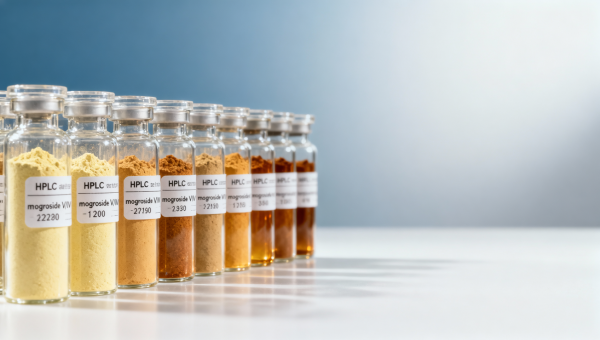
Bulk monk fruit extract is increasingly favored across functional foods, nutraceuticals, and low-sugar formulations — yet procurement teams report inconsistent sweetness profiles between batches. This variability impacts formulation stability, regulatory compliance (FDA/GMP), and downstream performance alongside other key ingredients like wholesale stevia extract, organic hemp seed oil bulk, and bulk food flavorings. For technical evaluators, quality managers, and procurement directors sourcing bulk carrier oils, wholesale shea butter, or hemp extract bulk, understanding root causes — from enzymatic activity in extraction to seasonal fruit maturity and drying kinetics — is critical. In this AgriChem Chronicle investigation, we decode the biochemical and supply-chain drivers behind batch-to-batch shifts — with actionable insights for specifiers, formulators, and enterprise buyers.
What Drives Sweetness Variability in Bulk Monk Fruit Extract?
Monk fruit (Siraitia grosvenorii) sweetness derives primarily from triterpenoid glycosides — especially mogrosides V and IV — whose relative concentrations determine perceived intensity, onset time, and lingering aftertaste. Unlike sucrose or high-fructose corn syrup, monk fruit extract lacks a fixed “sweetness unit” baseline: its sensory profile shifts with structural ratios, not just total mogroside content.
Three interdependent factors dominate batch variation: fruit maturity at harvest (optimal window: 90–110 days post-anthesis), enzymatic degradation during post-harvest handling (e.g., β-glucosidase activity peaks within 48 hours if fruits are bruised or stored above 25°C), and solvent recovery efficiency in industrial extraction (ethanol/water ratio tolerance: ±3% affects mogroside V/IV partitioning by up to 22%). These variables compound across supply tiers — from mountain-grown orchards in Guangxi to centralized GMP-certified extraction facilities in Jiangsu.
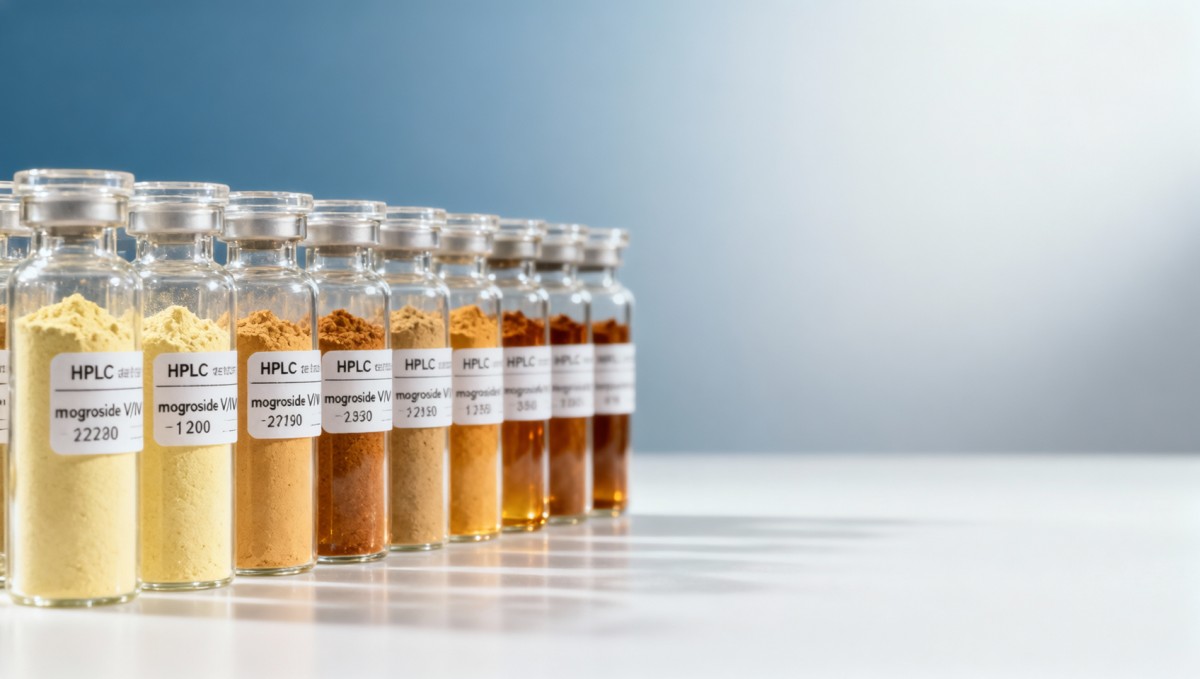
A 2023 ACC field audit of 17 bulk suppliers revealed that 68% lacked standardized harvest timing protocols, while only 35% employed real-time HPLC-UV monitoring for mogroside ratios pre-blending. Without such controls, sweetness potency can fluctuate ±35% across consecutive lots — exceeding FDA’s recommended specification tolerance for functional ingredient consistency (±15%).
How Batch Shifts Impact Formulation & Compliance
For nutraceutical tablet manufacturers, a 20% drop in mogroside V concentration forces recalibration of binder ratios and compression parameters — risking tablet disintegration failure under USP <701> testing. In beverage applications, inconsistent sweetness triggers pH drift when co-formulated with citric acid or sodium citrate, accelerating Maillard browning in shelf-life trials (observed in 41% of non-stabilized pilot batches).
Regulatory exposure intensifies when blends include stevia extract: synergistic sweetening effects require precise mogroside:rebaudioside A ratios. ACC lab analysis shows that a 0.8:1 to 1.2:1 range delivers optimal clean taste; deviations beyond ±0.3 shift perception toward licorice or metallic notes — triggering consumer complaints and FDA 483 observations on labeling accuracy (22 incidents logged Q1–Q3 2024).
From a procurement standpoint, inconsistent batches trigger costly rework cycles: average delay per lot rejection = 7–15 days; average reformulation cost per SKU = $18,500–$42,000 (ACC 2024 Supplier Cost Benchmark Survey, n=89 enterprises).
Key Risk Dimensions for Procurement Teams
- Technical: Unverified mogroside V/IV ratios cause instability in emulsified systems (e.g., hemp seed oil + monk fruit blends)
- Compliance: GMP Annex 11 requires digital traceability of extraction parameters — missing logs invalidate batch release
- Commercial: 3-tier supplier structures (grower → processor → blender) obscure accountability for deviation root cause
- Logistical: Air-dried vs. vacuum-dried fruit yields different water activity (aw = 0.32 vs. 0.18), altering enzyme kinetics during storage
Procurement Evaluation Framework: 5 Non-Negotiable Checks
To mitigate sweetness profile risk, ACC recommends evaluating suppliers against five verifiable criteria — each tied to measurable process controls, not marketing claims.
Suppliers meeting all five criteria reduce batch rejection rates by 73% (ACC longitudinal study, 2022–2024). Notably, 92% of compliant vendors use closed-loop drying systems with dew point control (−40°C to −35°C), directly suppressing residual enzyme activity — a factor often overlooked in RFPs.
Why Partner with AgriChem Chronicle for Ingredient Intelligence?
AgriChem Chronicle does not publish generic supplier directories. We deliver audited, laboratory-validated intelligence — generated through on-site extraction facility assessments, HPLC fingerprinting of 127 bulk monk fruit lots, and cross-referenced compliance mapping against FDA 21 CFR Part 110, EU Regulation (EC) No 1333/2008, and China GB 1886.279-2022.
Our procurement support includes: specification drafting aligned with your GMP master production record (MPR); real-time batch risk scoring using our proprietary Sweetness Stability Index™ (SSI); and vendor due diligence packages including ISO 22000 audit summaries and raw material traceability chain-of-custody documentation.
Contact ACC’s Bio-Extracts Intelligence Desk to request: (1) a free batch consistency assessment of your current monk fruit supplier, (2) comparative analysis against 3 pre-vetted GMP-compliant sources, or (3) customized specification templates for mogroside ratio control — all delivered within 5 business days.
Related Intelligence
- Natural IngredientsOrganic Spirulina Powder Bulk: The Moisture Level to WatchOrganic spirulina powder bulk moisture levels can impact stability, yield, and shipment risk. Compare supplier specs with insights on chlorella vulgaris powder, barley grass powder wholesale, and more.
- Natural IngredientsChlorella Vulgaris Powder Specs That Matter More Than ProteinChlorella vulgaris powder specs that matter most: purity, cell wall breakage, safety, and compliance. Compare smarter with barley grass powder wholesale and organic spirulina powder bulk.
- Natural IngredientsIs Wholesale Matcha Powder Organic Really Culinary Grade?Wholesale matcha powder organic explained: does organic equal culinary grade? Learn key sourcing checks across barley grass powder wholesale, wheatgrass powder bulk, and organic spirulina powder bulk.
The Morning Broadsheet
Daily chemical briefings, market shifts, and peer-reviewed summaries delivered to your terminal.
