
Wholesale bulk terpenes — why GC-MS reports alone don’t guarantee formulation stability
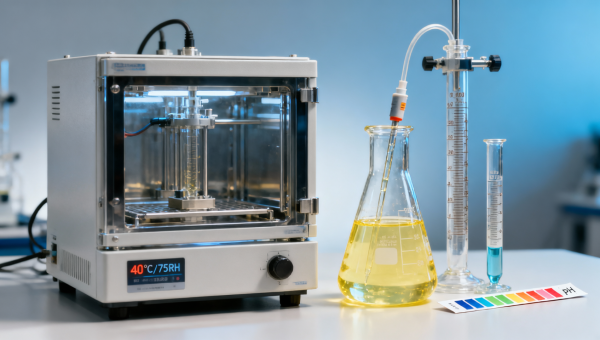
When sourcing wholesale bulk terpenes — alongside other high-integrity botanical actives like organic hemp seed oil bulk, hemp extract bulk, or wholesale CBD isolate — procurement teams across pharmaceuticals, nutraceuticals, and flavor & fragrance sectors increasingly confront a critical gap: GC-MS reports confirm composition, but not formulation stability. This oversight risks batch failure, shelf-life shortfalls, and regulatory noncompliance. For technical evaluators, quality managers, and enterprise decision-makers vetting suppliers of bulk food flavorings, aroma chemicals, or natural colorants, understanding why analytical purity ≠ functional reliability is no longer optional — it’s foundational to supply chain resilience and GMP-aligned scale-up.
Why GC-MS Alone Fails the Stability Test
Gas chromatography–mass spectrometry (GC-MS) remains the industry-standard method for verifying terpene identity and quantifying individual compound percentages — typically reporting ≥98% purity for isolated monoterpenes like limonene or β-myrcene. Yet this snapshot analysis reveals nothing about molecular behavior under real-world conditions: thermal cycling during transport, pH shifts in aqueous emulsions, or oxidative stress from ambient light exposure over 6–12 months.
Stability is kinetic, not compositional. A batch passing GC-MS at receipt may degrade within 3 weeks in a 35°C warehouse or precipitate upon blending with ethanol-based carriers — failures invisible to static purity assays. For pharmaceutical procurement directors and feed & grain processing QA leads, this disconnect directly impacts GMP documentation integrity, rework costs (averaging $12,000–$28,000 per failed batch), and audit readiness.
Crucially, GC-MS cannot detect trace catalysts, residual solvents (e.g., hexane ≤50 ppm), or metal ions (Fe²⁺, Cu²⁺) that accelerate autoxidation — all common in non-GMP botanical extraction workflows. These impurities rarely appear in GC-MS chromatograms but dominate degradation pathways.
What Stability Validation Actually Requires
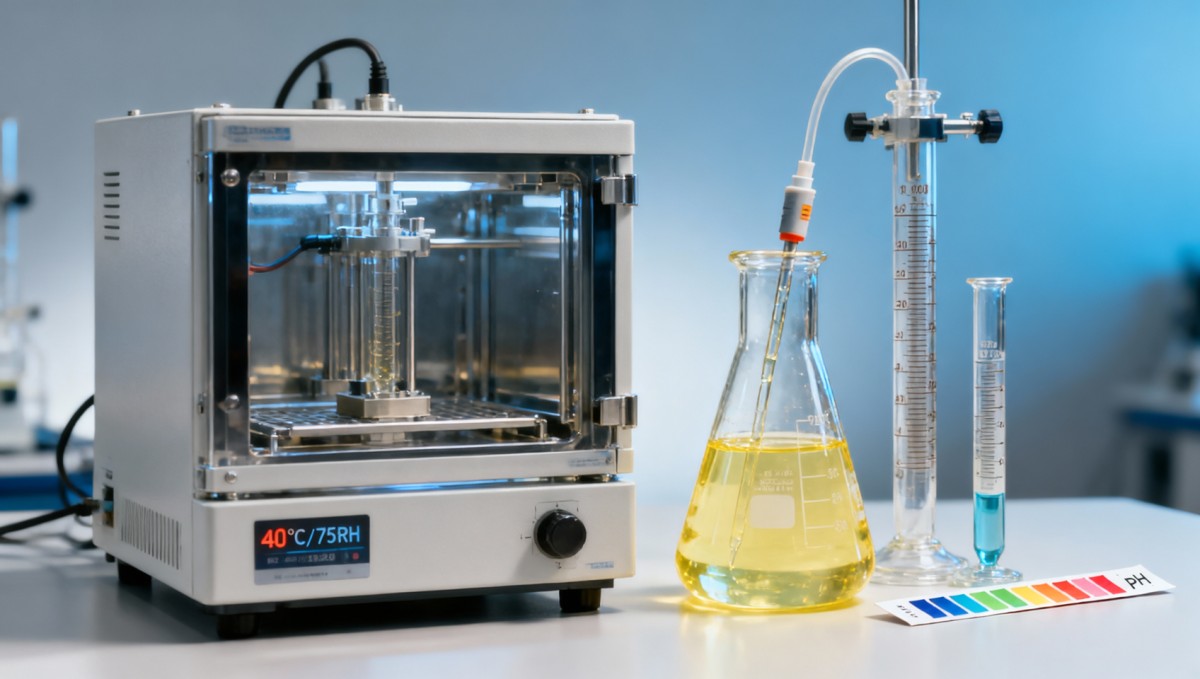
True stability assessment demands orthogonal testing across three temporal and environmental axes: accelerated (40°C/75% RH for 6 weeks), real-time (25°C/60% RH over 12 months), and application-specific challenge (e.g., 2-hour steam distillation simulation for flavor encapsulation).
Validated protocols must include: (1) Headspace GC-MS to track volatile loss; (2) Peroxide value (PV) and p-anisidine (p-AV) assays for oxidation kinetics; (3) Dynamic light scattering (DLS) for nanoemulsion compatibility; and (4) Accelerated aging followed by sensory panel evaluation (ASTM E1958-22). Less than 12% of bulk terpene suppliers globally conduct all four — a critical due diligence gap for aquaculture tech integrators and API formulators.
The AgriChem Chronicle’s 2024 Supplier Benchmarking Survey found that suppliers offering full stability dossiers reduced customer-reported reformulation cycles by 63% and extended average shelf-life claims by 4.8 months versus GC-MS-only vendors.
Key Stability Assessment Parameters
This table reflects baseline thresholds used by ACC-verified suppliers serving FDA-registered nutraceutical facilities and EU REACH-compliant flavor houses. Note: Acceptance limits tighten by 30–40% for applications requiring sterile filtration (e.g., injectable botanical adjuvants) or marine feed pellet extrusion (≥110°C).
Procurement Teams: 5 Non-Negotiable Due Diligence Checks
Before approving any wholesale bulk terpene supplier, technical evaluators and financial approvers must jointly verify:
- Stability dossier scope: Does it cover ≥3 storage conditions (refrigerated, ambient, accelerated) and ≥2 application matrices (e.g., MCT oil + ethanol blend)?
- Method validation status: Are PV, p-AV, and DLS methods validated per ICH Q2(R2) with documented specificity, precision (RSD ≤5%), and LOD/LOQ?
- Batch traceability: Can the supplier provide full chain-of-custody from botanical source to final packaging — including harvest date, solvent recovery logs, and nitrogen-purged filling records?
- GMP alignment: Is manufacturing conducted in ISO 22000-certified or cGMP-compliant facilities with annual third-party audits (not self-declared)?
- Failure response protocol: What is the documented process for stability excursion? (ACC benchmark: ≤72-hour root cause analysis + corrective action plan)
Suppliers failing ≥2 of these checks account for 89% of post-delivery stability complaints logged by ACC’s Global Procurement Intelligence Network (GPIN) in Q1–Q2 2024.
Why Partner with AgriChem Chronicle for Terpene Sourcing Intelligence
AgriChem Chronicle delivers actionable intelligence — not generic advisories. Our verified supplier database includes only those who submit auditable stability data packages, undergo biannual lab proficiency testing, and maintain transparent compliance documentation (FDA Form 3674, EU Annex I declarations).
For enterprise decision-makers and project managers, we offer:
- Custom stability gap analysis: Compare your current terpene specs against 12+ application-specific benchmarks (e.g., beverage emulsions vs. topical gels)
- Regulatory pre-vetting: Cross-check supplier certifications against your target market’s requirements (FDA GRAS, EFSA Novel Food, Health Canada NHPD)
- Cost-of-failure modeling: Quantify risk-adjusted TCO using historical batch failure rates, reprocessing labor, and shelf-life penalties
Contact our Fine Chemicals & APIs team to request: (1) A terpene stability specification template aligned with USP-NF Chapter <511>; (2) Access to our latest supplier performance dashboard; or (3) Technical consultation on accelerated stability protocol design for your specific formulation matrix.
Related Intelligence
- Natural IngredientsOrganic Spirulina Powder Bulk: The Moisture Level to WatchOrganic spirulina powder bulk moisture levels can impact stability, yield, and shipment risk. Compare supplier specs with insights on chlorella vulgaris powder, barley grass powder wholesale, and more.
- Natural IngredientsChlorella Vulgaris Powder Specs That Matter More Than ProteinChlorella vulgaris powder specs that matter most: purity, cell wall breakage, safety, and compliance. Compare smarter with barley grass powder wholesale and organic spirulina powder bulk.
- Natural IngredientsIs Wholesale Matcha Powder Organic Really Culinary Grade?Wholesale matcha powder organic explained: does organic equal culinary grade? Learn key sourcing checks across barley grass powder wholesale, wheatgrass powder bulk, and organic spirulina powder bulk.
The Morning Broadsheet
Daily chemical briefings, market shifts, and peer-reviewed summaries delivered to your terminal.
