
Pine bark extract bulk: how to compare quotes
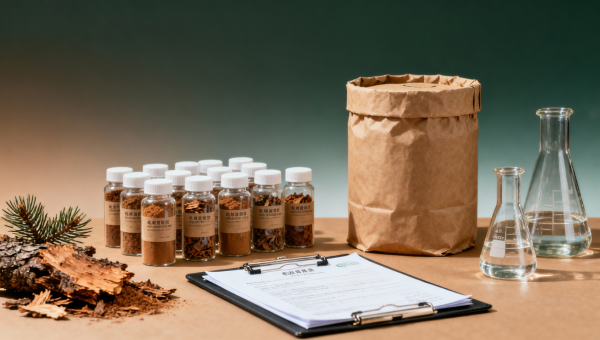
When sourcing pine bark extract bulk, the cheapest quote is rarely the best quote. For procurement teams, quality managers, and project leads, the real comparison should focus on assay consistency, extraction method, residual solvents, traceability, documentation, and supplier execution risk. A low nominal price can quickly become expensive if a batch fails specification, arrives late, or lacks the compliance files needed for import, formulation, or customer audit. The same logic used when reviewing milk thistle extract silymarin, grape seed extract OPC, or green tea extract EGCG applies here: compare the total technical and commercial package, not just the number at the bottom of the quotation.
For most buyers, the core question is simple: which supplier offers the lowest risk-adjusted cost for the required specification? That means understanding exactly what is being quoted, what testing supports it, what hidden cost drivers exist, and whether the supplier can perform consistently at commercial scale. This guide outlines how to compare pine bark extract bulk quotes in a practical, procurement-ready way.
Start by making sure every quote is for the same material
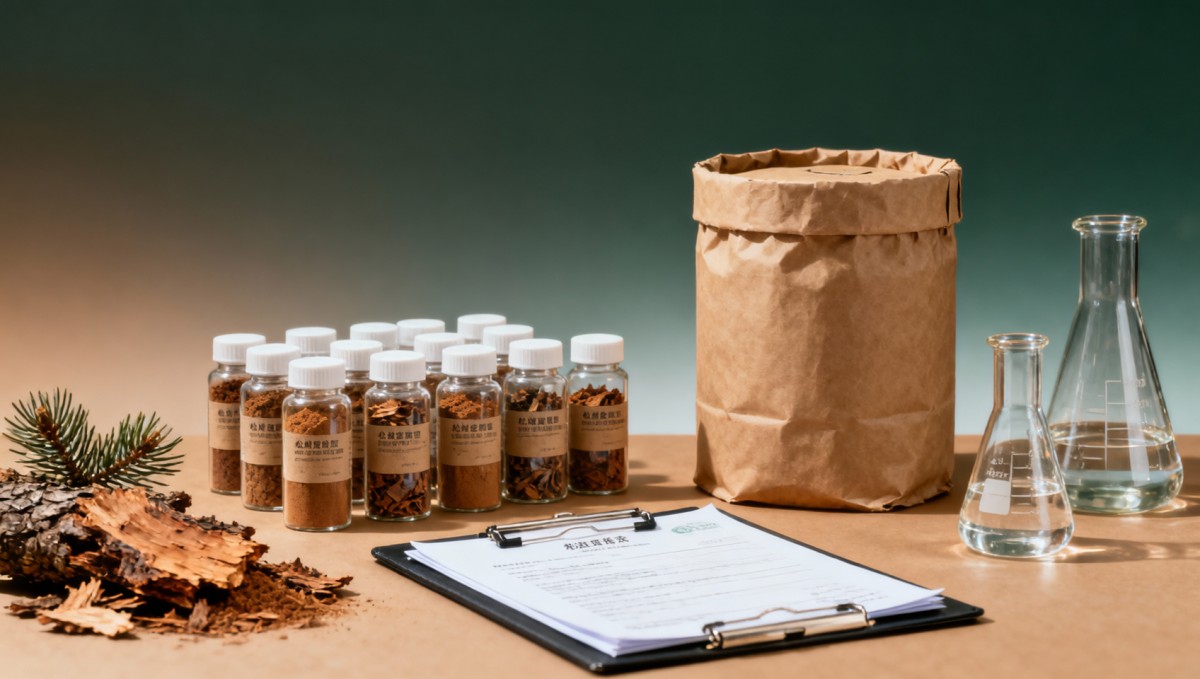
The first reason quote comparisons fail is that buyers are not comparing like for like. “Pine bark extract bulk” can refer to materials with different botanical sources, proanthocyanidin levels, extraction solvents, mesh sizes, carriers, and physical forms. Two offers may look similar in name but differ meaningfully in usable value.
Before comparing prices, define a quote comparison sheet with at least the following points:
- Botanical source: species name and plant part used
- Active marker specification: e.g., proanthocyanidins percentage and test method
- Extract ratio: where relevant
- Physical form: powder, granule, instantized, spray-dried format
- Carrier content: maltodextrin or other excipients, if any
- Solvent used: water, ethanol, hydroalcoholic system, or other
- Residual solvent limits
- Moisture and ash limits
- Microbiological limits
- Heavy metals and contaminant controls
- Packaging format: drum size, liner type, nitrogen flush if applicable
- Incoterm: EXW, FOB, CIF, DDP, etc.
If one supplier quotes a 95% proanthocyanidin extract tested by UV and another quotes a lower-content material or uses a different assay approach, direct price comparison becomes misleading. Standardizing specifications is the fastest way to avoid false savings.
Focus on assay method, not just the claimed percentage
In botanical extracts, the headline assay number often attracts the most attention, but experienced buyers know the test method behind the number matters just as much. Pine bark extract bulk may be standardized using different analytical techniques, and those techniques can produce results that are not perfectly interchangeable.
Ask suppliers:
- Which analytical method is used for proanthocyanidins?
- Is the method validated internally or against a recognized standard?
- Can the supplier provide a representative certificate of analysis from recent lots?
- Is there lot-to-lot trend data?
This matters to several stakeholder groups:
- Information researchers need a fair basis for supplier comparison
- Operators and users need predictable performance in formulation or processing
- Quality and safety teams need defensible specifications and release criteria
- Financial approvers need confidence that a low quote will not create rework or rejection costs
If possible, compare quotes on a cost per unit of accepted active content rather than cost per kilogram alone. This is a better commercial metric, especially when assay claims vary in reliability.
Check extraction process and solvent risk before approving a low-priced offer
Extraction technology affects purity, odor, color, solubility, contaminant risk, and downstream usability. A quote should therefore be reviewed with both procurement and technical lenses.
Key questions include:
- What extraction solvent system is used?
- What purification steps are included?
- What are the residual solvent specifications and actual batch results?
- Is the material suitable for the intended application in nutraceutical, food, cosmetic, or pharmaceutical-adjacent use?
This is especially important for companies that also source other bio-extracts such as milk thistle extract silymarin, grape seed extract OPC, or green tea extract EGCG. Across all of these ingredients, solvent management and contaminant control are central to both compliance and product performance.
A supplier offering a notably lower price may be using a simpler process, broader internal limits, or less robust purification. That does not always mean the material is unsuitable, but it does mean the buyer should verify whether the lower-cost process still meets end-use requirements.
Look for hidden quote differences that change the real landed cost
Many bulk extract buyers lose money not on unit price, but on quote details that are overlooked until after approval. The lowest supplier quotation can become the highest total cost once logistics, testing, and operational friction are included.
Common hidden cost drivers include:
- Different incoterms: FOB is not directly comparable to DDP
- Different minimum order quantities: lower unit price may require excess inventory
- Different lead times: delay can disrupt production schedules
- Additional testing burden: weak documentation may force extra third-party analysis
- Packaging inefficiency: poor packaging can increase warehouse or handling loss
- Shelf life limitations: shorter shelf life may increase write-off risk
- Payment terms: prepayment and deposit requirements affect cash flow
For project managers and finance approvers, it is often useful to create a simple landed-cost model that includes freight, duty, insurance, internal QC release cost, warehousing, and expected yield loss. This produces a more realistic supplier ranking than price-per-kilo comparison alone.
Review documentation as seriously as you review price
For pine bark extract bulk, documentation quality is often a leading indicator of supplier maturity. Strong suppliers typically provide complete, consistent, and audit-ready files. Weak suppliers may provide partial paperwork, inconsistent formats, or delayed responses.
Typical documents to request include:
- Specification sheet
- Recent certificate of analysis
- Manufacturing flow chart
- Safety data sheet
- Allergen, GMO, BSE/TSE, and irradiation statements where applicable
- Residual solvent and pesticide testing reports if relevant
- Heavy metal and microbiology reports
- Country of origin declaration
- Quality certifications and facility audit information
Quality control and safety managers should not only check whether documents exist, but whether they are internally coherent. Dates, methods, specifications, and legal entity names should match across the file set. Inconsistency can be an early warning sign of compliance risk.
Assess supply reliability and batch consistency, not just sample quality
A strong pre-shipment sample does not guarantee strong commercial execution. Bulk buyers need confidence that the supplier can reproduce the same quality over repeated lots and during market volatility.
Ask practical supply questions such as:
- What is the normal monthly or annual production capacity for pine bark extract bulk?
- Is the quoted volume available from routine production or only by special campaign?
- How many export customers does the supplier currently serve?
- What is the historical on-time delivery rate?
- Can the supplier support reserve stock or forecast-based supply agreements?
For procurement teams, this is where supplier comparison becomes strategic. A slightly higher quote from a supplier with stable capacity, strong traceability, and predictable lead times may create more value than a cheaper but less dependable source. This is especially true in regulated or high-reputation product categories.
Use a weighted supplier scorecard to compare quotes objectively
When several departments are involved, subjective discussions can slow approvals. A weighted scorecard helps align procurement, QC, operations, and finance around a common decision structure.
A practical quote comparison model may include:
- Price and landed cost: 25%
- Specification fit: 20%
- Documentation completeness: 15%
- Analytical credibility: 10%
- Supply reliability and lead time: 15%
- Commercial terms and responsiveness: 10%
- Sustainability or traceability factors: 5%
The exact weighting can be adjusted by use case. For example, if the material is intended for a highly controlled finished product, documentation and batch consistency may deserve heavier weighting. If the application is more flexible, landed cost and lead time may carry more importance.
Red flags that should trigger deeper review before purchase
Some quote patterns justify extra caution, even when the supplier appears responsive.
- Price is dramatically below market without a clear technical explanation
- Assay numbers are high but methods are vague or inconsistent
- Supplier hesitates to share recent COAs or manufacturing details
- Lead times are unrealistically short for the quoted volume
- Documents contain mismatched company names, dates, or units
- Specification ranges are unusually broad
- Sample quality differs from production lot data
These issues do not automatically disqualify a source, but they should move the supplier into a higher-risk review category. In many cases, a short technical clarification meeting can reveal whether the supplier is competent and transparent or simply over-optimistic in the sales process.
What a good pine bark extract bulk quote should help you decide
A useful quotation should do more than provide a price. It should help the buying team answer three decision questions:
- Does this material truly match the intended specification and application?
- Can this supplier deliver consistent quality and documentation at scale?
- Is the total risk-adjusted cost competitive once testing, logistics, and operational factors are included?
If the answer to all three is yes, the quote is commercially meaningful. If not, the buyer likely needs clarification, negotiation, or an alternate source.
In summary, comparing pine bark extract bulk quotes should never be reduced to headline price alone. The better approach is to standardize the specification, verify the assay method, review extraction and solvent controls, calculate landed cost, audit the document package, and test supplier reliability. For procurement professionals, operators, quality teams, finance approvers, and project leads, this process leads to a clearer decision: not simply which quote is cheaper, but which offer is safer, more usable, and more cost-effective in real operating conditions.
Related Intelligence
- Natural IngredientsIndonesia BPOM Updates Label Rules for Natural Ingredients ImportsIndonesia BPOM updates label rules for natural ingredients imports: New pH ≤4.6 & 60°C/30min tolerance statement required by Aug 1, 2026 — act now to avoid customs rejection.
- Natural IngredientsIndonesia BPOM Updates Natural Ingredients Import LabelingIndonesia BPOM Updates Natural Ingredients Import Labeling: New 'Microbial Resistance Profile' required for cosmetics, supplements & personal care imports—act now to avoid customs delays.
- Natural IngredientsWholesale inulin powder vs FOS: which fits better?Wholesale inulin powder vs fructooligosaccharides FOS wholesale: compare chicory root fiber bulk benefits, solubility, texture, tolerance, and B2B application fit to choose smarter.
The Morning Broadsheet
Daily chemical briefings, market shifts, and peer-reviewed summaries delivered to your terminal.
