
Wholesale inulin powder vs FOS: which fits better?
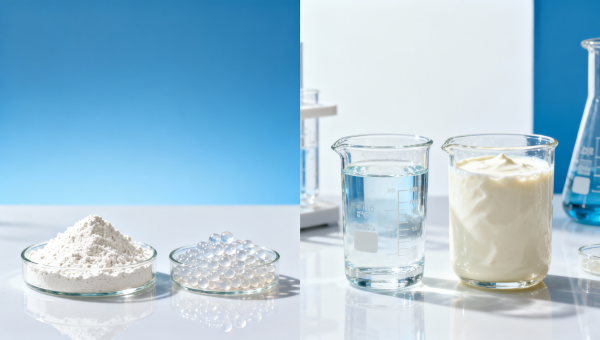
For buyers comparing wholesale inulin powder with fructooligosaccharides FOS wholesale, the right choice usually depends on the target product, processing conditions, digestive tolerance expectations, and cost structure rather than on a simple “better fiber” claim. In most B2B procurement scenarios, inulin powder fits better when you need stronger fiber positioning, texture contribution, and higher total dietary fiber content. FOS fits better when you need better solubility, lighter mouthfeel, mild sweetness, and easier use in beverages or fast-dissolving systems. The practical decision comes down to formulation performance, label goals, application type, and supply consistency.
For procurement teams, quality managers, formulators, and commercial decision-makers, the key question is not just what these ingredients are, but which one creates fewer production issues and delivers the most commercial value in the intended end use. Below is a decision-focused comparison designed for food, nutraceutical, and industrial ingredient buyers evaluating chicory root fiber bulk against FOS at wholesale scale.
What matters most when choosing between wholesale inulin powder and FOS?
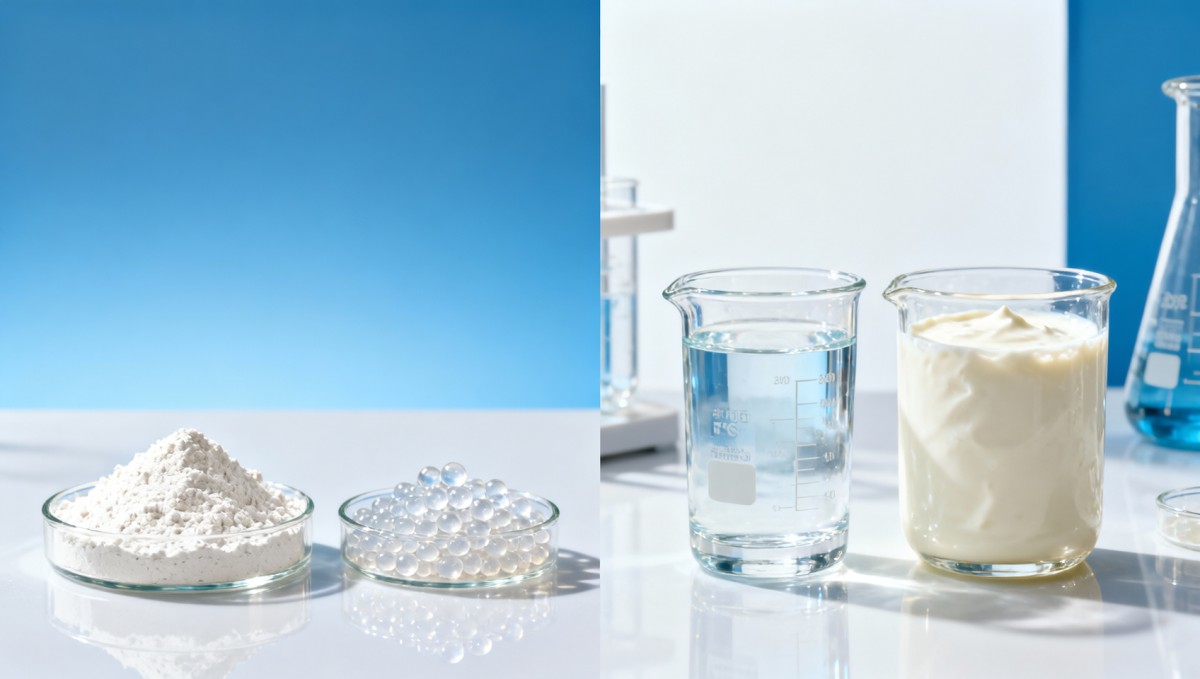
The core search intent behind this comparison is transactional and evaluative: buyers want to know which ingredient is the better fit for a specific product line, purchasing plan, or reformulation project. They are usually not looking for a basic definition alone. They want a procurement-ready answer that connects technical performance with commercial outcomes.
For most target readers, the main concerns are:
- Application fit: Is the ingredient better for powder blends, bars, dairy, beverages, gummies, supplements, or clinical nutrition?
- Processing behavior: How does it handle heat, shear, pH, moisture, and storage?
- Digestive tolerance: Which one is more acceptable at practical serving levels?
- Labeling and claims: Can it support fiber claims, sugar reduction positioning, or prebiotic marketing?
- Cost-in-use: Which ingredient offers better value after dosage, yield, and stability are considered?
- Supply reliability: Can the supplier provide consistent specifications, documentation, and lot-to-lot quality?
If the buying objective is broad and the product range is diverse, many companies eventually use both ingredients in different SKUs. But when a buyer has to choose one for a specific manufacturing target, the decision should be made by functional role, not by category popularity.
Inulin powder vs FOS: the practical difference in formulation performance
Although both ingredients are prebiotic carbohydrates and are often sourced from chicory, they do not behave the same way in production.
Inulin powder is a longer-chain fructan. It is usually preferred when manufacturers want:
- Higher fiber enrichment per serving
- Texture improvement and fat-mimetic properties
- More body in powders, dairy systems, spreads, fillings, or bars
- Reduced sugar impact without relying on sweetness
FOS generally has shorter chains and is often preferred when manufacturers want:
- High solubility
- A small amount of natural sweetness
- Cleaner incorporation into beverages and syrups
- Less impact on viscosity and texture
This difference matters because buyers often compare them as if they are interchangeable. They are not fully interchangeable in many formulations. If a product needs structure, creaminess, or meaningful fiber loading, chicory root fiber bulk in the form of inulin usually performs better. If a product needs quick dissolution and minimal texture change, fructooligosaccharides FOS wholesale options often fit better.
Which ingredient is better for common B2B applications?
For functional foods and dairy-style products:
Inulin is often the stronger candidate. It can improve mouthfeel, help replace part of fat or sugar solids, and support fiber fortification. Yogurt, meal replacement powders, nutrition bars, and bakery fillings often benefit from inulin’s body-building effect.
For beverages and liquid supplements:
FOS is typically easier to use. Its better solubility and lower tendency to add thickness make it more suitable for clear drinks, shots, syrups, and liquid nutraceutical systems. If transparency or low viscosity is essential, FOS generally has the advantage.
For sachets and powdered nutraceuticals:
Either can work, depending on the user experience goal. Inulin may be selected for higher fiber positioning, while FOS may be preferred for better dissolution and a slightly more pleasant taste profile.
For bars, baked goods, and structured snacks:
Inulin often provides more functional value because it can influence texture, water management, and solids balance. However, exact performance depends on chain length, moisture system, and process temperature.
For digestive health positioning:
Both are used in prebiotic formulations, but dose design matters. Some brands choose a balanced blend to improve product performance while managing digestive tolerance and sensory properties.
How do digestive tolerance and user experience affect the buying decision?
This is one of the most important areas for quality managers, commercial teams, and brand owners. A technically acceptable ingredient can still fail commercially if end users report bloating, gas, or discomfort at normal serving sizes.
Both inulin and FOS are fermentable fibers, so tolerance varies by dose, consumer sensitivity, and total formula composition. However, the practical issue is not which ingredient is “safe” in general, but whether the intended serving size matches the target population.
Buyers should assess:
- Planned grams per serving
- Whether the product is for general wellness, sports nutrition, children, seniors, or sensitive users
- Whether the formula already contains other fermentable fibers, polyols, or botanicals
- How frequently the product will be consumed
In many cases, tolerance concerns can be reduced by adjusting dosage or combining ingredients instead of selecting one exclusively. For commercial launches, pilot sensory and tolerance testing is more valuable than relying on generic ingredient claims.
What should procurement teams compare beyond price per kilogram?
For wholesale purchasing, list price alone is a poor decision metric. The better comparison is cost in use. That includes how much ingredient is required to achieve the desired claim, sweetness profile, texture, and shelf performance.
Key procurement checkpoints include:
- Active specification range: purity, degree of polymerization, moisture, ash, and microbiological limits
- Functional consistency: solubility, dispersibility, sweetness contribution, viscosity effect
- Documentation: COA, allergen statement, non-GMO status if required, heavy metal data, pesticide or solvent compliance where applicable
- Regulatory fit: destination-market compliance, labeling suitability, food or nutraceutical grade status
- Packaging and logistics: moisture protection, palletization, container optimization, storage stability
- Supplier reliability: lot consistency, production scale, lead times, recall readiness, traceability
A lower-cost FOS option may become more expensive if it requires higher usage, causes instability, or weakens label positioning. Likewise, an inulin powder with strong fiber economics may be the wrong choice if it creates dispersion issues in a liquid system.
How do labeling strategy and commercial positioning influence the better choice?
For brand owners and enterprise decision-makers, the ingredient decision is often linked to how the final product will be sold.
Choose inulin powder when the commercial goal emphasizes:
- High-fiber or fiber-enriched positioning
- Creamier texture or sugar/fat replacement support
- More substantial nutritional enhancement per serving
Choose FOS when the commercial goal emphasizes:
- Light sweetness with prebiotic support
- Easy use in drink systems or liquid concentrates
- Minimal texture interference
In some cases, the better commercial answer is a dual-ingredient strategy: inulin for structure and fiber strength, FOS for solubility and taste balance. This can be especially useful in premium digestive health products, synbiotic blends, and multi-format portfolios.
A simple decision framework for buyers
If you need a quick working rule, use this framework:
- Choose wholesale inulin powder if your product needs fiber loading, texture improvement, body, or solids replacement.
- Choose fructooligosaccharides FOS wholesale if your product needs solubility, mild sweetness, and low impact on viscosity.
- Request pilot samples of both if your formula sits between powder and liquid performance requirements.
- Audit supplier specifications carefully because chain profile and processing quality affect real-world performance.
- Evaluate cost in use, not headline price before making a volume commitment.
For most industrial buyers, the best-fit ingredient is the one that reduces reformulation risk while meeting label, sensory, and commercial objectives with the fewest operational compromises.
Conclusion
Wholesale inulin powder and FOS are both valuable prebiotic ingredients, but they fit different production goals. Inulin usually works better for fiber-forward products that need texture, body, or stronger nutritional positioning. FOS usually works better for beverage systems, liquid applications, and formulations where solubility and mild sweetness matter more than structure. For procurement teams and product developers, the right decision should be based on application performance, tolerance expectations, label strategy, and supplier consistency rather than on broad category claims alone.
In short: if your priority is functional bulk and fiber impact, start with chicory root fiber bulk in the form of inulin. If your priority is easy incorporation and lighter sensory performance, start with FOS. When the product brief is more complex, comparative bench trials and supplier documentation review will provide the clearest answer.
Related Intelligence
- Natural IngredientsIndonesia BPOM Updates Label Rules for Natural Ingredients ImportsIndonesia BPOM updates label rules for natural ingredients imports: New pH ≤4.6 & 60°C/30min tolerance statement required by Aug 1, 2026 — act now to avoid customs rejection.
- Natural IngredientsIndonesia BPOM Updates Natural Ingredients Import LabelingIndonesia BPOM Updates Natural Ingredients Import Labeling: New 'Microbial Resistance Profile' required for cosmetics, supplements & personal care imports—act now to avoid customs delays.
- Natural IngredientsWholesale inulin powder: common sourcing pitfallsWholesale inulin powder sourcing guide: avoid costly pitfalls in chicory root fiber bulk, fructooligosaccharides FOS wholesale, and adjacent ingredients. Learn smarter supplier checks.
The Morning Broadsheet
Daily chemical briefings, market shifts, and peer-reviewed summaries delivered to your terminal.
