
Bulk chicory root fiber: storage risks to know
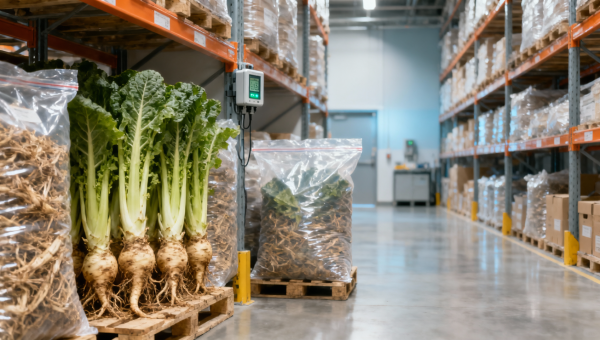
For buyers and quality teams handling chicory root fiber bulk, storage conditions can quietly determine product value, compliance, and usability. From moisture pickup and caking to contamination and shelf-life loss, understanding these risks is essential for safe procurement and stable downstream applications. This article outlines the key storage hazards, control points, and sourcing considerations that matter to distributors, processors, and industrial decision-makers.
In industrial supply chains, chicory root fiber is often purchased in multi-bag lots, palletized unit loads, or container-scale volumes for food processing, nutraceutical blending, premix production, and ingredient distribution. While the material is generally stable under proper conditions, bulk storage failures can trigger quality drift long before visible defects appear. That creates direct commercial risk for procurement teams, QC personnel, and project managers responsible for yield, consistency, and regulatory documentation.
A practical storage strategy must therefore connect warehouse controls, packaging integrity, receiving inspection, rotation discipline, and supplier communication. The issue is not simply where the material is placed, but how temperature, humidity, handling frequency, stack pressure, dwell time, and traceability are managed over periods ranging from 30 days to 12 months.
Why bulk chicory root fiber is vulnerable during storage
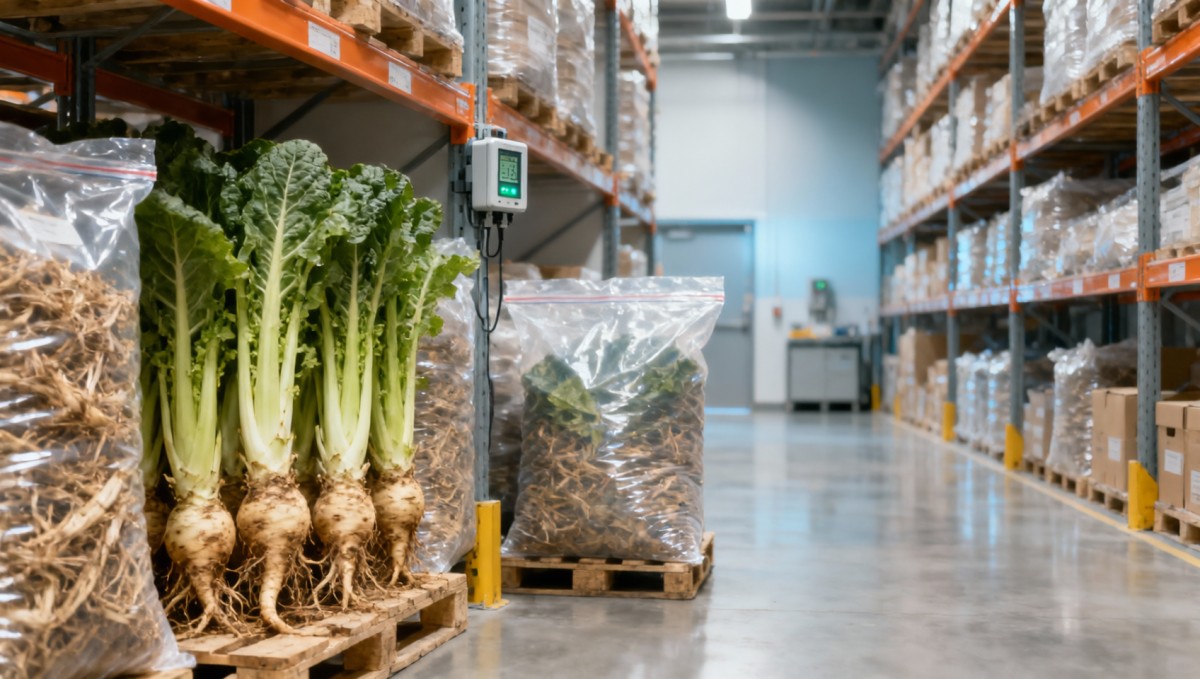
Chicory root fiber, including inulin-rich and oligofructose-containing grades, is hygroscopic to varying degrees. In simple terms, it can absorb moisture from surrounding air if packaging barriers are weak or storage humidity is not controlled. In a warehouse running above 60% relative humidity for prolonged periods, the probability of caking, clumping, and flow problems rises significantly, especially for fine powder grades and partially opened bags.
Bulk handling also amplifies risk because one compromised pallet can affect dozens of bags at once. If a 500 kg to 1,000 kg lot is stored close to loading doors, exterior walls, or unconditioned areas, short-term condensation cycles can occur when ambient temperature swings by 8°C to 12°C between day and night. That is often enough to create localized moisture migration inside secondary packaging.
Another vulnerability lies in the way chicory root fiber is used downstream. Processors expect predictable dispersibility, particle flow, blending performance, and label compliance. Even when contamination is not severe enough to reject a lot outright, storage-related quality changes may still reduce line efficiency, increase sieving time, or alter batching precision. For finance approvers and operations managers, that means storage quality is tied directly to rework cost and production uptime.
The following risk profile shows why storage should be treated as a controlled process rather than a passive warehouse function.
The main lesson is that storage risk is multi-factorial. Temperature alone rarely explains quality drift. The more common pattern is a combination of 3 to 5 small failures: damaged packaging, high humidity, delayed rotation, poor segregation, and limited inspection frequency.
Key exposure points in the warehouse
Most incidents occur at predictable points in the handling cycle rather than in deep storage. Receiving docks, repacking stations, partial-use inventory areas, and mixed-commodity pallet zones deserve the highest attention. If inspections are done only at receipt and shipment, a problem may remain hidden for 4 to 10 weeks.
- Inbound unloading during rain or high humidity exposure longer than 20 to 30 minutes.
- Forklift damage to outer bags, liners, or pallet stretch film.
- Open-bag reuse without immediate resealing and date marking.
- Storage near walls with poor airflow or near steam, washdown, or chemical handling areas.
The most important storage control points for quality and compliance
For most commercial operations, chicory root fiber bulk should be stored in a cool, dry, odor-controlled area with stable temperature and relative humidity. A practical target used by many ingredient handlers is 15°C to 25°C with RH below 50% to 55%. The exact limit may vary by grade and packaging system, but once conditions drift outside these bands for repeated cycles, the chance of caking and pack deterioration rises.
Packaging integrity is equally important. Multiwall paper bags with inner liners, foil-laminate bags, or sealed bulk sacks each perform differently. Procurement teams should not evaluate price alone. A lower-cost package can become more expensive if it increases repack labor, spoilage, or claims frequency across a 6-month storage period.
Stock rotation needs a defined rule. FIFO is often acceptable, but FEFO is better when lots have different production dates, transit times, or exposure histories. For facilities receiving ocean freight, the effective remaining shelf-life on arrival may already be 1 to 3 months shorter than the nominal supplier statement, depending on route duration and container conditions.
QC and safety teams should also formalize hold-and-release criteria. A visual pass is not enough for bulk ingredient control. At minimum, there should be checks for packaging condition, lot identity, odor, evidence of moisture, and storage record completion before release to production or redistribution.
Recommended control ranges
The table below summarizes widely used operational targets for warehousing, inspection, and handling. These values are not a substitute for supplier specifications, but they provide a practical baseline for industrial storage planning.
What matters most is consistency. A warehouse that holds 22°C and 48% RH steadily is generally safer than one that averages similar values but swings sharply over 24-hour cycles. Project leaders planning new storage areas should prioritize monitoring visibility, alarm thresholds, and documented corrective action.
Minimum handling rules for opened units
- Reseal immediately after partial use, ideally within the same shift.
- Record opening date, operator, and remaining quantity on each unit.
- Transfer to clean, food-compatible sealed containers if original closure is compromised.
- Set a shorter internal use window, often 7 to 30 days depending on site conditions.
These rules are simple, but they prevent a large share of avoidable losses in blending rooms and repack operations where open inventory is frequently overlooked.
Procurement and supplier checks that reduce storage failures
Storage performance begins before the material reaches the warehouse. Buyers evaluating chicory root fiber bulk should ask how the product is packed, loaded, and transported, not just what specification appears on the certificate. A technically acceptable powder can still arrive with elevated risk if the shipment used low-barrier packaging, spent 5 to 8 weeks in humid transit, or lacked pallet wrapping suitable for export handling.
Distributors and importers should therefore include storage resilience in supplier qualification. This means reviewing liner type, sealing method, pallet pattern, container loading practice, and labeling quality. If two suppliers offer similar assay and microbiological compliance, the one with better packaging discipline may generate lower total cost over the full inventory cycle.
For finance approvers, this is a risk-adjusted purchasing issue. A unit price difference of 2% to 4% may be justified if it reduces claim exposure, product loss, and urgent replenishment costs. In fast-moving ingredient portfolios, even one rejected container can disrupt 2 to 3 downstream production schedules and create avoidable working capital pressure.
The checklist below helps procurement teams compare suppliers on factors that materially affect storage outcomes.
A strong procurement process should also distinguish between domestic storage risk and international logistics risk. Ocean shipments in tropical lanes, for example, may require more conservative receiving inspection than short-haul domestic deliveries. The same product may need different acceptance rules depending on lead time, season, and packaging format.
Questions buyers should ask before placing an order
- What is the standard pack size: 20 kg, 25 kg, or bulk bag, and what barrier layer is used?
- What remaining shelf-life is guaranteed at shipment and at destination?
- Are there specific limits for temperature and humidity during storage and transit?
- What evidence is available for pallet stability and bag integrity after export handling?
- How are damaged or partially wet units segregated and documented if found at receipt?
These questions help convert a commodity-style purchase into a controlled ingredient decision, which is especially important for distributors managing mixed inventory across multiple customer accounts.
Implementation steps for warehouses, operators, and project managers
A workable storage program for chicory root fiber bulk does not require excessive complexity, but it does require ownership. The most effective systems assign clear responsibility across 4 functions: receiving, warehousing, quality, and inventory control. Without role clarity, corrective actions are often delayed until a customer complaint or internal batch deviation appears.
For operating sites handling more than 10 to 20 pallets per month, a basic documented workflow is worthwhile. It should define acceptance checks, environmental monitoring frequency, quarantine triggers, and escalation rules. Even a short 1-page SOP can reduce variation if it includes measurable thresholds and named accountability.
Engineering and project teams planning storage upgrades should also look at airflow, data logging, floor condition, pest control zoning, and forklift traffic routes. A low-cost change such as relocating ingredient storage away from external shutters or adding humidity alarms can prevent repeat losses over a 12-month cycle.
The implementation sequence below is practical for both existing warehouses and newly commissioned ingredient rooms.
Five-step control workflow
- Inspect inbound pallets for tears, wet marks, odor exposure, and lot label consistency before put-away.
- Record storage area temperature and RH at a defined frequency, commonly once per shift or once per day.
- Segregate opened, damaged, or short-dated units from full-release stock using visible status controls.
- Run periodic condition checks every 2–4 weeks, including pallet base inspection and selected bag palpation for caking.
- Apply FEFO release and document any exception handling, repacking, or disposal decision.
Common mistakes to avoid
- Treating all powder ingredients as equally stable and storing them under generic dry-goods rules.
- Stacking pallets too tightly, leaving no inspection aisle or wall clearance.
- Ignoring partial bags for more than 1 production cycle.
- Relying on monthly warehouse averages instead of reviewing short-term humidity spikes.
- Accepting damaged outer packaging because the COA appears compliant.
In practice, most quality incidents come from routine discipline gaps rather than extraordinary failures. That is why training for operators and supervisors matters. A 30-minute refresher on bag handling, resealing, and segregation can produce a disproportionate reduction in avoidable waste.
FAQ: practical decisions on shelf life, opened bags, and redistribution
The final question for many B2B users is not whether storage matters, but how to make fast, defensible decisions when stock conditions are less than ideal. The answers below address recurring points raised by buyers, distributors, and quality teams.
How long can bulk chicory root fiber typically be stored?
Commercial shelf-life commonly falls in the 12- to 24-month range when the material remains sealed in original packaging and is held under recommended dry conditions. However, the usable window should be judged from manufacture date, not purchase date. If import transit takes 6 to 10 weeks, internal planning should reflect that lost time immediately.
Can slightly caked product still be used?
Not automatically. Light compaction from stack pressure may be manageable in some processes, but moisture-related caking requires closer review. QC should consider odor, appearance, flow behavior, packaging history, and any applicable internal test protocol before release. If the lot is intended for sensitive blends or customer redistribution, caution should be higher.
What should be done with opened bags?
Opened units should be resealed the same day, relabeled, and moved into a defined short-use category. Many sites apply an internal consumption target of 7 to 30 days for opened material, depending on humidity exposure and packaging condition. If the original bag can no longer provide an effective barrier, transfer to a sealed compatible container is usually the safer choice.
What are the most important receiving checks for distributors?
At minimum, confirm lot identity, count bags or units, inspect for wetness and punctures, verify manufacture or expiry dating, and check for odor contamination from nearby cargo. For container arrivals, it is also useful to review condensation signs, pallet condition, and the state of stretch wrap before the goods are released into general stock.
When should a lot be escalated for quality review?
Escalation is advisable when there is visible moisture damage, unusual odor, repeated bag failures across a pallet, missing traceability labels, or environmental deviation beyond site limits for more than 24 to 48 hours. A prompt review protects not only product quality, but also customer confidence and audit readiness.
Bulk chicory root fiber storage is a manageable risk when buyers, warehouse teams, and quality personnel treat it as part of the supply chain specification rather than an afterthought. The highest-value controls are straightforward: maintain stable dry conditions, verify packaging performance, inspect regularly, separate exceptions quickly, and buy from suppliers that understand storage resilience as well as product specification.
For distributors, processors, and institutional buyers, these steps support better shelf-life use, fewer claims, and more reliable downstream processing. If you are reviewing chicory root fiber bulk sourcing, warehouse controls, or supplier comparison criteria, contact AgriChem Chronicle to explore deeper market intelligence, technical publishing opportunities, or tailored procurement insights for your ingredient portfolio.
Related Intelligence
- Botanical ExtractsANVISA Extends Traceability for Botanical Extract Imports to Tier-2 SuppliersANVISA extends botanical extract traceability to tier-2 suppliers—key for Chinese exporters of herbal ingredients, supplements & cosmetics. Act now for July 2026 compliance.
- Botanical ExtractsANVISA Extends Traceability for Botanical Extracts to Tier-2 SuppliersANVISA extends botanical extract traceability to tier-2 suppliers—solvents, filter aids, adsorption media—effective Sept 1, 2026. Essential for exporters & supplement brands.
- Botanical ExtractsEU CBAM Carbon Tariff First Applies to Botanical ExtractsEU CBAM Carbon Tariff now covers Botanical Extracts—key for exporters, importers & LCA providers. Act now to ensure compliance by 24 April 2026.
The Morning Broadsheet
Daily chemical briefings, market shifts, and peer-reviewed summaries delivered to your terminal.
