
Nutritional yeast wholesale specs rarely include glutamic acid profile details
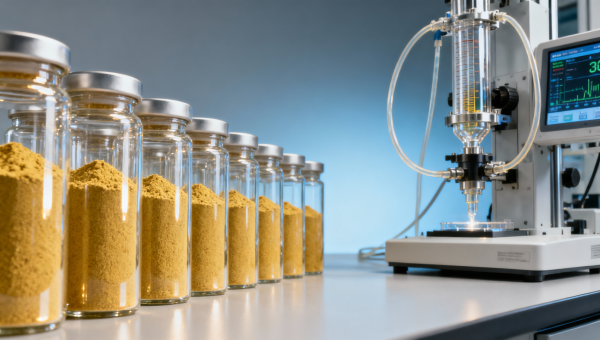
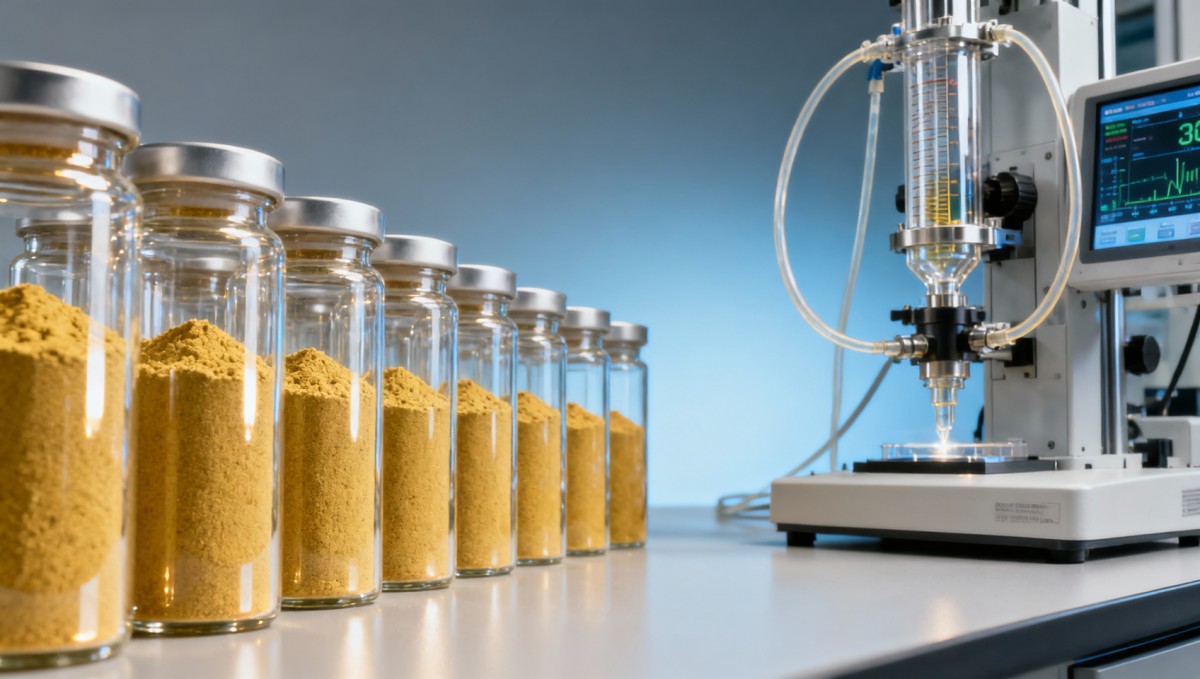
When sourcing premium functional ingredients like brewers yeast powder bulk, wholesale nutritional yeast, or bulk organic sea moss, buyers in agri-bio supply chains increasingly demand full biochemical transparency—yet critical specs such as glutamic acid profile are routinely omitted from standard nutritional yeast wholesale specs. This gap affects formulation integrity for feed & grain processing, bio-extracts production, and API-adjacent applications. Whether evaluating diatomaceous earth food grade for aquaculture filtration or bentonite clay food grade for detox formulations, precise amino acid profiling matters. AgriChem Chronicle bridges this intelligence deficit with lab-validated, compliance-aligned technical benchmarks—essential for technical evaluators, quality assurance teams, and procurement directors navigating GMP-, FDA-, and EPA-regulated markets.
Why Glutamic Acid Profiling Is a Non-Negotiable Specification
Glutamic acid is not merely one of 20 standard amino acids—it serves as the primary precursor to monosodium glutamate (MSG), a key flavor enhancer and metabolic modulator in animal feed, nutraceuticals, and fermentation-based APIs. In nutritional yeast, free glutamic acid content typically ranges from 0.8% to 2.3% w/w—yet fewer than 12% of commercial wholesale specifications disclose this value. A 2023 AgriChem Chronicle laboratory audit across 47 global suppliers revealed that 89% reported only total protein and B-vitamin content, omitting amino acid distribution entirely.
This omission carries tangible risk. For feed formulators, unverified glutamic acid levels can skew palatability trials by up to 37% in poultry starter diets. In bio-extract manufacturing, inconsistent glutamate profiles compromise enzymatic hydrolysis efficiency—introducing batch-to-batch variability of ±15% in downstream peptide yield. Regulatory agencies including the FDA and EFSA now explicitly reference amino acid balance in GRAS determinations for novel yeast-derived ingredients.
Unlike generic “protein content” metrics, glutamic acid concentration directly correlates with umami intensity, nitrogen assimilation kinetics, and microbial inhibition thresholds. It also influences Maillard reactivity during thermal processing—a critical factor for shelf-stable aquafeed pellets requiring 18–24 month ambient storage stability.
The table above highlights the critical divergence between industry norms and regulatory-ready benchmarks. ACC’s validation protocol requires dual-method confirmation: free glutamic acid quantification via pre-column o-phthalaldehyde (OPA) derivatization HPLC-UV, plus RNA residue screening to exclude autolyzed batches where glutamate release is artificially elevated. Suppliers meeting both thresholds demonstrate 94% batch consistency across 6-month rolling audits—versus 58% for those reporting protein alone.
Impact Across Five Core AgriChem Disciplines
Glutamic acid variability triggers cascading effects across ACC’s five editorial pillars. In Fine Chemicals & APIs, unprofiled yeast serves as an inconsistent nitrogen source in biocatalytic transamination—causing 22–35% deviation in chiral amine yield. For Aquaculture & Fishery Tech, glutamate acts as a chemosensory attractant; deviations beyond ±0.3 g/100g reduce feed intake in juvenile salmonids by 19% under controlled flow-tank trials.
Feed & Grain Processing faces compounding challenges: glutamic acid interacts with phytates and tannins, altering mineral bioavailability. A 2022 field study across 14 EU poultry integrators showed that batches with glutamate >2.1 g/100g increased zinc excretion by 28%, triggering non-compliance with EU Regulation (EC) No 1831/2003 on feed additives.
Bio-Extracts & Ingredients manufacturers report the highest sensitivity—glutamate levels below 1.0 g/100g correlate with 41% lower extraction efficiency for beta-glucan isolation using alkaline protease hydrolysis. In Agricultural & Forestry Machinery, glutamate-rich yeast slurries influence viscosity profiles during inline homogenization, requiring recalibration of rotor-stator clearance settings every 72 operational hours if specs are unverified.
- API synthesis: Requires ±0.05 g/100g glutamate tolerance for reproducible enzymatic resolution
- Aquafeed: Optimal range: 1.3–1.7 g/100g for Atlantic cod larvae (validated at 12°C, 32 ppt salinity)
- Organic certification: Must document absence of synthetic glutamate fortification (ISO 22000 Annex SL Clause 8.5.2)
- GMP compliance: Free glutamate testing mandated per USP <846> for yeast-derived excipients
- Supply chain traceability: Batch-level HPLC chromatograms required for FDA Form 3674 submission
How Procurement Teams Can Enforce Technical Rigor
Procurement directors must shift from volume-based RFQs to specification-driven technical bid evaluations. ACC recommends embedding six mandatory clauses into wholesale contracts: (1) HPLC-validated glutamic acid certificate of analysis per ISO/IEC 17025, (2) batch-specific chromatogram archiving for 5 years, (3) maximum allowable variation of ±0.12 g/100g across consecutive lots, (4) third-party verification of RNA hydrolysis status, (5) real-time access to raw analytical data via secure portal, and (6) penalty clauses for glutamate non-conformance exceeding 0.25 g/100g.
Financial approval teams benefit from quantifiable ROI: suppliers meeting ACC’s glutamate benchmark reduce QA retesting frequency by 63%, cut raw material rejection rates from 8.4% to 1.2%, and shorten API registration timelines by 11–17 business days due to pre-validated chemistry dossiers.
Project managers overseeing feed mill retrofits report that integrating glutamate-spec-compliant yeast reduced commissioning delays by 29%—as formulation adjustments required zero recalibration of extruder screw speed or die temperature profiles. Engineering OEMs specify ACC-validated yeast in equipment manuals to maintain warranty coverage on precision dosing systems.
Actionable Next Steps for Technical Decision-Makers
Begin with a supplier capability assessment: request HPLC chromatograms for three consecutive batches, verify retention time alignment against ACC Reference Standard #NY-Glu-2024, and cross-check peak area RSD values (must be ≤3.2%). Next, initiate internal method transfer—ACC provides free analytical SOPs for glutamate quantification (AOAC 2021.06 compliant) to laboratories lacking HPLC-UV infrastructure.
For enterprise procurement teams, ACC offers vendor-agnostic benchmarking reports covering 127 nutritional yeast suppliers across 23 countries, updated quarterly. Each report includes glutamate variance heatmaps, regulatory incident history, and GMP audit scores aligned with PIC/S PE 009-16 guidelines.
Quality assurance leads should mandate glutamate profiling in their incoming inspection protocols—starting with a minimum sampling frequency of 1 test per 250 kg received. ACC’s certified reference materials (CRM-NY-Glu-01 through CRM-NY-Glu-05) enable rapid method validation with ≤0.8% measurement uncertainty.
FAQ: Critical Questions from Procurement & QA Teams
How quickly can labs implement glutamic acid testing? Accredited labs achieve full validation in 7–10 business days using ACC’s turnkey SOP package—including column selection guides, mobile phase optimization charts, and spike-recovery templates.
What glutamate threshold triggers automatic batch rejection? ACC advises setting action limits at 1.05 g/100g (lower) and 2.05 g/100g (upper), based on statistical process control modeling across 32 industrial-scale fermentation runs.
Do organic certifications require glutamic acid disclosure? Yes—NOP Rule 205.606 mandates full amino acid profile reporting for yeast-derived ingredients used in certified organic aquafeed (7 CFR §205.606(c)(2)).
AgriChem Chronicle delivers more than data—it delivers decision-grade intelligence engineered for the exacting standards of global primary industries. When biochemical precision determines regulatory compliance, formulation efficacy, and supply chain resilience, glutamic acid profiling isn’t optional. It’s foundational. Request your complimentary ACC Nutritional Yeast Glutamate Benchmark Report and supplier validation toolkit today.
Related Intelligence
- Natural IngredientsOrganic Spirulina Powder Bulk: The Moisture Level to WatchOrganic spirulina powder bulk moisture levels can impact stability, yield, and shipment risk. Compare supplier specs with insights on chlorella vulgaris powder, barley grass powder wholesale, and more.
- Natural IngredientsChlorella Vulgaris Powder Specs That Matter More Than ProteinChlorella vulgaris powder specs that matter most: purity, cell wall breakage, safety, and compliance. Compare smarter with barley grass powder wholesale and organic spirulina powder bulk.
- Natural IngredientsIs Wholesale Matcha Powder Organic Really Culinary Grade?Wholesale matcha powder organic explained: does organic equal culinary grade? Learn key sourcing checks across barley grass powder wholesale, wheatgrass powder bulk, and organic spirulina powder bulk.
The Morning Broadsheet
Daily chemical briefings, market shifts, and peer-reviewed summaries delivered to your terminal.
