
Malaysian Palm Oil Futures Rise 0.5% as Indonesia's B50 Policy Drives Up Global Vegetable Oil Costs

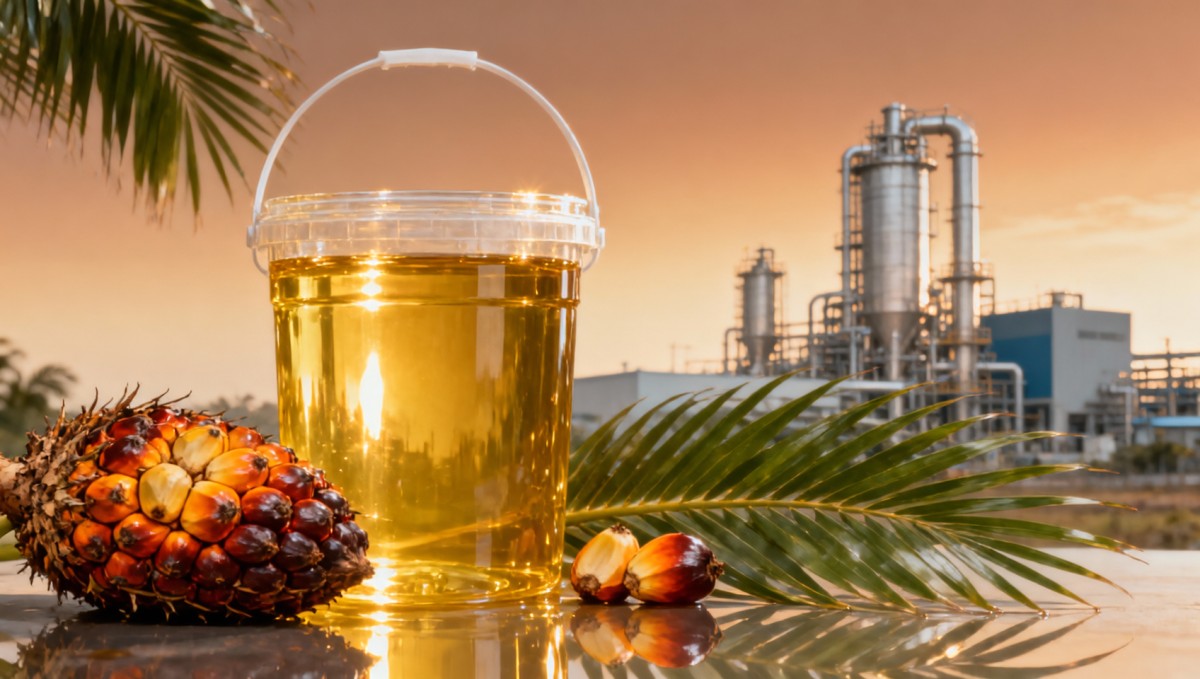
On April 2, 2026, Malaysian BMD crude palm oil futures rose 0.5%, with the benchmark contract reaching 4,794 ringgit per ton. The increase is attributed to Indonesia's B50 biodiesel mandate and potential export tax hikes, which are tightening global vegetable oil supply chains. Food industries reliant on edible oils—such as baking, frying, and margarine production—should monitor cost pressures and sourcing shifts, particularly as China pivots to sunflower and rapeseed oil imports amid palm oil price volatility.
Event Overview
On April 2, 2026, Malaysia's BMD crude palm oil futures gained 0.5%, driven by Indonesia's B50 biodiesel policy (requiring 50% palm oil blending) and speculation about higher export taxes. Concurrently, China's inverted soybean-palm oil price spread has reduced palm oil imports, prompting increased purchases of sunflower and rapeseed oils. These developments signal rising costs for global vegetable oil-dependent sectors.
Impacted Industries
1. Food Manufacturing
Baking, snack production, and margarine manufacturers face higher input costs. Palm oil's price surge may force formula adjustments or cost-pass-through strategies, especially for price-sensitive products.
2. Edible Oil Traders
Importers and distributors must navigate volatile pricing and supply shifts. China's pivot to alternative oils suggests traders should diversify sourcing to mitigate risks.
3. Biofuel Producers
Indonesia's B50 policy reinforces palm oil demand for energy use, potentially diverting supplies from food sectors and exacerbating price competition.
Key Considerations for Businesses
1. Monitor Policy Developments
Track updates on Indonesia's export taxes and Malaysia's production forecasts. Policy shifts could further strain supplies.
2. Diversify Procurement
Explore contracts for sunflower, rapeseed, or soybean oils to balance cost volatility. Locking in mid-term supplies may hedge against short-term spikes.
3. Assess Pricing Strategies
Food brands should evaluate passing costs to consumers or reformulating products, considering market tolerance for price hikes.
Industry Perspective
Analysis suggests this price rally reflects structural tensions in vegetable oil markets. While Indonesia's B50 policy is a long-term demand driver, China's import shifts highlight immediate supply-chain adaptability. Businesses should treat this as both a signal of sustained cost pressures and a prompt to reassess sourcing agility.
Conclusion
The palm oil market's volatility underscores the interconnectedness of food and energy policies. For now, industries should prioritize supply-chain flexibility and stay attuned to Southeast Asia's regulatory moves, which will shape global edible oil economics in 2026.
Sources
- BMD Malaysia futures data (April 2, 2026)
- Indonesian biodiesel policy directives
- Chinese customs import trends (Q1 2026)
Related Intelligence
- Natural IngredientsIndonesia BPOM Tightens Natural Ingredients Import RulesIndonesia BPOM tightens natural ingredients import rules: MRA-accredited lab reports for heavy metals, pesticides & mycotoxins now mandatory from May 1, 2026 — act now to avoid shipment delays.
- Natural IngredientsOrganic Spirulina Powder Bulk: The Moisture Level to WatchOrganic spirulina powder bulk moisture levels can impact stability, yield, and shipment risk. Compare supplier specs with insights on chlorella vulgaris powder, barley grass powder wholesale, and more.
- Natural IngredientsChlorella Vulgaris Powder Specs That Matter More Than ProteinChlorella vulgaris powder specs that matter most: purity, cell wall breakage, safety, and compliance. Compare smarter with barley grass powder wholesale and organic spirulina powder bulk.
The Morning Broadsheet
Daily chemical briefings, market shifts, and peer-reviewed summaries delivered to your terminal.
