
EU ISCC New Draft Takes Effect April 5: Chemical & Natural Ingredient Exports Must Trace Farm-Level Carbon Data
EU ISCC New Draft Takes Effect April 5: Chemical & Natural Ingredient Exports Must Trace Farm-Level Carbon Data
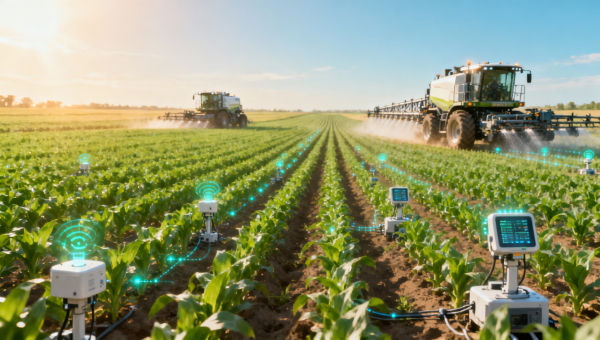
The International Sustainability and Carbon Certification (ISCC) has released a mandatory new draft requiring carbon footprint data for plant-based food additives, natural flavors, and botanical extracts to be traced back to the farm level, including fertilizer use, irrigation energy consumption, and land-use changes. Effective April 5, 2026, this regulation will significantly impact supply chains involving Southeast Asian and South American raw material suppliers and Chinese processors, who must upgrade systems by Q3 2026.
Event Overview
The ISCC's updated certification draft, effective April 5, 2026, mandates full traceability of carbon emissions for plant-derived ingredients, covering cultivation practices such as fertilizer application and land-use changes. Exporters, particularly from China, must comply by Q3 2026. The rule aims to standardize sustainability reporting but raises operational challenges for cross-border supply chains.
Impacted Sub-Sectors
1. Direct Exporters of Plant-Based Ingredients
Companies shipping food additives, natural flavors, or botanical extracts to the EU must now provide farm-level carbon data. This increases documentation burdens and may delay shipments during the transition period.
2. Raw Material Procurement Teams
Buyers sourcing from Southeast Asia or South America will need verified sustainability records from growers, potentially limiting supplier options and increasing costs.
3. Processing Manufacturers in China
Chinese factories blending or refining imported botanicals face dual pressures: upgrading traceability systems while ensuring upstream suppliers meet ISCC standards.
Key Action Points for Businesses
1. Prioritize High-Volume EU Exports
Focus compliance efforts on top-selling products like citrus extracts or vanilla flavors, where EU buyers will likely enforce rules first.
2. Audit Supplier Readiness
Conduct gap analyses with farms and cooperatives to assess their ability to track required data points (e.g., diesel consumption per hectare).
3. Explore Pre-Certified Supply Channels
Short-term solutions may involve switching to ISCC-certified intermediate suppliers, though this could raise input costs by 8-12% based on current premiums.
Industry Perspective
Analysis shows this move accelerates the EU's Farm-to-Fork strategy but creates asymmetrical burdens. While large agribusinesses can absorb compliance costs, smallholder farmers supplying niche ingredients (e.g., rare herbal extracts) may face exclusion. Current indications suggest the regulation will tighten further by 2028 to include social sustainability metrics.
Conclusion
The ISCC update signals the EU's hardening stance on supply chain transparency. For now, affected businesses should treat this as an operational compliance deadline rather than a strategic pivot, while monitoring potential knock-on effects in non-EU markets adopting similar standards.
Sources
- ISCC Official Release (April 5, 2026)
- Pending: EU Commission's implementation guidelines (expected Q2 2026)
Related Intelligence
- Botanical ExtractsANVISA Expands Botanical Extracts Screening in BrazilANVISA expands botanical extracts screening in Brazil: New pesticide & heavy metal testing required for guava leaf, açaí, guaraná, and more — act now to ensure compliance and avoid shipment rejections.
- Botanical ExtractsEU Annex 1 (2026) Requires Sterility Process Validation for Botanical ExtractsEU Annex 1 (2026) mandates sterility process validation for botanical extracts — learn how to comply, avoid shipment rejection, and secure EU market access.
- Botanical ExtractsFDA Issues Import Alert for Botanical Extracts: GMP + Full-Profile Certification RequiredFDA now requires GMP + full-profile certification for all botanical extract imports—act before July 2026 to avoid automatic detention & supply chain delays.
The Morning Broadsheet
Daily chemical briefings, market shifts, and peer-reviewed summaries delivered to your terminal.
