
EU Annex 1 (2026) Requires Sterility Process Validation for Botanical Extracts
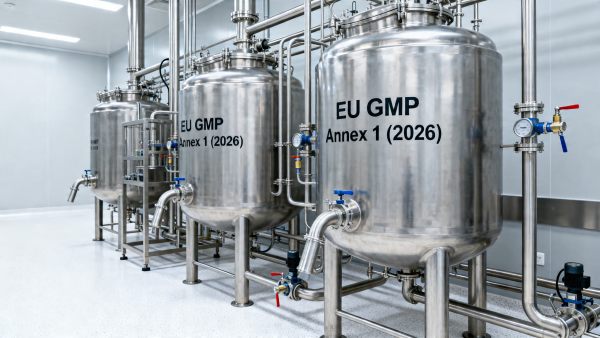
On 18 April 2026, the European Medicines Agency (EMA) officially implemented the revised GMP Annex 1 (2026 Edition), introducing a new regulatory requirement for botanical extracts imported into the EU — specifically mandating third-party-validated sterility process control documentation. This development directly affects suppliers in China and other exporting countries supplying to EU-based dietary supplement and traditional herbal medicine manufacturers.
Event Overview
The European Medicines Agency (EMA) published and enforced the updated GMP Annex 1 (2026 Revision) on 18 April 2026. For the first time, botanical extracts are explicitly classified under the category of ‘non-sterile but high-risk active substances’. All such extracts intended for use in dietary supplements and traditional herbal medicinal products imported into the EU must now be accompanied by third-party-verified sterility process control files — including three mandatory reports: microbial load, endotoxin levels, and bioburden reduction rate.
Which Subsectors Are Affected
Direct Trading Enterprises
Export-oriented trading companies handling botanical extract shipments to the EU face immediate compliance pressure. Since the requirement applies at point of import, customs clearance and market access now depend on verified documentation — not just product specifications or COA. Non-compliant consignments risk rejection or detention.
Raw Material Procurement Enterprises
EU-based formulators and brand owners sourcing botanical extracts must now reassess supplier qualification criteria. Pre-2026 vendor audits typically focused on GMP compliance and identity/potency testing; post-2026, verification of validated sterilisation processes (e.g., steam sterilisation, filtration, irradiation) becomes mandatory — shifting procurement due diligence upstream.
Processing & Manufacturing Enterprises
Contract manufacturers and toll processors using botanical extracts as input materials must update their incoming material specifications and quality agreements. Their batch release procedures now require review of the three-tier validation report — meaning internal QA systems need documented SOPs for evaluating third-party sterility process data.
Supply Chain Service Providers
Logistics providers, regulatory consultants, and testing laboratories supporting botanical extract trade must adapt service offerings. For example, labs accredited under ISO/IEC 17025 may need to expand scope to include bioburden reduction rate assessment; consultants may need to verify whether sterilisation validation studies meet Annex 1’s newly defined parameters.
What Relevant Enterprises or Practitioners Should Focus On — And How to Respond
Monitor official EMA guidance updates and Q&A documents
The current Annex 1 text states the requirement but does not yet specify acceptable validation methodologies or minimum bioburden reduction thresholds. From industry perspective, this gap means that formal EMA Q&A documents or CHMP notes — expected in late 2026 — will define practical implementation boundaries.
Prioritise high-volume, high-risk botanical categories for readiness assessment
Analysis来看, extracts with historically higher microbial loads — such as those derived from roots, barks, or fermented plant materials — are more likely to trigger scrutiny. Enterprises should identify top 5–10 export SKUs by volume/value and assess whether existing sterilisation steps (if any) were formally validated per Annex 1’s new expectations.
Distinguish between regulatory signal and operational enforcement timelines
Although the Annex entered into force on 18 April 2026, observation suggests national competent authorities (e.g., Dutch IGJ, German PEI) may apply phased oversight — initially targeting new marketing authorisations or repeat non-compliance cases. Current more appropriate understanding is that the rule is legally effective but enforcement intensity remains variable across member states.
Initiate cross-functional alignment on documentation workflows
Suppliers must prepare to provide traceable, auditable sterilisation validation dossiers — not just certificates. Procurement, QA, and regulatory teams should jointly map current documentation gaps (e.g., lack of process description, absence of challenge study data) and align on format requirements before next shipment cycle.
Editorial Perspective / Industry Observation
This revision is better understood as a structural signal than an isolated compliance update. From industry angle, it reflects a broader shift in EU regulatory philosophy: extending sterile-product-grade process accountability to certain non-sterile high-risk actives — particularly where patient exposure is systemic or prolonged (e.g., oral herbal medicines taken daily over months). It does not yet constitute full sterile-product regulation (e.g., no Grade A environment mandate), but it elevates process validation from optional best practice to mandatory condition of market access. Continued monitoring is warranted because subsequent EMA technical notes — especially on validation acceptability criteria — will determine real-world feasibility for global suppliers.
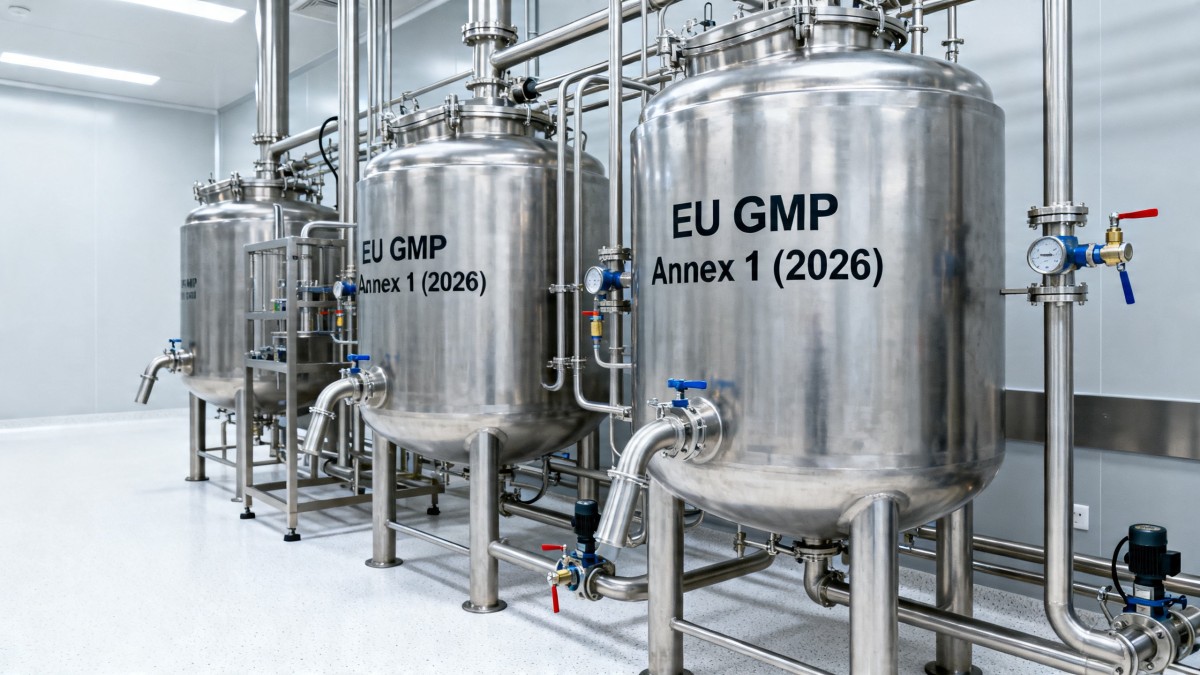
In summary, the 2026 Annex 1 revision introduces a binding, documentation-driven requirement for botanical extract imports into the EU — one that redefines quality assurance expectations across the supply chain. It is neither transitional nor advisory: it is enforceable law. However, its operational impact depends heavily on how national authorities interpret and implement the new clause — making proactive alignment with notified bodies and local regulators more valuable than reactive compliance alone.
Source: European Medicines Agency (EMA), Annex 1 to the EU Guidelines on Good Manufacturing Practice — Manufacture of Sterile Medicinal Products (2026 Revision), effective 18 April 2026.
Note: Further technical clarifications from EMA’s Committee for Medicinal Products for Human Use (CHMP) are pending and remain under observation.
Related Intelligence
- Botanical ExtractsANVISA Expands Botanical Extracts Screening in BrazilANVISA expands botanical extracts screening in Brazil: New pesticide & heavy metal testing required for guava leaf, açaí, guaraná, and more — act now to ensure compliance and avoid shipment rejections.
- Botanical ExtractsEU Annex 1 (2026) Requires Sterility Process Validation for Botanical ExtractsEU Annex 1 (2026) mandates sterility process validation for botanical extracts — learn how to comply, avoid shipment rejection, and secure EU market access.
- Botanical ExtractsFDA Issues Import Alert for Botanical Extracts: GMP + Full-Profile Certification RequiredFDA now requires GMP + full-profile certification for all botanical extract imports—act before July 2026 to avoid automatic detention & supply chain delays.
The Morning Broadsheet
Daily chemical briefings, market shifts, and peer-reviewed summaries delivered to your terminal.
