
ANVISA Expands Botanical Extracts Screening in Brazil
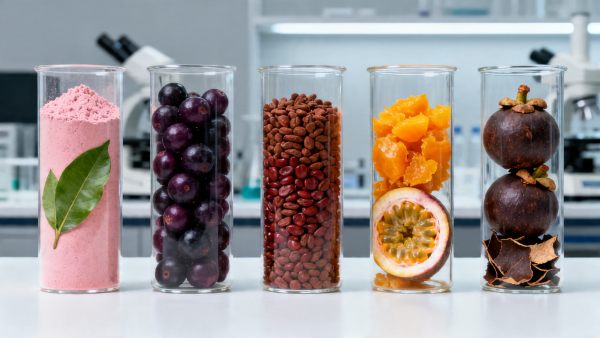
On April 18, 2026, Brazil’s National Health Surveillance Agency (ANVISA) updated its Import Monitoring List for Botanical Extracts, adding mandatory pesticide residue and heavy metal testing requirements for five tropical plant-based raw materials. This regulatory shift directly affects exporters, importers, and formulators supplying dietary supplements, natural cosmetics, functional foods, and herbal pharmaceuticals to the Brazilian market.
Event Overview
On April 18, 2026, ANVISA revised its official Plant Extracts Import Monitoring List. The update mandates pre-clearance screening for five additional botanical raw materials: guava leaf, passion fruit pulp, açaí berry, guaraná seed, and Amazonian Garcinia cambogia (commonly known as Malabar tamarind). All imported botanical extracts containing these ingredients must be accompanied by analytical reports issued exclusively by ANVISA-authorized laboratories — verifying compliance with specified limits for pesticide residues and heavy metals. Shipments lacking such reports will be rejected and subject to return.
Industries Affected
Direct Exporters & Importers of Botanical Extracts
These entities face immediate operational impact: customs clearance now requires submission of ANVISA-specific test reports prior to release. Unlike general conformity assessments, this is a product-category–specific requirement tied to raw material origin and composition — not final product classification.
Raw Material Sourcing & Procurement Firms
Firms sourcing from Latin American or global suppliers must now verify whether their supply chain includes any of the five newly listed botanicals — even as minor components or co-processed ingredients. Traceability documentation must support botanical identity down to species level (e.g., Psidium guajava leaf, not just “guava extract”).
Manufacturers of Dietary Supplements & Natural Cosmetics
Formulators using multi-ingredient blends risk non-compliance if any one component falls under the new list — regardless of concentration or function in the final product. ANVISA’s requirement applies at the extract level, not the finished good; therefore, reformulation or supplier requalification may be needed before shipment.
Distribution & Regulatory Compliance Service Providers
Third-party agents handling Brazilian market entry must now incorporate ANVISA-authorized lab coordination into standard import workflows. This includes scheduling testing timelines (which may extend lead times), validating lab accreditation status, and confirming report format alignment with ANVISA’s current technical specifications.
Key Points for Enterprises & Practitioners to Monitor and Address
Track official implementation guidance and lab authorization updates
ANVISA has not yet published the full list of accredited laboratories authorized to issue these reports, nor has it released detailed methodological specifications (e.g., which pesticides or heavy metals are targeted, LOD/LOQ thresholds). Companies should monitor ANVISA’s official portal (www.gov.br/anvisa) for technical annexes and notices.
Verify inclusion of the five listed botanicals across all extract-based inputs
Even extracts marketed generically (e.g., “tropical antioxidant blend”) may contain one or more of the five listed materials. Ingredient declarations, CoAs, and botanical nomenclature used in supplier documentation must be cross-checked against the exact scientific names and parts specified by ANVISA.
Distinguish between policy announcement and enforcement readiness
The April 18, 2026 date reflects the publication of the updated list — not necessarily the start of enforcement. However, ANVISA typically enforces new monitoring requirements within 30–60 days of publication unless otherwise stated. Businesses should assume effective enforcement begins no later than mid-June 2026.
Adjust procurement timelines and lab engagement protocols now
Testing turnaround times at ANVISA-authorized labs — particularly for niche tropical matrices — may exceed standard schedules. Companies should initiate sample submissions and lab qualification processes immediately, especially for high-volume SKUs or seasonal raw materials (e.g., açaí harvest windows).
Editorial Observation / Industry Perspective
From an industry perspective, this update signals a deliberate tightening of ANVISA’s risk-based surveillance framework — shifting focus toward regionally significant botanicals with documented variability in cultivation practices and environmental exposure profiles. Analysis来看, the selection of five native or widely cultivated tropical species suggests ANVISA is prioritizing materials where local agricultural inputs (e.g., non-registered pesticides, soil contamination) pose higher potential risk than globally standardized herbs. Current更值得关注的是 how this expands beyond traditional ‘high-risk’ categories (e.g., ginseng, echinacea) into geographically embedded supply chains — implying future expansions may follow similar ecological or regional logic rather than solely pharmacological criteria.
It is better understood as both a signal and an operational reality: while the regulatory mechanism (mandatory pre-clearance testing) is already enforceable, the practical implications — including lab capacity, reporting harmonization, and interpretation of ‘presence’ thresholds — remain evolving. Continued observation is warranted as ANVISA issues clarifications or publishes enforcement statistics.
This measure does not introduce new safety standards per se, but significantly raises procedural compliance barriers for botanical trade into Brazil. Its primary effect lies in increasing verification overhead, lead time uncertainty, and documentation specificity — not in altering permissible substance limits.
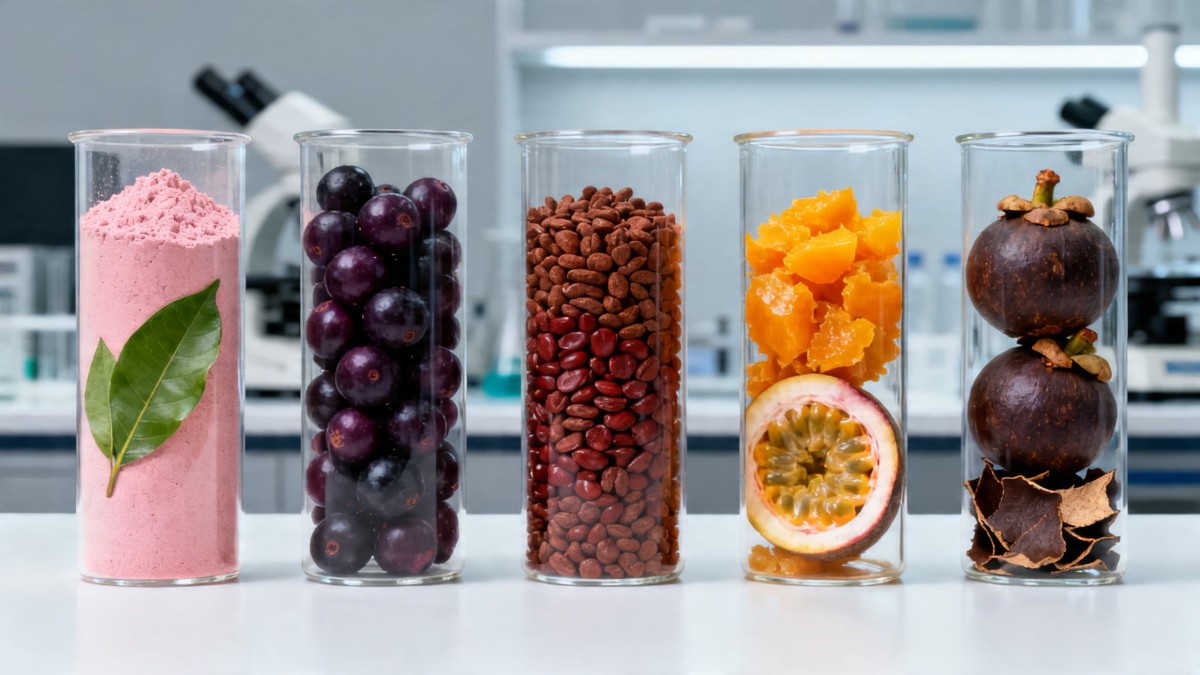
In summary, ANVISA’s April 2026 expansion reflects a targeted, botanically grounded escalation in import controls — one that reshapes due diligence requirements for specific raw materials rather than overhauling broad regulatory frameworks. For stakeholders, the most rational interpretation is not alarm, but recalibration: treating this as a fixed checkpoint in the Brazilian import workflow, requiring advance validation, precise botanical identification, and proactive lab coordination — rather than a temporary or negotiable hurdle.
Source: Official notice published by Agência Nacional de Vigilância Sanitária (ANVISA), Brazil, on April 18, 2026. No supplementary data, enforcement statistics, or laboratory lists have been confirmed as publicly available at time of writing. Ongoing monitoring of ANVISA’s official communications is recommended.
Related Intelligence
- Botanical ExtractsANVISA Expands Botanical Extracts Screening in BrazilANVISA expands botanical extracts screening in Brazil: New pesticide & heavy metal testing required for guava leaf, açaí, guaraná, and more — act now to ensure compliance and avoid shipment rejections.
- Botanical ExtractsEU Annex 1 (2026) Requires Sterility Process Validation for Botanical ExtractsEU Annex 1 (2026) mandates sterility process validation for botanical extracts — learn how to comply, avoid shipment rejection, and secure EU market access.
- Botanical ExtractsFDA Issues Import Alert for Botanical Extracts: GMP + Full-Profile Certification RequiredFDA now requires GMP + full-profile certification for all botanical extract imports—act before July 2026 to avoid automatic detention & supply chain delays.
The Morning Broadsheet
Daily chemical briefings, market shifts, and peer-reviewed summaries delivered to your terminal.
