
Is pine bark extract bulk worth the higher cost?
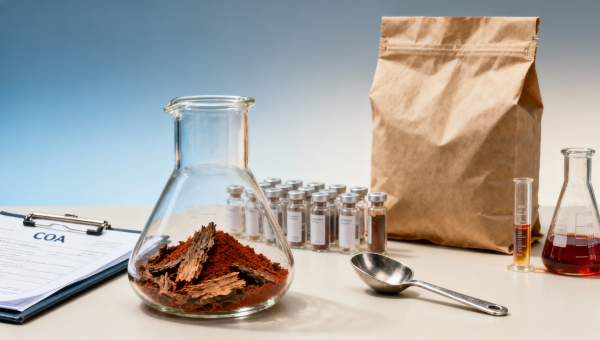
When evaluating pine bark extract bulk for industrial purchasing, the higher upfront price often raises valid questions about potency, traceability, and long-term value. Compared with adjacent botanical ingredients such as grape seed extract opc, green tea extract egcg, and milk thistle extract silymarin, buyers must weigh standardization, compliance, and application performance before deciding whether premium bulk sourcing truly delivers measurable procurement advantages.
In most cases, the short answer is: yes, pine bark extract bulk can be worth the higher cost—but only when the premium is tied to verified active content, cleaner specification control, better documentation, and lower downstream risk. If the added price only reflects branding or vague quality claims, it may not create real procurement value. For procurement teams, formulators, quality managers, and budget approvers, the real issue is not the sticker price alone. It is whether the material performs consistently enough to reduce reformulation, audit exposure, batch rejection, and supply interruptions.
What buyers really need to know before paying more for pine bark extract bulk
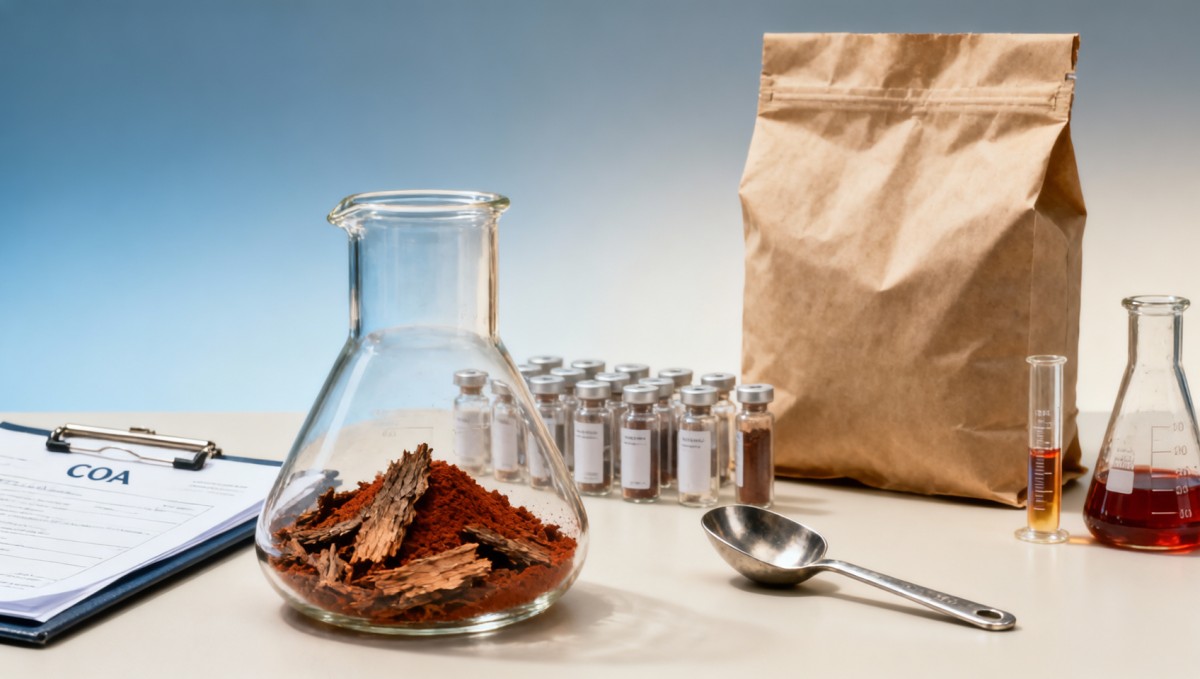
The core search intent behind this topic is highly practical: buyers want to know whether a more expensive bulk pine bark extract delivers enough technical and commercial advantage to justify the premium. They are not just looking for general botanical background. They want a decision framework.
For industrial readers, the most important questions usually include:
- Is the extract standardized to meaningful active markers?
- Will higher-cost material produce better formulation consistency?
- Does the supplier provide traceability, contaminant testing, and regulatory support?
- Can a premium grade reduce total cost of ownership despite a higher purchase price?
- How does pine bark extract compare with adjacent antioxidant extracts in procurement terms?
That means the most useful evaluation should focus on specification quality, application fit, compliance risk, supplier reliability, and long-term cost efficiency. Generic explanations about “natural antioxidants” are far less helpful than concrete buying criteria.
When the higher price is justified
A higher price for pine bark extract bulk is usually justified when the product offers measurable advantages in one or more of the following areas.
1. Stronger standardization and more reliable active content
Not all pine bark extracts are equivalent. Bulk material can vary widely by botanical source, extraction process, solvent system, active concentration, and residual impurity profile. If a supplier can verify tighter standardization—such as consistent proanthocyanidin or polyphenol levels—that directly affects formulation predictability and label accuracy.
For operators and project managers, this matters because inconsistent incoming potency often creates hidden operational costs. A lower-priced extract that varies from batch to batch may lead to dosage adjustments, process deviations, or customer complaints. A more expensive but highly standardized material often improves manufacturing control.
2. Better traceability and audit readiness
For quality control and safety teams, traceability is often where premium products clearly outperform cheaper alternatives. Higher-quality pine bark extract bulk suppliers are more likely to provide:
- full batch traceability to raw material origin
- certificate of analysis with active markers and contaminant data
- microbiological, heavy metal, pesticide, and solvent residue testing
- GMP-aligned documentation or facility quality certifications
- change control and specification consistency records
In regulated or export-oriented markets, documentation quality can be as important as ingredient chemistry. A cheaper lot with incomplete records may create delays in approval, customer qualification, or compliance review. That risk can quickly outweigh the initial savings.
3. Lower downstream quality risk
From a financial approval perspective, the right comparison is not price per kilogram alone. It is usable value per compliant, accepted, and effective batch. Premium pine bark extract bulk may reduce:
- batch rejection risk
- retesting and supplier dispute costs
- formulation instability
- customer return or claim exposure
- procurement disruption from inconsistent supply
When an ingredient sits inside a high-value formulation, poor consistency can become very expensive. In such cases, paying more upfront is often the lower-risk decision.
When the higher price is not worth it
There are also situations where the premium is difficult to justify.
1. The specification is not materially different
If two suppliers offer similar active content, similar contaminant limits, comparable documentation, and equivalent supply reliability, a significantly higher price may simply reflect market positioning rather than real functional value.
2. The application does not require a premium grade
Some end uses are less sensitive to ultra-tight standardization. If the formulation has broad tolerance, low regulatory burden, and limited performance sensitivity, a mid-tier grade may be commercially sufficient. In these cases, overbuying on specification can unnecessarily inflate cost.
3. Supplier claims are not backed by evidence
Words such as “premium,” “high purity,” or “superior antioxidant activity” are not decision-grade procurement criteria. If the supplier cannot support claims with validated test methods, lot history, and stable commercial-scale output, the premium should be viewed cautiously.
How pine bark extract bulk compares with grape seed extract OPC, green tea extract EGCG, and milk thistle extract silymarin
Buyers often assess pine bark extract alongside other plant-derived actives with antioxidant or functional positioning. This comparison matters because procurement teams may have flexibility to substitute or benchmark against adjacent ingredients.
Pine bark extract vs. grape seed extract OPC
Both are commonly evaluated for polyphenol and oligomeric proanthocyanidin value. In purchasing terms, grape seed extract opc may sometimes offer broader market familiarity or price competitiveness, but pine bark extract may command a premium when buyers prioritize source differentiation, specific composition profiles, or supplier consistency. The key is not assuming they are interchangeable without reviewing active profile, sensory impact, application behavior, and labeling requirements.
Pine bark extract vs. green tea extract EGCG
Green tea extract egcg is often selected when catechin-rich positioning is preferred. However, EGCG-focused materials can raise different stability, handling, or regulatory questions depending on use case and market. Pine bark extract bulk may justify a higher cost where the desired profile centers on proanthocyanidins, broader polyphenol positioning, or a more suitable fit for the target formulation.
Pine bark extract vs. milk thistle extract silymarin
Milk thistle extract silymarin serves a different functional identity and is generally evaluated under a different application logic. For buyers comparing all three categories, the decision should come back to intended claim structure, active marker relevance, target market acceptance, and raw material risk. Price alone should never drive a comparison across extracts with different biochemical profiles.
In short, pine bark extract bulk should be evaluated on fitness for purpose, not just on whether it is more expensive than neighboring botanical extracts.
A practical procurement checklist for deciding if premium pine bark extract bulk is worth it
For decision-makers across procurement, quality, operations, and finance, the most useful approach is a structured review. Before accepting a higher quote, ask the supplier these questions:
- What exact active markers are standardized, and what test methods are used?
- What is the acceptable batch-to-batch variance?
- Can the supplier provide recent COAs from multiple lots?
- What are the limits for heavy metals, microbes, residual solvents, and pesticides?
- Is the raw material origin documented and consistent?
- What certifications or GMP-aligned quality systems support production?
- How stable is supply across seasons and contract volumes?
- What technical support is available for qualification, documentation, and troubleshooting?
Then compare vendors using a broader value model:
- Price per kg
- Price per unit of verified active content
- Documentation completeness
- Quality failure risk
- Supply continuity
- Operational impact on formulation and QC workload
This approach helps financial approvers move beyond simple cost comparison and toward total procurement value.
The real answer: look at total value, not headline cost
So, is pine bark extract bulk worth the higher cost? It is worth it when the premium buys consistency, compliance confidence, and lower operational risk. It is not worth it when the price increase is unsupported by better specifications, stronger traceability, or proven application performance.
For industrial buyers, the most reliable decision method is to treat pine bark extract as a technical sourcing category rather than a commodity. A lower-priced lot may appear attractive on paper, but if it increases variability, documentation gaps, or qualification burden, it can become more expensive in practice. By contrast, a well-documented premium extract can support smoother production, easier audits, and more predictable product outcomes.
The best procurement decision is therefore not “buy the cheapest” or “buy the most expensive.” It is to buy the grade of pine bark extract bulk that delivers the strongest verified return in your specific application, quality environment, and supply chain context.
Related Intelligence
- Natural IngredientsIndonesia BPOM Updates Natural Ingredients Labeling RulesIndonesia BPOM updates natural ingredients labeling rules: New 'Microbial Tolerance Statement' required for plant powders, fermented extracts & peptides—act now to avoid customs delays.
- Natural IngredientsIndonesia BPOM Updates Label Rules for Natural Ingredients ImportsIndonesia BPOM updates label rules for natural ingredients imports: New pH ≤4.6 & 60°C/30min tolerance statement required by Aug 1, 2026 — act now to avoid customs rejection.
- Natural IngredientsIndonesia BPOM Updates Natural Ingredients Import LabelingIndonesia BPOM Updates Natural Ingredients Import Labeling: New 'Microbial Resistance Profile' required for cosmetics, supplements & personal care imports—act now to avoid customs delays.
The Morning Broadsheet
Daily chemical briefings, market shifts, and peer-reviewed summaries delivered to your terminal.
