
EU Tightens Palm Oil Sustainability Rules, China Faces Import Shift Pressure
导语
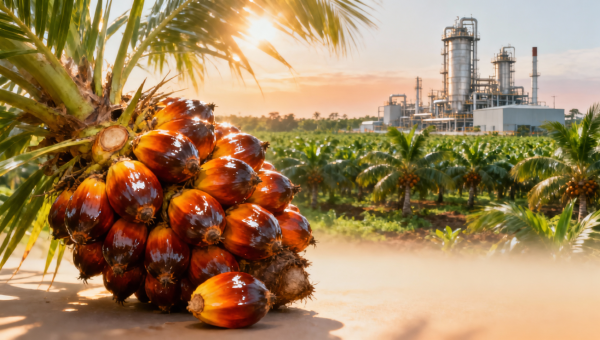
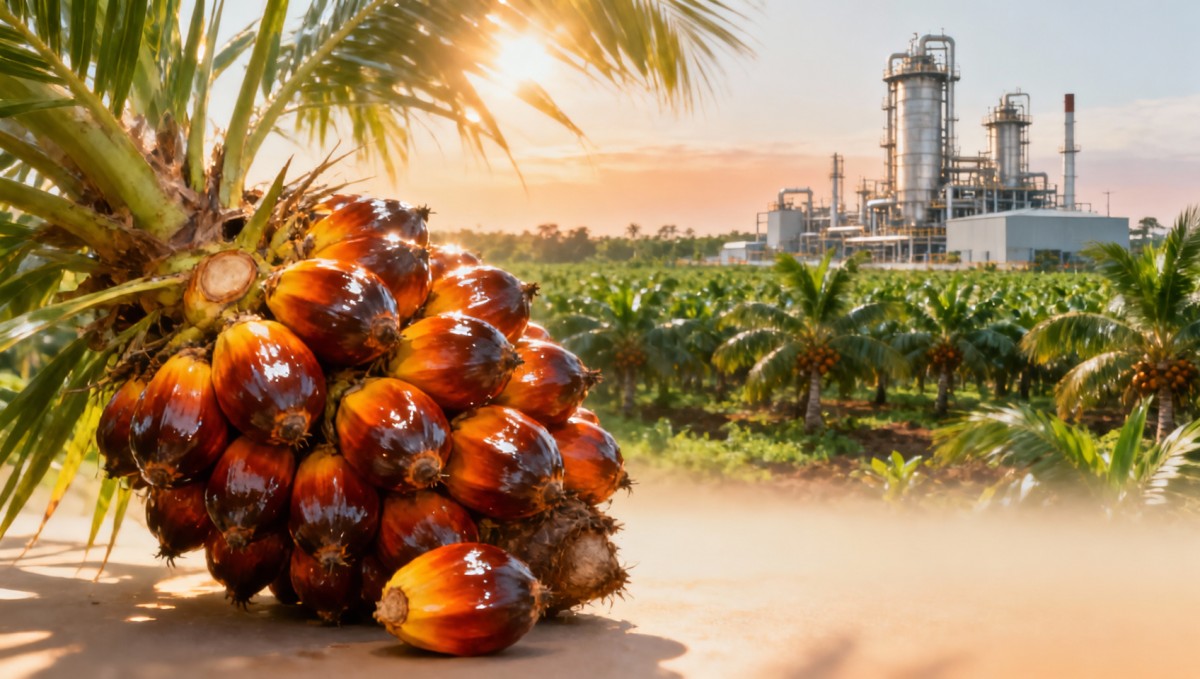
The European Union is advancing stricter ISCC-EU/RSPO Next sustainability certification standards for palm oil imports, coinciding with Indonesia's B50 biodiesel policy and potential export tax hikes that tighten global supply. Meanwhile, China's surging soybean oil imports have inverted the soybean-palm oil price spread, accelerating feedstock substitution. These developments pose dual challenges of certification compliance and raw material switching for European food manufacturers, Southeast Asian refiners, and Chinese exporters reliant on palm-based products.
Event Overview
The EU's proposed upgrade to palm oil sustainability requirements under ISCC-EU/RSPO Next frameworks aims to enhance deforestation-free supply chains. Concurrently, Indonesia's B50 biodiesel mandate (50% palm oil blending) and anticipated export tax adjustments are constraining international palm oil availability. In China, soybean oil imports reached 1.1 million tons in Q1 2024, widening the price gap with palm oil to $150/ton - the steepest inversion since 2022.
Impact on Key Sectors
European Food Manufacturers
Companies using palm oil derivatives (e.g., margarine, chocolate, baked goods) face mounting compliance costs. The new certification may require full traceability to plantation level, potentially disqualifying 15-20% of current RSPO-certified suppliers according to preliminary industry estimates.
Southeast Asian Refiners
Malaysian and Indonesian processors must accelerate certification upgrades while navigating reduced export volumes. Mid-sized refineries lacking direct plantation access may struggle to meet EU's enhanced due diligence requirements.
Chinese Oilseed Crushers
With domestic soybean processing margins at 3-year highs, crushers are prioritizing soybean oil production over palm oil imports. This shifts purchasing strategies for foodservice and industrial clients traditionally dependent on palm oil's cost advantage.
Global Traders
Supply chain bifurcation emerges as EU-bound shipments require segregated sustainability documentation, while price-sensitive markets like India and Africa absorb non-certified volumes at discounts.
Actionable Insights for Businesses
Monitor Certification Timeline
The European Commission's final ISCC-EU revisions are expected by Q3 2024. Companies should track draft language regarding smallholder inclusion and geolocation verification thresholds.
Diversify Feedstock Options
Food formulators may test high-oleic sunflower oil or shea butter blends as functional alternatives, particularly for products requiring solid fat profiles.
Reassess Contract Terms
Importers should negotiate force majeure clauses covering certification non-compliance and explore FOB contracts with sustainability premias/discounts.
Leverage China's Shift
Traders can redirect palm oil volumes from EU destinations to China's food processing hubs where price sensitivity temporarily outweighs sustainability preferences.
Industry Perspective
This development signals structural changes in vegetable oil trade flows rather than temporary market dislocation. The EU's standards could become de facto global benchmarks, similar to its deforestation regulation's ripple effects. However, the immediate operational impact depends on implementation timelines and verification capacity building in producing countries.
Conclusion
The confluence of regulatory shifts and market dynamics is reshaping global edible oil procurement strategies. While the full impact will unfold over 12-18 months, businesses should treat this as a catalyst for supply chain diversification rather than mere compliance exercise.
Sources
- European Commission Sustainable Bioeconomy Directorate draft proposals (April 2024)
- Indonesian Palm Oil Association (GAPKI) export data
- China Customs vegetable oil import statistics
- Note: Final ISCC-EU certification criteria remain under negotiation
Related Intelligence
- Natural IngredientsOrganic Spirulina Powder Bulk: The Moisture Level to WatchOrganic spirulina powder bulk moisture levels can impact stability, yield, and shipment risk. Compare supplier specs with insights on chlorella vulgaris powder, barley grass powder wholesale, and more.
- Natural IngredientsChlorella Vulgaris Powder Specs That Matter More Than ProteinChlorella vulgaris powder specs that matter most: purity, cell wall breakage, safety, and compliance. Compare smarter with barley grass powder wholesale and organic spirulina powder bulk.
- Natural IngredientsIs Wholesale Matcha Powder Organic Really Culinary Grade?Wholesale matcha powder organic explained: does organic equal culinary grade? Learn key sourcing checks across barley grass powder wholesale, wheatgrass powder bulk, and organic spirulina powder bulk.
The Morning Broadsheet
Daily chemical briefings, market shifts, and peer-reviewed summaries delivered to your terminal.
